The Tokyo issue
Tokyo With Teenagers Without the Forced March
Three bookings run on their own calendar and have to be made early. The rest of the week is afternoons that need no transfers, built so nobody gets walked into the ground.
By Lukas BrandtTokyo on foot, timed to the temple gates
Nothing in Tokyo is hard to walk to, which is exactly how families end up walking too far. The train map makes everything look adjacent, so a family that says yes to every suggestion covers fifteen kilometres a day by Wednesday and sees most of it through a teenager's silence. Cutting the list of sights helps less than cutting the number of transitions: one anchor a day, and at least one long sit-down before dark.
Three bookings that run on a clock you don't control
Almost everything in this guide can be decided over breakfast. These three cannot, and two of them will reshape your dates.
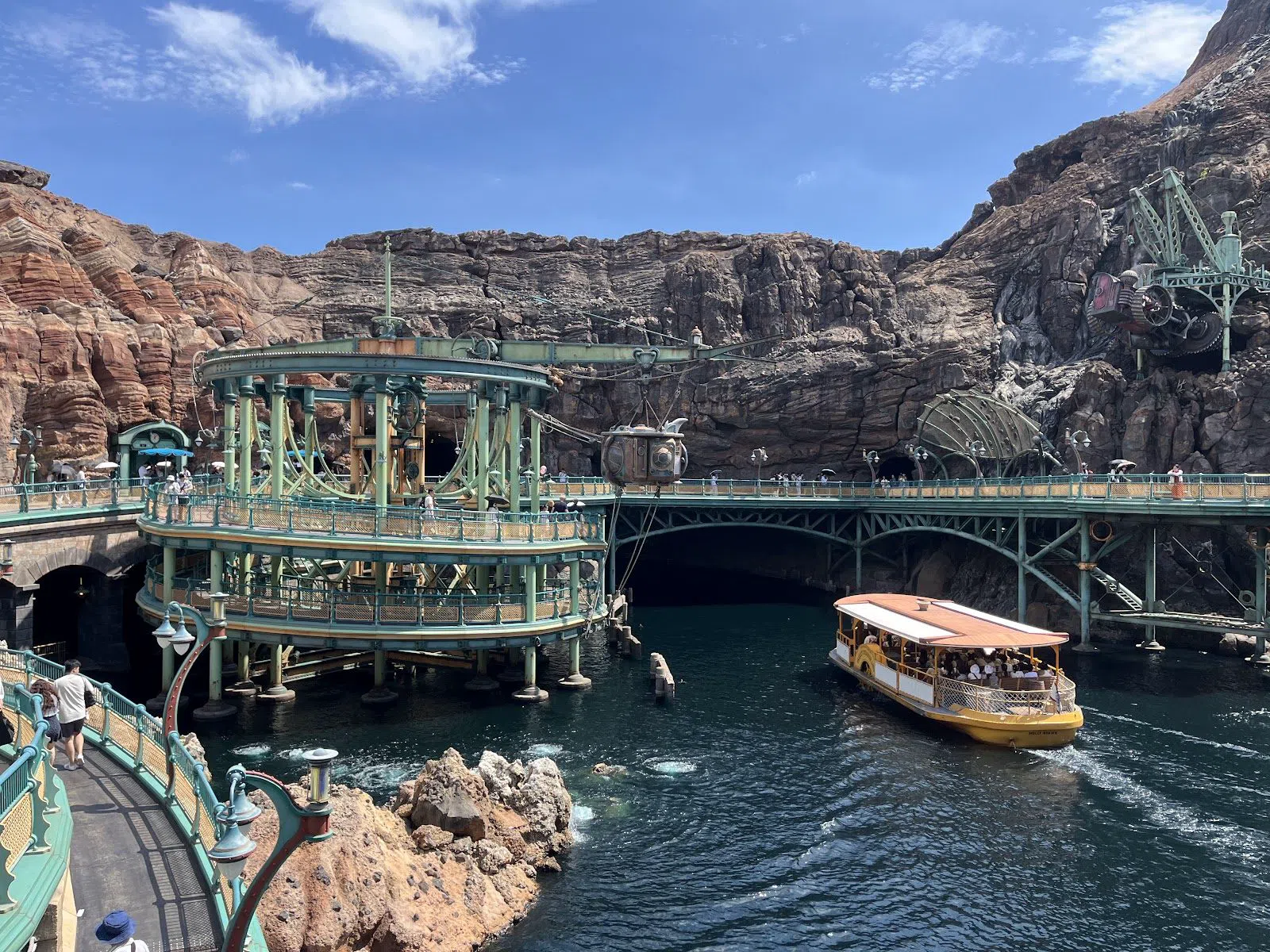
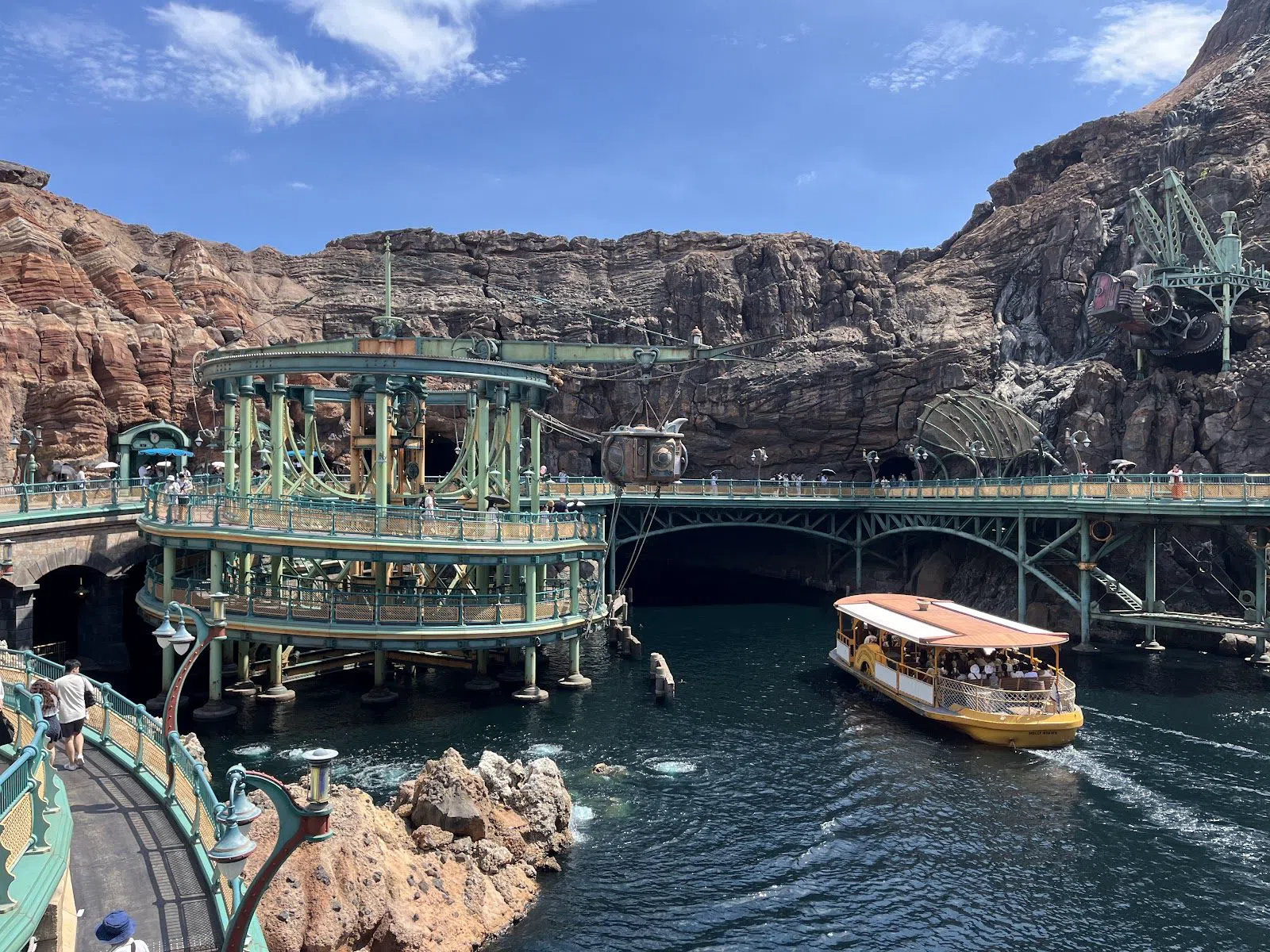
Tokyo DisneySea (Maihama, about fifteen minutes from Tokyo Station on the Keiyo line) is the one thing to settle before you book flights. A 1-Day Passport is ¥7,900–¥10,900 per adult and the price is set by the date, so the quiet Tuesday and the busy Saturday are the same ticket at different money. Everyone needs their own dated ticket, and there is a cap on how many you can push through in one transaction, so book the whole family on one date in a single go. Splitting the purchase is how people end up holding two different days. The Fantasy Springs port, with Frozen, Tangled and Peter Pan, opened in June 2024 and no longer needs a Standby Pass; you walk into it like any other area. 25th Anniversary dates sell out roughly sixty days ahead.
Do one park day, not two. Teenagers will stand in a park for twelve hours and complain about none of it, which is why the following morning should contain nothing before eleven.
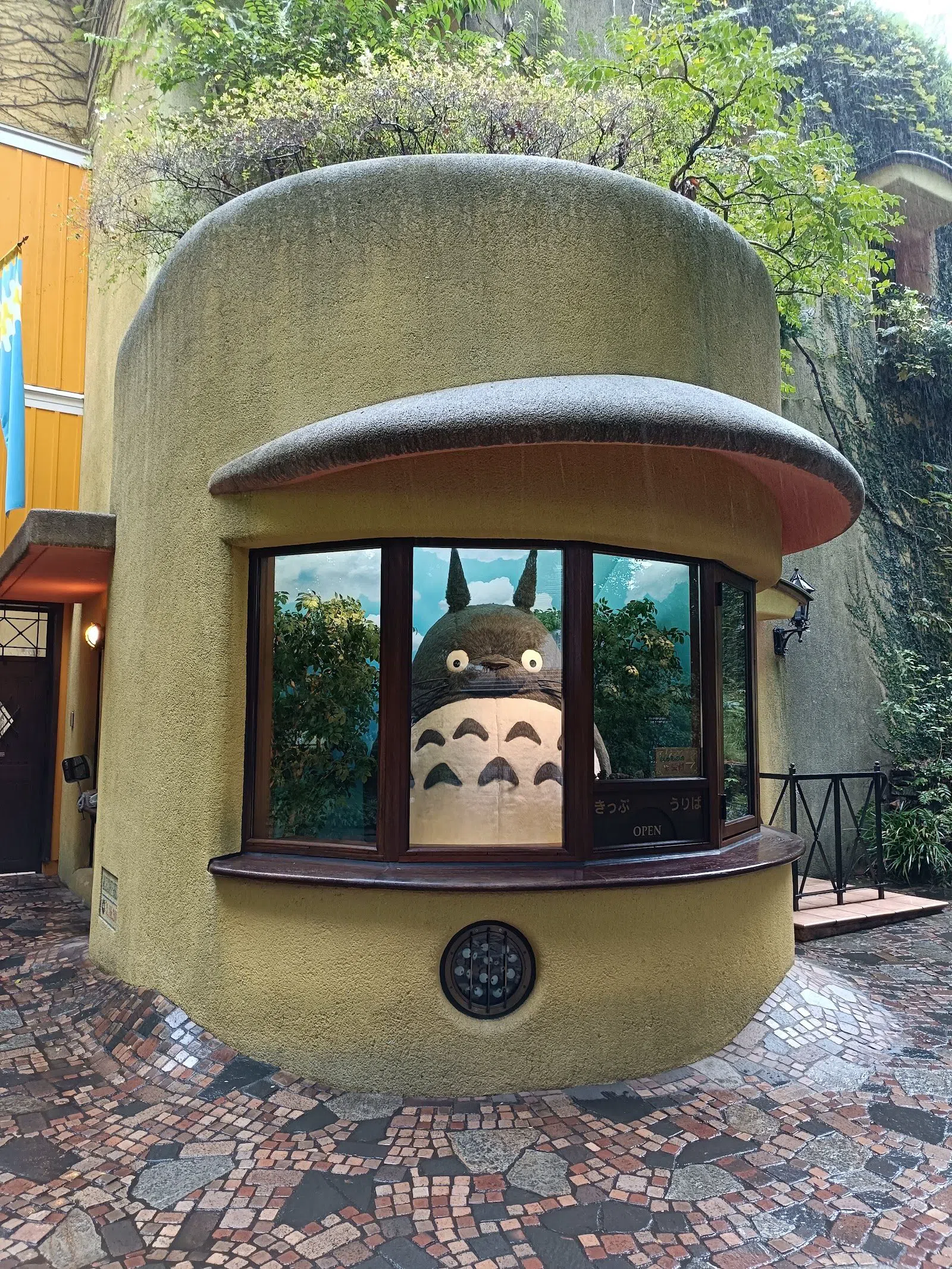
Ghibli Museum, Mitaka is the opposite kind of booking: cheap, small, and close to impossible to get. It is advance reservation only with no door sales, and each ticket is name-bound, so the whole party has to go through in one transaction. Tickets go on sale through Lawson at 10:00 JST on the 10th of the month for the following month, and weekend slots can be gone inside an hour. Set an alarm, or take a weekday, which is genuinely fine and a good deal calmer. Adult entry is ¥1,000 with cheaper teen and child tiers, making it the best-value hour on this list. From Mitaka station it is about fifteen minutes on foot along the canal path, or the museum's shuttle bus from the south side.
Pokémon Café and Pokémon Center Tokyo DX (Nihonbashi) splits into a hard booking and an easy one. The café is reservation-only with a cap per booking, around ¥2,000–¥3,500 a head for food and drink, and its portal opens dates thirty-one days ahead at 18:00 JST. Weekend slots go in about two minutes, so be logged in and waiting rather than "checking later". It closed for renovation in March 2026 and reopened on 17 June 2026, so anything written before that is wrong about both the layout and the hours. The attached Pokémon Center DX needs no booking at all, takes walk-ins of any size and costs nothing to browse. If the café slot doesn't happen, the store still delivers most of the visit.
Plan your Tokyo trip
Live prices from our booking partners.
Free cancellation on many rooms. We may earn a commission when you book.
Afternoons that need no transfers
What wears a family down is not distance, it is the number of times you make everyone stand up and get on a train. Each of these three absorbs a half-day on its own.
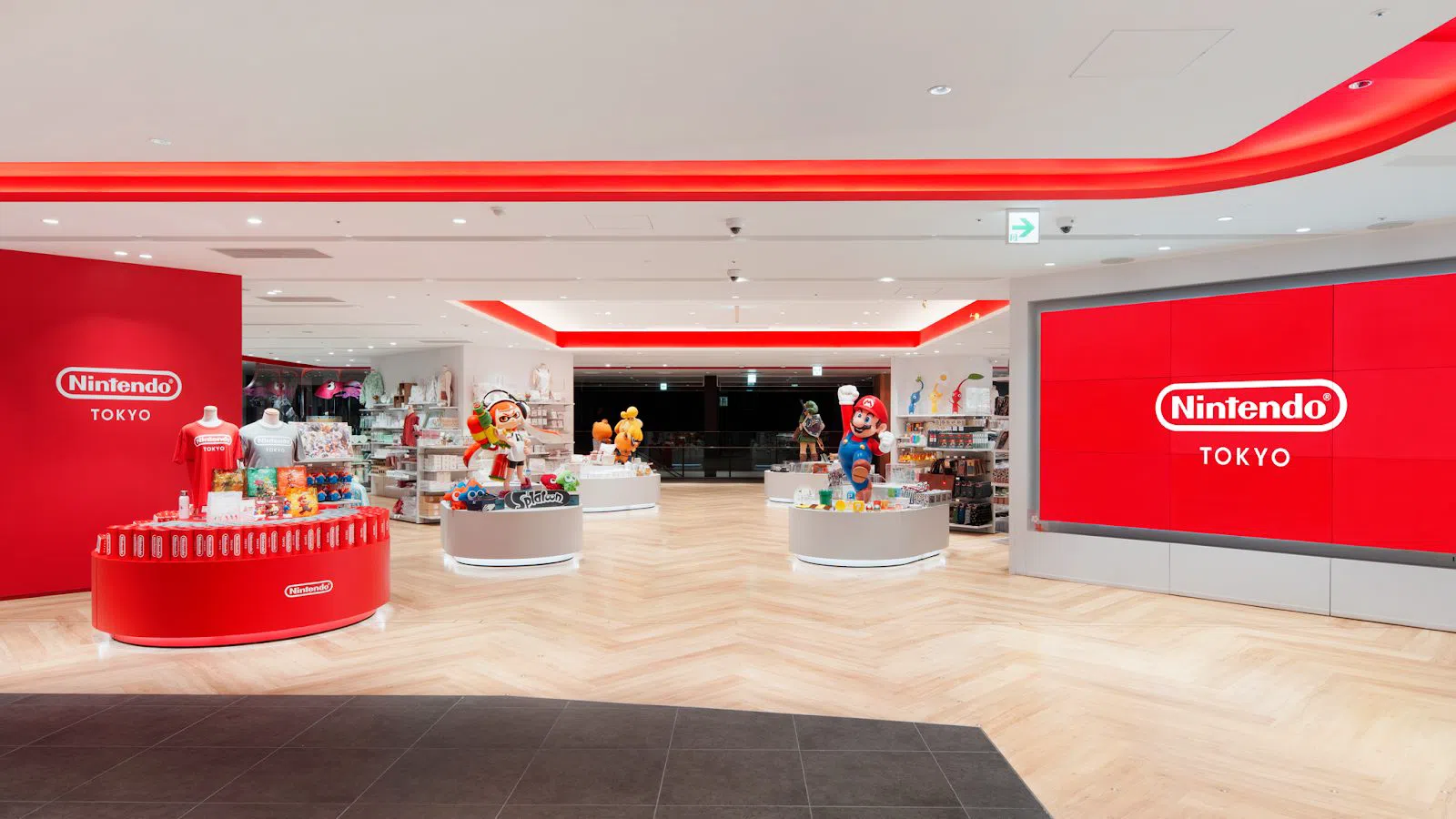
Nintendo TOKYO (Shibuya Parco, Udagawacho, six floors above the street) is Japan's first official Nintendo store and entry is free. It normally takes walk-ins, but timed-entry tickets can be imposed on busy days, so check before turning up mid-weekend with four people in tow. The floor it sits on is what makes the trip worth it: the Capcom Store and the Jump Shop are the same escalator ride, so an entire teen afternoon happens without a single train. Adults who run out of patience can leave and come back, since the station is directly below.
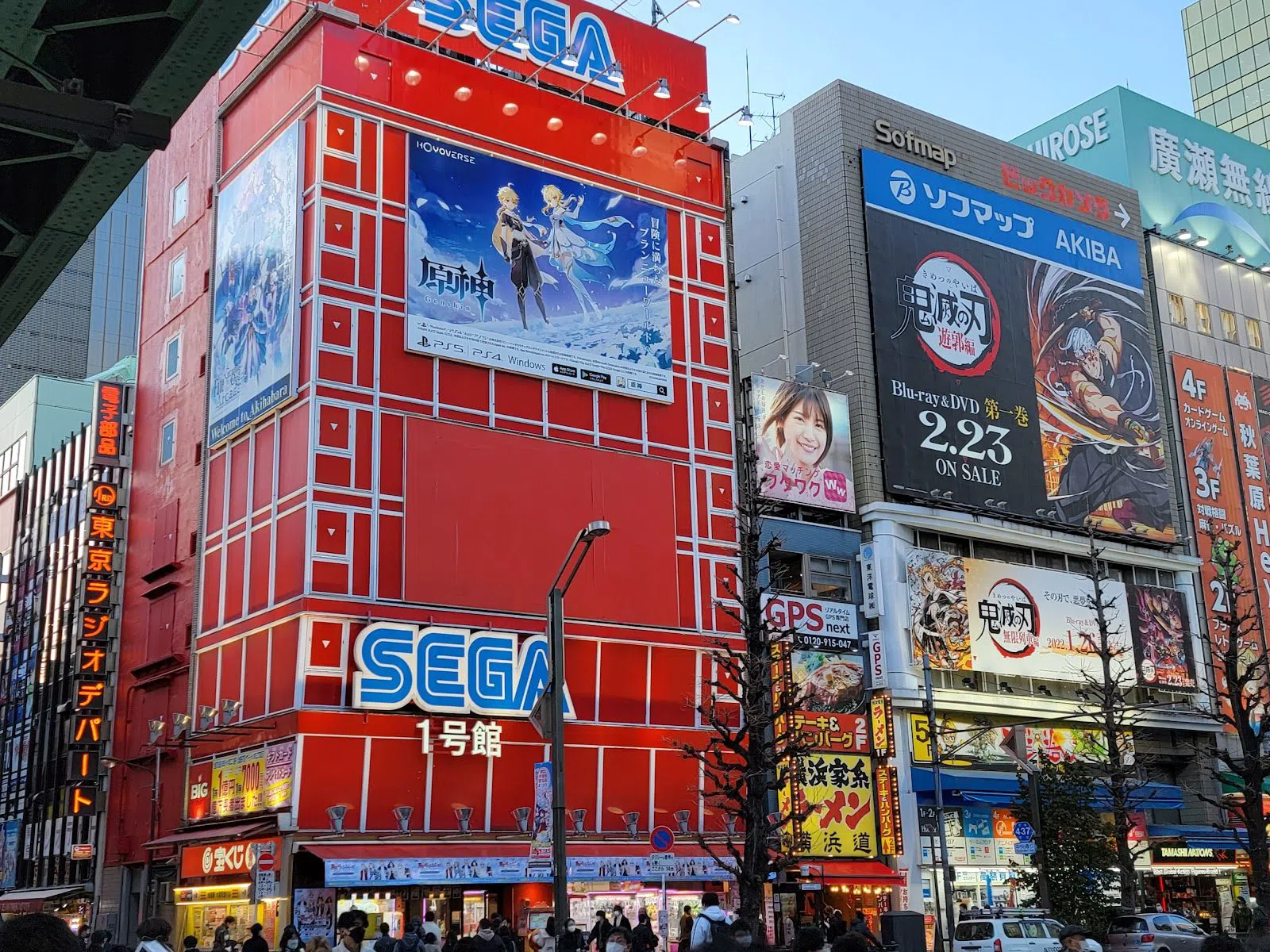
Super Potato Akihabara occupies floors 3 to 5 of the Kitabayashi Building, a few minutes from the Electric Town exit, open 11:00–20:00 daily. Entry is free and cartridges run from a few hundred yen into five figures, with prices marked on the boxes. The stairwell and the aisles are tight, so if there are more than four of you, go up in twos and threes rather than as a block, and agree where you'll meet. The arcade floor at the top is where teenagers lose an hour to cabinets their parents played.
namco TOKYO (Tokyu Kabukicho Tower, Shinjuku) opened with the tower in April 2023 and holds Shinjuku's largest bank of crane games. Free to enter, roughly ¥100–¥500 a play, no group limit, and there is a lounge where anyone not playing can sit down without hovering. The food hall downstairs is the useful part for families: split for an hour, reconvene, never leave the building.
Two cards to hold for the rain
Tokyo rains properly, and a wet day with no plan is where family trips come apart.
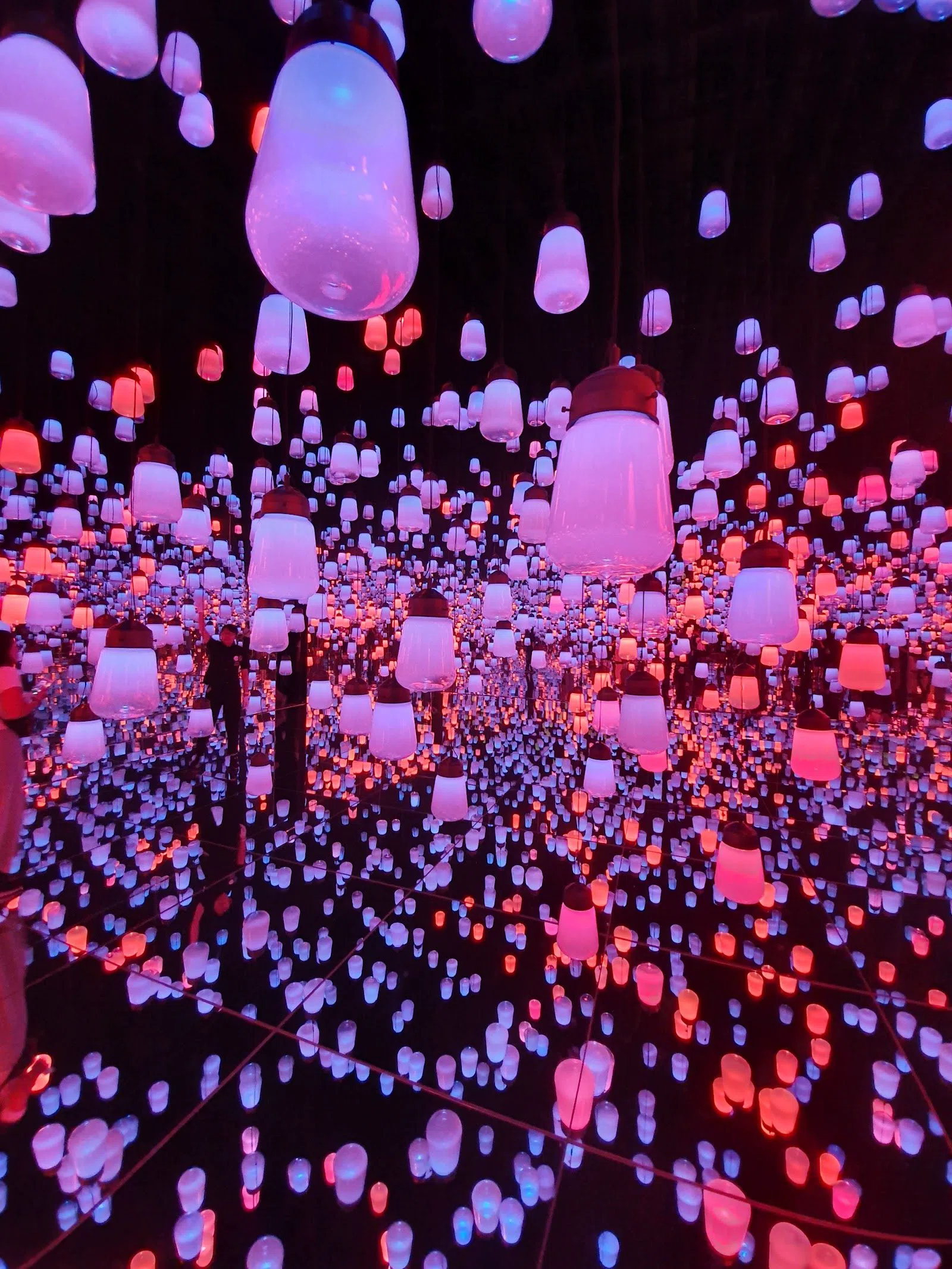
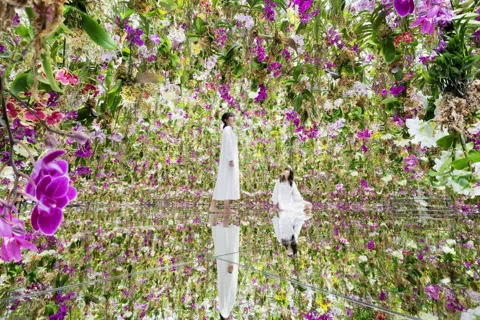
teamLab Borderless, Azabudai Hills is the one museum teenagers photograph instead of endure. Entry is timed, ¥3,600–¥5,600 for adults (18 and over) and ¥1,500–¥2,800 for children depending on age and date, so check which band a sixteen-year-old falls into before you assume full price for everyone. Buy on the official site first; resellers sell out earlier and cost more. The floors are mirrored, so wear trousers and flat shoes rather than skirts. A family books a single slot easily, but a larger group should buy in one transaction, because slots fill unevenly and you can end up scattered across the afternoon.
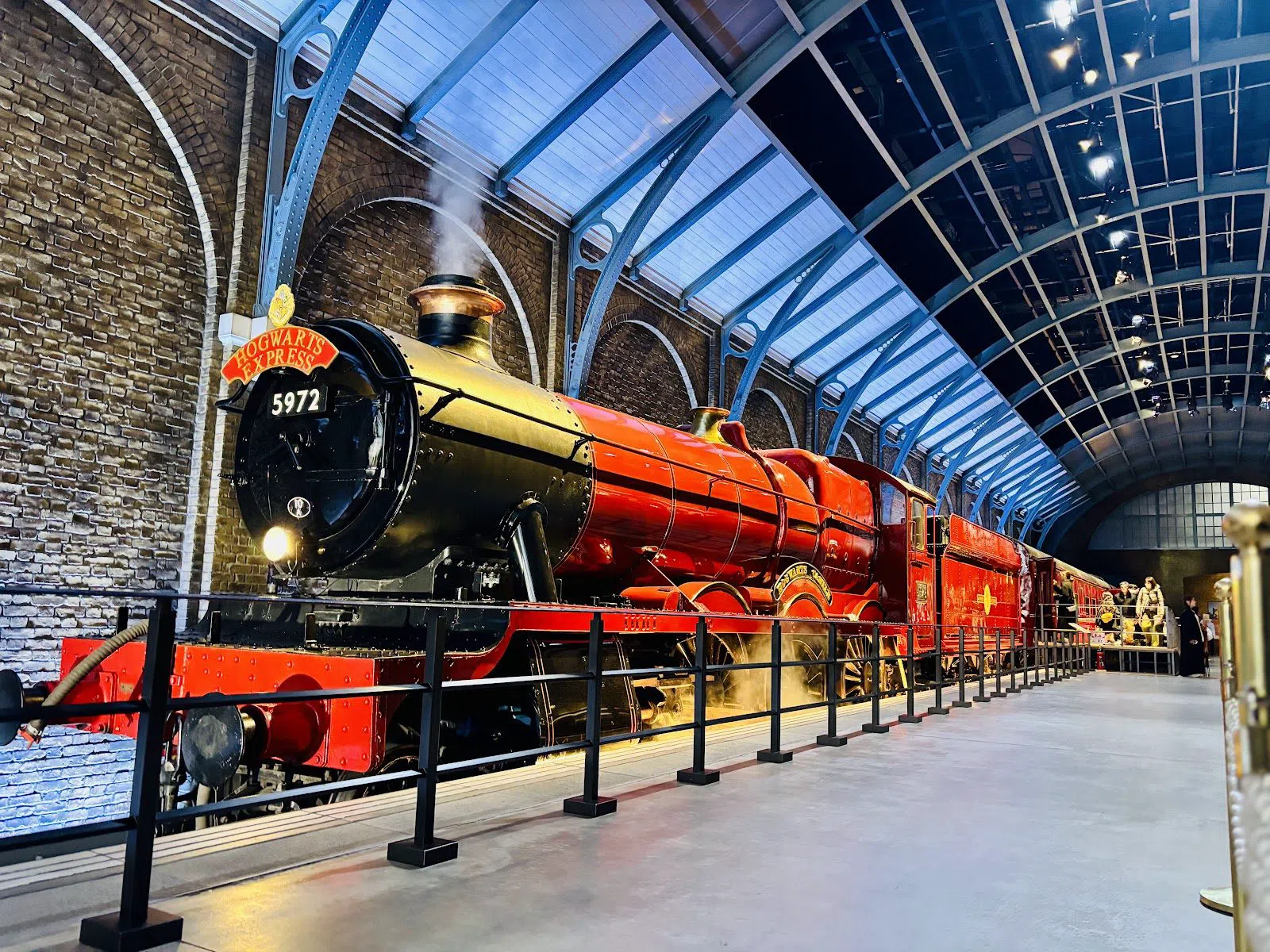
Warner Bros. Studio Tour Tokyo – The Making of Harry Potter (Nerima, at Toshimaen station on the Seibu Toshima and Oedo lines) is the best rain card in the deck: four hours indoors at your own walking pace, with nowhere you are hurried through. Admission is timed and everyone in the party books the same entry time. It is ¥7,000 for adults, ¥5,800 for teens aged 12–17 and ¥4,200 for children 4–11, one of the few places in Tokyo where the teen rate genuinely undercuts the adult one.
The three-hour sit-down
Build one of these into every third day and the rest of the week holds together.
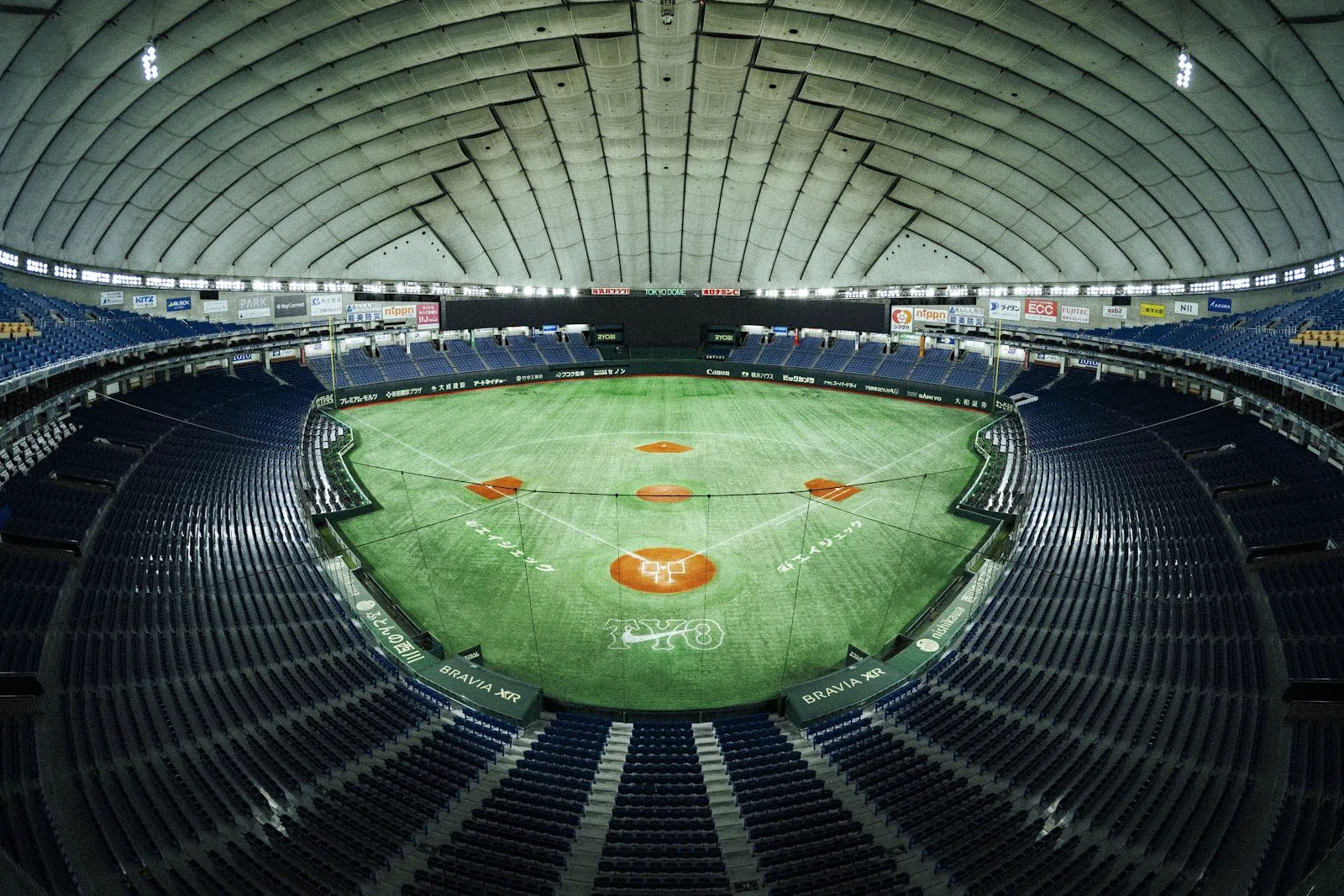
Tokyo Dome (Suidobashi) for a Yomiuri Giants game is the best pacing decision available to you. Tickets run roughly ¥2,000–¥7,000 by seat and date category, you can buy up to eight per person per game, and the English-language booking site handles overseas cards without drama. Three hours sitting down, food brought to your seat, and the crowd's organised chanting is the actual attraction for a teenager who does not care about baseball.
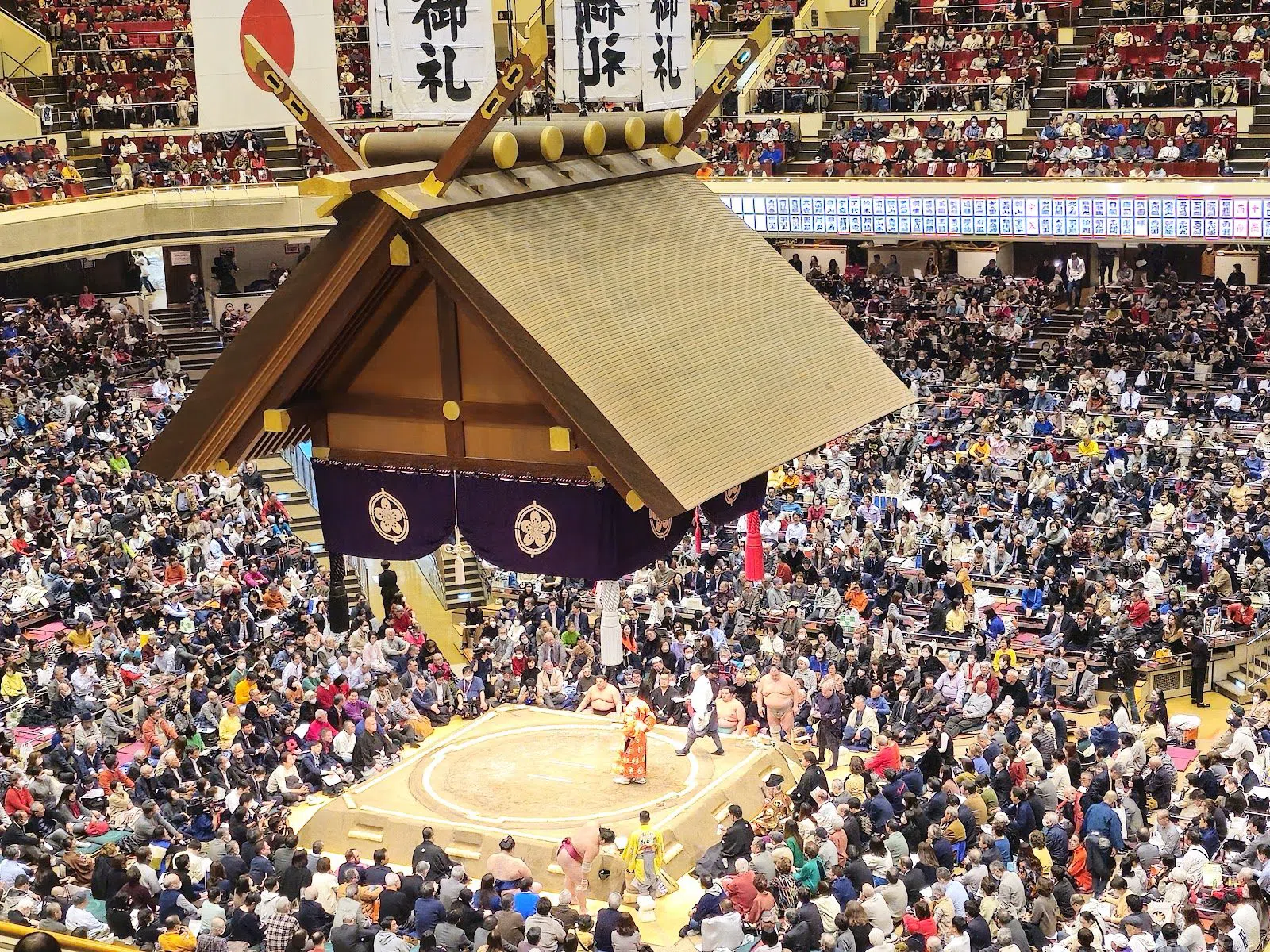
Ryogoku Kokugikan hosts the Grand Sumo Tournament in Tokyo in January, May and September only. In 2026 the September tournament runs 13–27, so check your dates before you plan around it. Chair seats start around ¥3,500 and reach roughly ¥8,500 for a weekend lower tier; the classic family option is a masu box, four cushions on the floor, ¥34,000–¥48,000 for the box. It is built for groups in a way almost nothing else is, but it is floor seating for several hours, so know your family. If your dates miss the tournament entirely, Arashio Stable in the same district lets you watch morning practice through a street window for nothing.
Early starts buy back the rest of the day
Two mornings, done before the crowds, and the afternoon is free to be nothing at all.
Senso-ji and Nakamise-dori (Asakusa) needs no booking and takes any number of people. The grounds are open around the clock and the main hall opens at 06:00, or 06:30 from October to March, while the Nakamise shops don't wake up until about 09:00–10:00. Go at seven and you get the gate and the approach with almost nobody in them; go at eleven and you are shuffling. Kimono-rental shops nearby handle group bookings if the teenagers are interested, and are worth skipping entirely if they are not.
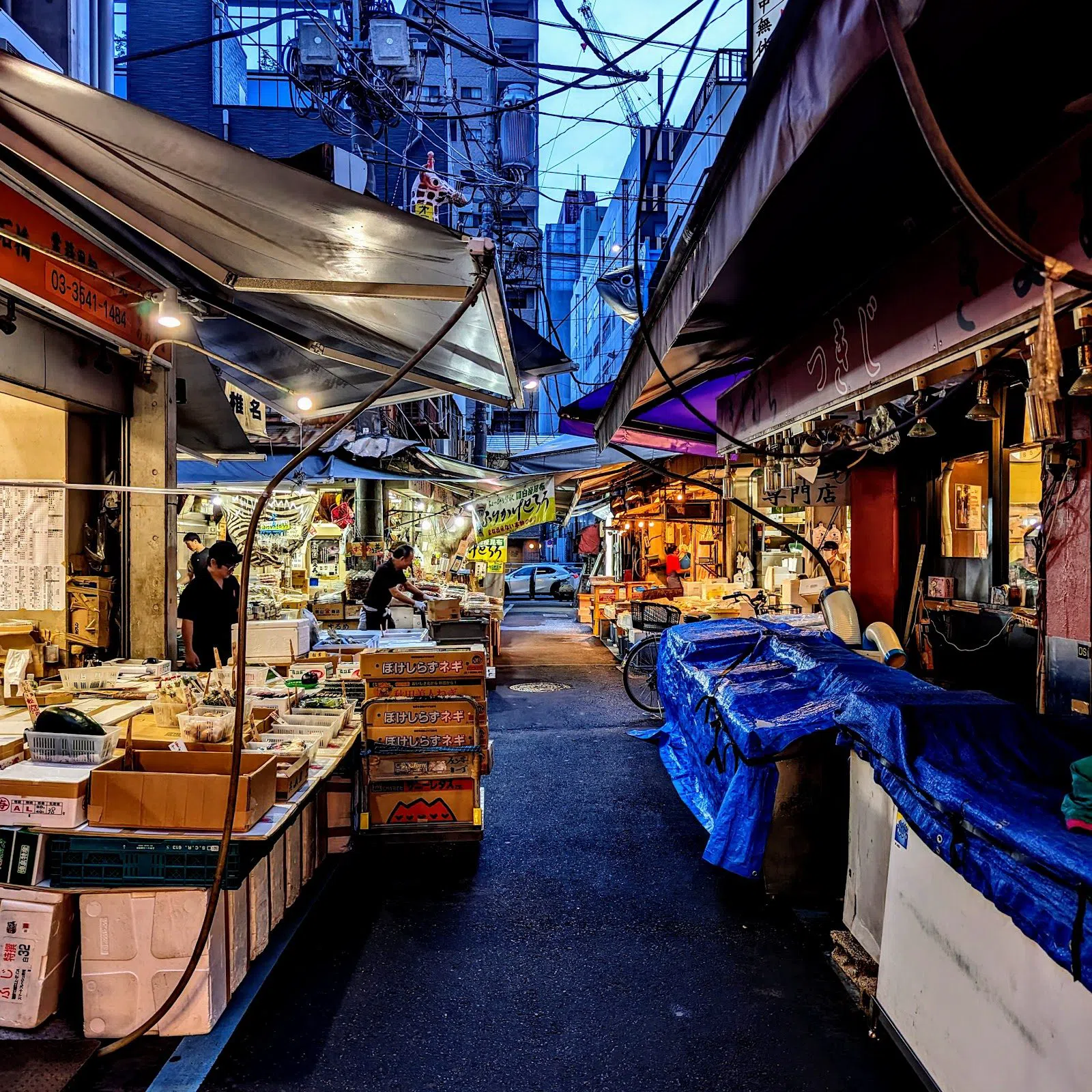
Tsukiji Outer Market stayed exactly where it was when the wholesale market moved to Toyosu, so this is still a working market rather than a memorial to one. Roughly 05:00–14:00, closed Sundays and Wednesdays, and best between 08:00 and 10:00; after that both the queues and the sell-outs start. Walking costs nothing and snacks run ¥300–¥1,500 each, which is how a teenager eats an entire breakfast standing up over forty minutes. The lanes are narrow, so agree a meeting point and let people drift rather than trying to move as one line.
One thing they make and carry home
Ganso Shokuhin Sample-ya (Kappabashi) runs a forty-minute workshop where you make your own tempura and lettuce out of wax and walk out holding it. It is ¥3,300 a head. Online booking covers one to four people; groups of five or more have to phone 0120-17-1839, and weekend slots fill fast. The session is conducted in Japanese, but the technique is visual enough to follow without a word of it. It is the one activity here that produces an object, which turns out to matter more to a fifteen-year-old than another temple.
One view and one hill
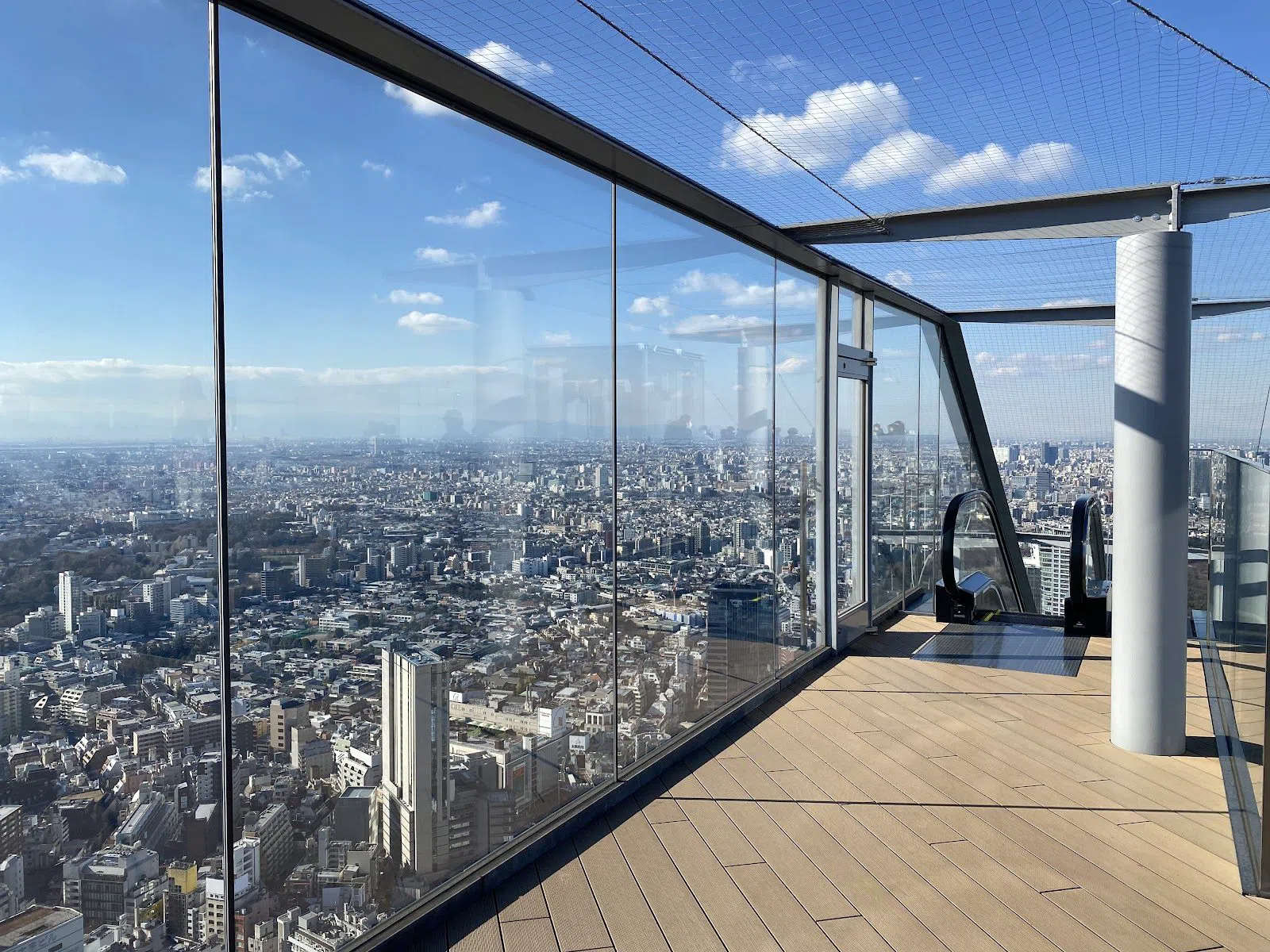
SHIBUYA SKY sits on top of Shibuya Scramble Square, directly above the station. Online it is ¥2,700 before 14:59 and ¥3,400 from 15:00; at the counter it is ¥3,000 and ¥3,700. Entry is a 20-minute timed window, but that window covers entry only: once you are in you can stay until the 22:30 close, so a family can spread out and regroup instead of moving as a unit. Sunset slots vanish the day they open, about two weeks ahead. Loose items are banned on the open rooftop, so phones go on a strap or in a zipped pocket and everything else goes in a locker before you go up.
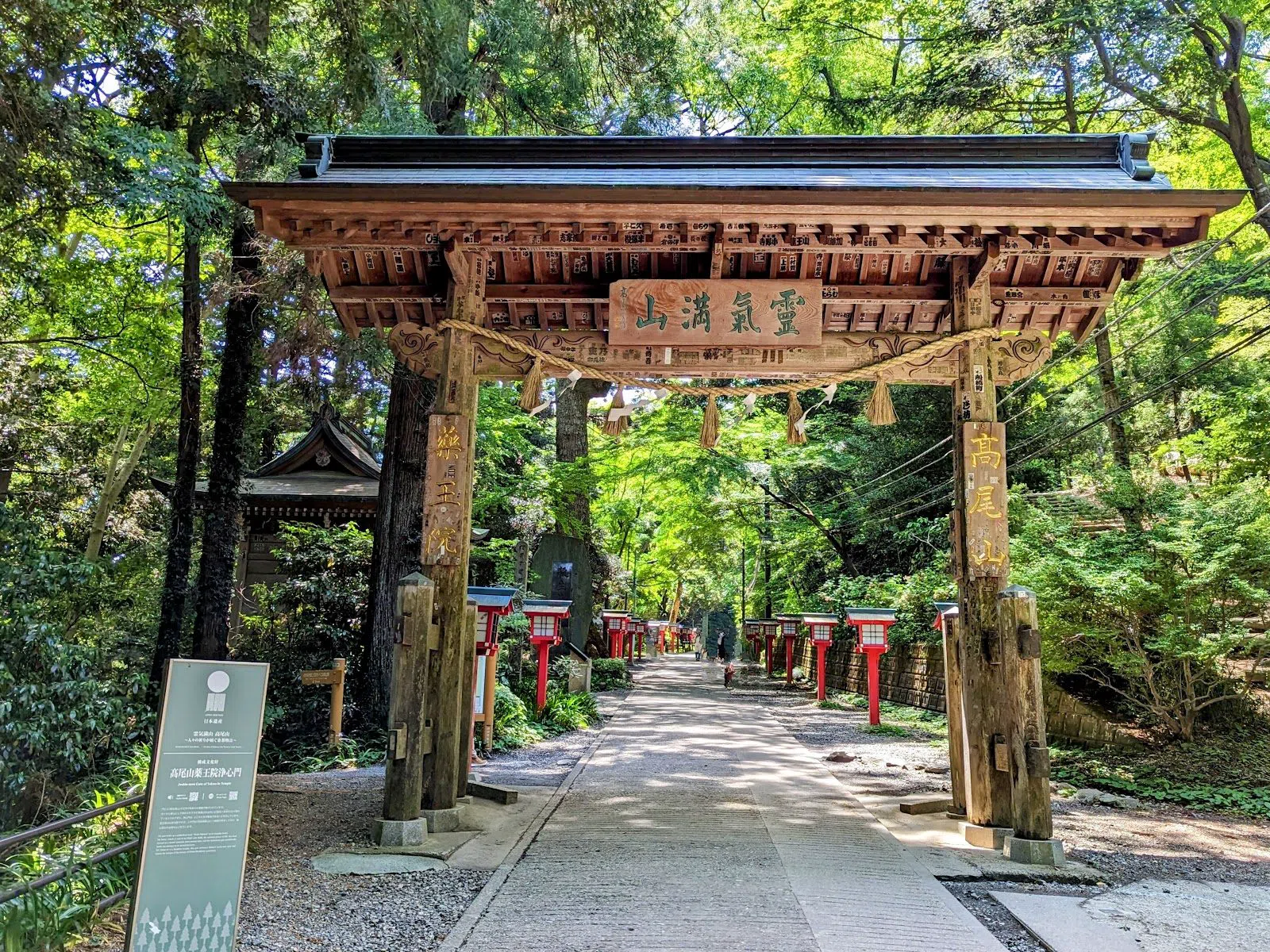
Mount Takao is the half-day escape. It is about an hour and roughly ¥400 from Shinjuku on the Keio line, no booking, any group size. The cable car, the steepest funicular in Japan, is ¥490 one way and ¥950 return, running every fifteen minutes and every seven when it is busy. Ride up, then let whoever wants to walk down do so and whoever doesn't take the car back: it splits the family for ninety minutes without stranding anyone at either end.
Building the week around the anchors
Three rules do most of the work. One anchor a day and nothing else ticketed alongside it. Never schedule an early start the morning after a park day. And keep the base central enough that going back to the hotel at three in the afternoon is a fifteen-minute decision rather than an hour's commitment. Shinjuku, Shibuya and the Tokyo Station side all do that job, and the Tokyo hotel search will show what is actually free on your dates.
A five-day shape that holds up: DisneySea on day one, while everyone is still jet-lagged and awake at 05:00 anyway; Shibuya on day two, the Parco floors in the afternoon and SHIBUYA SKY at sunset, because both sit on top of the same station; Asakusa early on day three, the Kappabashi workshop ten minutes away, then deliberately nothing; Akihabara and a Tokyo Dome evening on day four; Takao or teamLab on day five depending on what the forecast says at breakfast. The rest of the city (the food, the districts, the things the adults want) sits in the Tokyo guide.
Practical notes
Transport. Put a Suica or PASMO in each phone wallet before you land and top it up with a card. It covers every train, most buses and a lot of convenience stores, and it ends the queue at the ticket machine with four people behind you. Almost nothing here is more than forty minutes door to door. Trains stop around midnight, so a Tokyo Dome game that runs long means a taxi for a family of four. Budget for it rather than rushing the last innings.
Cash. Tokyo is largely cashless now, but not at Tsukiji's smaller stalls, not for coins at Senso-ji, and not for every secondhand cartridge at Super Potato. Carry ¥10,000–¥20,000 in small notes and refill at a convenience-store ATM, which takes foreign cards.
Timing. Work backwards from the hard bookings: DisneySea about sixty days out, Ghibli at 10:00 JST on the 10th of the previous month, the Pokémon Café thirty-one days out at 18:00 JST, SHIBUYA SKY sunset slots about two weeks out. The sumo tournament only exists in January, May and September. Everything else on this list can be decided the same morning.
Budget. A rough per-teenager day: ¥2,000–¥4,000 on entry, ¥3,000 on food if you eat well and cheaply, ¥1,000 on trains and crane games. The park day and the studio tour break that pattern at ¥8,000–¥11,000 and ¥5,800 respectively, which is one more argument for spacing them out rather than stacking them.
Before you go
What do we actually have to book before we arrive in Tokyo?
Only three things run on a fixed clock. Buy Tokyo DisneySea 1-Day Passports (¥7,900 to ¥10,900 per adult) before the flights, since 25th Anniversary dates open roughly sixty days ahead. Ghibli Museum tickets go on sale through Lawson at 10:00 JST on the 10th of the month for the following month, and weekend slots can be gone inside an hour. The Pokémon Café opens dates thirty-one days ahead at 18:00 JST, and weekend slots go in about two minutes. SHIBUYA SKY sunset slots are worth grabbing about two weeks out. Everything else here takes walk-ins or same-day bookings.
How many things should we plan per day with teenagers?
One ticketed anchor, plus whatever happens near it. Transitions tire people out faster than hours do, so pair things that share a station. Nintendo TOKYO and SHIBUYA SKY sit above the same one, and Senso-ji is ten minutes from the Kappabashi workshop. Keep the morning after a DisneySea day empty until eleven.
What do we do in Tokyo with teenagers if it rains?
Two cards cover it. Warner Bros. Studio Tour Tokyo in Nerima is four hours entirely indoors at your own pace, ¥7,000 for adults and ¥5,800 for teens aged 12 to 17, with timed admission everyone books together. teamLab Borderless at Azabudai Hills costs ¥3,600 to ¥5,600 for adults and ¥1,500 to ¥2,800 for children. Wear trousers and flat shoes there, because the floors are mirrored.
Can we see sumo, and what if our dates don't line up?
Tokyo's Grand Sumo Tournament at Ryogoku Kokugikan only runs in January, May and September; in 2026 the September tournament is the 13th to the 27th. Chair seats start around ¥3,500 and a four-person masu box is ¥34,000 to ¥48,000. If your dates miss it, Arashio Stable in the same district lets you watch morning practice through a street window for free.
Do teenagers pay adult prices at Tokyo attractions?
Not always, so check each one. Warner Bros. Studio Tour charges ¥5,800 for ages 12 to 17 against ¥7,000 for adults. teamLab Borderless sets its adult band at 18 and over, so a sixteen-year-old may fall into the ¥1,500 to ¥2,800 child tier. The Ghibli Museum has cheaper teen and child tiers below its ¥1,000 adult ticket. DisneySea and Tokyo Dome price mainly by date and seat rather than age.