The Tokyo issue
Tokyo's Car Culture Tours for Enthusiasts
A practical 2026 guide to Tokyo's car culture — where to spectate, where to actually drive, and the paperwork you must sort before you land.
By Lukas BrandtTokyo on foot, timed to the temple gates
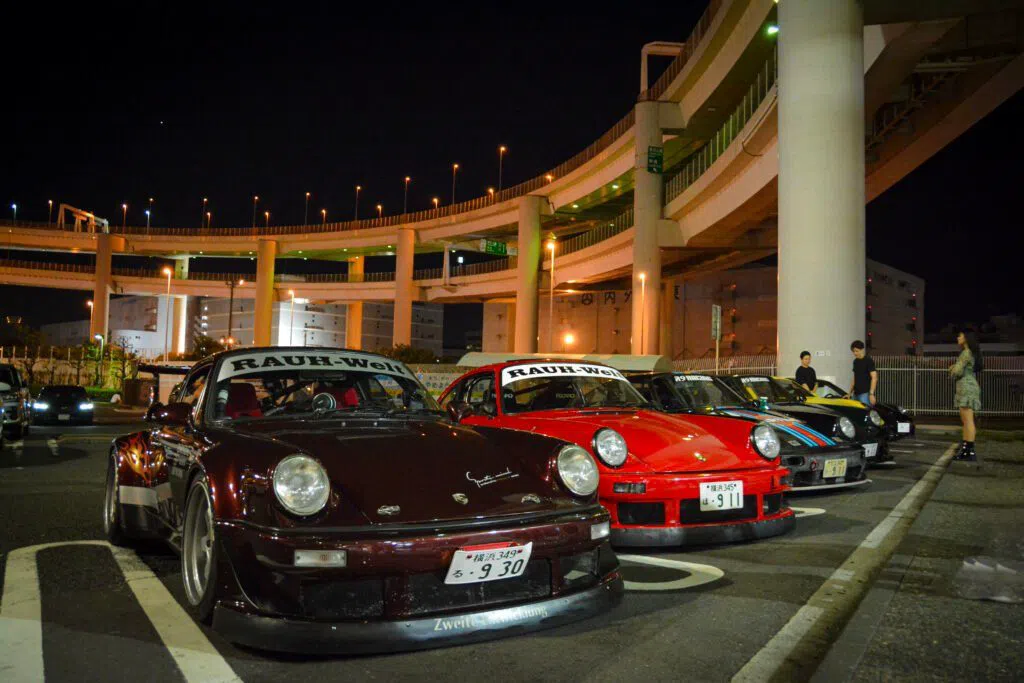
Tokyo's car culture doesn't announce itself to tourists. It idles in a Ginza showroom over lunch, threads through the Yamanote wards after midnight, and gathers on a man-made island in the bay where the only soundtrack is running engines and the Aqua-Line wind. This guide sorts the scene by what you actually want to do — sit back and be driven, get behind the wheel yourself, or just stand near the metal — and it is honest about which options need paperwork sorted weeks before you fly.
The single most important thing to read first: several of these experiences let you drive on public Japanese roads, and Japan does not accept a UK photocard licence on its own. You need a Geneva-Convention International Driving Permit (IDP), which in 2026 you get from a UK Post Office for a few pounds before you leave — you cannot buy one after you land. Assume every self-drive option below requires it, plus your physical UK licence and your passport.
Curated rides: the scene without the paperwork
If you want the culture but not the responsibility of a left-hand-drive road system and Japanese signage, two options let you skip the IDP entirely.
Niche Drive Tokyo (private pickups across central Tokyo) is the polished, owner-driven passenger experience — you ride in a supercar or a tuned JDM icon while someone who knows the roads does the work. It runs both shared premium group tours and private bookings, and the car you pick sets your group size, so a couple and a group of four are choosing between different vehicles rather than different tiers of the same one. Pricing is per car at roughly £500–£1,600 (plus 10% tax), with an add-on of about £110 per person for extra guests. This is the option for a reader who wants the scene curated rather than negotiated — no convoy briefing, no clutch-in-the-wrong-hand anxiety, just a seat and a view. It is premium-priced and unapologetic about it; book the private option ahead if you want a specific car.
Nissan Crossing (the Ginza 4-chome crossing, directly above Ginza Station) is the free, weatherproof counterweight to all of that. It is a brand showroom on the corner of Chuo-dori and Harumi-dori — walk in off the street, no booking, and it comfortably absorbs a group. Inside you'll find a GT-R, a Formula E racer, a GT-R VR simulator and, in the upstairs café, custom latte art if you want a sit-down. Entry is free; the café is the only thing you'll pay for. It folds neatly into a Ginza shopping or dining day and asks nothing of your schedule, which makes it the easiest single stop on this list. Come here first to gauge how deep the rest of the family's interest actually runs before you commit to a paid tour.
Plan your Tokyo trip
Live prices from our booking partners.
Free cancellation on many rooms. We may earn a commission when you book.
Behind the wheel: driving JDM yourself
This is where the IDP stops being a footnote. Three operators let you actually drive, and they suit noticeably different appetites.
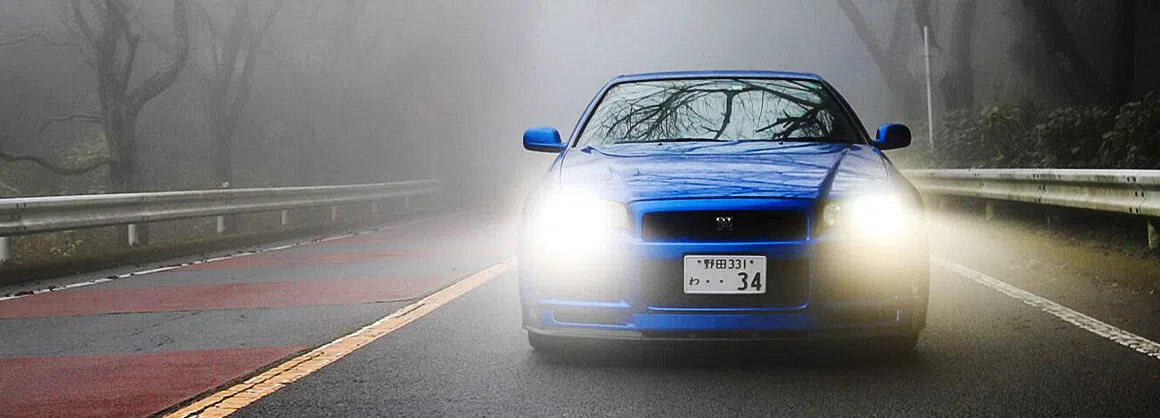
Samurai Car Japan runs its JDM Night Drive as a convoy out to the Daikoku bayside parking area, and it is the closest thing on offer to the 'Tokyo Drift' fantasy made real: you self-drive an R34 with a bilingual guide riding along and navigating, or you take a ride-along seat if you'd rather not drive. It handles groups happily — convoys of ten-plus cars are normal — so it works for a stag-style group as much as a pair of enthusiasts. Ride-along starts around £160; self-drive costs more. Two honest caveats: weekend slots book out two to three weeks ahead, so this is not a decide-on-the-night option, and to take the wheel you need that IDP in hand. If your group is mixed — some want to drive, some just want to be there — the ride-along seats make it inclusive in a way the pure rentals below aren't.
Fun2Drive runs English-language convoy tours up to the Hakone passes, about two hours from central Tokyo, and it is the pick for the reader who wants proper driving rather than a city cruise. You follow an expert pace car through iconic touge roads in your own JDM rental, from the largest such fleet in the area, and the pace car format means you're driving genuinely engaging roads without needing to know them. Prices run roughly £160–£500 depending on tour length. This is the enthusiast's choice — you drive, you don't spectate — but be clear-eyed that it eats the better part of a day once you factor the run out and back, so plan it as the centrepiece of that day, not an add-on.
Omoshiro Rent-a-Car strips out the guide entirely: it's per-car self-drive hire of classic JDM legends, and if your group rents several cars you can effectively run your own convoy. At roughly £160–£350 per day it's the comparatively affordable way to actually drive one of these cars yourself, and the freedom is the whole point. Read the small print, though — there's typically a mileage cap in the region of 200–250km per day, which is fine for a bay loop but tight if you're tempted to chase the Hakone roads unaided, and the IDP requirement is non-negotiable. This suits confident, independent drivers who don't want a guide in the passenger seat; it is the wrong choice if you'd feel lost on unfamiliar roads without one.
Karting the streets
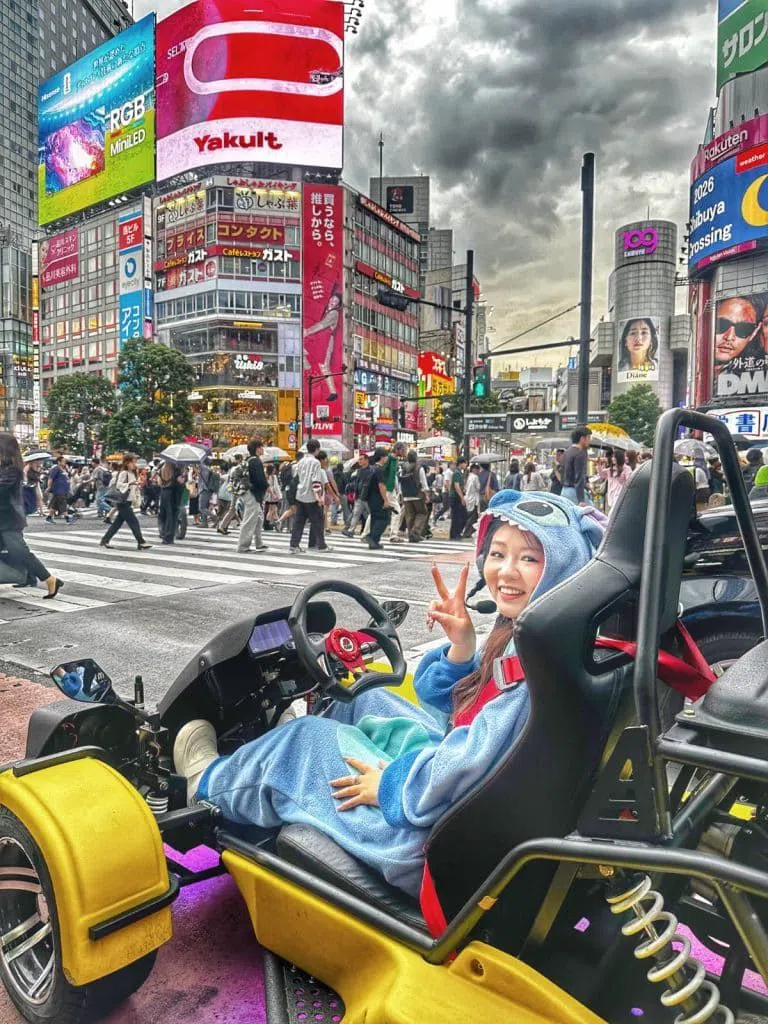
Street Kart is the one most UK readers have already seen on a friend's phone: costumed small-group convoys of go-karts weaving out of garages in Shibuya, Akihabara, Asakusa and down by Tokyo Bay. It's built for groups, it's genuinely photogenic, and at roughly £55–£90 a session it's the cheapest paid thrill here. But this is the point where I have to be blunt on your behalf: these karts run on live public roads among real traffic, and you must carry a Geneva-Convention International Driving Permit to take part — a UK licence alone will not get you into a kart, and staff will turn you away without the IDP. Treat it as fun, not as a fairground ride: you're driving a low, small vehicle in city traffic, so read the road, keep the convoy spacing the lead guide asks for, and don't let the costumes fool anyone into treating it casually. Sorted correctly, it's one of the best-value hours in the city.
After dark: bayside meets
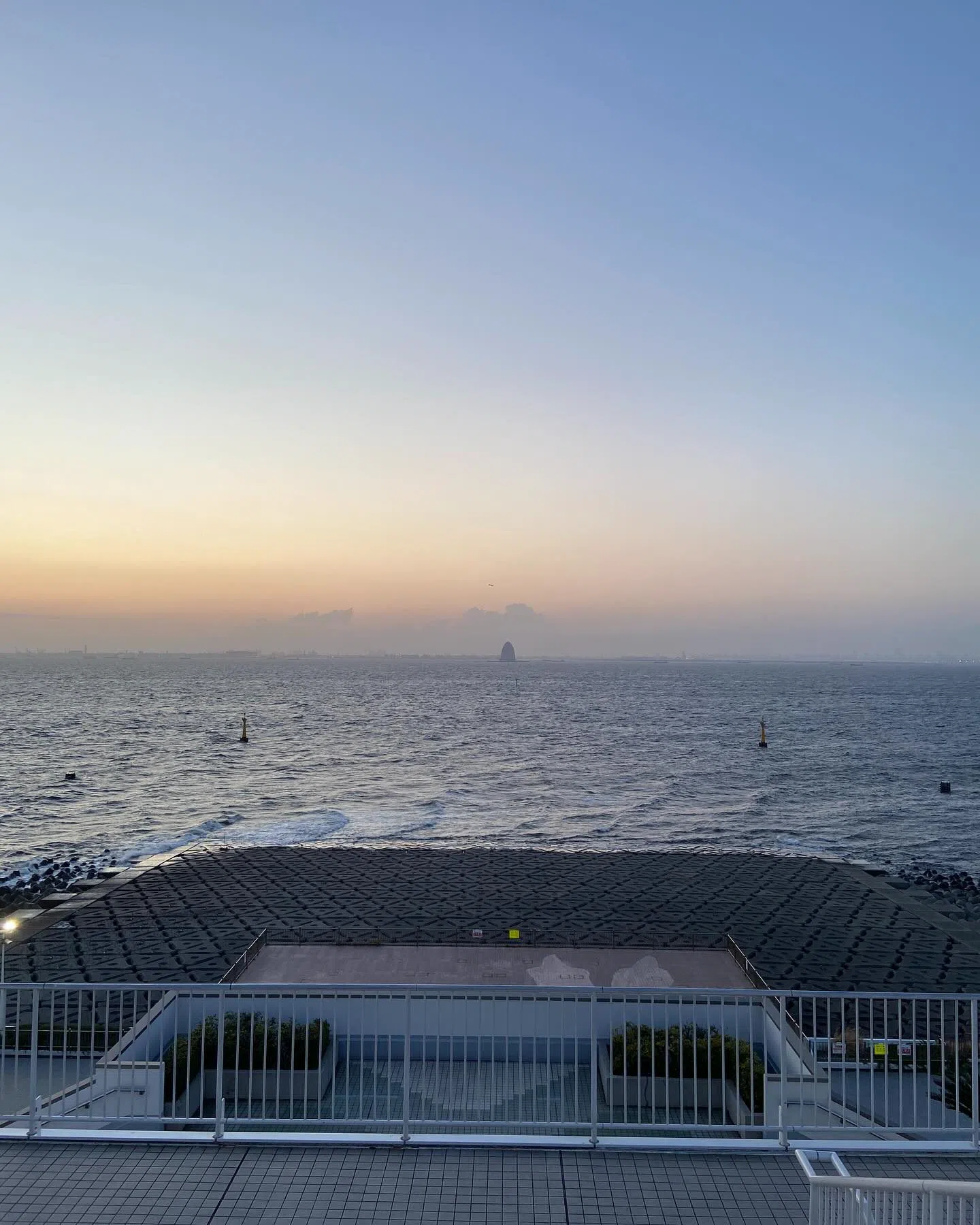
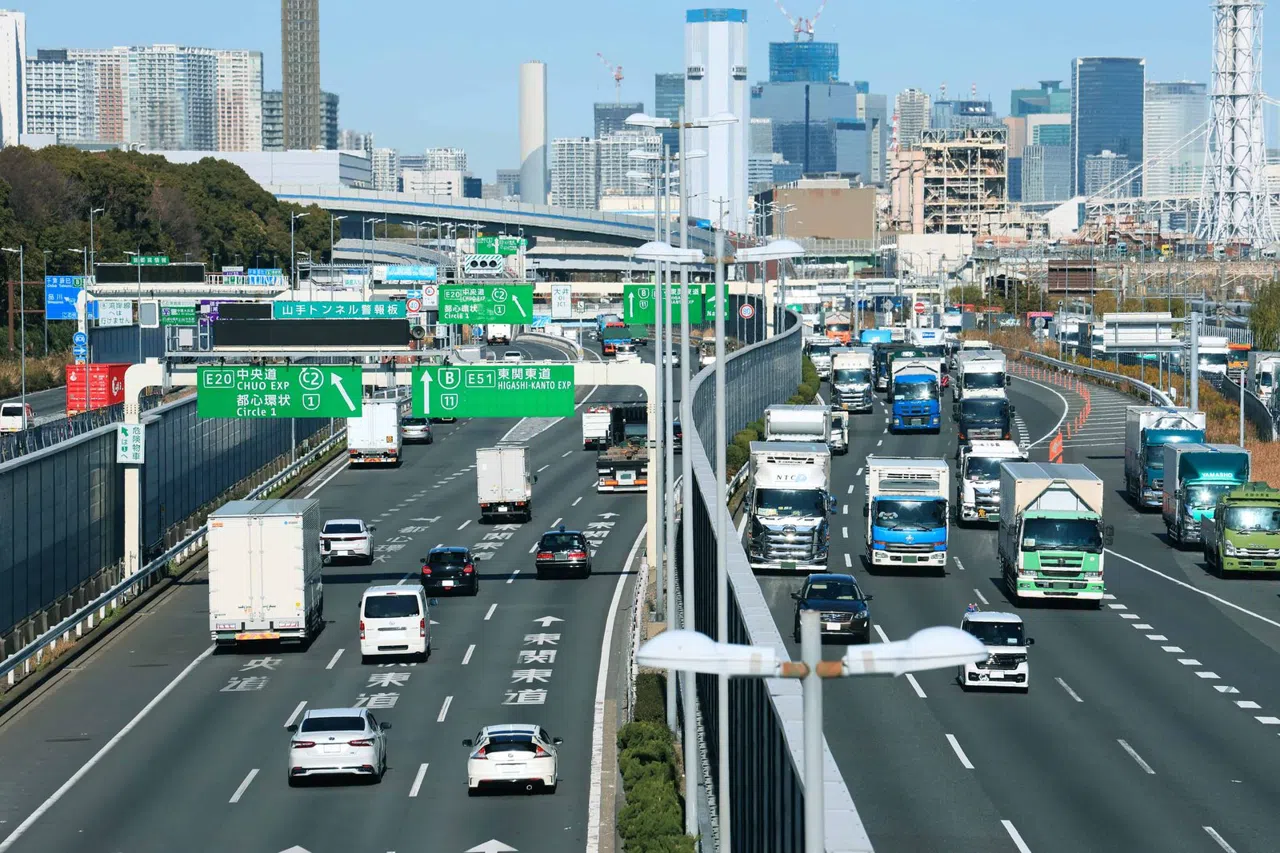
Umihotaru Parking Area sits mid-span on the Tokyo Bay Aqua-Line — a cinematic floating rest stop where late-night cruisers congregate and the view back across the water does a lot of the work. It's a public rest area, free to visit, and the informal weekend car gatherings here are the closest a visitor gets to the organic street scene. The honest warning is the important part: these meets are informal and inconsistent. There is no schedule, no guarantee, and some nights you'll find little more than the regular rest-stop traffic. Don't build an evening around it as a sure thing. It's also awkward to reach without wheels — it sits out on the Aqua-Line (toll roughly £4–£16 depending on your run), so it's best folded into a drive you're already doing. The neat trick is to pair it with the Samurai Car night convoy, which already heads to Daikoku on the bay, so you see the after-dark scene with someone who knows whether anything's actually happening that night.
Which option suits whom
Couples and anyone wanting zero logistics: start with Nissan Crossing (free, central, no booking) and consider Niche Drive for a curated ride. Enthusiasts who came to drive: Fun2Drive for the Hakone touge, or Omoshiro if you want the car to yourself with no guide. Groups and stag-style bookings: Street Kart for daytime fun and Samurai Car for the night convoy, both of which scale to a crowd and both of which need the IDP. Anyone chasing the raw street scene: Umihotaru, but with expectations managed.
For where to base yourself around all this, the transit-connected wards near the Yamanote line keep both the Ginza showroom and the tour pickup points within easy reach — use the Tokyo hotel search to compare, and the wider Tokyo guide for fitting these tours around the rest of the trip.
Practical notes: paperwork, transport, cash, timing, budget
Paperwork first. If there's any chance you'll drive — Samurai Car self-drive, Fun2Drive, Omoshiro, or Street Kart — get your International Driving Permit from a UK Post Office before you fly. It's cheap and quick over the counter, but impossible to arrange once you've landed, and without it you're demoted to passenger or turned away. Bring your physical UK licence and passport alongside it.
Transport. The spectator stops are train-served: Nissan Crossing sits on top of Ginza Station (Ginza, Marunouchi and Hibiya lines). The driving venues meet at garages or depots, so confirm the pickup point when you book and factor a train ride to reach it. Umihotaru is effectively car-only — plan to be driving or on a tour to get there.
Cash. Japan is more card-friendly than it was, but carry yen for tolls, smaller cafés and anything unexpected, and load an IC card (Suica or Pasmo) for the trains between stops. Aqua-Line tolls and rental deposits are the cash pinch points.
Timing. Weekend slots for the popular tours — especially Samurai Car — book two to three weeks ahead, so reserve before you travel rather than on arrival. Night drives obviously run late; leave the following morning loose. The free showroom is the only genuinely spontaneous option here.
Budget. As a rough per-head steer for 2026: Nissan Crossing is free; Street Kart runs about £55–£90; ride-alongs and shorter drives sit around £160; Fun2Drive tops out near £500 for a full-length tour; and Niche Drive's per-car premium can reach £1,600 plus tax before you split it across seats. Build in the Aqua-Line toll and rental mileage caps, and you'll have a car-culture day — or a proper enthusiast's driving day — that delivers on the fantasy without the nasty surprises.
Before you go
Do I need an International Driving Permit to drive on these Tokyo tours?
Yes. For any self-drive option — Samurai Car's R34 night drive, Fun2Drive's Hakone touge tour, Omoshiro's rentals and Street Kart — you must carry a Geneva-Convention International Driving Permit. A UK photocard licence alone is not accepted, and you cannot obtain the IDP after arriving; get it from a UK Post Office before you fly, and bring your UK licence and passport too.
Which Tokyo car experiences don't require me to drive?
Niche Drive Tokyo is a passenger experience where an owner-driver does the work, and Nissan Crossing in Ginza is a free walk-in showroom with a GT-R, a Formula E racer and a VR sim. Samurai Car also offers ride-along seats if you'd rather not drive. None of these three need an IDP.
How far in advance should I book?
Popular weekend slots — Samurai Car's night convoy especially — book out two to three weeks ahead, so reserve before you travel. Nissan Crossing is the only genuinely spontaneous option: free, no booking, walk straight in.
Are these tours suitable for groups or better for couples?
Street Kart and Samurai Car are built for groups and convoys; Nissan Crossing comfortably absorbs a crowd for free. Niche Drive suits couples or small groups since the car you choose sets the seat count. Omoshiro suits confident independent drivers, as groups can rent several cars to run their own convoy.
Can I reliably see a late-night car meet at Umihotaru?
Not reliably. Umihotaru is a free public rest stop on the Tokyo Bay Aqua-Line where cruisers gather informally at weekends, but the meets are inconsistent with no set schedule. Don't build an evening around it; pair it with a night drive such as Samurai Car's Daikoku run instead.