The Tokyo issue
Seven Tokyo Day Trips That Earn a Day of a First Visit
Which trains out of Tokyo repay a whole day, which ones need only a morning, and the opening times, cash rules and ropeway closures that decide whether the day works.
By Lukas BrandtTokyo on foot, timed to the temple gates
Tokyo rewards staying put, and most first itineraries are already overbooked. But the lines out of the city reach a mountain shrine complex, a volcanic valley venting sulphur, and a bronze Buddha that has sat in open air since a tsunami took its hall in 1498, none of it more than two hours from a station you are already using. Which day trips are good is the easy question. The harder one is how many days you can give up, and which ones pay back a whole one.
What a day trip actually costs you
A destination earns a full day when the travel is under two hours each way and there are at least two things worth stopping for at the far end. That test puts Nikko, the Fuji lakes and Hakone in the full-day column. Leave by 08:00, back around 19:00, and write off the evening as well, because you will not want dinner reservations after eleven hours on your feet. Yokohama, Kawagoe and Mount Takao are half-days, out and back with a Tokyo evening still intact.
For a first visit of seven to ten nights, two day trips is a sensible ceiling and one is entirely defensible. Three means you have booked a rail holiday with a Tokyo hotel attached. If you take only one, take Nikko in clear weather and Kamakura in poor weather: the coast and the bamboo read fine under cloud, painted shrine carving does not. Plan the trips around the days you have already committed to something in the city, and keep the rest of the itinerary against the Tokyo guide.
Plan your Tokyo trip
Live prices from our booking partners.
Free cancellation on many rooms. We may earn a commission when you book.
Nikko rewards the first train and punishes the second
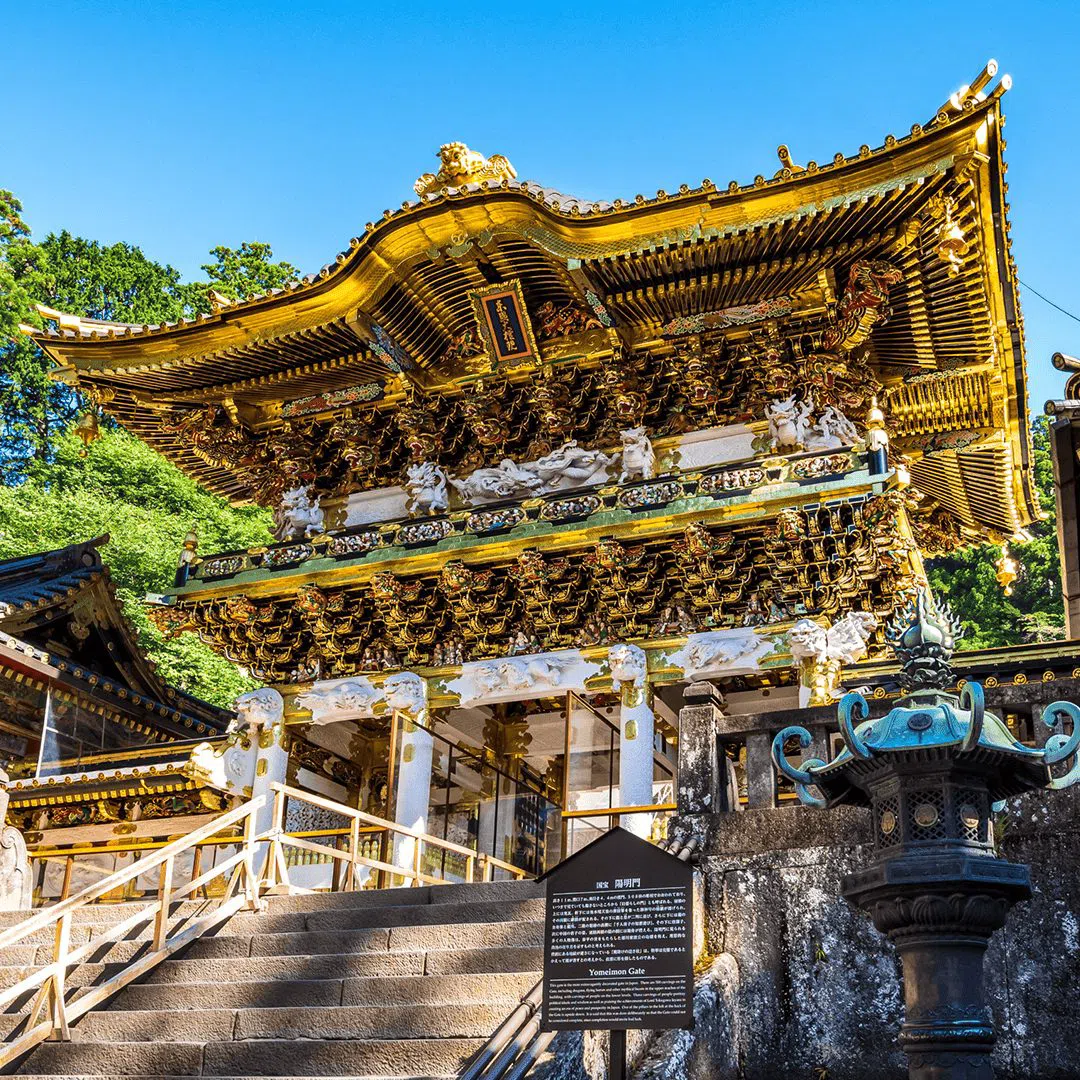
Nikko Toshogu Shrine (Sannai, at the top of the town's main slope) is 1h50m by Tobu limited express from Asakusa, and it is the most ornate building complex in Japan, which is not the same as the most beautiful. It is the most worked. Entry is ¥1,600 adult, ¥550 child, or ¥2,400 with the Treasure Museum. There is no booking and no timed entry; the site absorbs coach groups all day.
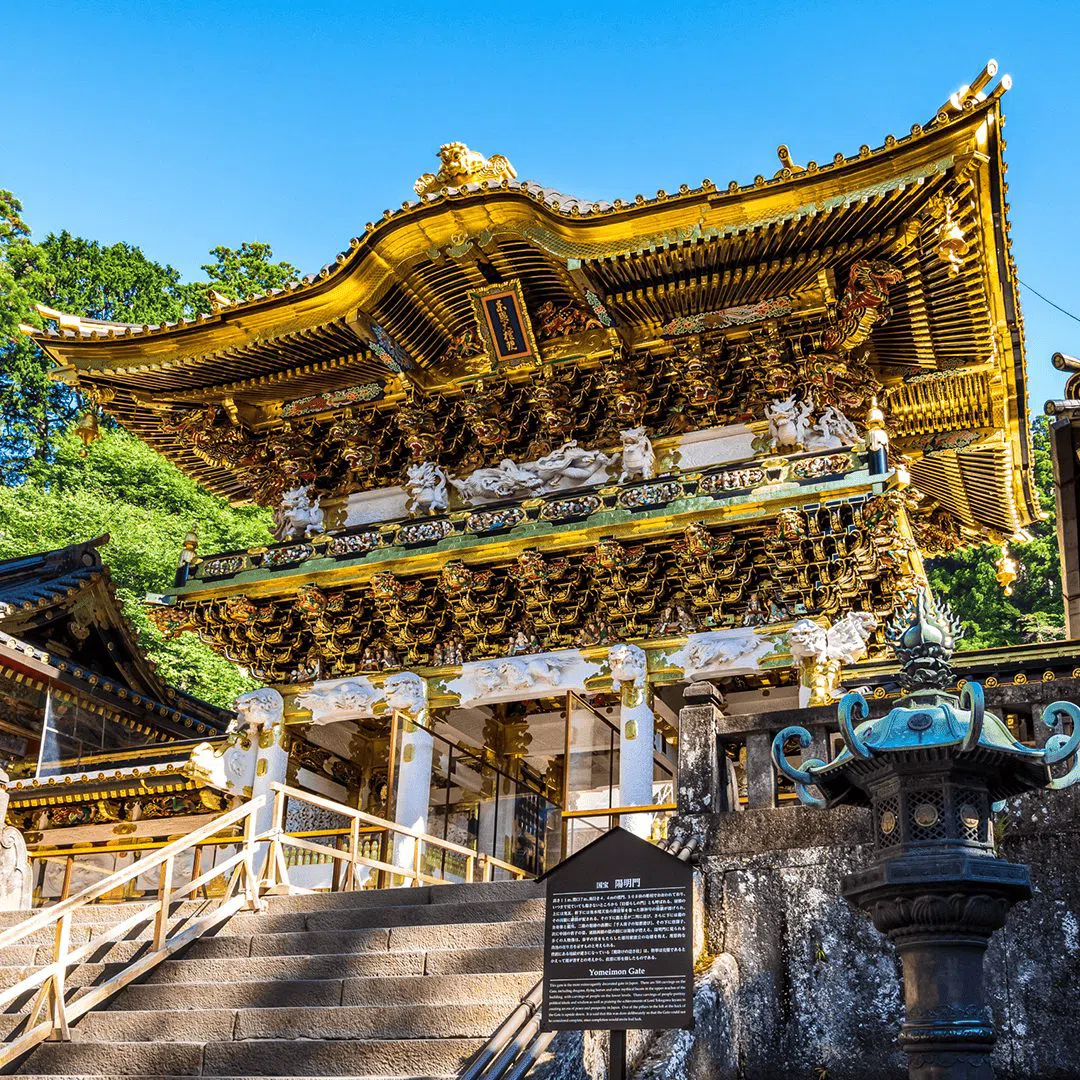
That is the problem. Tour buses from Tokyo arrive between 11:00 and 13:00 and jam the Yomeimon gate, which is the one thing everybody has come to stand in front of. Take the first limited express you can stand and be at the gate when it opens. Two hours' difference in departure is the whole difference in the day.
Since 31 March 2026 the on-site ticket machines take cash only, and if you bought an online voucher you must swap it for a pass at Tobu-Nikko Station before you walk up the hill. Discovering this at the shrine costs you the round trip back down.
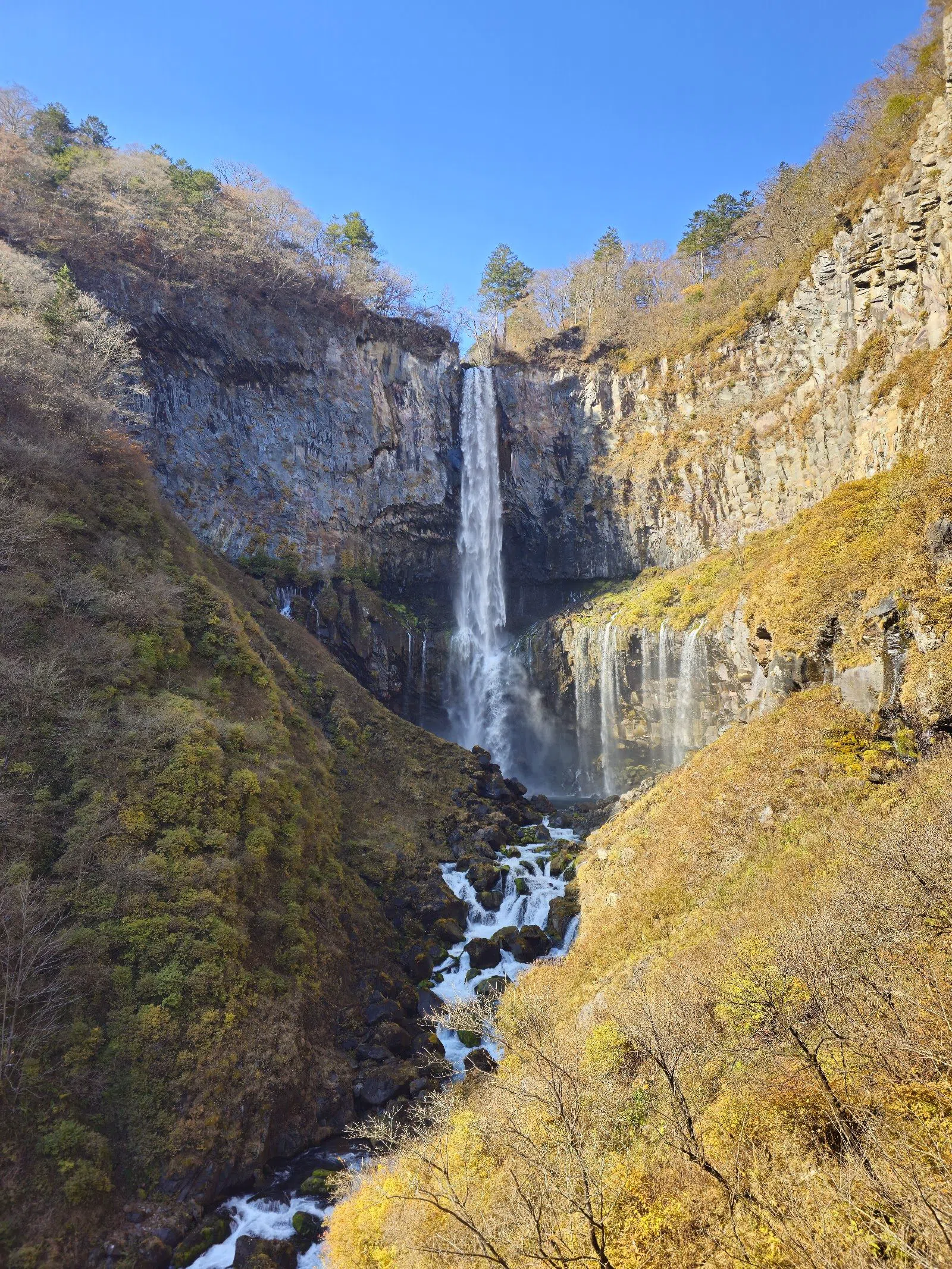
With the shrine done by late morning, take the bus up the Irohazaka switchbacks, around 45 minutes, to Kegon Falls (Chuzenji, at the lake outlet). The upper deck is free. The paid part is a 100-metre elevator bored through solid bedrock down to the base platform, ¥570 adult and ¥340 child, and the car takes 30 people at a time, so a group of any normal size clears in one or two loads with no reservation. From December to February the hours shorten to 09:00 to 16:30, which is the constraint on a winter Nikko day, not the trains.
The Fuji lakes work best before ten in the morning
Mount Fuji is out more often in the cold months than the warm ones, and more often before 10:00 than after. Build the day around that and it works; build it around lunch and you will photograph a grey wall. Kawaguchiko is roughly two hours from Shinjuku by limited express.
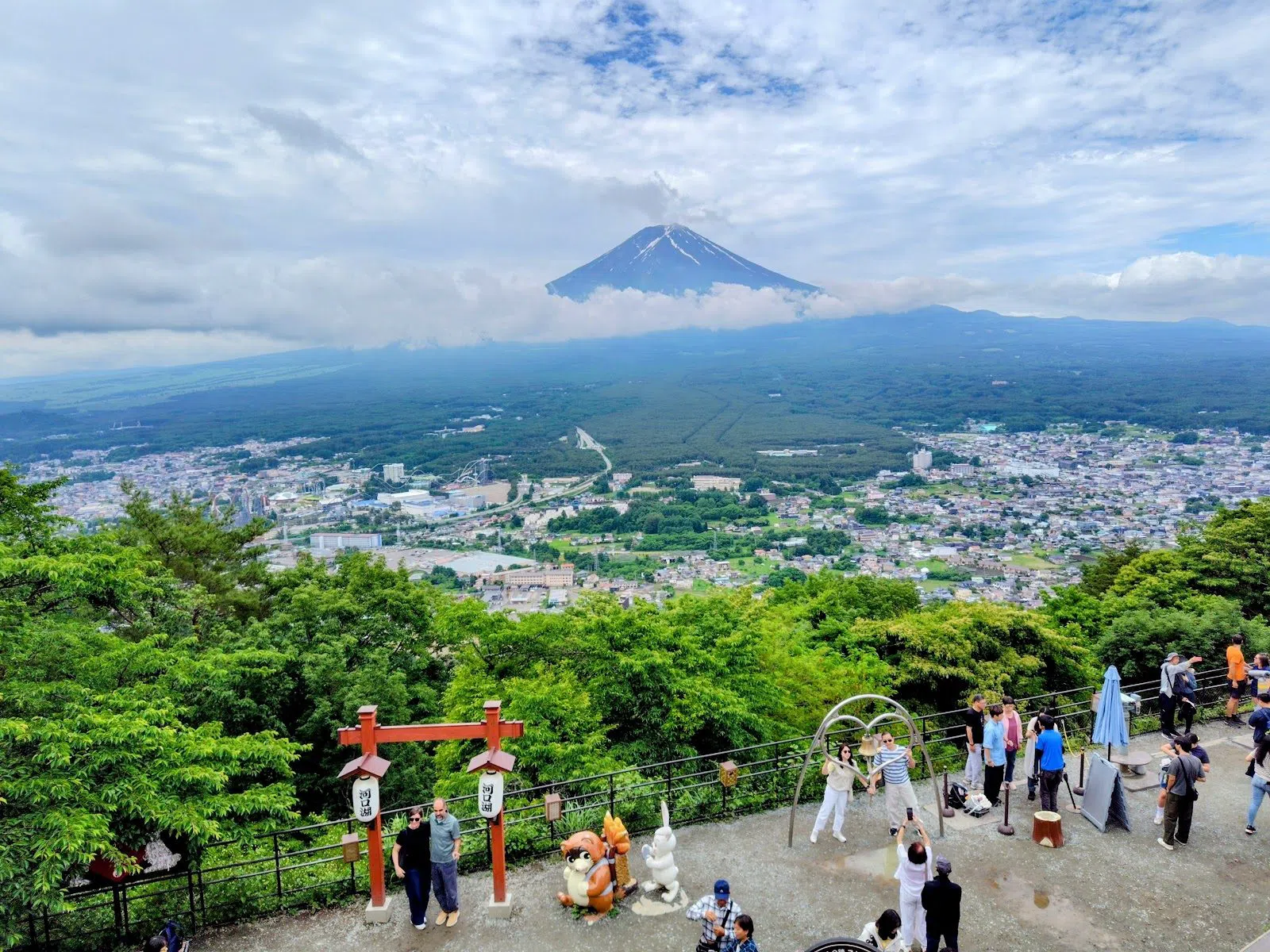
Mt. Fuji Panoramic Ropeway (east shore of Lake Kawaguchi, Fujikawaguchiko) is the cheapest way to get the postcard view without a hike: ¥1,000 round trip, ¥600 one way, ¥500 for a child return. Cabins run every few minutes and the queue turns over fast, so it is genuinely comfortable with a group, and advance tickets are sold online. Use the current name when you ask. This was the Kachi Kachi Yama Ropeway and older signage and blog posts still call it that. It suspends without notice in lightning or high wind, and closes for maintenance in mid-February.
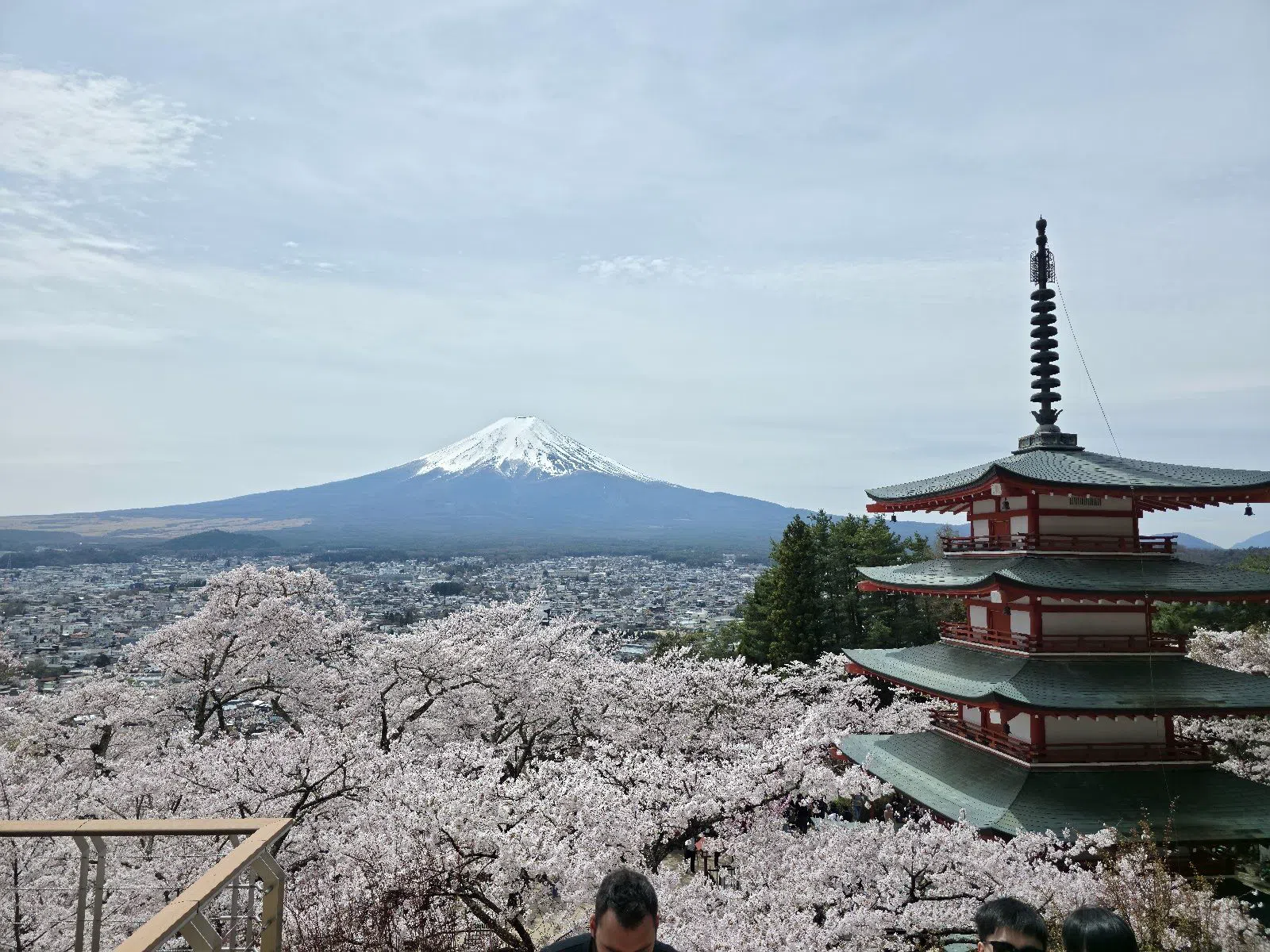
Arakurayama Sengen Park (Shimoyoshida, Fujiyoshida) is the pagoda-and-mountain view, and it costs nothing: open 24 hours, no gate, 398 steps up from Shimoyoshida Station. The catch is the platform itself, which is small. A couple is fine. A group of ten standing on it is the reason residents have had enough, so send people up in waves and take turns. Fujiyoshida cancelled the 2026 cherry festival outright over overtourism pressure, and traffic controls run roughly 1 to 19 April, so blossom season is the worst window to come rather than the best.
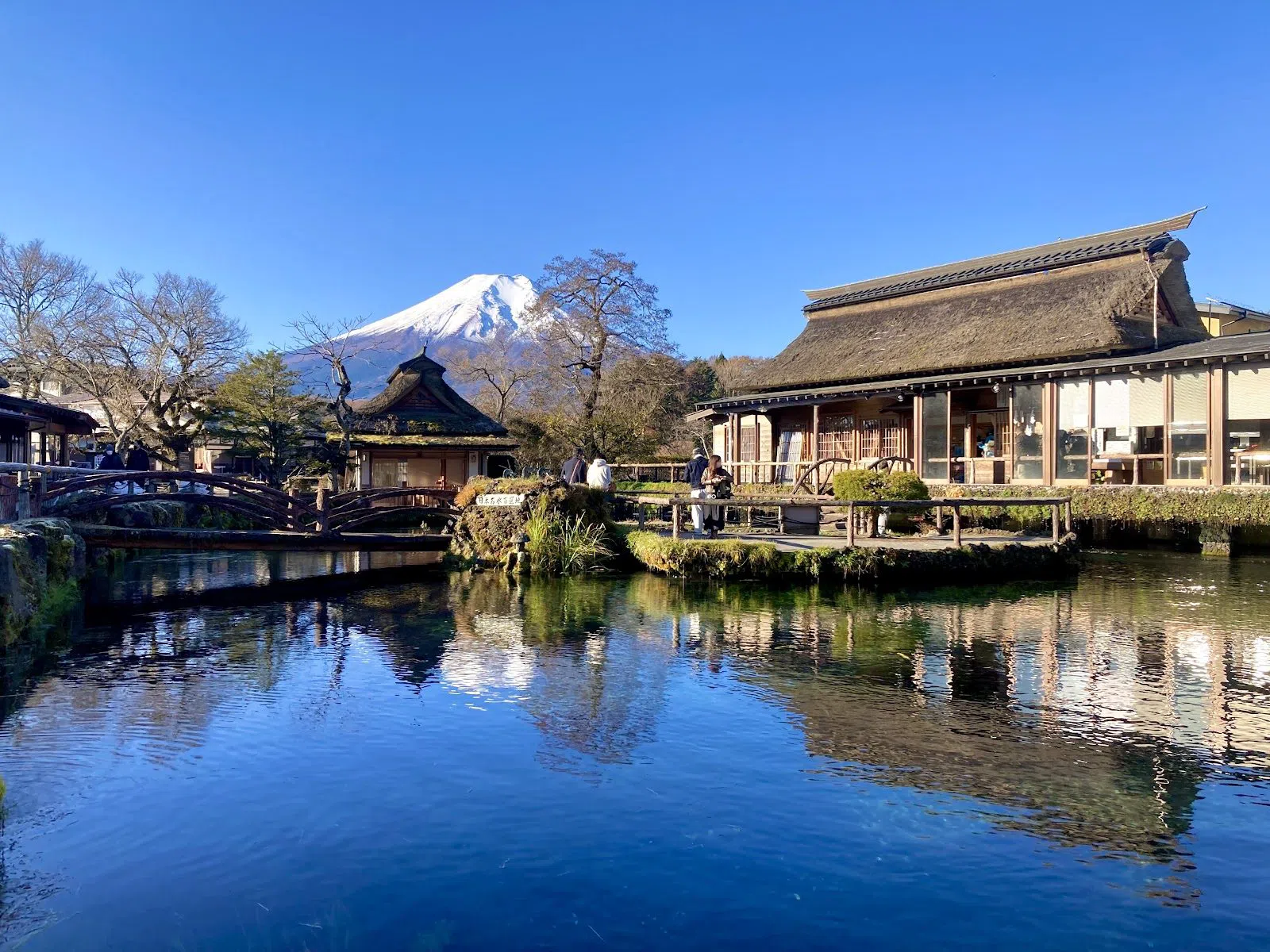
Pair either with Oshino Hakkai (Oshino, between the lakes), a village of spring pools fed by snowmelt that has filtered through lava beds for decades before surfacing at the mountain's foot. The lanes are open air and free to walk, they take any group size, and only Sokonashi-ike charges; the Hannoki Bayashi Shiryokan open-air museum is ¥300. Coach parking is the real constraint here, not capacity. Most of the site is open around the clock, so it is the natural early or late end of the day.
Yokohama gives you an afternoon and your evening back
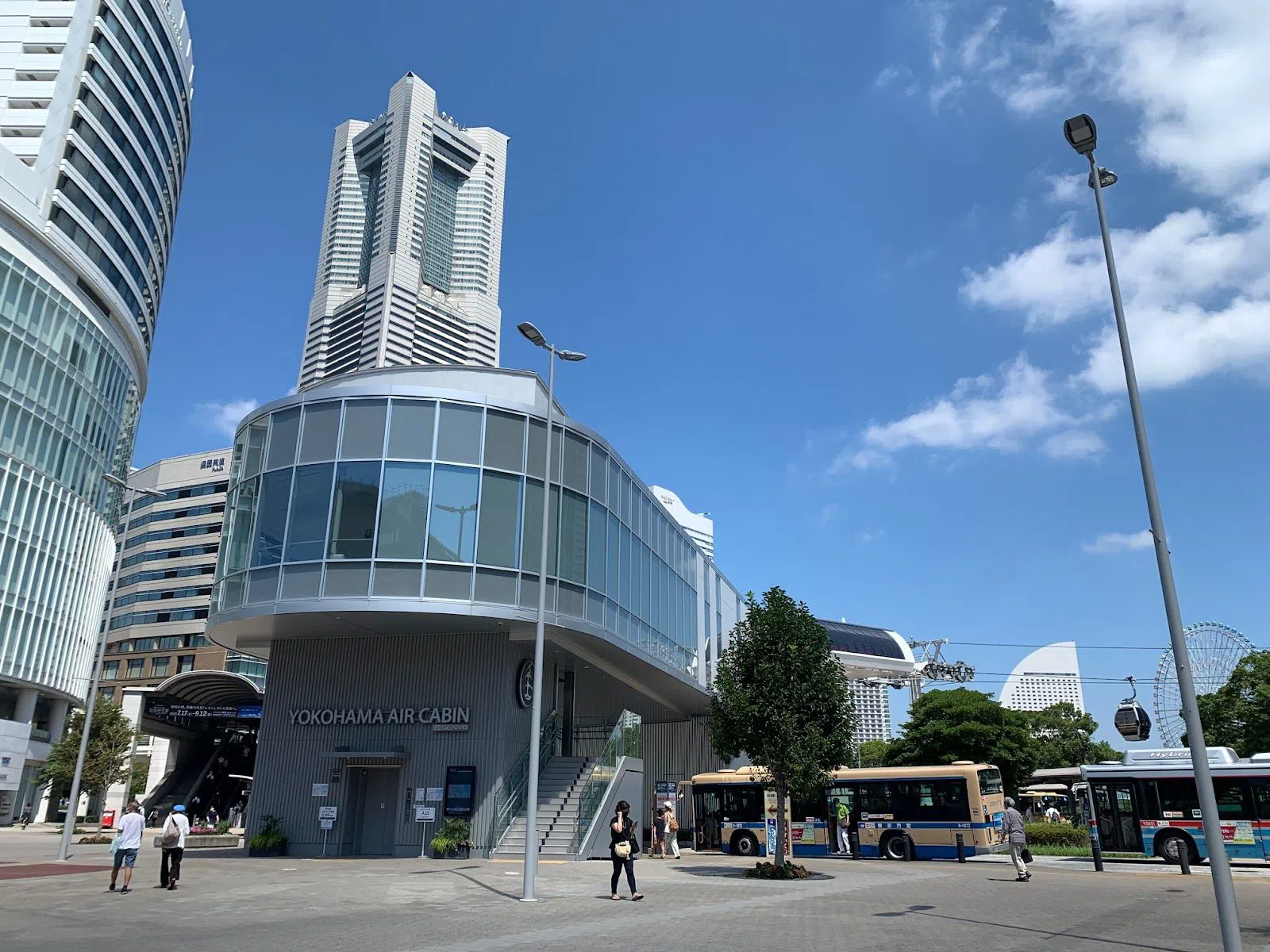
About half an hour from Shibuya on the Tokyu Toyoko line, Yokohama is the day trip that does not cost you a day. Yokohama Air Cabin (Sakuragicho) runs 630 metres from outside Sakuragicho Station to Unga Park: eight people per cabin, 36 cabins in continuous rotation, a five-minute ride, ¥1,000 adult one way and ¥500 for a child. There is no wait management to do, which makes it the easiest group activity on this list, and it runs until 22:00, so it also works as the bookend at the end of the day rather than the start.
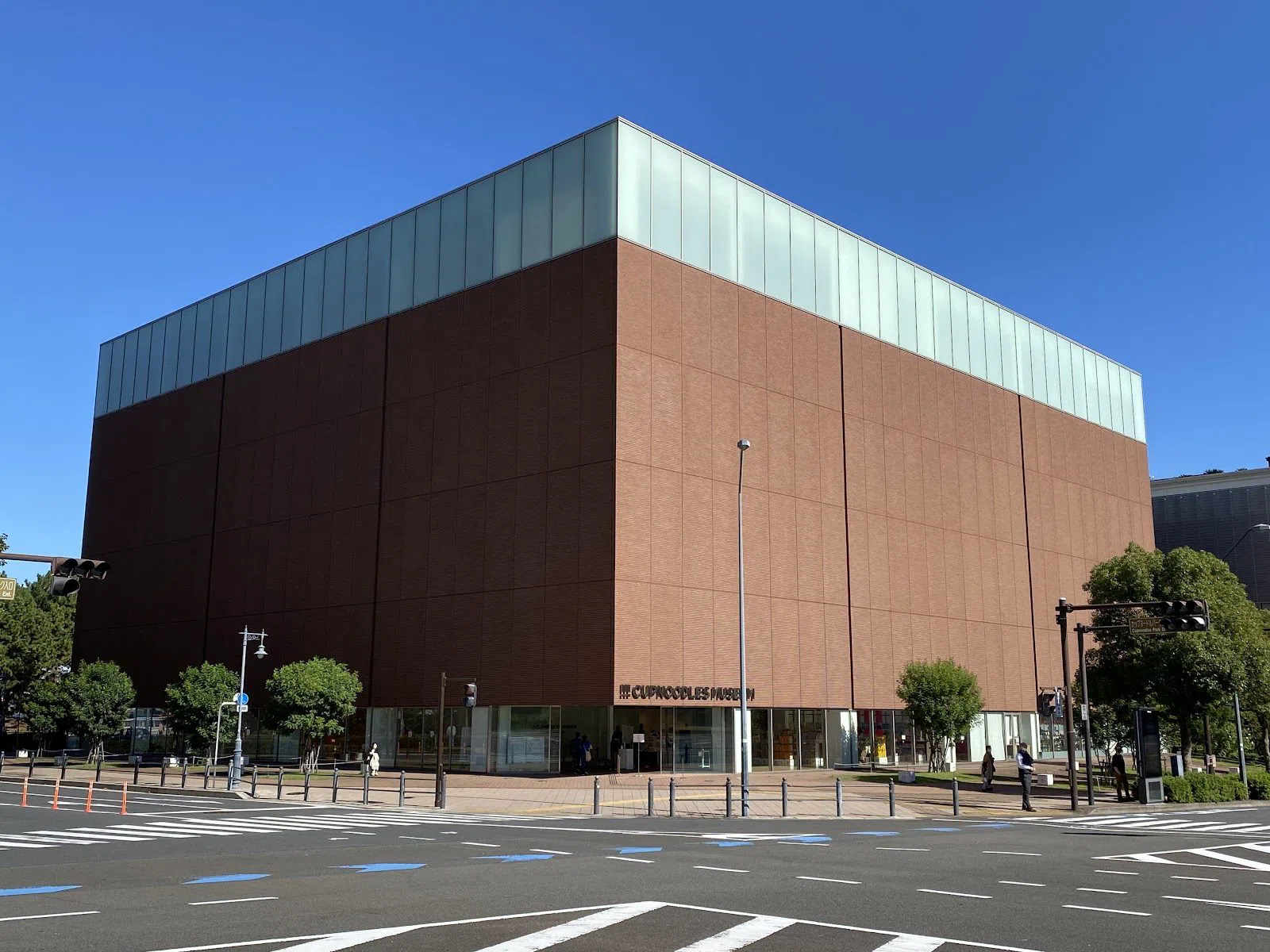
CUPNOODLES MUSEUM YOKOHAMA (Minato Mirai) is the stop that gives people something to do rather than something to look at: you design and seal your own cup. Entry is ¥500 and free for high-school age and under, with ¥500 per cup in the workshop. The My CUPNOODLES Factory runs on same-day numbered tickets that sell out early on school-group days, so book the museum but arrive at opening for the factory. It closes on Tuesdays (or the Wednesday after a holiday Tuesday) and over New Year.
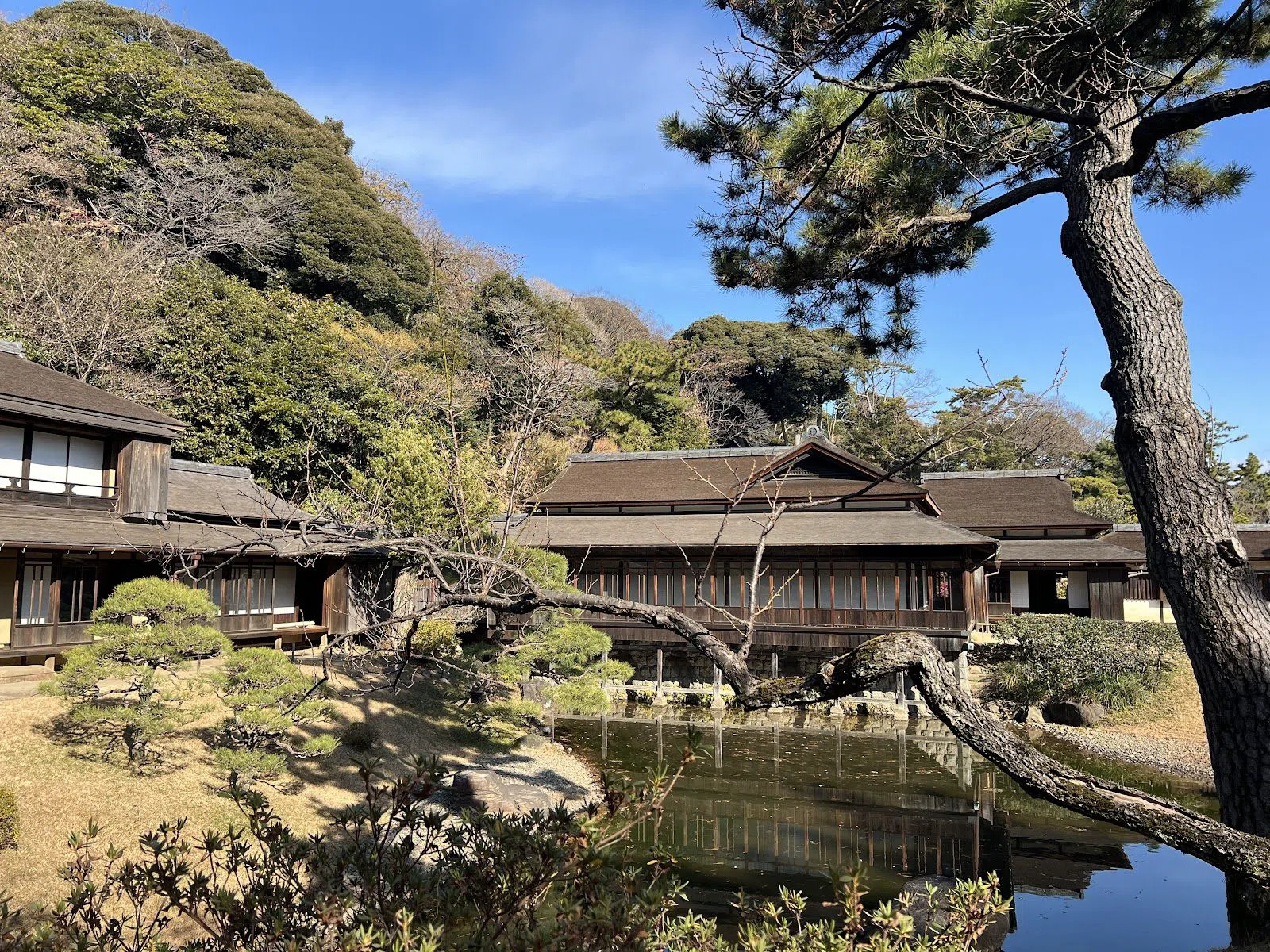
Sankeien Garden (Honmoku) is what turns the harbour into a real half-day. A silk merchant collected historic buildings from around the country and had them moved here piece by piece, and the grounds are large enough that no group feels crowded; paths are wide and there is no timed entry. Adult entry is ¥900, ¥700 over 65, ¥200 child. The special interior openings are reservation-only. The Yanohara gassho-zukuri house is currently closed, and the old Tomyoji pagoda goes under restoration from April 2027. It is a bus ride out of the harbour district, not a walk, so allow the transfer.
Kamakura runs on the Enoden and closes early
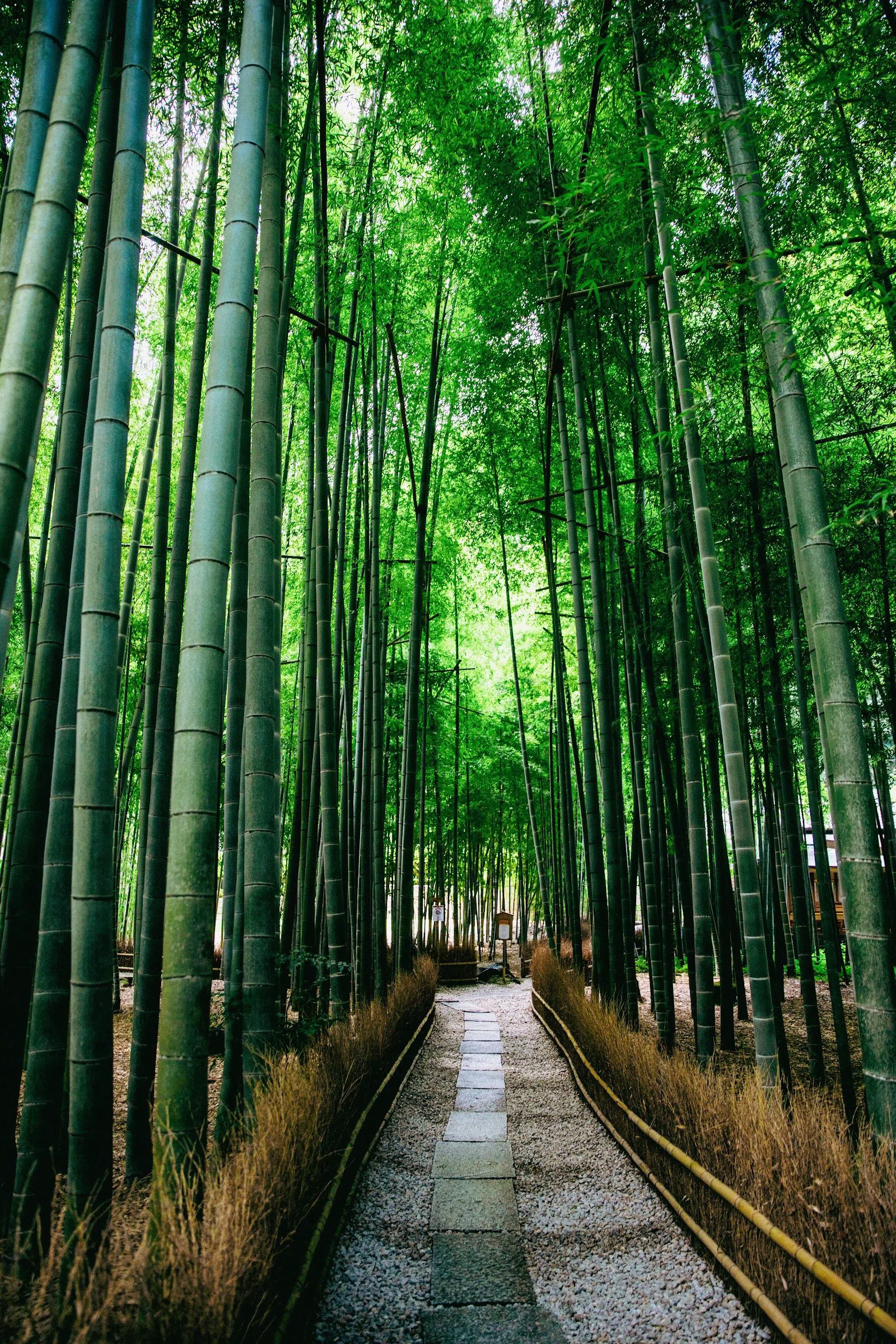
Roughly an hour from Tokyo Station on the Yokosuka line, and the single best bad-weather option here. Start inland. Hokokuji (Jomyoji, twelve minutes by bus east of Kamakura Station) is a small temple with a bamboo grove and a tea house looking into it, ¥400 adult and ¥200 child, with a matcha set for ¥600 more. It opens 09:00 and closes 16:00, and matcha orders stop around 15:30, so go before lunch or you get the bamboo without the tea. It is cash only, there is no online booking, and tea service is simply cancelled when the place gets busy. A dozen people is fine. A coach party is not.
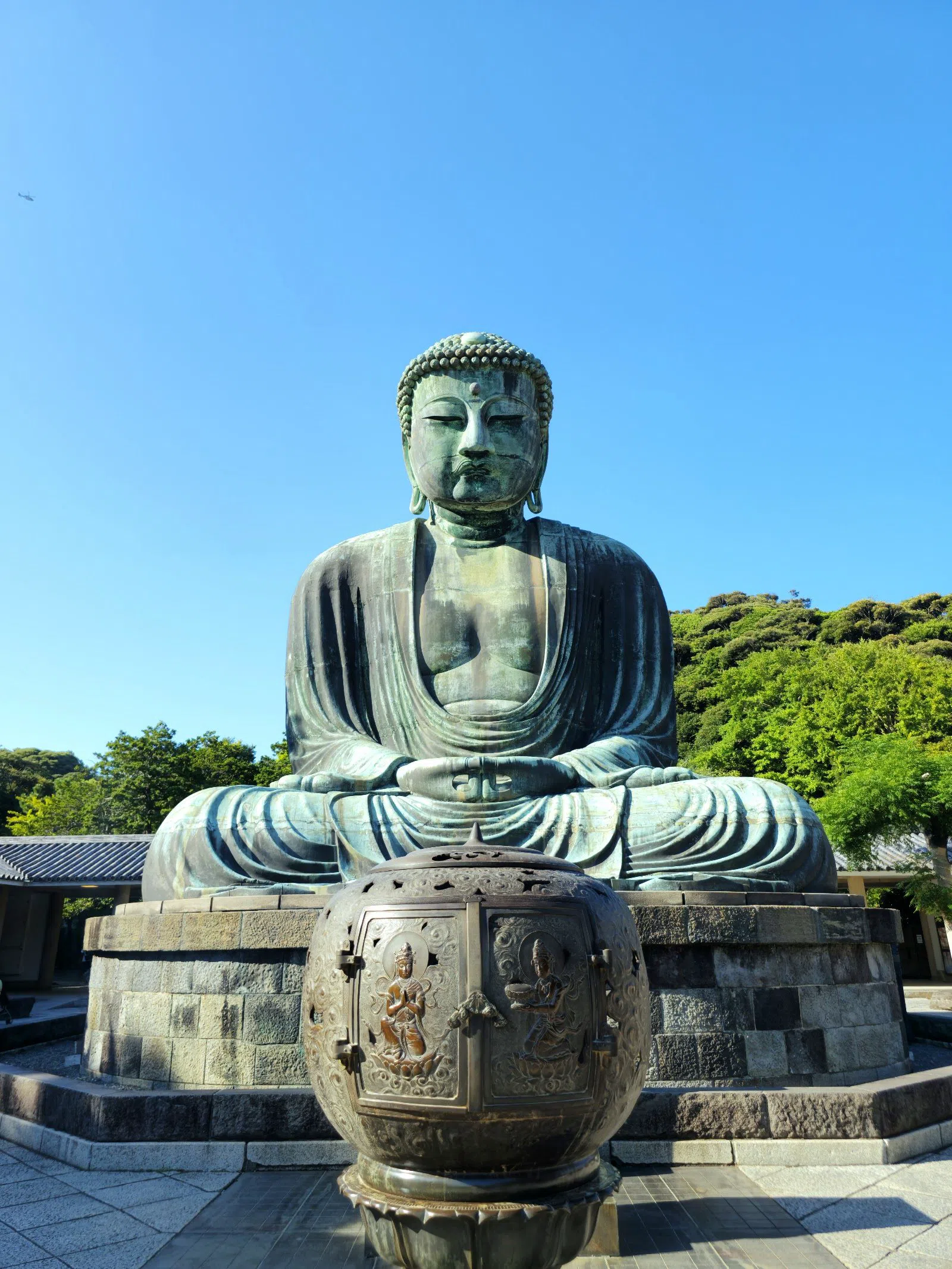
Kotoku-in (Hase, ten minutes on the Enoden from Kamakura) holds the Great Buddha, cast in 1252 and sitting outdoors since 1498, when a tsunami took the hall that covered it. Entry is ¥300 adult and ¥150 child, and for ¥50 more you step inside the hollow bronze, which is the detail most visitors walk past. The forecourt is generous and handles groups without queue management, though food and drink on the grounds are restricted. Closing is 17:30 from April to September and 17:00 from October to March, with the interior shutting at 16:30.
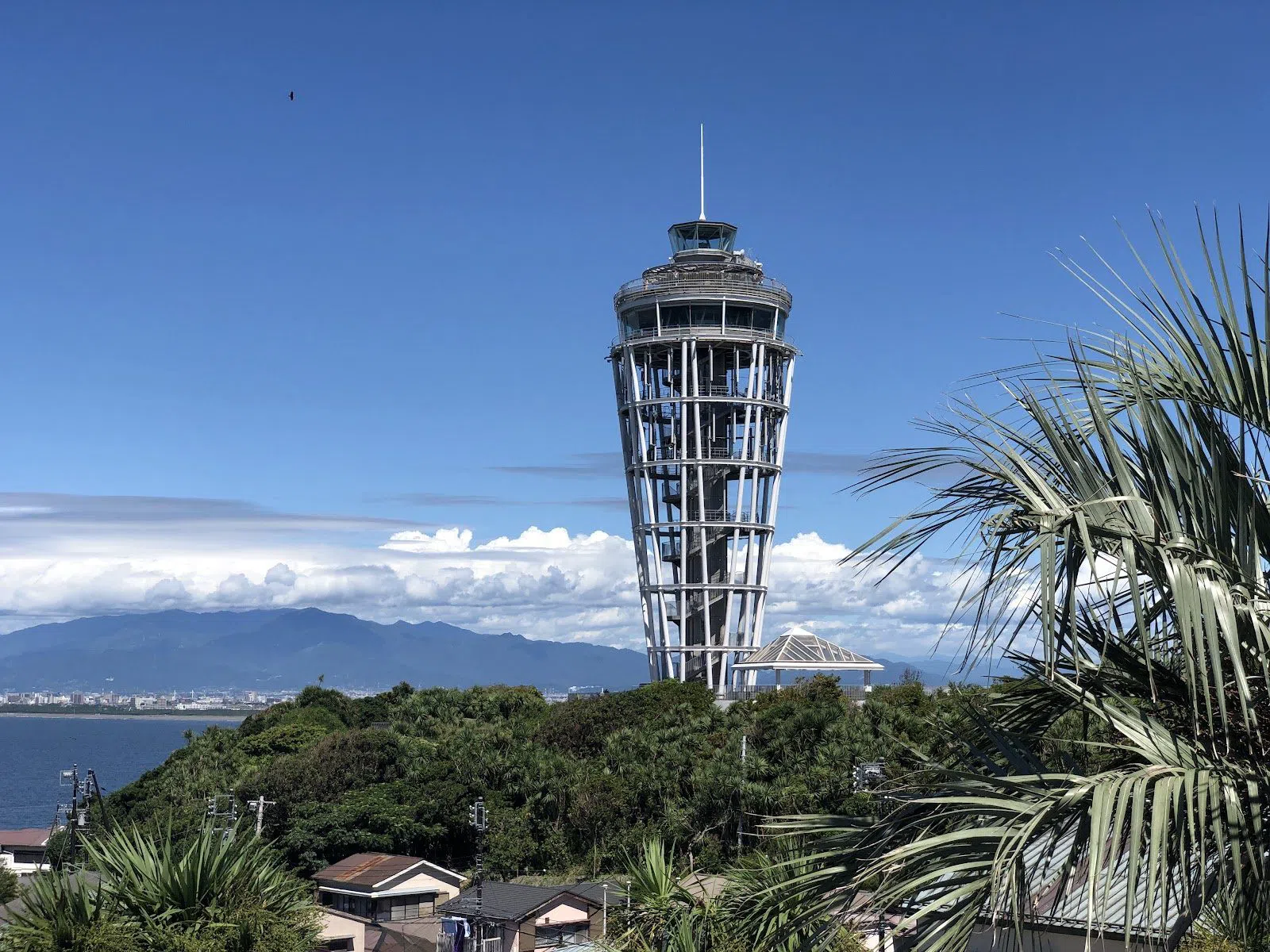
Finish on the coast. Ride the Enoden the rest of the way and cross the causeway bridge on foot from Katase-Enoshima to Enoshima Sea Candle (Enoshima island), the observation tower inside the Samuel Cocking Garden, around ¥500 for the garden and roughly ¥1,000 combined with the tower. At 59.8 metres it is Japan's largest privately owned lighthouse, and the timing to aim for is sunset. The Sunset Terrace has been shut for full renovation since June 2026, so the top deck is the view, not the terrace.
Hakone is the one to check the weather for
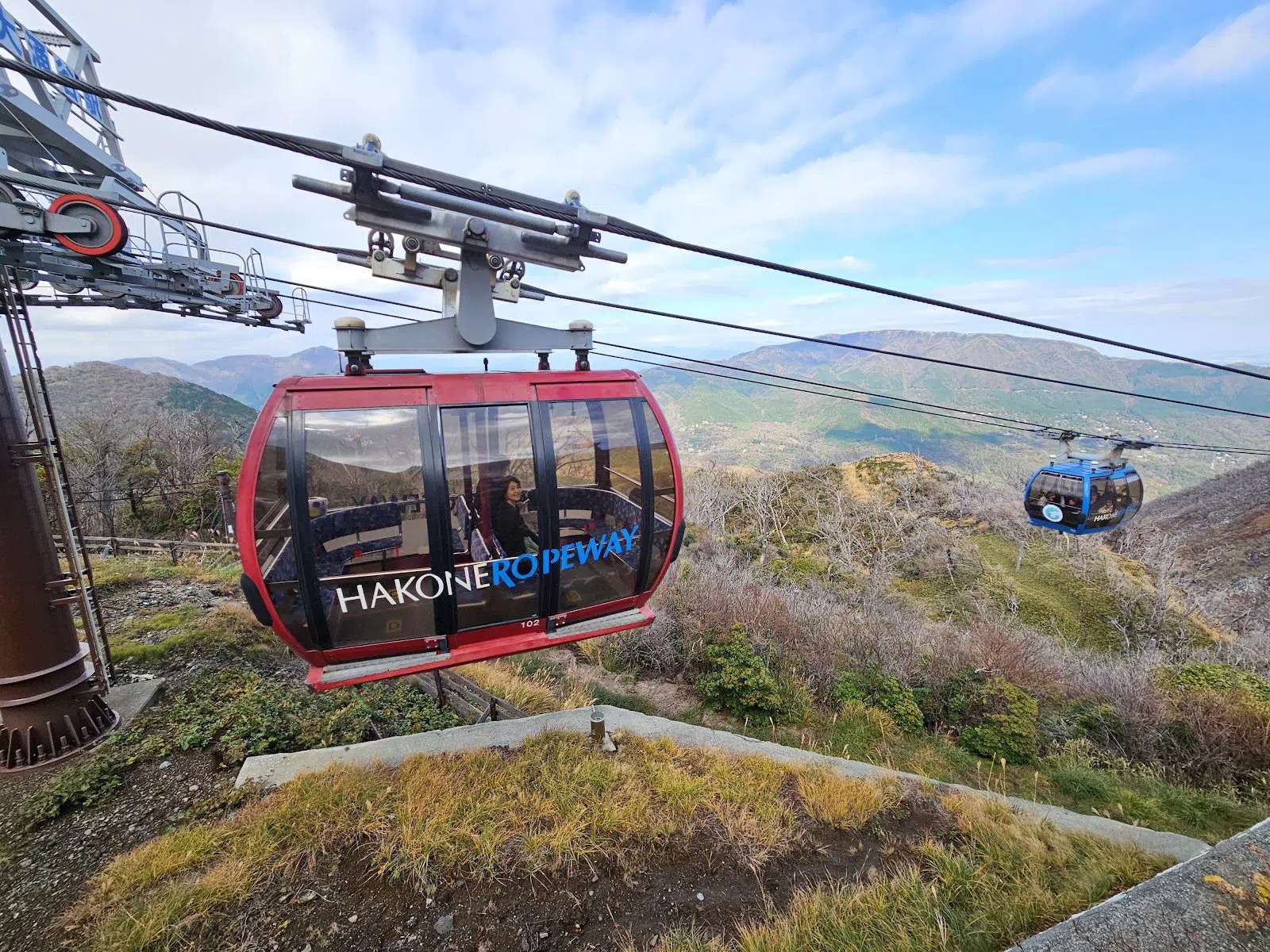
Around an hour and a half from Shinjuku on the Odakyu line to Hakone-Yumoto, then the loop. Hakone Ropeway (Owakudani, above Gora) is the leg that makes the loop worth doing rather than an onsen town visit with extra steps. It crosses a live volcanic valley, and the black sulphur-boiled eggs are sold at the top, five for about ¥500, with the shop closing at 16:15. It is ¥2,000 adult one way and ¥3,000 round trip, ¥700 and ¥1,000 for a child, and the Hakone Freepass covers it. Capacity is high and departures are continuous, so it is the strongest group option in the area.
It also suspends at short notice for wind, heavy rain or volcanic gas. Check the live status the morning you travel, before you buy anything, and know that a substitute Tozan bus runs the same section when it is down. The Owakudani nature trail itself is escorted and reserved only, so you cannot simply walk onto it.
The Hakone Open-Air Museum (Ninotaira, one stop from Gora) is the fallback that is good enough to be the plan. Sculpture set against real mountains, plus a Picasso collection of 319 works including 188 ceramics bought from the artist's daughter. Entry is ¥2,000 at the gate but ¥1,800 online, ¥1,600 student and ¥800 school-age, and up to five children go free per paying adult on Saturdays. There is a dedicated group admission channel. It opens 09:00 to 17:00 every day of the year including New Year, which almost nothing else here does. The Woods of Net climbing structure shuts in rain or wind, which matters if children are the reason you came.
Kawagoe fits in the gap between two Tokyo days
Thirty minutes from Ikebukuro, and most visitors give it an hour on the warehouse street and leave. Kita-in (Kosenba-machi, south of the old town) is the reason to give it longer: these are the only surviving rooms of the original Edo Castle, moved here in the 17th century after a fire destroyed the temple. The grounds are free and the inner halls and Rakan garden are ¥400 adult, ¥200 child. Opening is 09:00 to 16:30, closing at 16:00 from 24 November through February. The Rakan courtyard is compact, so a large group should split and go through in two parts rather than arrive as one.
Mount Takao when the forecast kills the Fuji view
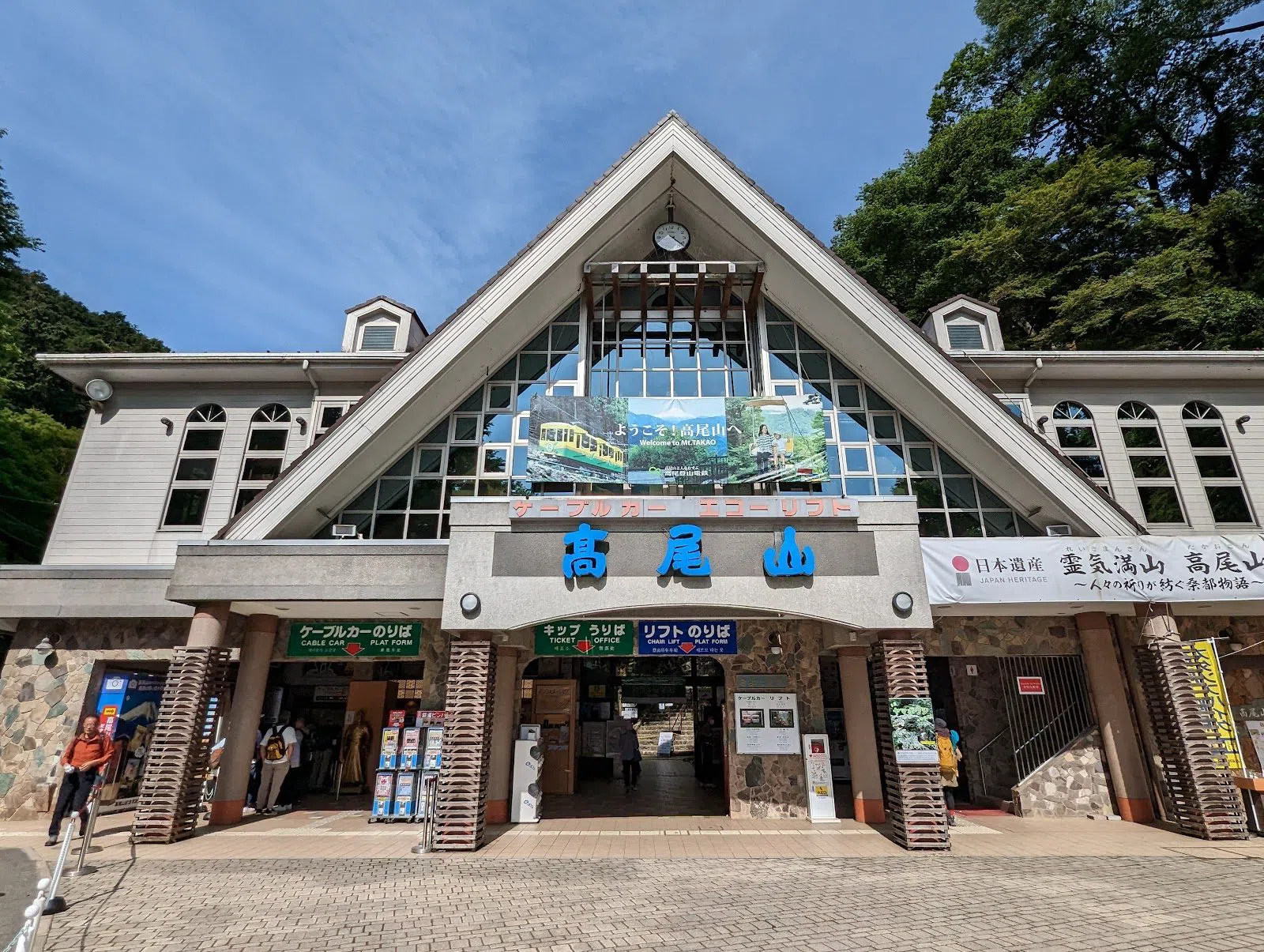
Under an hour from Shinjuku on the Keio line, still inside Tokyo, and it delivers a real mountain, a working temple and a beer garden at the top in half a day. Takao Tozan Railway (Kiyotaki, Hachioji) runs cars every 15 minutes, dropping to every 7 when busy, at ¥490 adult one way and ¥950 return, ¥250 and ¥470 for a child. Groups need no arrangement. The parallel chair lift costs the same and is the fallback if the funicular queue builds, though the lift suspends in typhoon conditions while the cable car usually keeps running. This is the insurance policy for the morning the mountain is invisible and the ropeways are shut.
Practical notes
An IC card covers the local legs everywhere on this list. Tobu and Odakyu limited express seats are reserved and worth booking a day ahead in autumn, and the Hakone Freepass pays for itself if you do the full loop. Nothing here needs a car.
The Toshogu ticket machines have been cash only since 31 March 2026, and Hokokuji takes cash only for both entry and tea. Carry ¥10,000 in small notes on any day trip and do not rely on a card at temple gates.
Every full-day trip is decided before 09:00. Check the Hakone Ropeway status the morning of; avoid Fujiyoshida entirely from 1 to 19 April; note that Kegon Falls shortens to 16:30 in winter, Hokokuji stops matcha at 15:30, and the Great Buddha's interior shuts at 16:30. The Cup Noodles museum is closed Tuesdays.
Entry costs per person, before rail: Nikko about ¥2,170, Hakone about ¥4,800 with the round-trip ropeway and an online museum ticket, Kamakura about ¥2,350 including tea and the tower, Yokohama about ¥2,900 for all three stops, the Fuji lakes about ¥1,300, Mount Takao ¥950, Kawagoe ¥400. Add rail on top and a full day out of Tokyo lands between ¥6,000 and ¥12,000 a head.
Stay within five minutes of a hub station (Asakusa for Nikko, Shinjuku for Fuji, Hakone and Takao, Tokyo Station for Kamakura) and every one of these mornings gets thirty minutes easier. Compare rates by station on Tokyo hotel search.
Before you go
How many day trips should I fit into a first visit to Tokyo?
Two is a sensible ceiling on a seven to ten night trip, and one is perfectly defensible. Nikko, the Fuji lakes and Hakone each take a whole day, evening included. Yokohama, Kawagoe and Mount Takao are half-days that leave your Tokyo evening intact.
Can I combine Mount Fuji and Nikko in one day?
No. They are in opposite directions, each roughly two hours from Tokyo one way. Doing both means four hours of travel between them on top of the two round trips, and no time left at either end.
What happens if the Hakone Ropeway is closed when I arrive?
It suspends at short notice for high wind, heavy rain or volcanic gas, so check the live status the morning you travel. A substitute Tozan bus covers the same section, and the Hakone Open-Air Museum opens 09:00 to 17:00 every day of the year, so the day is salvageable.
Do I need cash for these day trips?
Yes. Since 31 March 2026, the ticket machines at Nikko Toshogu Shrine take cash only, and Hokokuji in Kamakura is cash only for both entry and its matcha set. An IC card handles the trains, but carry around ¥10,000 in small notes for gates and tea houses.
When is the worst time to visit the Chureito Pagoda viewpoint?
Cherry blossom season. Fujiyoshida cancelled the 2026 festival outright after overtourism pressure on residents, and traffic controls run roughly 1 to 19 April. The viewing platform is small at any time of year, so go outside those dates and early in the morning.