The Tokyo issue
What Tokyo's Tuna Auction Actually Looks Like at 5 A.M.
Before dawn at Toyosu, a few hundred million yen of frozen tuna changes hands in seconds: here's how to watch it, who to eat with afterward, and where the doors actually open for groups.
By Emi Sato-DoyleOne dish, one counter, from Toyosu to the back streets
By five in the morning the covered floor at Toyosu smells of ice and diesel, and the only sound under the forklifts is short bursts of Japanese numbers called out too fast to catch. This is not a performance for tourists. It is a live wholesale market moving several hundred million yen of frozen tuna before most of Tokyo has had coffee, and the city lets you watch it happen for free from a glass walkway two storeys up.
Getting onto the auction floor itself
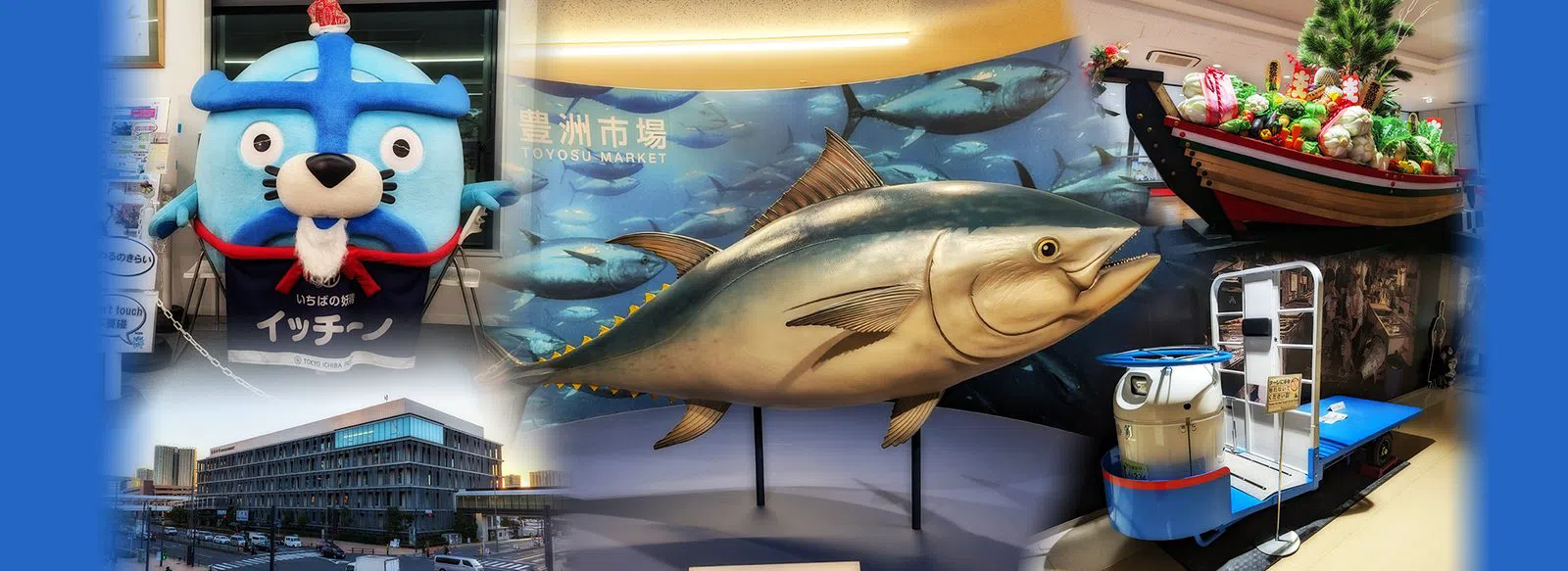
At 5am, most of what you'll see happens directly below you, not beside you. The Toyosu Market Tuna Auction Observation Deck (Toyosu) is the free upper Visitor's Walkway on the second floor, and it needs no booking: turn up with two people or twenty and walk straight in. From behind glass, you watch rows of frozen tuna laid out on the concrete like felled logs, buyers in rubber boots working down the lines with flashlights and hand hooks, and the auctioneer's chant collapsing into a blur of numbers and hand signals that decide, in a matter of seconds, who owns a fish worth more than a used car. The market is closed Sundays and most Wednesdays, plus public holidays, so check the calendar before you set an alarm. Arriving to a locked walkway at 5am is a specific kind of misery. Arrive by 5:30am if you want a clear sightline; later than that and you're watching over shoulders.
The closer view, the one that actually puts you at eye level with the bidding, is the Toyosu Market VIP Lottery Close-Up Viewing (Toyosu), a third-floor Block 7 tier capped at roughly 120 people a day and three people per application. It's free to enter if you win, but it is genuinely a lottery: apply online about a month ahead through the official lottery site, and go in knowing this isn't a viable group plan. It's built for individuals and pairs. If you're travelling as a family or a group of six, don't build the trip around winning this slot. Build it around the free walkway, and treat the lottery as a bonus long shot.
Plan your Tokyo trip
Live prices from our booking partners.
Free cancellation on many rooms. We may earn a commission when you book.
Letting someone else read the signals for you
The hand signals are the whole point of the 5am floor, and they are genuinely unreadable to an outsider: fingers flashed against a palm, numbers folded into gestures the buyers took years to learn. That's the argument for a guide. Magical Trip — Tuna Auction and Tokyo Toyosu Fish Market Tour (Toyosu) runs small groups with hotel pickup for around $121 per person, and, usefully, will help members apply for the VIP lottery slot rather than leaving you to navigate a Japanese-language form alone at 4am. It's the most straightforward option for anyone who wants the context without doing the homework.
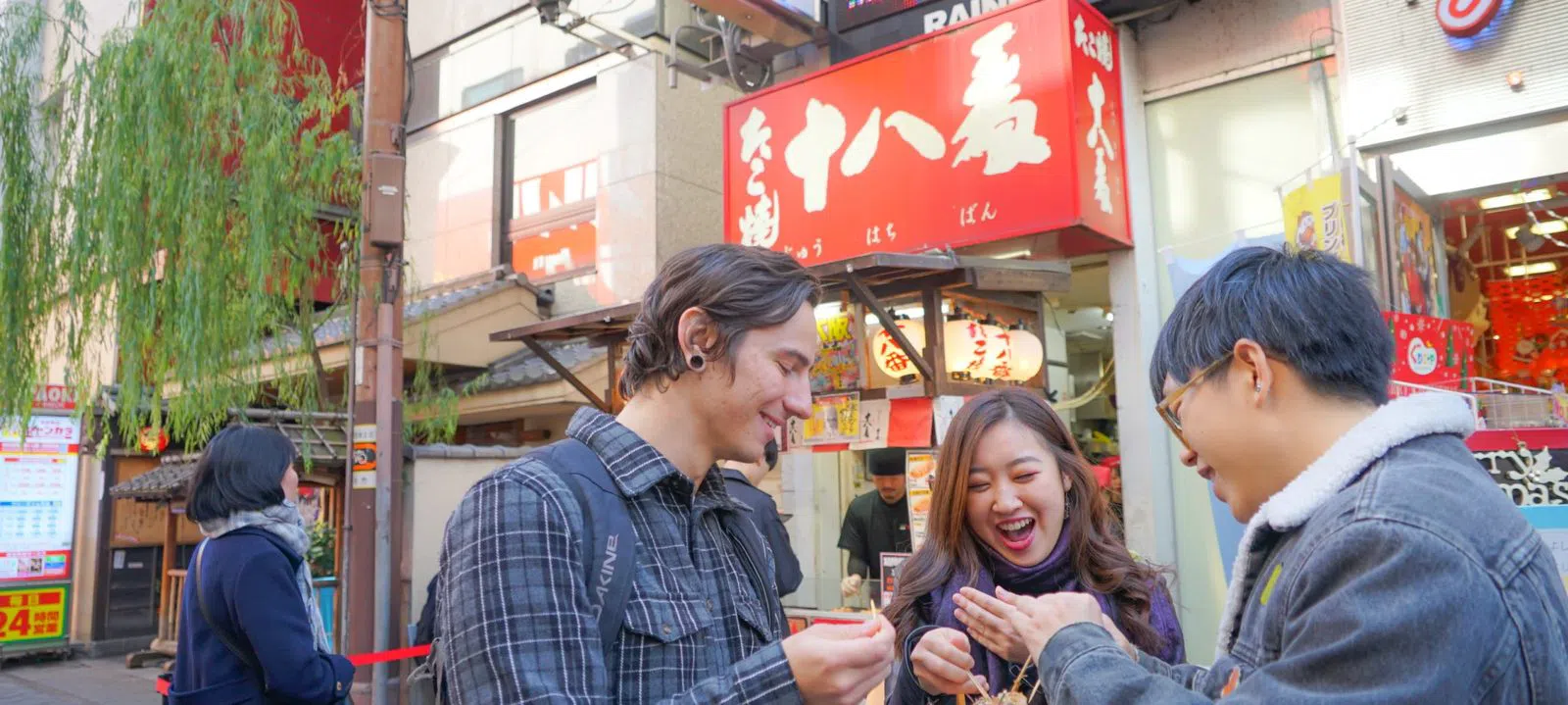
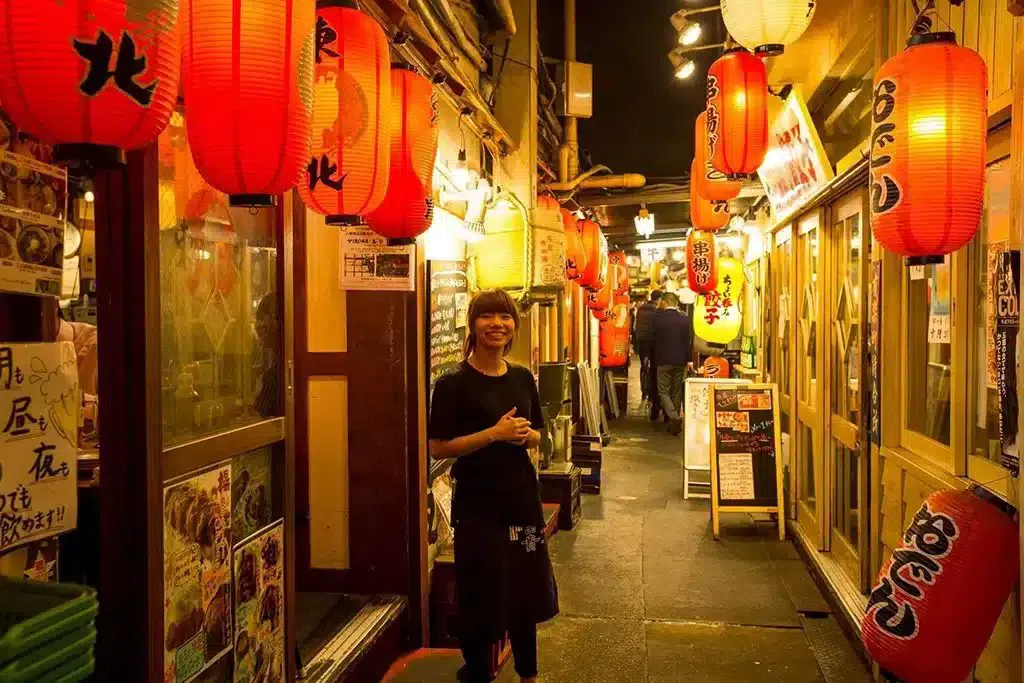
Arigato Travel — Tsukiji & Toyosu Tuna Auction Tour (Tsukiji and Toyosu) works at the other end of the format: private tours, priced accordingly, better suited to a couple or a small party who'd rather move at their own pace than keep time with a group. Arigato's guides have also been tracking the story of Tokyo's record-breaking New Year tuna sales, which gives the tour a live thread to pull on if you're visiting anywhere near January.
For a food-first read of the market rather than a straight auction explainer, Ninja Food Tours — Tsukiji Fish Market Food Tour (Tsukiji) runs small groups through what's edible rather than what's for sale wholesale, a useful pairing if you've already done the auction yourself and want the eating half guided instead.
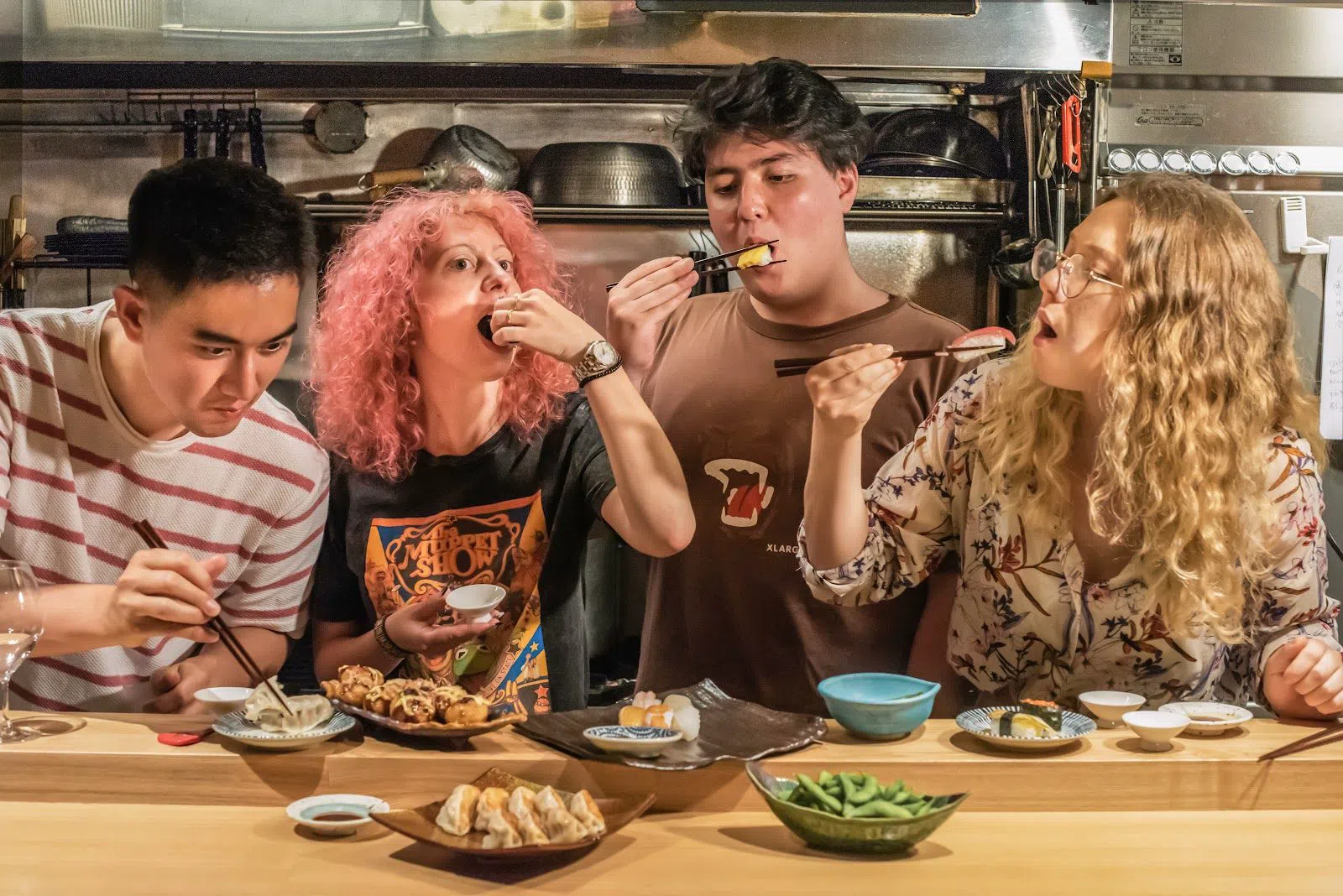
Eating what just sold
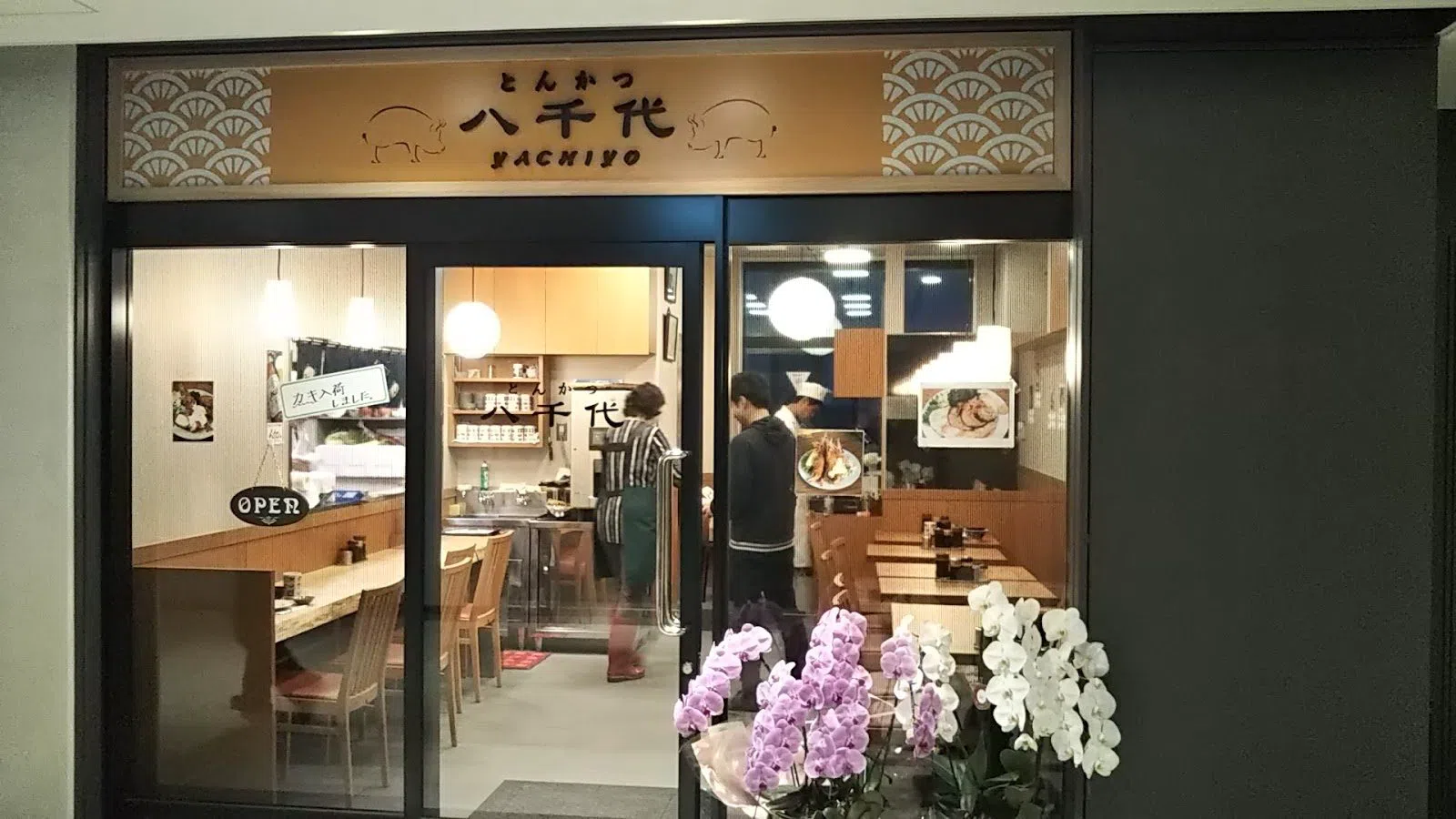
The reward lap after the auction is a short walk from the observation deck, and it comes with its own set of rules. Sushi Dai (Toyosu) is the counter everyone has heard of: no reservations, a queue-and-return-time system where staff hand you a slot and you come back later rather than standing in line the whole time. The omakase set runs around ¥5,500, and it sells out mid-morning, which means it only really works if you've already been up since before dawn for the auction; turning up at 10am hoping for a seat is optimistic. It is not built for groups larger than two or three: bigger parties get split up or pushed back so far the visit stops making sense.
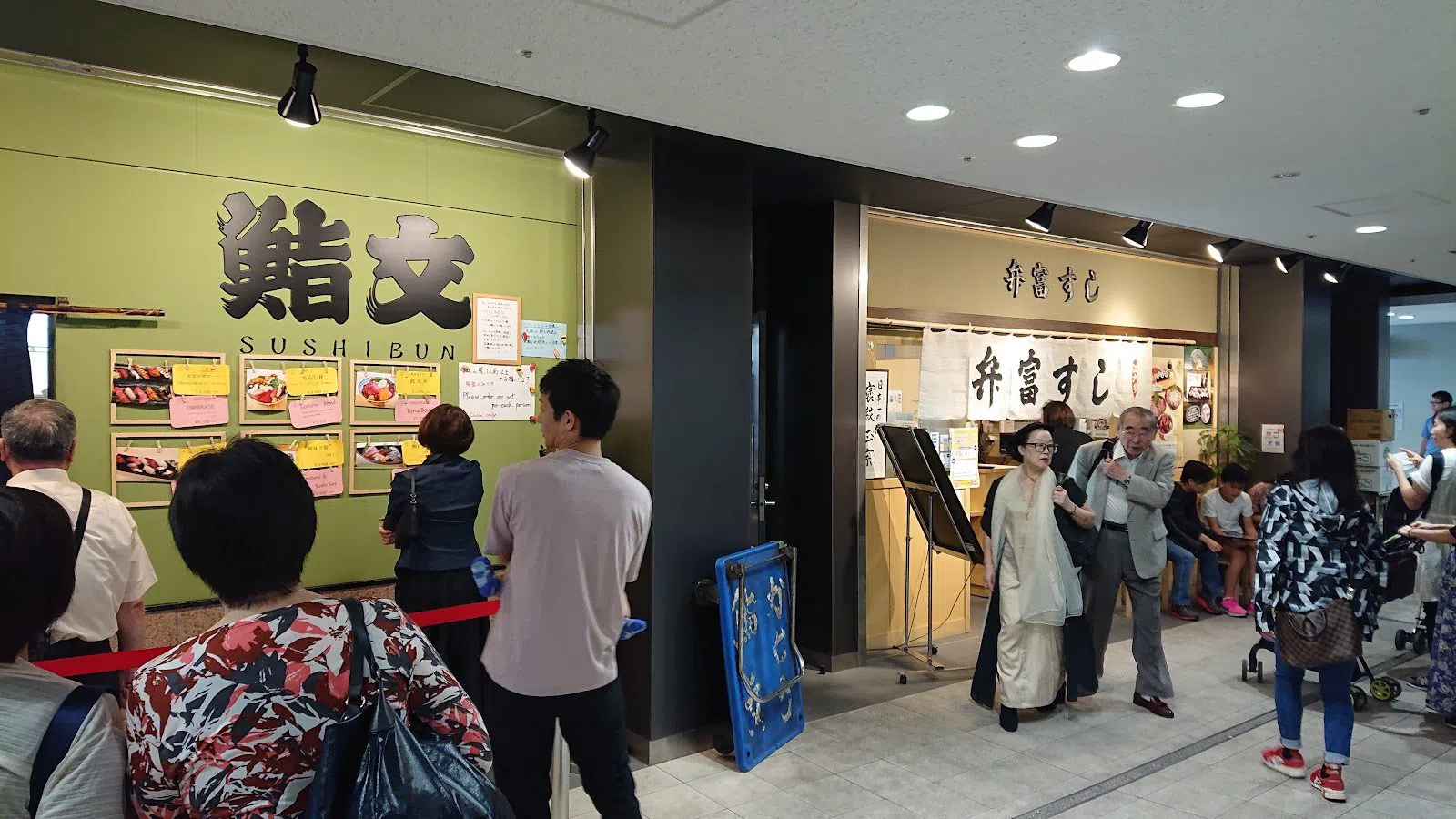
Daiwa Sushi (Toyosu) is the fallback when Sushi Dai's queue is out the door, which by 7am it usually is. Same no-reservations, same small-counter queue logic, set around ¥6,000-7,000 a head. The catch is timing: Daiwa is closed Wednesdays and Sundays, which happen to be two of the auction floor's own closed or thin days, so check both calendars before you commit to a specific morning, not just one.
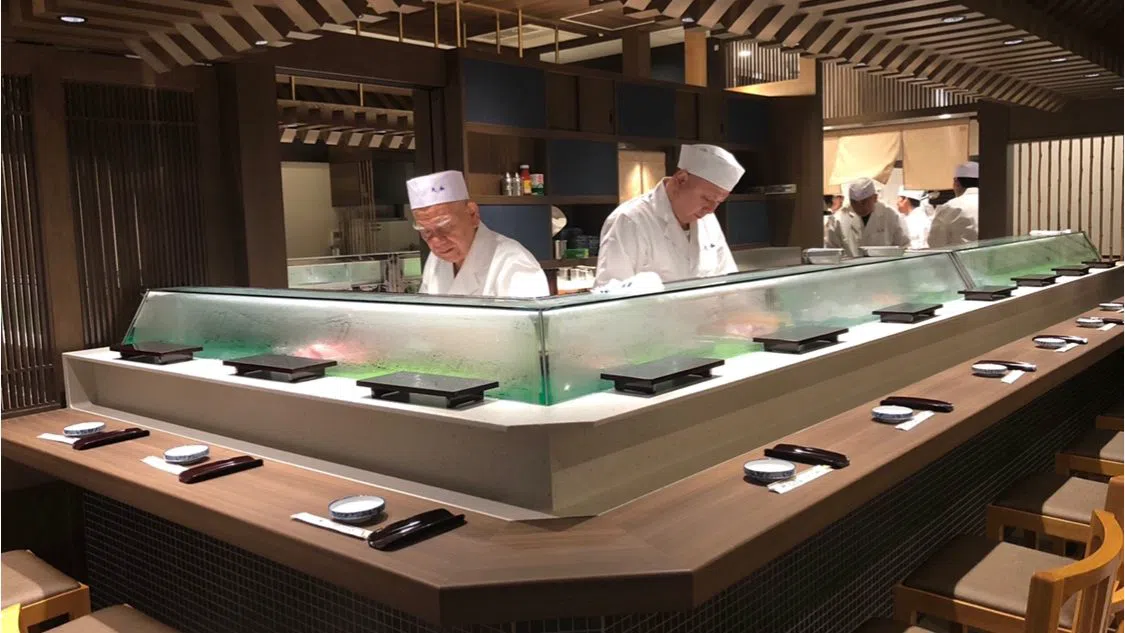
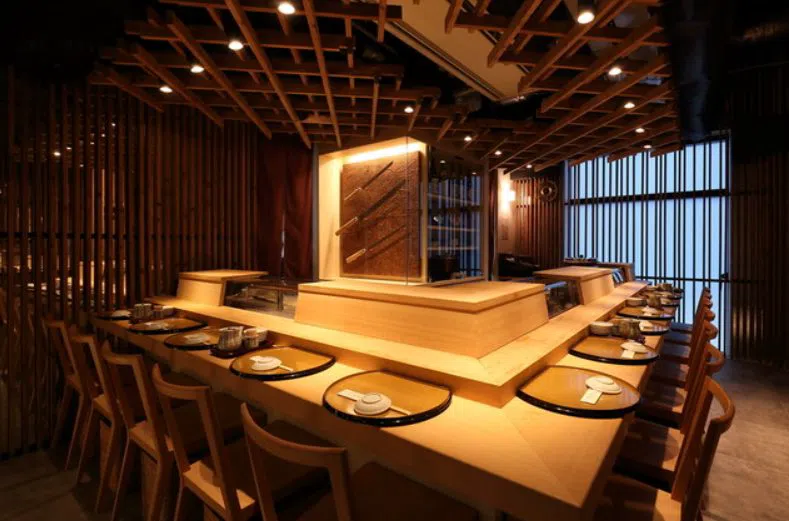
Ichiba Sushi (Toyosu) is the quieter third option, walk-in only, and honestly a better fit for the angle most visitors never get to see for themselves: what happens to the fish after the gavel falls, away from the two counters with queues wrapped around the block. It suits pairs better than groups, and it's worth choosing deliberately rather than as a last resort: the room is calmer and the fish is the same market.
Where the old market's trade still runs
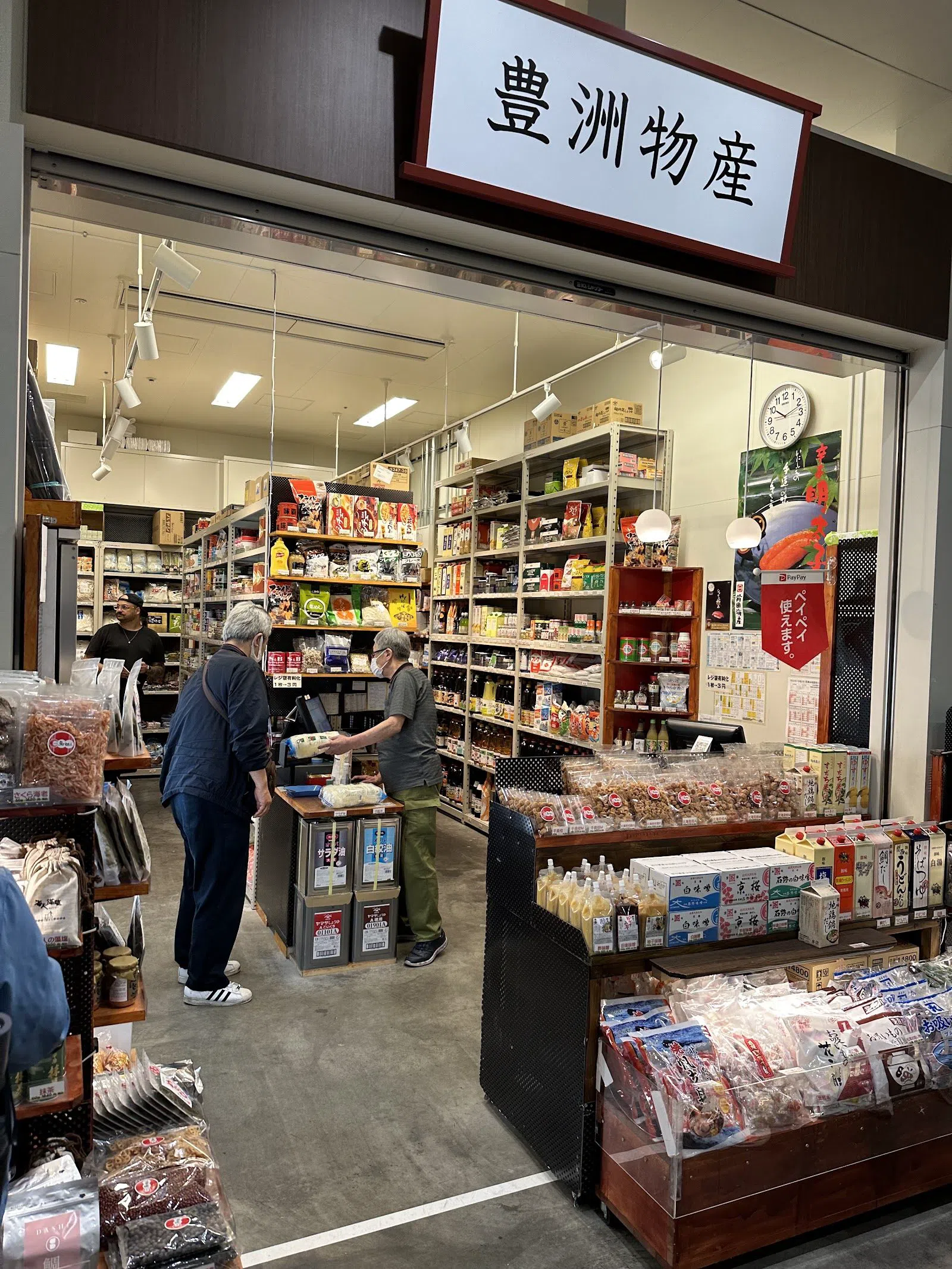
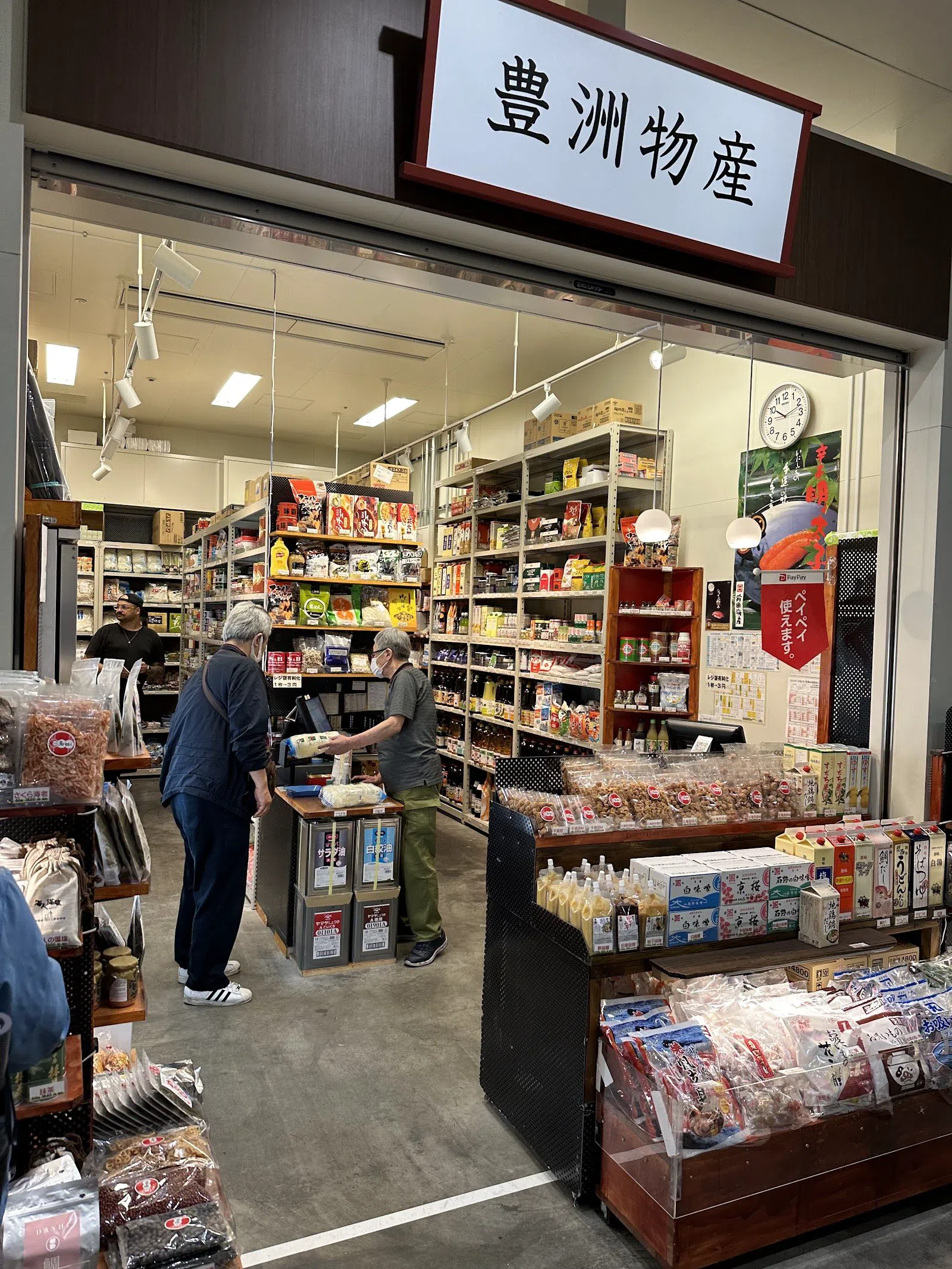
The wholesale auction moved to Toyosu in 2018, but Tsukiji Outer Market (Tsukiji) is still there, still open to the public with no restriction, and still the better place to feel the market's noise rather than its machinery. It's street food now rather than wholesale trade (grilled skewers, tamagoyaki on a stick, uni by the spoonful, most of it ¥100-800), and it handles groups easily until the lanes fill with tour buses by mid-morning. Go early, before the crowds catch up with you.
Inside that same stretch, Uogashi Yokocho (Tsukiji) is the covered arcade worth a slower look: not seafood itself so much as the tools and trade goods around it, knives, dried goods, the equipment that keeps the buyers' code running. It's free to walk through, takes groups without any friction, and the stalls thin out by early afternoon, so treat it as a morning stop, not a lunch one.
A slower landing after the cold
Two stops exist to soften what is otherwise a genuinely brutal morning, and they're worth building into the same day rather than treating the auction as the whole trip.
Sushi Zanmai Tsukiji Main Store (Tsukiji) is the multi-floor, 24-hour counterpoint to Sushi Dai's queue: it takes reservations for larger parties, which makes it the one sushi stop on this list that can actually seat a group without splitting it. It's also the restaurant whose owner has, more than once, bought the ceremonial first tuna of the New Year for headline sums (over ¥500 million in January 2026), which is as direct a line as exists from the auction floor's theatre to an actual plate of sushi. Prices run ¥¥ to ¥¥¥ depending on what you order, and because it never closes, it's a sane option if your group's schedule doesn't line up with a 5am start at all.

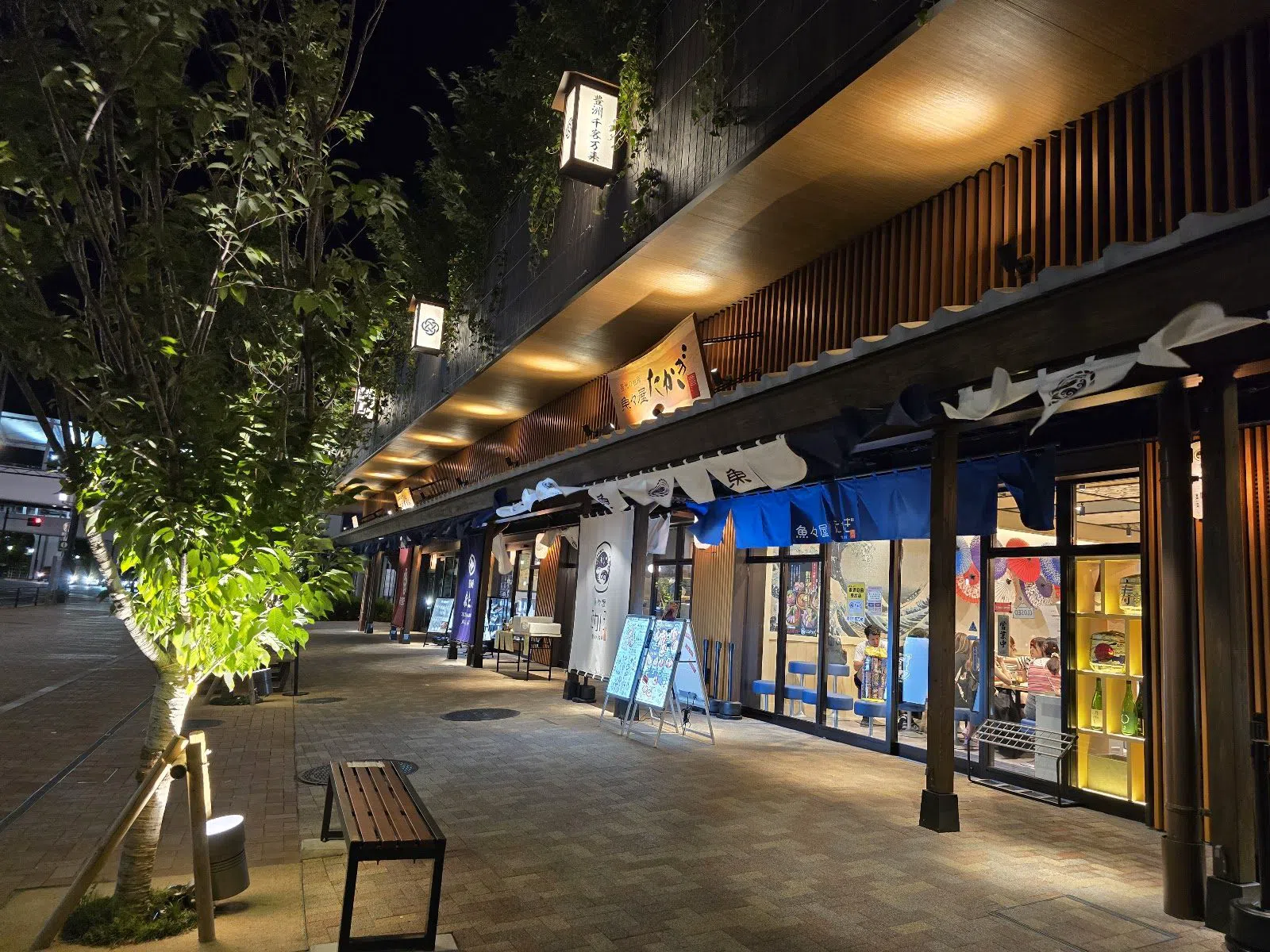
Toyosu Senkyaku Banrai (Toyosu), a food hall and hot-spring complex that opened next to the market in February 2024, is the one stop on this list that isn't trying to be brutal at all. Multiple vendors, easy for groups, prices varying by shop and the onsen sold separately: a genuinely warm, unhurried place to sit down after standing on concrete since before sunrise. If the auction is the piece's cold open, this is its exhale.
Getting there, the cash you'll need, and timing the morning
Toyosu Market sits on the Yurikamome line at Shijō-mae Station; check the current timetable before relying on the first train for a 5am arrival, or take a taxi from central Tokyo, which is the more dependable option if you need to be inside right at opening. Bring cash: most of the counters and the outer market's street stalls don't reliably take cards, and small-denomination yen makes the food stalls move faster. Layer up even in warmer months: the auction floor and its surrounding sheds run cold, and standing still on concrete before dawn is colder than the season outside suggests.
Budget the morning in two parts. The auction viewing itself is free (or free-if-you-win for the lottery tier), and the real spend is breakfast: figure ¥5,500-7,000 per person for an omakase set at Sushi Dai, Daiwa, or Ichiba, plus whatever you pick up wandering Tsukiji Outer Market afterward. A guided tour adds roughly $121 per person on top if you'd rather have the hand signals explained than guessed at. Check the market's closure calendar before you book anything: Sundays, most Wednesdays, and public holidays close the floor entirely, and there's no backup plan for a wasted 4am wake-up. If you're staying nearby for an early start, a Tokyo hotel search turns up options close enough to the Yurikamome line to make the pre-dawn taxi short; for the rest of the city once you've slept off the morning, the full Tokyo guide covers what to do with the other 20 hours of the day.
Before you go
What time should I arrive at the Toyosu tuna auction to see anything?
By 5:30am at the latest at the free Visitor's Walkway: later than that and you're watching over a crowd instead of a clear line of sight.
Do I need to book to watch the tuna auction?
No. The upper Visitor's Walkway is free and open to any size group without booking. Only the closer third-floor viewing tier requires winning a monthly online lottery, capped at three people per application.
Which days is the tuna auction closed?
Sundays, most Wednesdays, and public holidays. Check the market's calendar before planning a specific morning: Daiwa Sushi is also closed Wednesdays and Sundays, so the two schedules need checking together.
Can I take a large group to watch the auction and eat sushi afterward?
The observation deck handles any group size, but the classic sushi counters (Sushi Dai, Daiwa, Ichiba) don't; groups larger than two or three get split up or badly delayed. Sushi Zanmai's Tsukiji main store takes reservations and is the better bet for a bigger party.
Is Tsukiji or Toyosu the right place to watch the tuna auction now?
Toyosu. The wholesale auction itself moved there in 2018. Tsukiji's outer market survives as a street-food and retail market but no longer hosts the auction floor.