The Tokyo issue
Tokyo in September Without Losing a Day to Heat or Rain
How to build a Tokyo week around 32°C afternoons and a storm that may or may not arrive, with the bookings that still hold when the trains stop.
By Emi Sato-DoyleOne dish, one counter, from Toyosu to the back streets
By the second week of September the heat in Tokyo has stopped behaving like weather and started behaving like a surface: 32°C by ten in the morning, air thick enough that the walk from a station exit to a museum door becomes a decision, cicadas still grinding in the trees above Ueno. Somewhere south of the islands a low spins up, the forecast turns into a set of overlapping cones, and one day of your week becomes negotiable without anyone deciding it. The month is still worth coming for. You just build it differently.
What September actually does to a Tokyo week
Two weathers sit on top of each other. The first is leftover summer: daytime highs in the low thirties well into the third week, nights that often refuse to drop below 25°C, and a humidity that makes shade and air conditioning the two things you plan around rather than stumble into. The second is the tail of the Pacific storm season, which peaks in September and sends systems up toward the Kantō plain on a fairly regular basis. Most of them miss, or arrive worn out. The ones that land rarely damage anything a visitor will notice. What they do is suspend trains, close open-air decks, cancel the walk you had planned along the river, and turn fifteen minutes on foot into a soaking that ends the afternoon.
So a September day has a practical shape: outdoors early, indoors from roughly midday to four, outdoors again after six when the light softens and it is merely 28°C. A September week has one too. It needs a deliberately unassigned day, your swap day, plus a short list of roofed places you have already priced and, where it matters, already booked. Rail operators announce planned suspensions around a day ahead, so a storm almost never surprises you; it just forces a substitution. Have the substitution ready and September stops being a gamble.
Plan your Tokyo trip
Live prices from our booking partners.
Free cancellation on many rooms. We may earn a commission when you book.
Book these before you fly
Some of the best indoor days in the city are also the hardest to get into, which means the storm-proofing has to happen weeks before you pack.
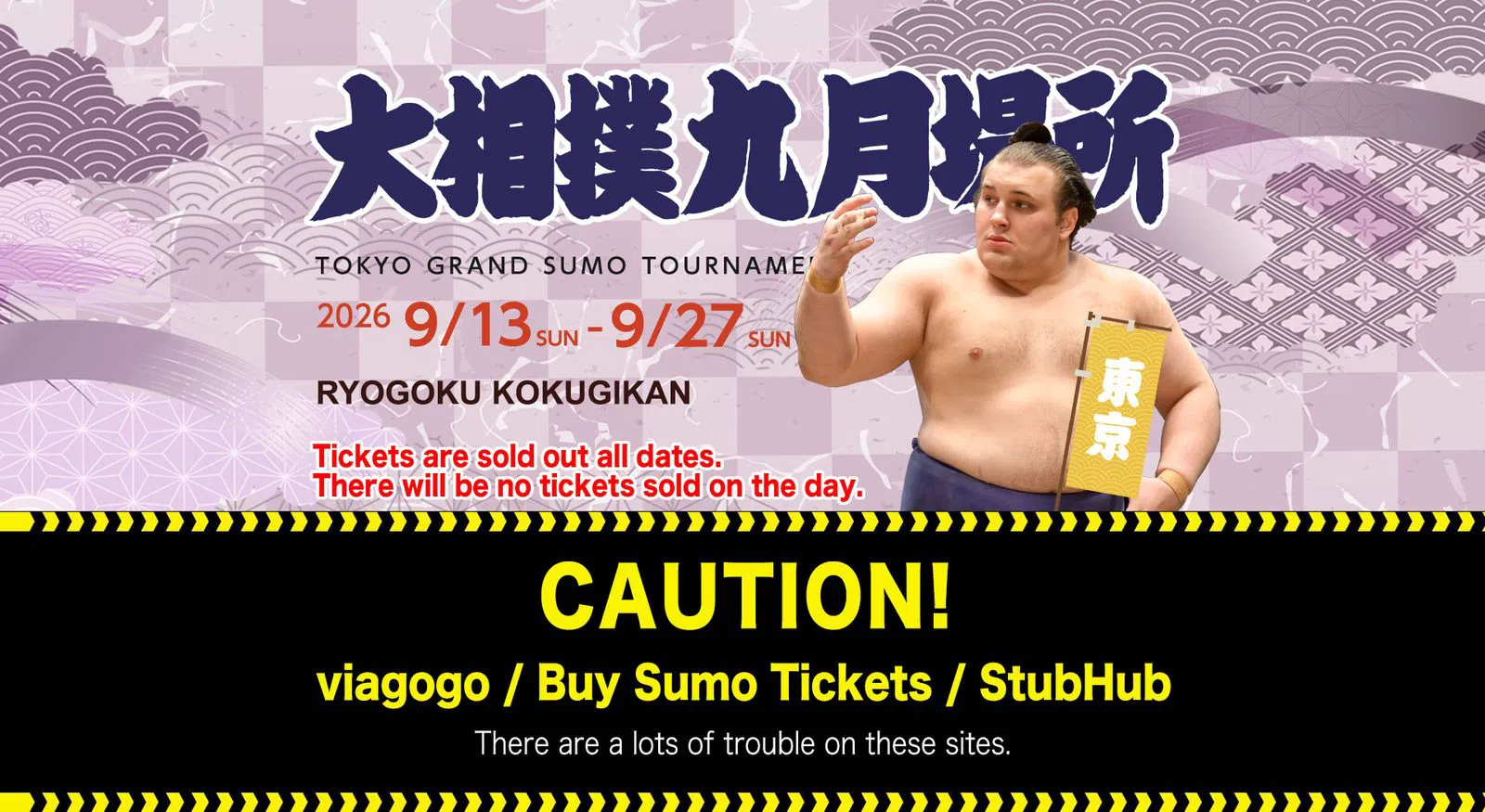
Ryōgoku Kokugikan (Ryōgoku, east of the Sumida) hosts the Aki Basho from 13 to 27 September 2026, and it is the one great Tokyo spectacle that falls exactly inside the hot, wet window, in an air-conditioned hall. All fifteen days sold out on the official site, so buy the moment tickets drop in August or go through licensed resale rather than hoping. Chair seats run ¥3,500 to ¥8,500; the tatami boxes are sold as four-person masu-seki at ¥8,000 to ¥15,000 per head, which means a party of four slots in naturally and a party of six splits across adjacent boxes and shouts at each other over the divider. Ringside is around ¥20,000 and you sit close enough to be part of the risk. If you only have half a day, come for the late afternoon, when the top division fights and the hall finally fills.

Ghibli Museum, Mitaka (western Tokyo) is ¥1,000 for an adult and effectively impossible to arrange late. Tickets are released at 10:00 JST on the 10th of the month before your visit and are gone in minutes, so a September visit means being at a screen on 10 August. It is reservation-only and almost entirely indoors, so it survives a wet day intact, but it is a fixed point you build the rest of the week around rather than a rainy-day rescue, and it is hard for groups. Assume a few people, not a party.
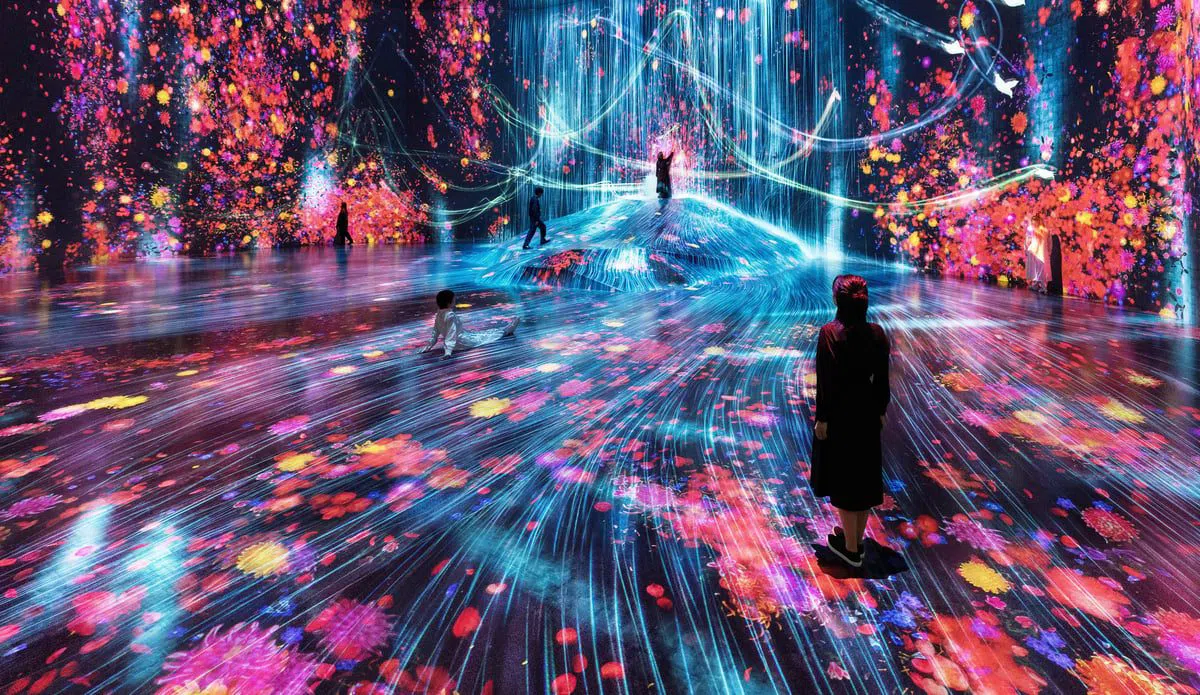
teamLab Borderless (Azabudai Hills) is the most reliable typhoon-day booking in the city: windowless, air-conditioned, and two-plus hours long, so the weather stops existing while you are in it. Tickets are timed and start from ¥3,600 for an adult with dynamic pricing, and about ¥200 more if you buy at the door. There is no size cap, but slots sell out, so book the whole party onto one time together. Then accept that you will lose each other. The rooms are dark and narrow, and a group of eight becomes a group of two within about ten minutes.
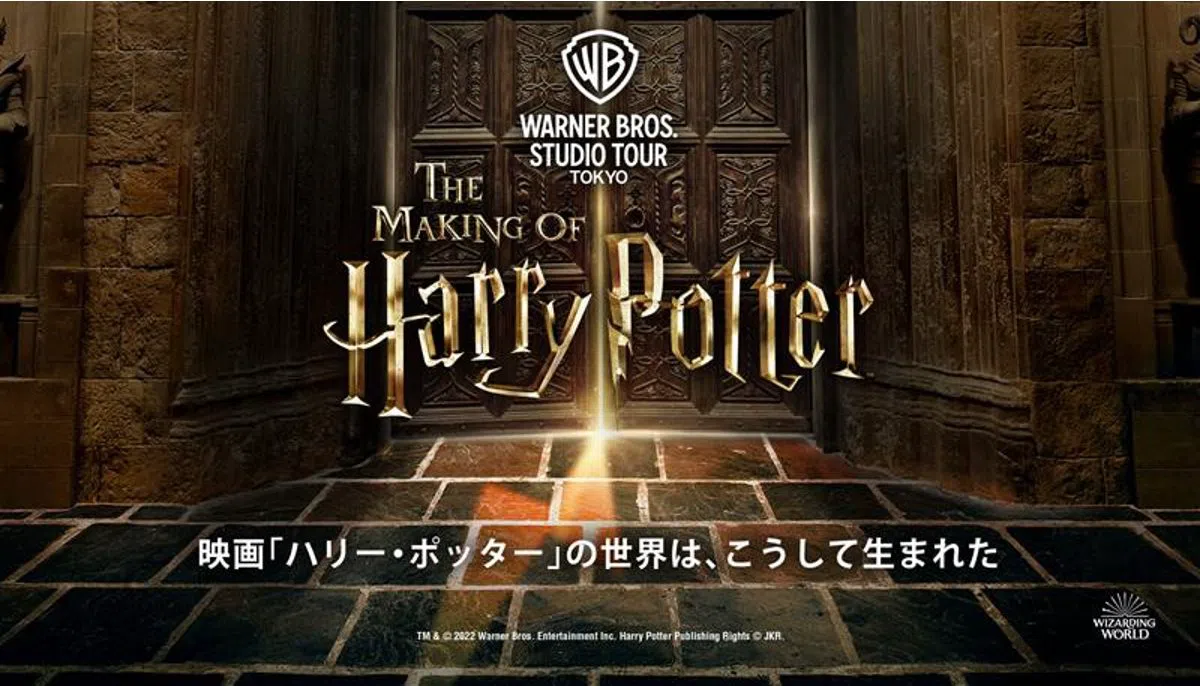
Warner Bros. Studio Tour Tokyo — The Making of Harry Potter (Nerima, northwest Tokyo) is the strongest full-day fallback when a storm parks over Kantō. It is four hours entirely under a roof, with a large lobby, cafés and afternoon tea inside, and no dash between station exits at either end. Adult tickets run roughly ¥6,300 to ¥7,500 depending on the date, with prices revised from 1 July 2026, and student tickets for afternoon slots run to 30 September 2026. It takes groups happily on timed entry.
Museums that absorb a whole wet afternoon
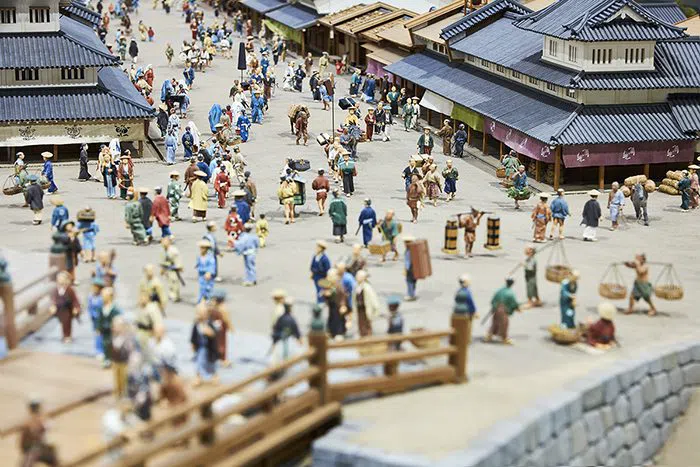
Tokyo Metropolitan Edo-Tokyo Museum (Ryōgoku) reopened on 31 March 2026 after four years shut, with upgraded climate control and waterproofing, and it is a two-minute walk from the Kokugikan, so a rained-off sumo afternoon has somewhere to go and a sumo morning has a sequel. The permanent exhibition is about ¥600 to ¥1,000. It was built for coach parties: huge floorplates, group rates, a cloakroom for wet bags, and a third-floor plaza that swallows a crowd waiting out a downpour without anyone feeling herded.
Tokyo National Museum (Ueno) is ¥620 for an adult, ¥410 for university students, free under 18 and over 70, and it stays open until 21:00 on Fridays and Saturdays, which turns it into an evening escape from a day that never dropped below 30°C. It is closed on Mondays, and that is the most common September planning mistake I see. It handles groups easily and takes advance group bookings, and because Ueno Park packs its museums within a few hundred metres of each other, a wet day here needs almost no time outside.
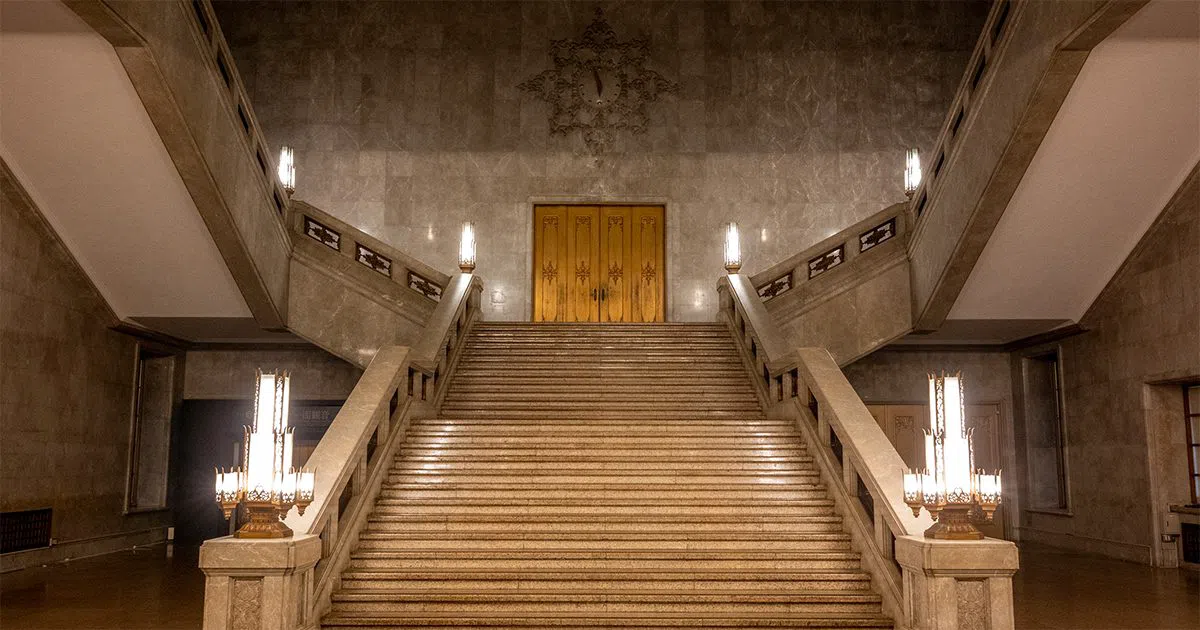
Mori Art Museum (Roppongi) is around ¥2,000 depending on the exhibition and open to 22:00 most nights, which is the useful part: write off a scorching afternoon entirely and go at 20:00 instead. Tuesdays it closes at 17:00. The whole approach is through air-conditioned mall corridors, so you arrive dry, and there is a combined ticket with the observation deck if the sky has cleared by the time you come out. Groups are no problem.
Nezu Museum (Aoyama) is the best cool-down in this part of the city: ¥1,300 for an adult, more for special exhibitions, closed Mondays, last entry 16:30. The galleries are climate-controlled and the garden is dense, dripping shade, and the glass-walled café over the pond is where I would sit out a shower. A pot of tea, rain coming off the bamboo, the pond going pockmarked, thirty minutes gone. It is a small building with narrow garden paths and no group tour infrastructure, so it suits parties under about eight and couples best of all.
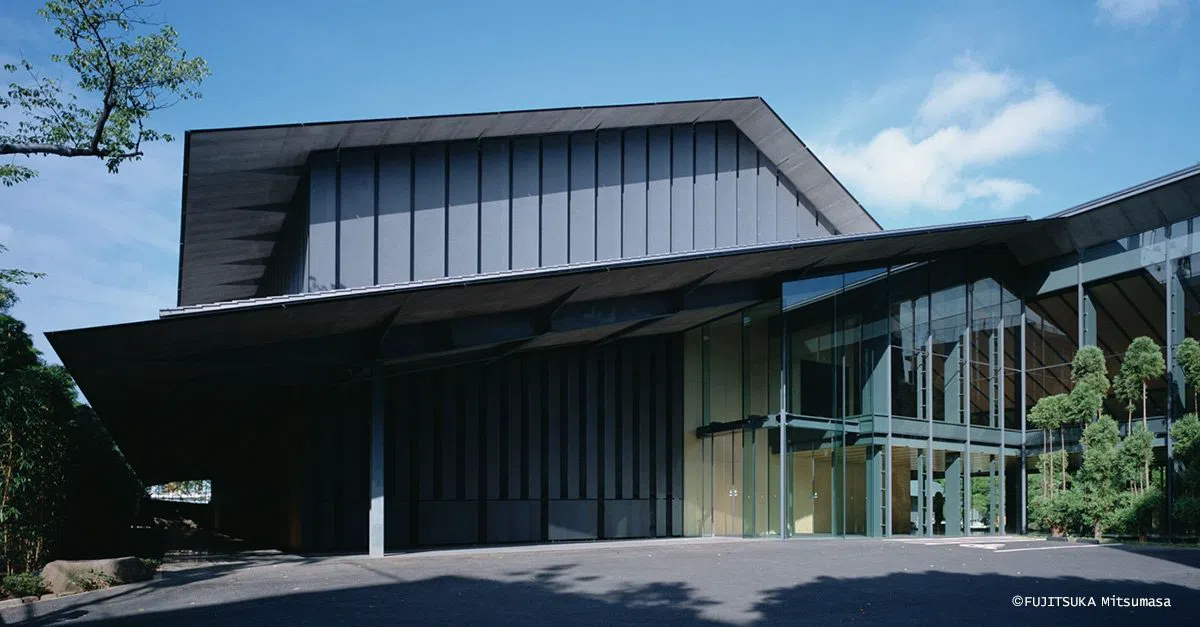
Two views and only one survives a storm
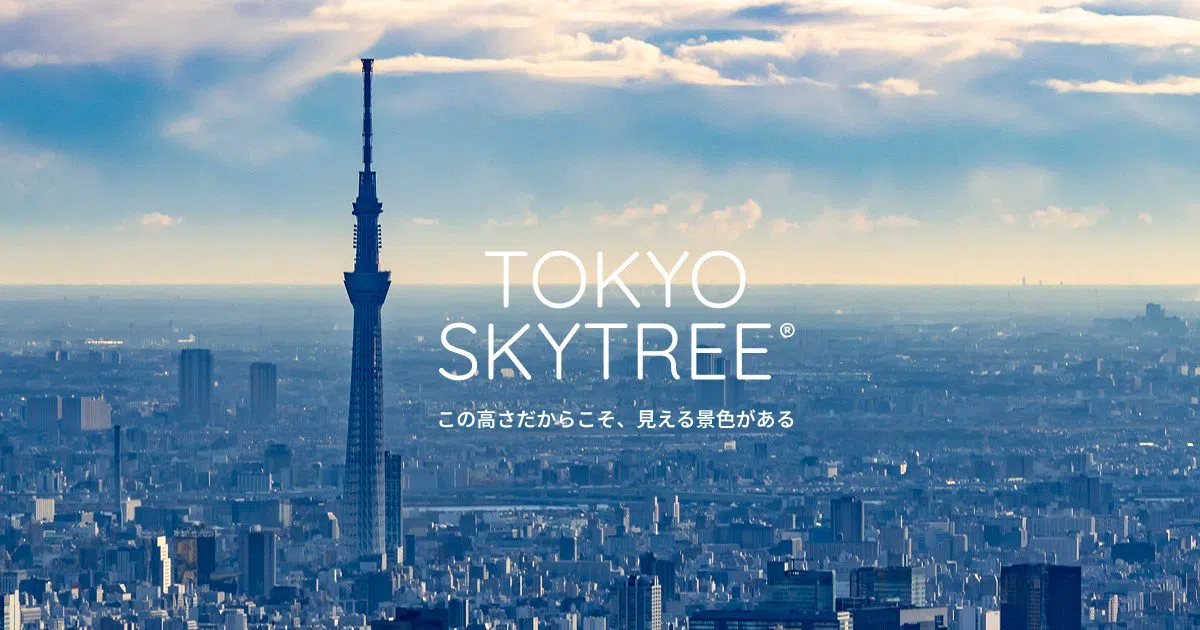
Tokyo Skytree (Sumida) is the rain-proof half of the view pairing. The decks are enclosed and stay open through rain (¥2,400 for the Tembo Deck, ¥3,500 combined with the Tembo Galleria), but low cloud can cap the view at 200 to 300m, and typhoon-strength wind or lightning will suspend the lifts entirely. Buy same-day rather than in advance, precisely so you can look at the sky first. Large groups are fine on timed tickets, and the Solamachi mall underneath holds an entire party indoors for hours if the top is a white-out.
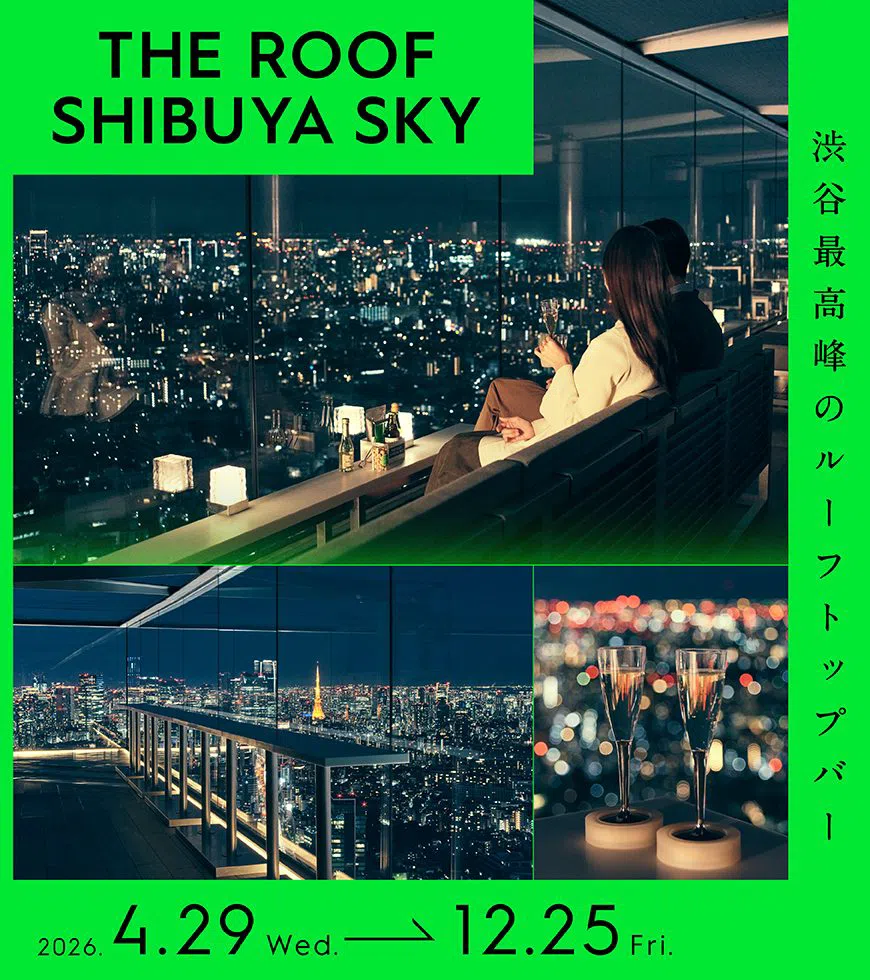
SHIBUYA SKY (Shibuya) is the one on this list that the weather can beat. Rain, wind or lightning closes the open-air SKY STAGE while the indoor 46th-floor SKY GALLERY stays open, which is a different and lesser experience for the same ¥2,600 to ¥3,000 online, more for sunset slots. You can cancel free on the day before entry, so hold it as your fair-weather option and never your anchor. Timed slots take groups, but rooftop cordons and sunset queues make a party of ten unwieldy, so book mid-afternoon and let the light be ordinary.
When the day has already soaked you, get in the water
Thermae-yu (Shinjuku, on the edge of Kabukichō) is open 24 hours, which makes it the practical answer to a day that ended with everyone wet through, and a place to park until the trains restart if services are suspended. General entry is ¥2,900 to ¥3,000, about ¥2,200 booked online, with a late-night surcharge after midnight. Mixed groups split at the entrance into men's and women's baths and regroup in the lounge afterwards, so budget for that. Tattoos are restricted, and that is the real constraint on a group. Check before you build an evening around it rather than at the shoe lockers.
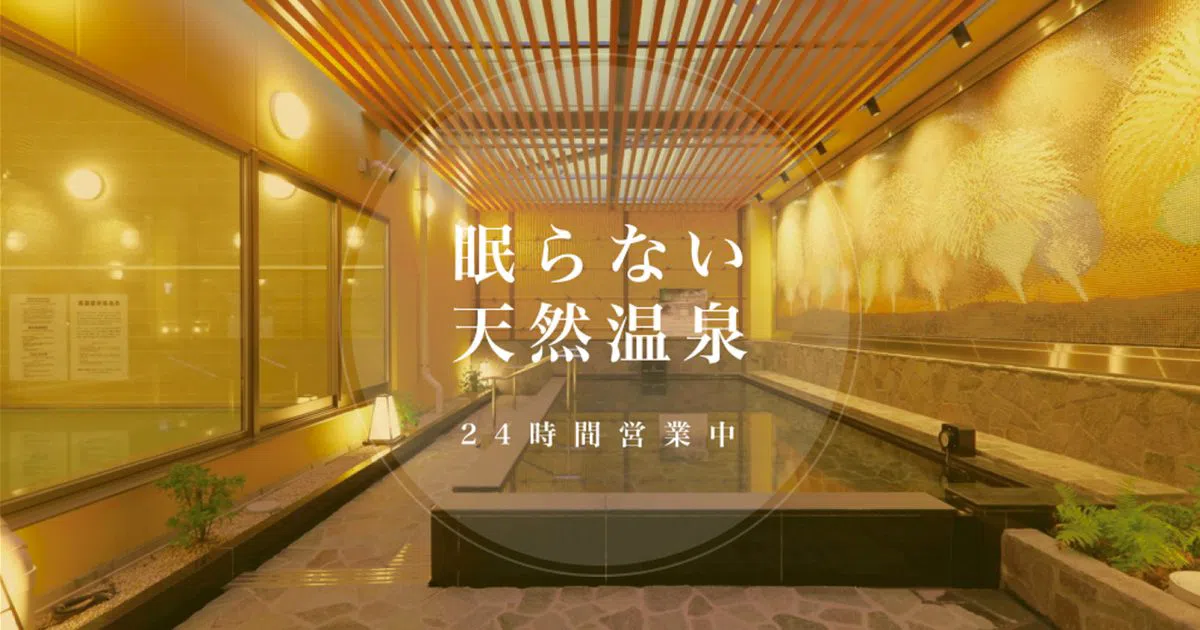
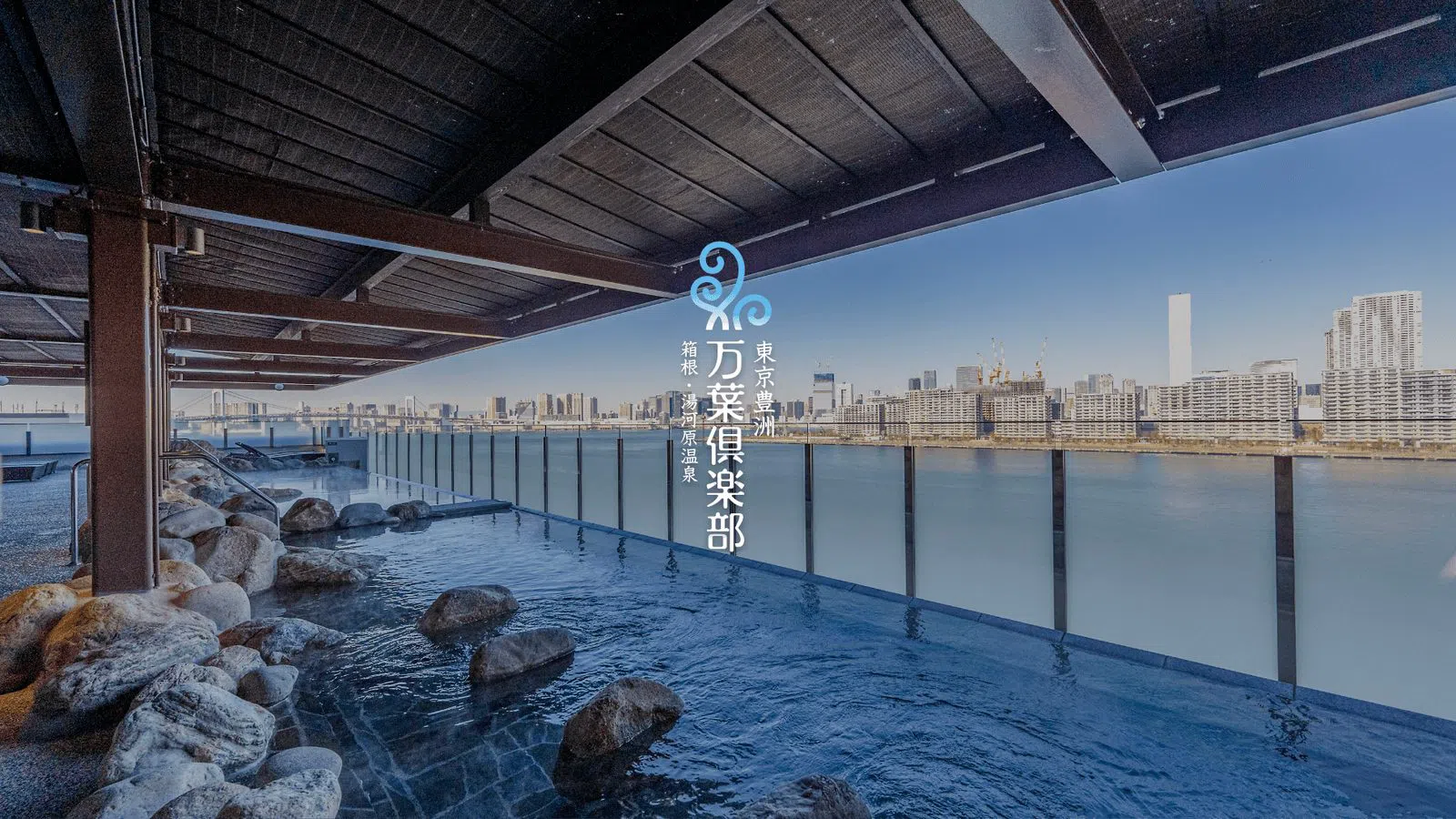
Tokyo Toyosu Manyō Club, at Toyosu Senkyaku Banrai on the bay, is the group-scaled version: from ¥2,200 for an adult, towel-and-yukata sets extra, buffet dining, tatami rest floors to lie down on, and private baths from around ¥4,500 an hour for a party that wants its own room. It runs 24 hours year-round, and the hot-spring water is trucked in daily from sources outside the city. Downstairs there is a free covered Edo-style arcade, which means the whole outing still works in horizontal rain. You can eat, soak, sleep on a tatami floor and never see the sky.
Roofed evenings
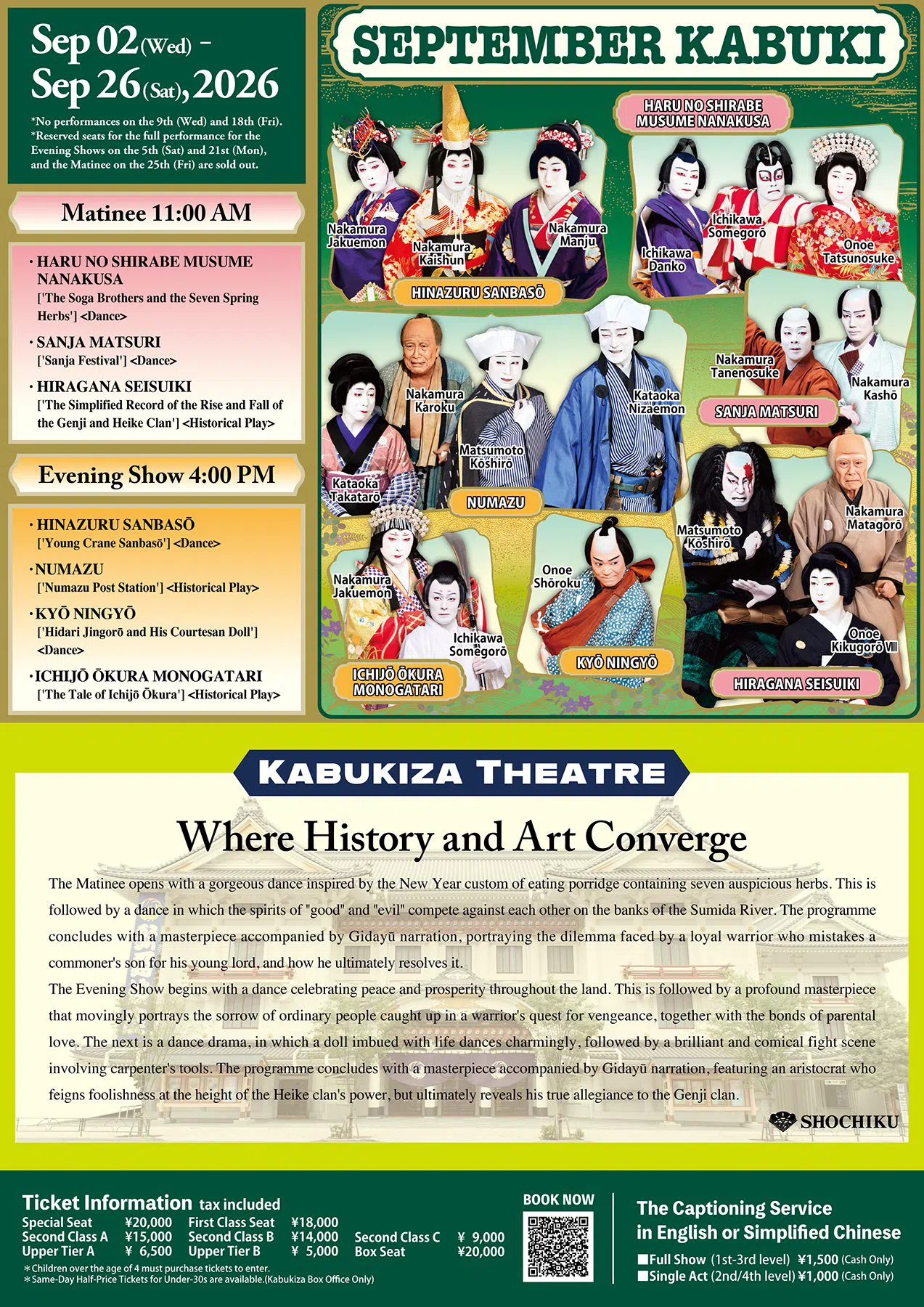
Kabuki-za Theatre (Ginza) runs its September programme from 2 to 26 September 2026, dark on the 9th and 18th. Single-act tickets go on sale at noon the day before, which makes it a genuine same-day decision when the forecast turns: ¥500 to ¥2,500 for a single act, from about ¥4,000 for the full programme. Take the ¥1,000 English captioning headset; without it the plot is a rumour. Single-act tickets are capped at four per person, so a large group should book full-programme seats instead. The house seats around 1,800, so there is usually something available that is not the seat you wanted.
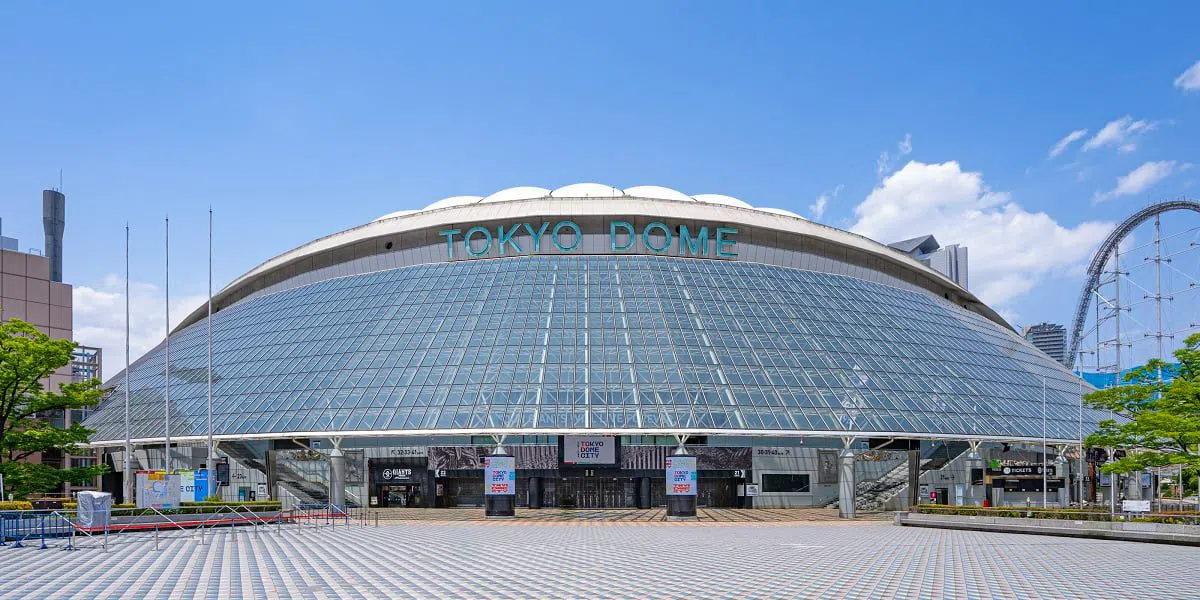
Tokyo Dome (Suidōbashi) is one of the easiest group nights in the city and the rare Tokyo evening a typhoon warning cannot cancel, because the roof is the whole point. The Giants' home season runs to 30 September, tickets go from ¥1,500 standing to ¥14,500 front row, the booking site works in English for overseas fans, and you can buy up to eight seats in one purchase.
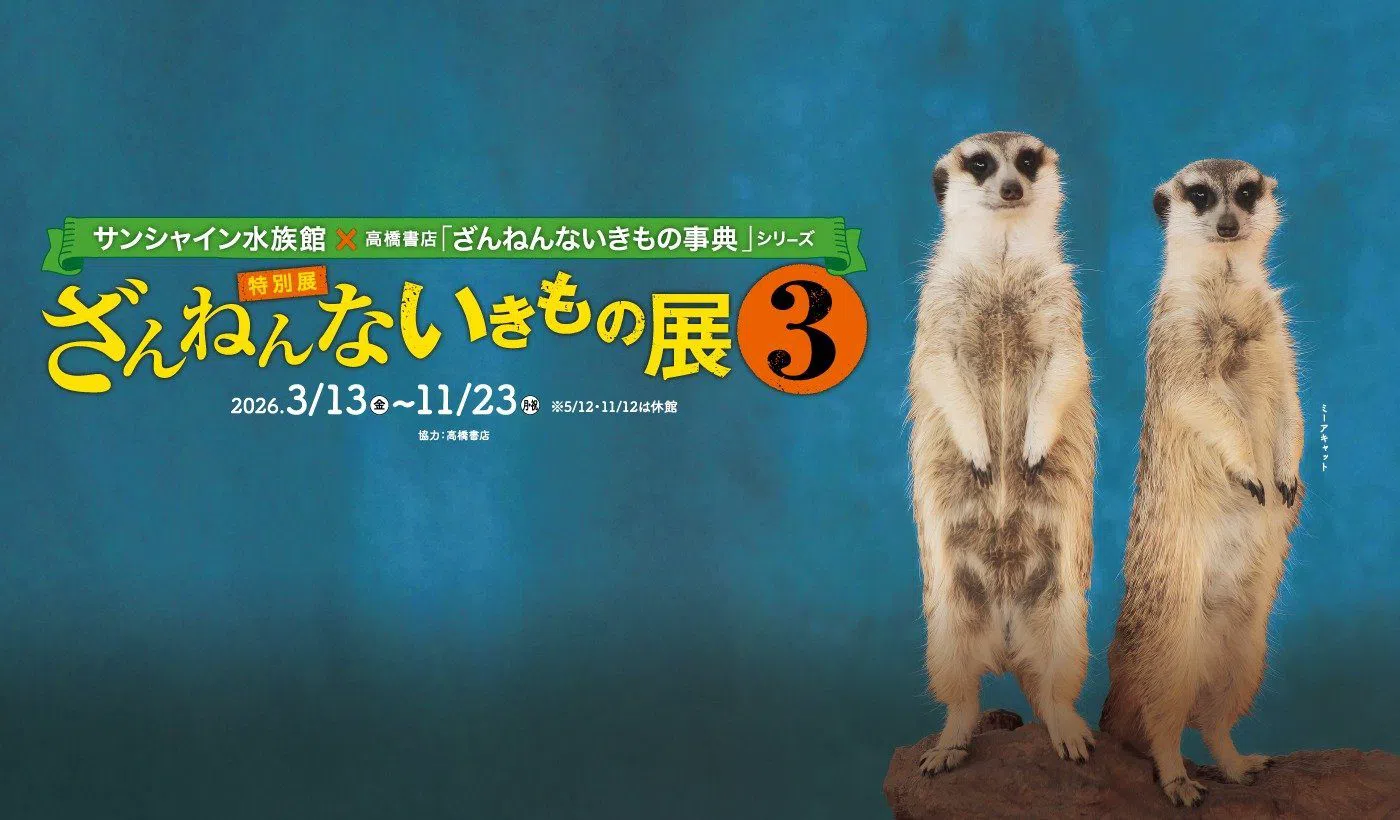
Sunshine Aquarium (Ikebukuro) keeps September hours to 19:00 on weekdays and 20:00 at weekends. The aquarium is the part worth planning for, though the building around it does the heavier work: Sunshine City absorbs a full storm day, and a group can move between aquarium, observatory and shops without ever stepping outside.
Eating underneath the station
Tokyo Station Ichibangai (under the station, between Marunouchi and Yaesu) is where a bad-weather day joins up. Ramen Street, Character Street and Okashi Land sit beneath the platforms with the Marunouchi tunnels running out from them, so you can eat, shop and change trains without going above ground. It is free to enter and open-ended, and most shops run 10:00 to 20:30.
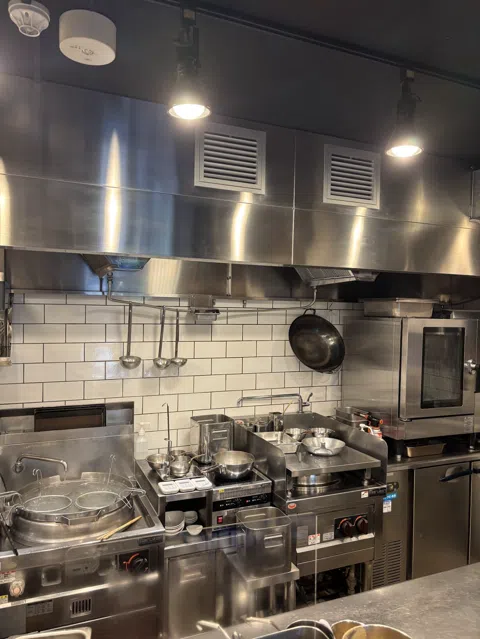
A bowl of shoyu ramen here is around ¥1,000, ordered at a ticket machine before you sit. Most machines carry English labels or photographs, and you hand the printed slip across the counter. The counters seat about a dozen, which is the thing to plan for: a party of eight does not eat together on Ramen Street. Split up, agree a time, and meet by the ticket gates. What you get for it is a stool, a hot bowl in an over-cooled basement, condensation on the glass behind the counter, and a queue behind you that keeps the whole thing to twenty minutes.
Getting around, paying and timing it
Put a Suica or Pasmo on your phone and stop thinking about fares. When a storm is forecast, rail operators announce planned suspensions roughly a day ahead, so check the evening before and move anything that depends on a long train ride. Taxis all but vanish in heavy rain, so the fallback is always to walk to the nearest underground concourse rather than wait at a kerb. Booking a hotel near two different lines rather than one pretty street is worth more in September than in any other month; the Tokyo hotel search is the place to compare that, and the wider Tokyo guide covers where those lines actually go.
Cards and phones work almost everywhere that matters, but small ramen counters, some ticket machines and the occasional bathhouse locker are still cash. Carry ¥10,000 in small notes and coins and you will never be the person holding up a queue.
Front-load mornings before 10:00, put admissions between noon and 16:00, and go back outside after 18:00. Two shirts a day is not vanity, it is arithmetic. Convenience stores sell cold drinks and salt tablets on every block, and a folding umbrella from any of them costs about ¥700 and will be destroyed by the first real gust. Buy the cheap one and expect to replace it.
A committed indoor day costs roughly ¥6,000 to ¥9,000 per person in admissions if you stack two paid venues, plus ¥3,000 to ¥4,000 for food. The cheap end is real: the national museum at ¥620, a single kabuki act at ¥1,000, ramen at ¥1,000, and a station basement that costs nothing to walk through for an hour while it rains itself out.
Before you go
How hot is Tokyo in September, and does it cool down late in the month?
Expect daytime highs in the low thirties well into the third week, with humidity that makes shade and air conditioning what you plan around. Nights often stay above 25°C. It eases at the very end of the month, but don't count on the first three weeks being mild. Put paid indoor venues at roughly noon to 16:00 and keep walking for early morning and after 18:00.
Will a typhoon ruin my trip?
Most systems miss Tokyo or arrive weakened. A storm mainly costs you a day of mobility: trains suspend, open-air decks close, and walking is miserable. Rail operators announce planned suspensions about a day ahead, so keep one unassigned swap day in the itinerary and a shortlist of fully indoor bookings (teamLab Borderless, the Warner Bros. Studio Tour, a night game at Tokyo Dome) to slot into it.
When do September sumo tickets go on sale, and what if they are sold out?
The Aki Basho runs 13 to 27 September 2026 at Ryōgoku Kokugikan, and all fifteen days sold out on the official site. Tickets go on sale in August and you have to be ready that day; after that, use licensed resale rather than unofficial listings. Chair seats are ¥3,500 to ¥8,500, and four-person tatami boxes ¥8,000 to ¥15,000 per person.
Which observation deck should I book if the weather is uncertain?
Book Tokyo Skytree same-day rather than in advance. The decks are enclosed and stay open in rain, though low cloud can cap the view at 200 to 300m, and severe wind or lightning suspends the lifts. SHIBUYA SKY is the fair-weather option: rain or lightning closes the open-air rooftop while the indoor 46th-floor gallery stays open, and you can cancel free the day before entry.
Where can a group go if the trains stop running for the night?
Thermae-yu in Shinjuku is open 24 hours, ¥2,900 to ¥3,000 general entry (about ¥2,200 online), with a late-night surcharge after midnight. Tokyo Toyosu Manyō Club is also open 24 hours year-round from ¥2,200, with tatami rest floors and private baths from around ¥4,500 an hour. Both split mixed groups by gender at the bathing area, and it is worth checking the tattoo restrictions at Thermae-yu before you commit.