The Tokyo issue
Midnight at Daikoku PA: Inside Tokyo's Underground Car Scene
A practical, honest guide to the Shuto Expressway car meets, the tuner shops, and the ways you can actually drive Tokyo's JDM night scene in 2026 — not just watch it.
By Lukas BrandtTokyo on foot, timed to the temple gates
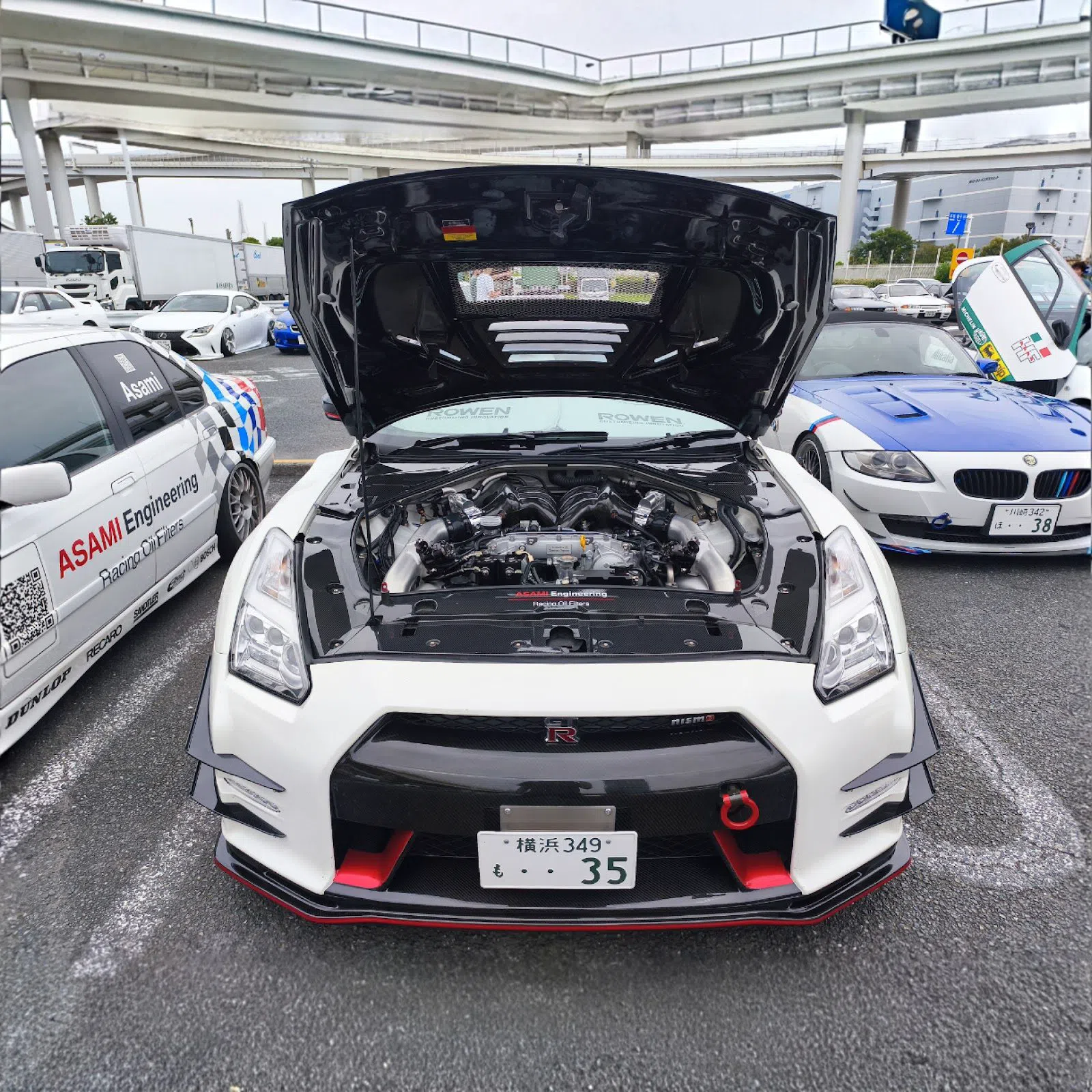
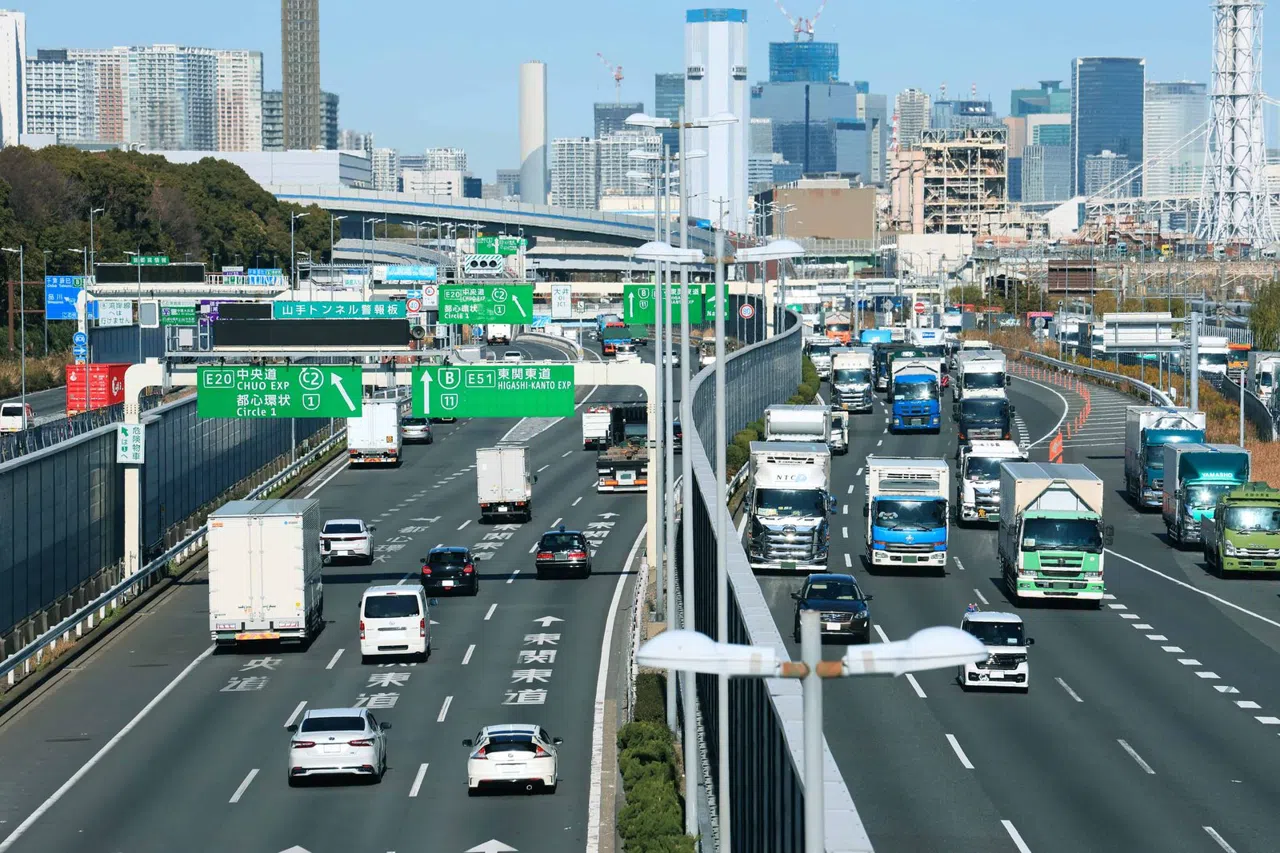
Daikoku Futo isn't on any map you'd hand a first-time visitor. It's a rest stop folded inside a loop of the Shuto Expressway, and on the right night it fills with the cars that built Tokyo's reputation — tuned GT-Rs, drift missiles, bosozoku one-offs — parked in rows under sodium light with the harbour behind them. The catch, and it's a real one, is that you can't walk in, the turnout is weather- and police-dependent, and a good chunk of the scene exists precisely to stay a step ahead of a patrol car. This guide tells you where the meets are, which ones suit a group versus a couple, and — more usefully — how to get behind the wheel yourself rather than just standing at the fence.
Where the cars actually meet
The three names below are expressway parking areas, not venues. There is no door, no cover charge and no guest list. What there is, instead, is an access problem: these sit on toll roads you reach by car, so a rented Toyota from the airport won't cut it unless you've planned the route. Book a small-group guided car-meet tour with hotel pickup, or hire a driver for the night, and the logistics stop being your problem.
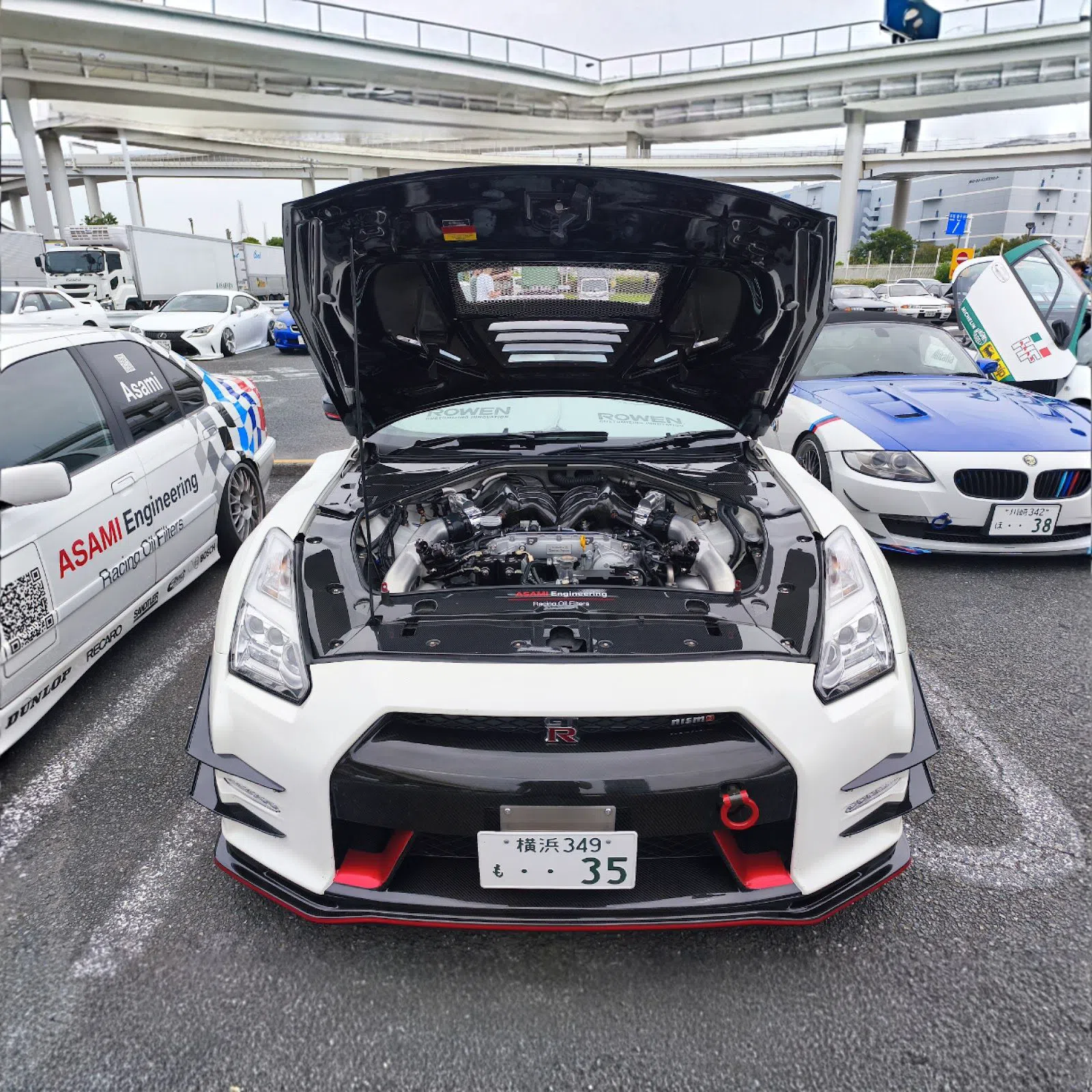
Daikoku Futo PA (Daikoku Parking Area, on the Shuto Expressway toward Yokohama) is the one everyone means when they say "the Tokyo car meet." It's the legendary heart of the JDM night scene and the single must-do on this list. It's free to attend and groups are fine — this is a public rest area, so nobody's vetting who you are. The wrinkle is access: it's cars-only inside the expressway loop, so you cannot rock up on foot or by train. A guided small-group tour with hotel pickup runs roughly £70–£130 / ¥13,000–24,000 per person and takes the driving off your hands. Set your expectations honestly before you go: on a dry Friday or Saturday it can be extraordinary, but a wet night or a police presence can thin it to almost nothing. Nobody can promise you a full house — treat a big turnout as the bonus, not the plan.
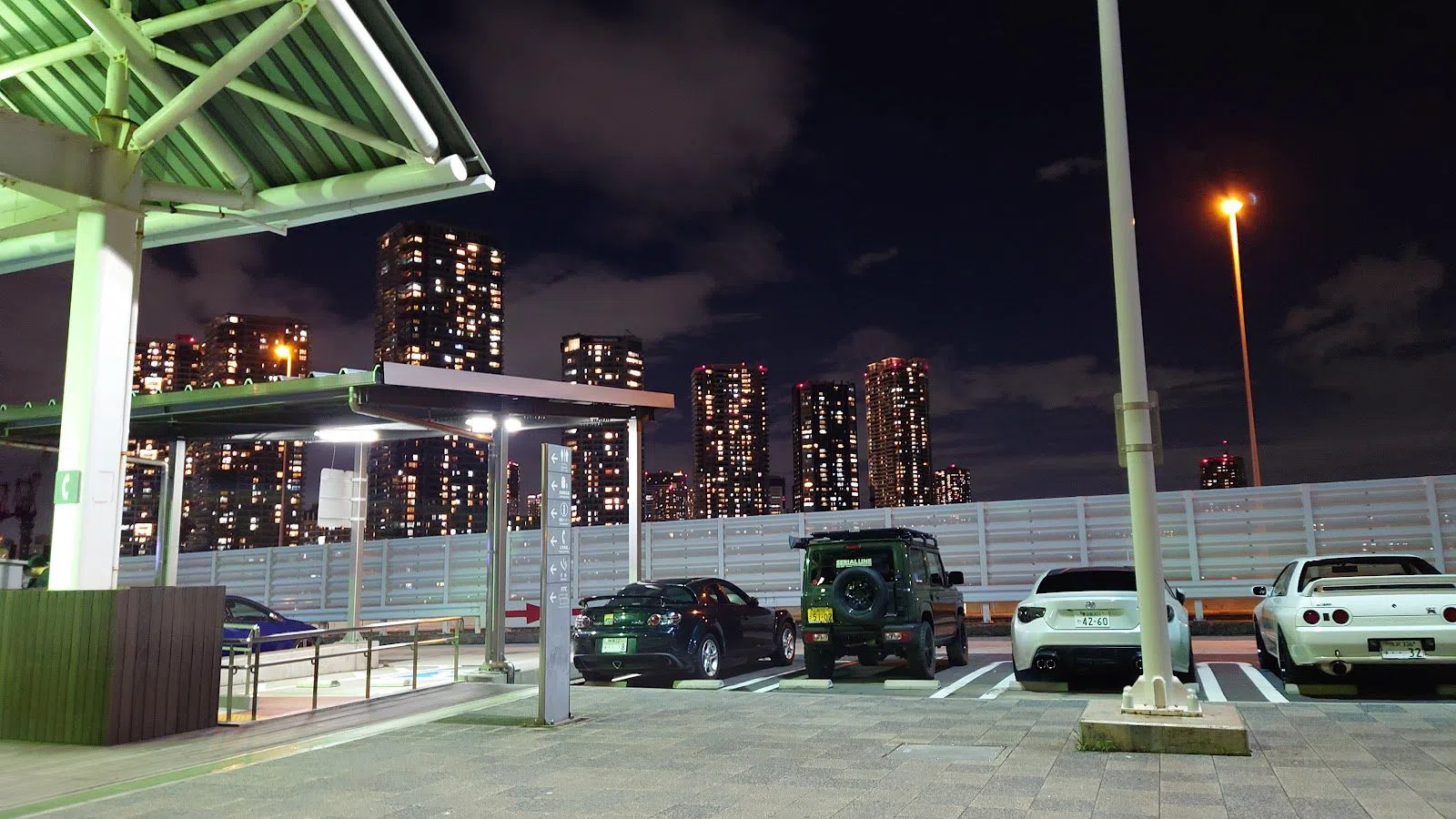
Tatsumi PA (Tatsumi Parking Area, on the wangan bayside stretch) is the insiders' spot, and it feels different from Daikoku. It's smaller, with high turnover, and it leans toward circuit and time-attack builds rather than showpieces — a genuine contrast if you've already done the big meet. It has the best skyline backdrop of the three. Because it's tiny, keep your group low-key; a coachload piling out changes the mood and draws attention. Friday and Saturday nights peak early, then a police "evacuation" broadcast typically clears the place within about an hour, so don't dawdle over coffee. It's free, and it's usually folded into a guided Tokyo car-meet tour rather than visited alone.
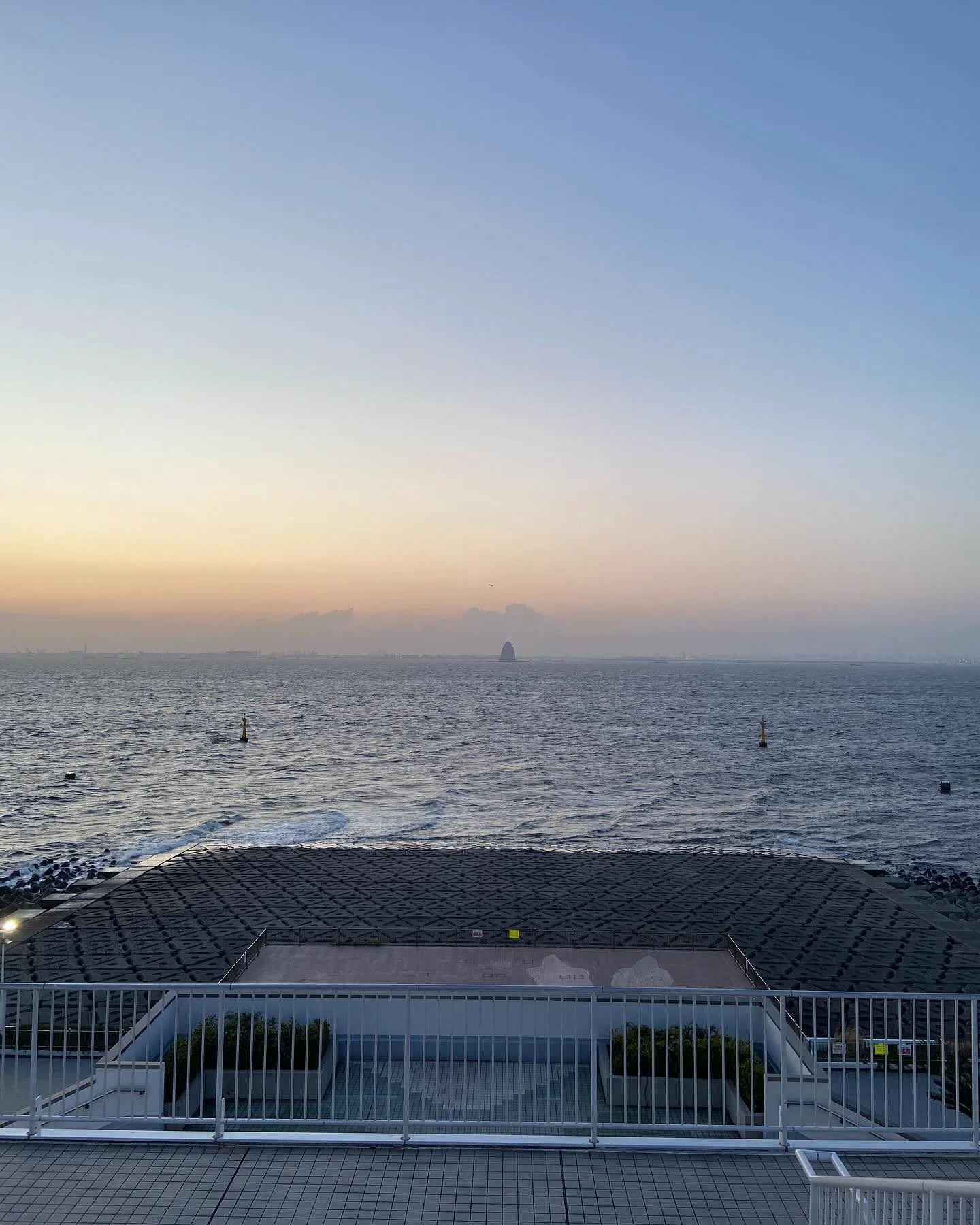
Umihotaru PA (Umihotaru Parking Area, out on the Aqua-Line across the bay) is the scenic wildcard. It sits surrounded entirely by water, and on a clear night you can see Fuji from it. It's spacious, so groups are genuinely welcome here — no need to shrink yourself the way you do at Tatsumi. The trade-off is predictability: meets are less frequent and harder to time than at Daikoku, so sell this to yourself as a calm, photography-friendly stop on a bay night run rather than a guaranteed gathering. It's free to attend, but the Aqua-Line toll is about £15 / ¥3,000 by car; alternatively, add it to a bay-cruise tour and let someone else pay the toll.
A note on all three: this is not a nightclub crawl. The pattern is drive out, park, walk the rows, talk to owners who are usually happy to have their cars admired, then move on before the authorities do. Couples will find Daikoku and Umihotaru the easier pair; a mates' group can do all three in a night with a driver, but Tatsumi rewards restraint.
Plan your Tokyo trip
Live prices from our booking partners.
Free cancellation on many rooms. We may earn a commission when you book.
Driving it yourself
Watching is one thing. If you actually want to drive — and most people reading this do — there are three routes, each suited to a different type of group.
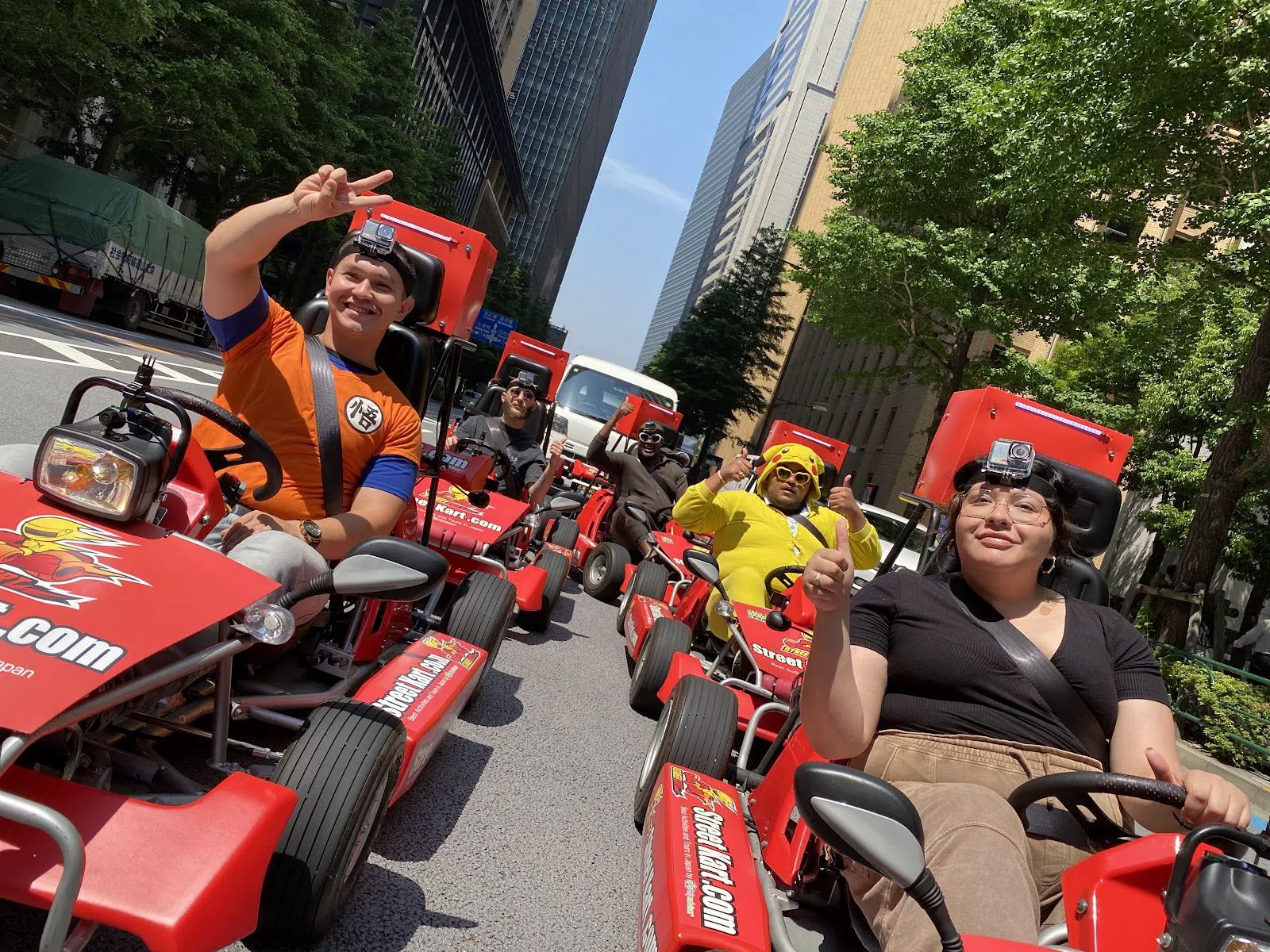
Street Kart (branches in Akihabara, Shibuya, Asakusa and Shinagawa) is the most tourist-accessible slice of the whole scene. This is the operator that used to trade as "MariCar" before Nintendo forced the rename, and it's purpose-built for groups: book several karts and ride as a convoy through real Tokyo traffic. The hard requirement is licensing — every driver needs a valid International Driving Permit under the 1949 Geneva Convention, plus their passport. Sort that at home before you book; a UK licence alone will not get you in a kart, and there's no talking your way past it on the day. Expect roughly £45–£90 / ¥8,000–16,000 for a one-to-two-hour tour. For a stag group or a gang of mates, this is the obvious anchor for an evening.
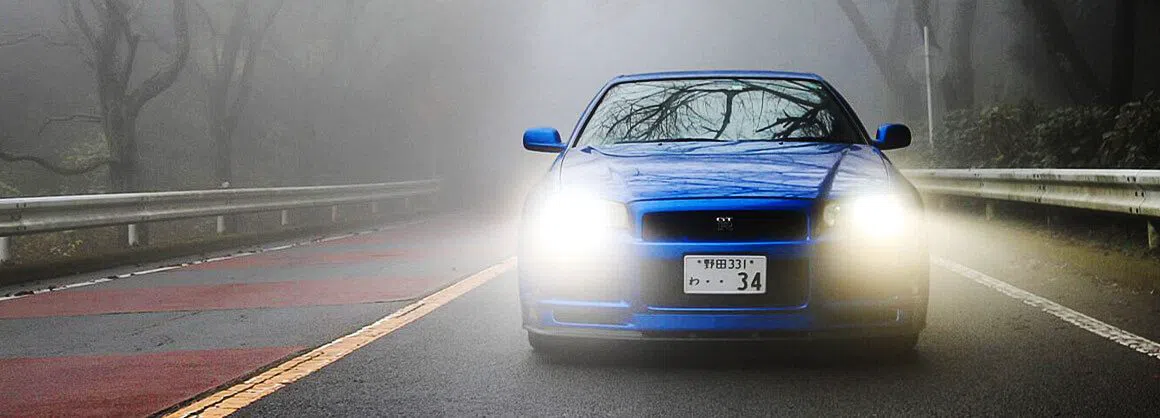
Omoshiro Rent-a-car (Tokyo pickup at Yutenji and Higashi-Ikebukuro; the HQ is out in Noda, Chiba) is the step up for a serious enthusiast. Instead of a kart, you rent an actual classic JDM icon and drive it yourself. The model is one car per driver, so a group can take several and cruise together. Each driver needs an IDP, same as above. Pricing depends heavily on the car — figure £110–£230 / ¥20,000–40,000 per day. This is the standout hands-on experience if watching a GT-R roll past at Daikoku isn't going to be enough for you; use one of the Tokyo pickup points rather than trekking out to Chiba unless you specifically want to.
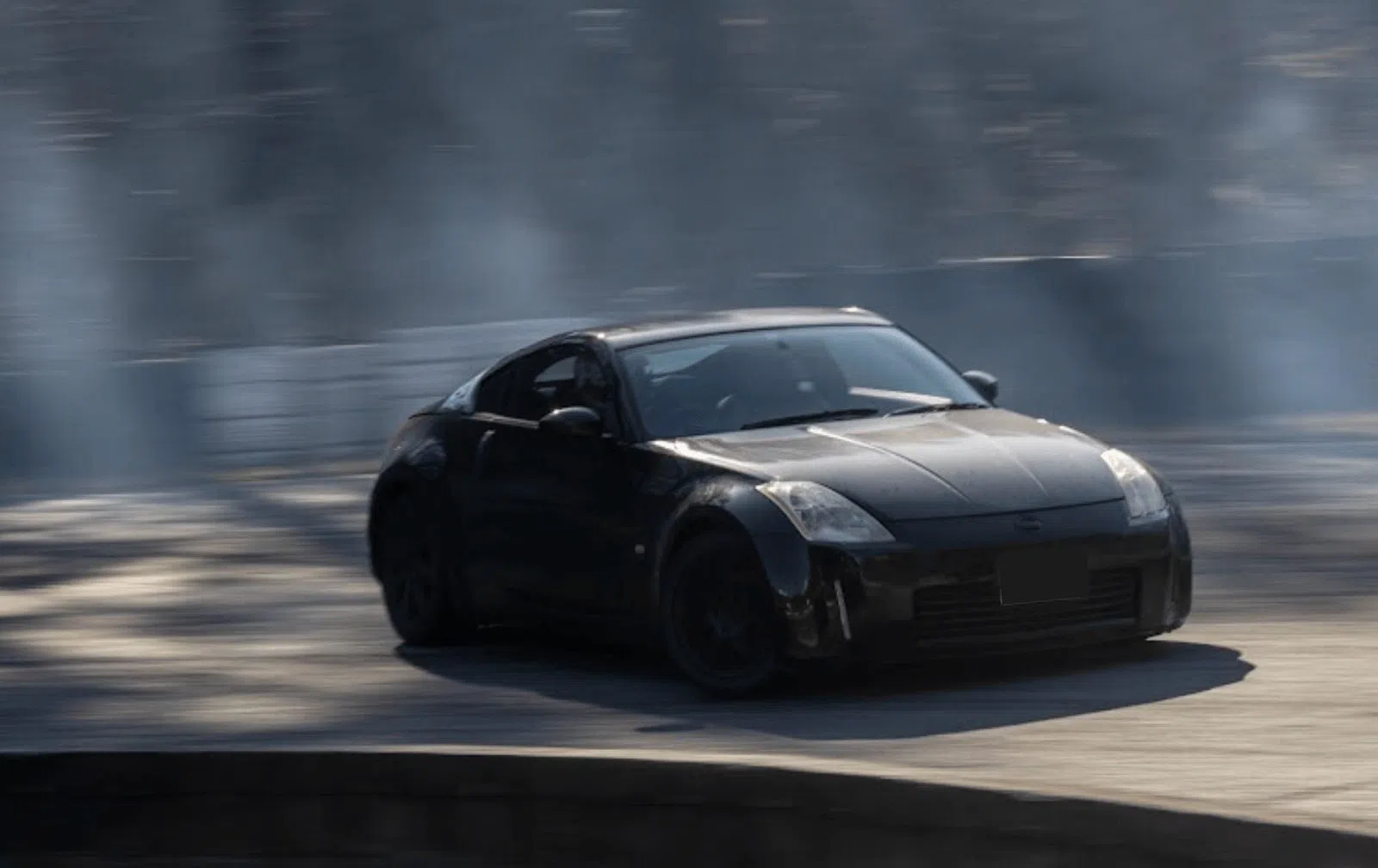
JDM Drift Tours (hotel pickup in Tokyo) is the adrenaline entry, and crucially it needs no licence at all — you ride, you don't drive. Built for groups, it runs riders through guaranteed passenger runs, typically around ten minutes a round, at circuits such as Tsukuba and Fuji Speedway. Because no one needs an IDP, it works for a mixed group where not everyone can or wants to drive. Cost spans £55–£220 / ¥10,000–40,000 depending on the format and how far the transport has to take you. It's the most direct real-world nod to the films that made this scene famous, and it's the safest bet for a group with varied confidence behind the wheel.
The tuner shops worth a detour
These are working businesses, not museums, and that distinction matters for how you behave and what you should expect. Go in as a respectful visitor, not a ticket-holder.
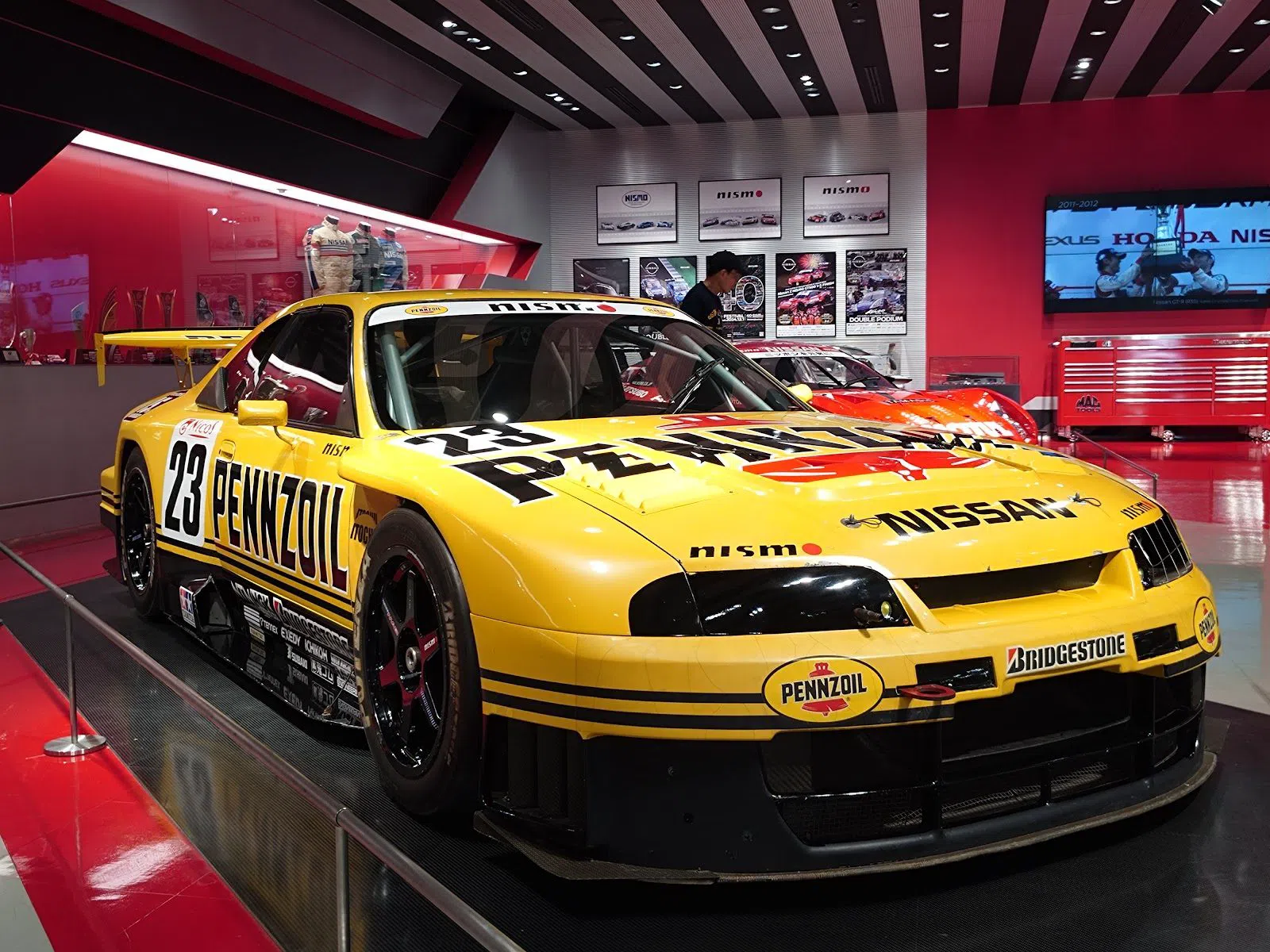
Nismo Omori Factory (the showroom, in the Omori area toward Yokohama) is a genuine pilgrimage for GT-R fans and the most visitor-friendly of the three. The public gallery is free and suits small groups, but it's weekends only, and the build floor beyond the showroom is customers-only — you see the gallery, not the workshop. Check the official calendar before you go, as it closes for special events. It's a short hop from the Daikoku run, so the smart move is to pair the two into a single Yokohama-facing day: showroom by daylight, meet after dark.
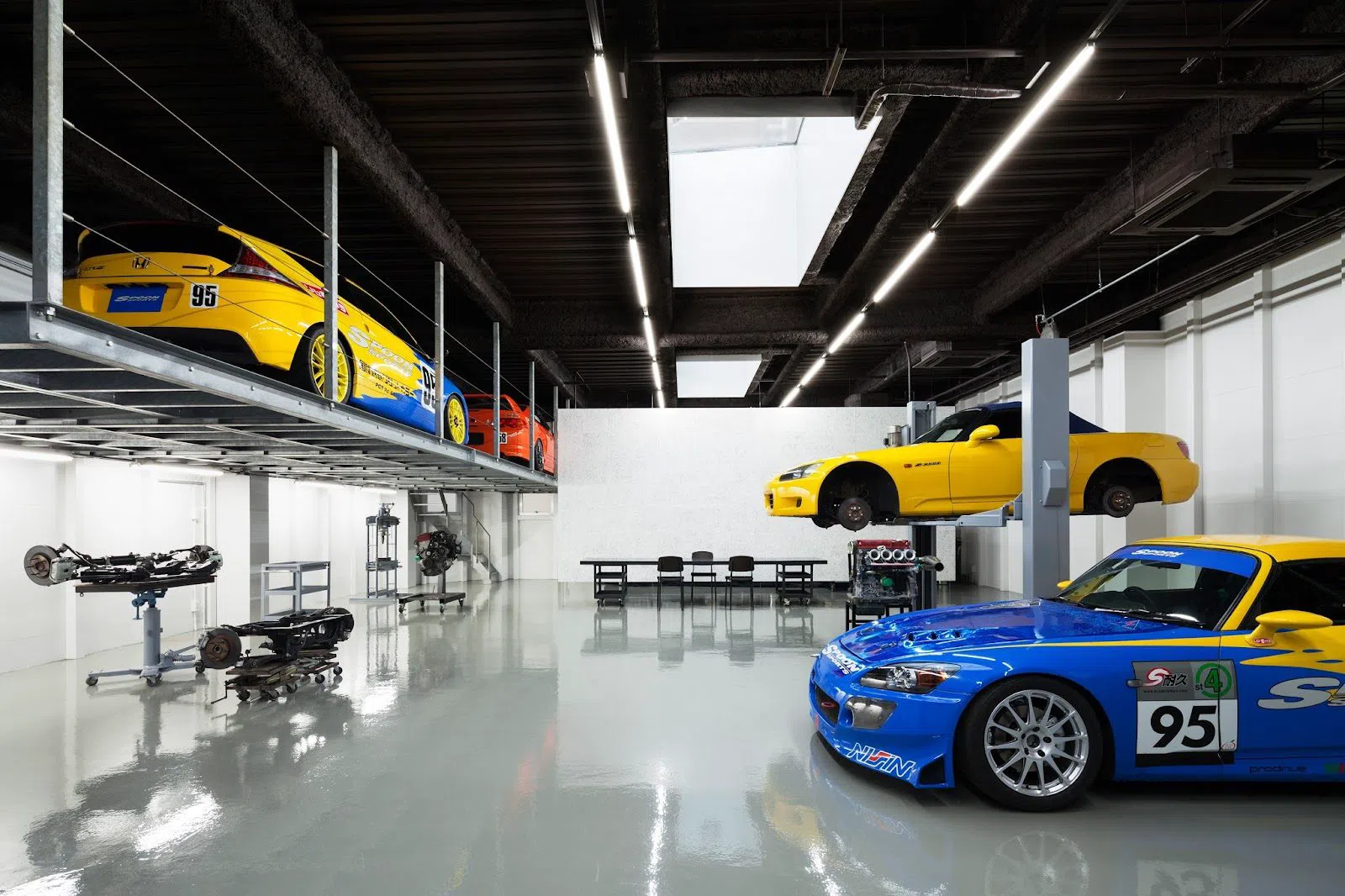
Spoon Sports Type One (about a 20-minute walk from Ogikubo Station) is a cult stop for Honda diehards, and it's inside Tokyo proper rather than out in the suburbs. The showroom is small, so keep your group modest — this is a specialist detour, not a headline attraction. It's weekdays only and closed at weekends, which catches people out, so plan it into a Monday-to-Friday slot. The staff speak English, entry is free, and there are parts and merch to buy if you want a souvenir with real provenance.
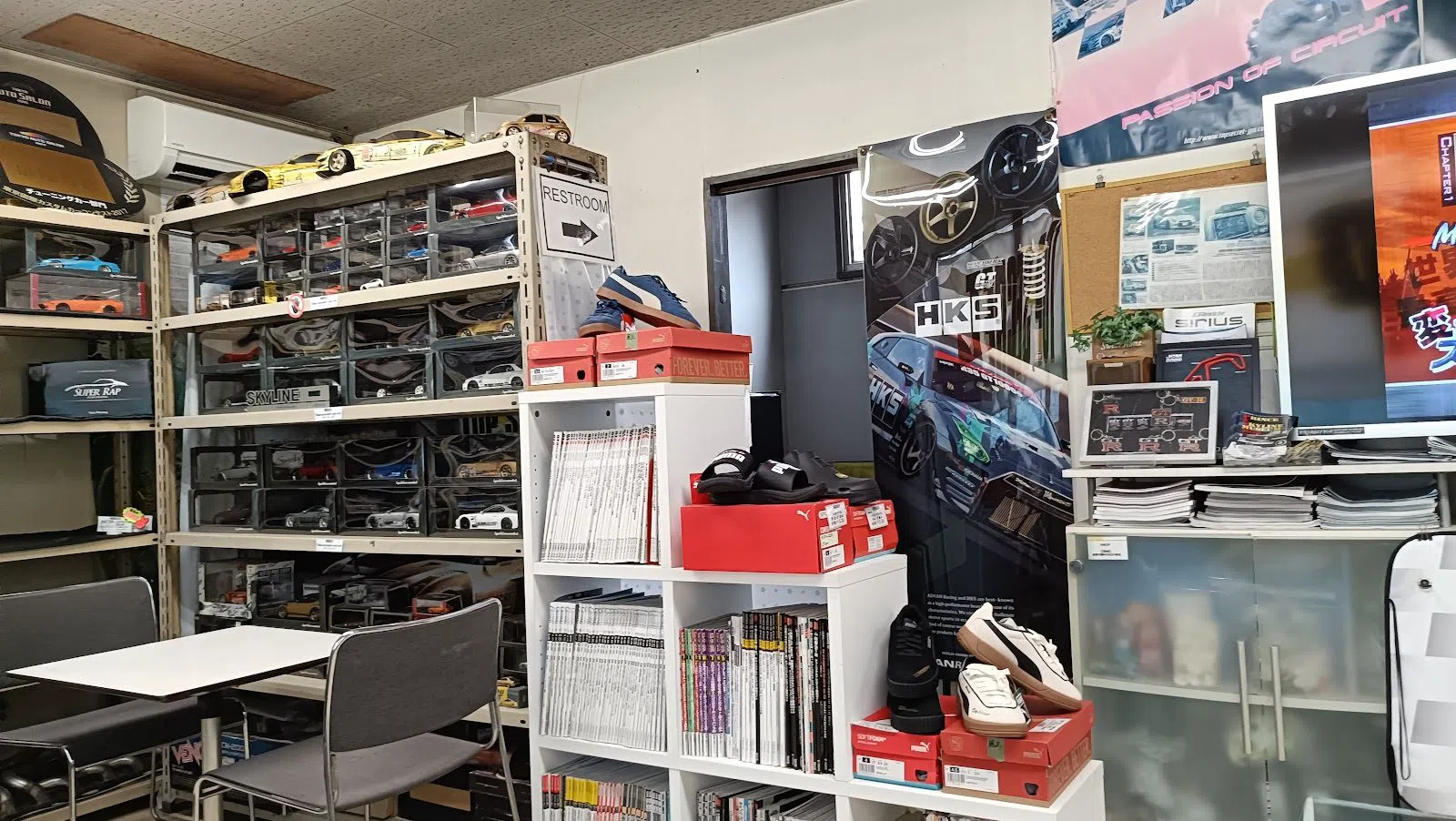
Top Secret (in Greater Tokyo, out in Chiba) is a bucket-list name — the shop behind the 300km/h "Godzilla" legend. Be clear-eyed about what a visit is: this is a private business doing you a favour, not a ticketed experience. Small groups only, go on a weekday, and ideally call or message ahead. If you catch it open, the showroom is a record of extraordinary builds and it's free to browse, with parts for sale. If you can't reach anyone in advance, don't build your day around it — treat it as a bonus stop rather than a fixed appointment.
Parts, merch and a rainy-day backup
Two of Tokyo's biggest retail names double as weather-proof plans when the night's meets look washed out.
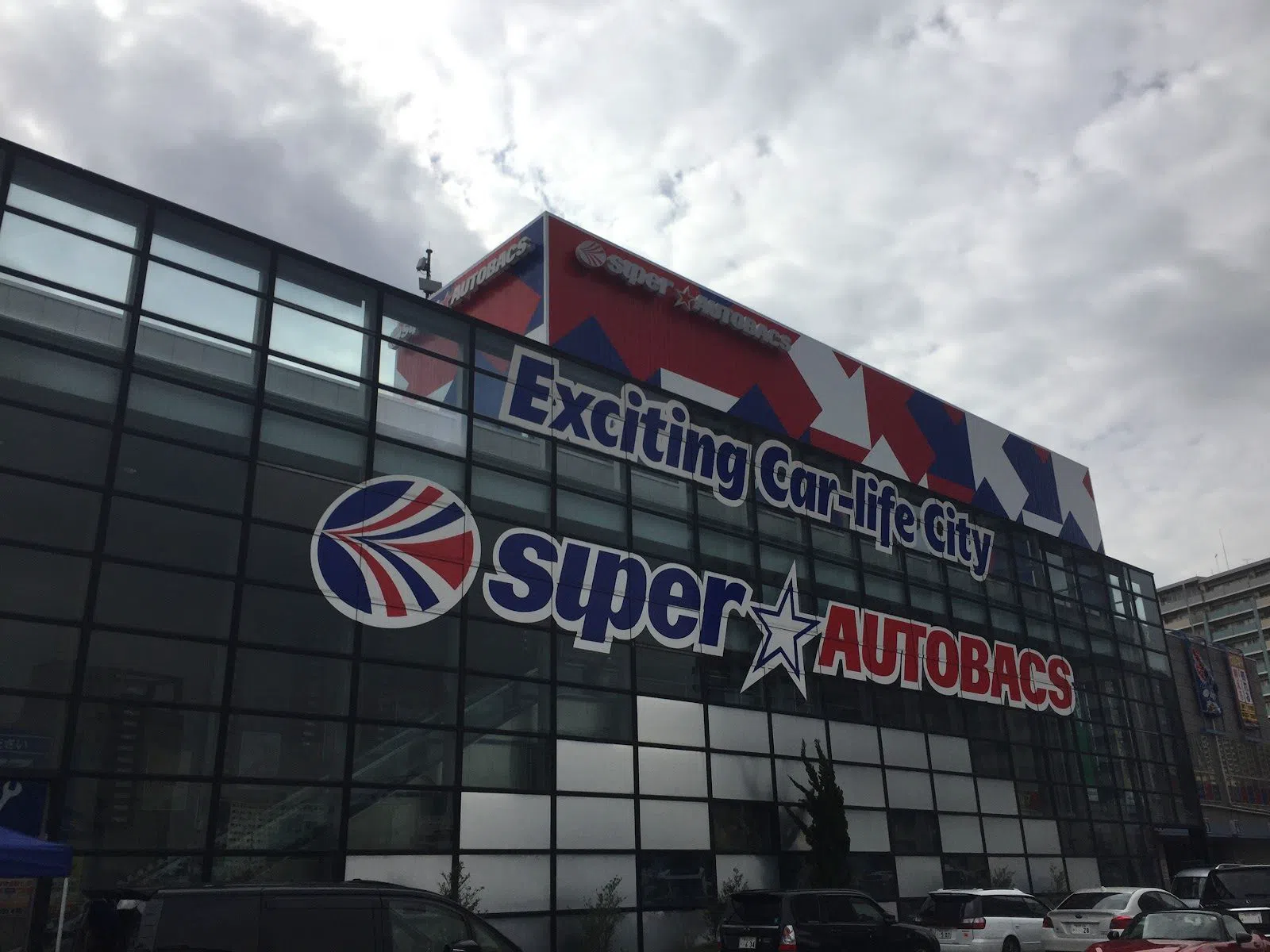
A PIT Autobacs Shinonome (an easy walk from Shinonome Station on the Rinkai Line) is the flagship — rebranded "A PIT" — of Japan's biggest parts chain. It's open daily 9:00–21:00, any group size is welcome, entry is free, and there's tax-free shopping for tourists. It photographs brilliantly and it's central, which makes it the ideal add-on when rain has killed your outdoor plans or you've got a spare afternoon.
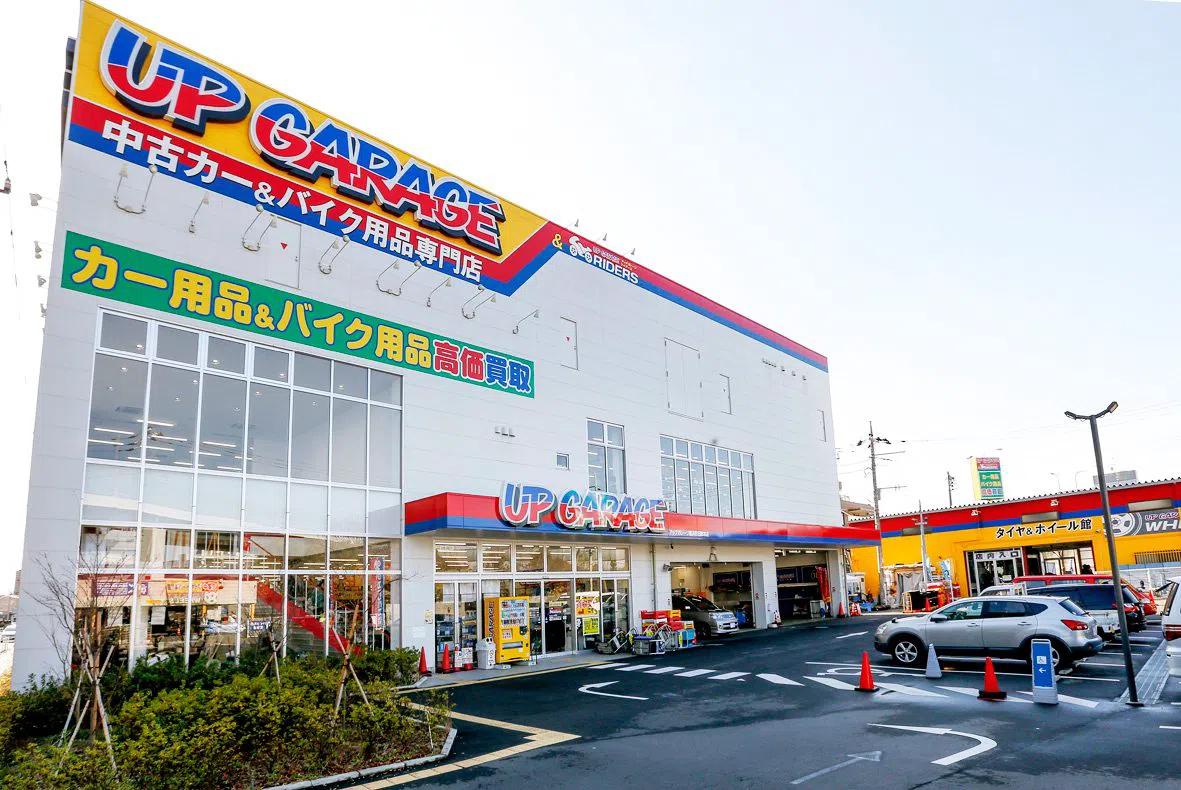
Up Garage Machida (the Tokyo-area flagship, at Machida) is the bargain-hunter's counterpoint. It's Japan's biggest used-parts chain, open daily from roughly 10:00 to 20:00, with tax-free available and free entry. Any group size is fine. For anyone who's ever wanted a genuine, used JDM part as a souvenir rather than a keyring, this is the rabbit hole — budget more time than you think you'll need.
Planning notes
Transport. The expressway meets are the whole reason to book a tour or a driver — you physically cannot reach Daikoku, Tatsumi or Umihotaru by train, and the Aqua-Line to Umihotaru carries its own toll (about £15 / ¥3,000). The shops and showrooms are the opposite: A PIT is a short walk from Shinonome on the Rinkai Line, Spoon is about 20 minutes on foot from Ogikubo, Up Garage is at Machida, and Nismo pairs naturally with a Yokohama-direction day. Sort your Tokyo hotel search with an eye on which side of the city your driving day sits — a base with easy expressway pickup access saves you an hour each way.
Licences. If you intend to drive anything — a kart at Street Kart or a car from Omoshiro — you need an International Driving Permit under the 1949 Geneva Convention plus your passport, arranged before you leave home. There is no on-the-day workaround. JDM Drift Tours is the exception: you ride, so no permit is needed.
Cash and timing. Carry some yen; tolls, small purchases and a few operators still prefer it. The meets run late — plan for a genuinely post-midnight night — and remember that Tatsumi in particular gets cleared by police within about an hour of its peak, so arrive when it's live rather than late. Nismo and the meets both point toward Yokohama, so stack them; Spoon and Top Secret are weekday-only, so anchor a weekday around them.
Budget. A watching night out with a guided car-meet tour lands around £70–£130 per person. Driving pushes it up: Street Kart from about £45, Omoshiro from around £110 a day, drift ride-alongs anywhere from £55 to £220 depending on transport and format. The shops and showrooms are free, which makes them the natural filler between the paid experiences. For everything else on planning a night around this — neighbourhoods, where to eat first, getting around — the wider Tokyo guide is the place to start.
One last honesty note: the underground scene is exactly that. Turnouts vary, the police move people on, and no operator can guarantee you a car park full of legends on your specific night. Go for the certainty of the driving experiences and the shops, and treat a heaving Daikoku as the night that made the trip.
Before you go
Can I visit Daikoku PA on my own without a tour?
Not on foot. Daikoku Futo PA sits inside a loop of the Shuto Expressway and is cars-only, so you can't reach it by train or by walking in. The practical options are a small-group guided car-meet tour with hotel pickup (roughly £70–£130 / ¥13,000–24,000 per person) or hiring a driver for the night. Attending itself is free.
Is the car meet guaranteed to be busy when I go?
No — and any operator who promises a full turnout is overselling it. The meets are weather- and police-dependent. A dry Friday or Saturday at Daikoku can be spectacular, but rain or a patrol presence can thin it out fast. Tatsumi in particular is usually cleared by a police broadcast within about an hour of its peak.
Do I need a licence to drive at Street Kart or rent from Omoshiro?
Yes. Every driver needs a valid International Driving Permit under the 1949 Geneva Convention, plus their passport — arranged before you travel. A UK licence alone won't do, and there's no workaround on the day. If you don't have an IDP, JDM Drift Tours is the alternative: you ride as a passenger, so no licence is required.
Which parts of the scene suit a group versus a couple?
Street Kart, JDM Drift Tours, A PIT Autobacs and Up Garage all handle groups easily. Umihotaru is spacious and group-friendly too. Tatsumi is tiny, so keep groups low-key there, and the tuner showrooms — Nismo, Spoon, Top Secret — are small and best visited in modest numbers. Couples will find Daikoku and Umihotaru the most relaxed pair.
When are the tuner shops and showrooms open?
It varies, so plan around it. Nismo Omori Factory's showroom is weekends only; Spoon Sports Type One is weekdays only (closed weekends); Top Secret is a working shop best visited on a weekday with a call ahead. A PIT Autobacs is open daily 9:00–21:00 and Up Garage Machida daily around 10:00–20:00 — both good weather-proof backups.