The Tokyo issue
How Tokyo Soaks: Inside the City's Enduring Bathhouse Rituals
A practical, honest map of Tokyo's hot-spring spas and neighbourhood sento — which soak suits a couple, a group, or a traveller with tattoos, and exactly how to get in.
By Lukas BrandtTokyo on foot, timed to the temple gates
Tokyo runs hot beneath the concrete. Drill deep enough almost anywhere in the city and you hit mineral water — amber, black, sometimes faintly gold — and for a century Tokyoites have built tiled rooms around it and made a nightly ritual of getting clean and getting warm. What follows is not a mood piece. It is a working guide to where to soak, who each place suits, what it costs in yen, and the one question that decides everything if anyone in your party has a tattoo.
How a Tokyo soak actually works
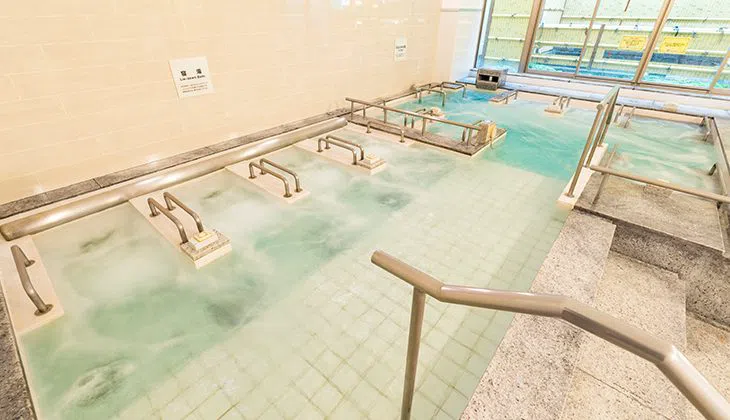
The mechanics are the same whether you pay 550 yen at a backstreet sento or 3,000-plus at a polished spa. You pay at the door or a vending machine, split by gender into changing rooms, strip completely, and wash sitting down at a tap station before you go anywhere near the communal water. The small towel you carry never touches the bath; people rest it on their head or the rim. Baths are naked and single-sex — the only exceptions are the swimsuit 'Baden' garden areas at a couple of resort-style places below. Tie up long hair, don't photograph the bathing floor, and don't linger red-faced past your limit. None of this is precious; it is just how 13 million people share the same water without friction.
Two words worth knowing: a sento is a neighbourhood public bath, historically heated tap water, cheap and social. An onsen draws real hot-spring water, and Tokyo has more genuine onsen inside its ward boundaries than most visitors expect.
Plan your Tokyo trip
Live prices from our booking partners.
Free cancellation on many rooms. We may earn a commission when you book.
The easy central introduction
If this is your first Tokyo soak and you want zero friction, start big and central.
Thermae-Yu (Kabukicho, Shinjuku) is the obvious pick: a proper onsen-spa complex on real trucked-in hot-spring water, a ten-minute walk from Shinjuku Station, open 24 hours, with English-speaking staff, large lockers and a walk-in door that copes easily with groups. Weekday entry is 2,364 yen and weekends 2,688 yen; buy an advance ticket at 2,000 yen and it includes your towels and in-house wear. One hard caveat — visible tattoos are not allowed here. If anyone in your party has ink, this is the wrong door; check before you commit the group to it, and read the tattoo section below.
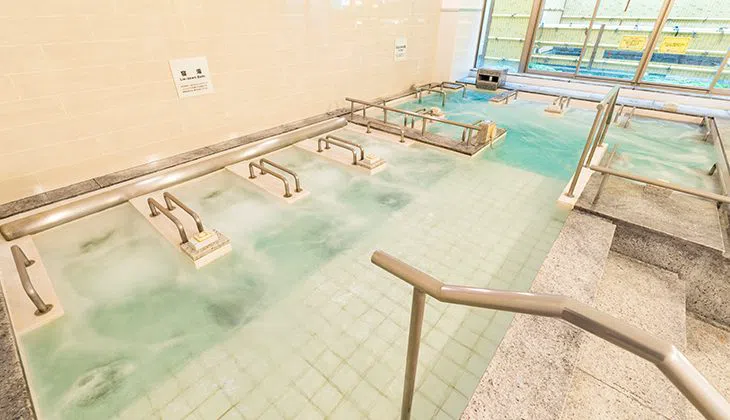
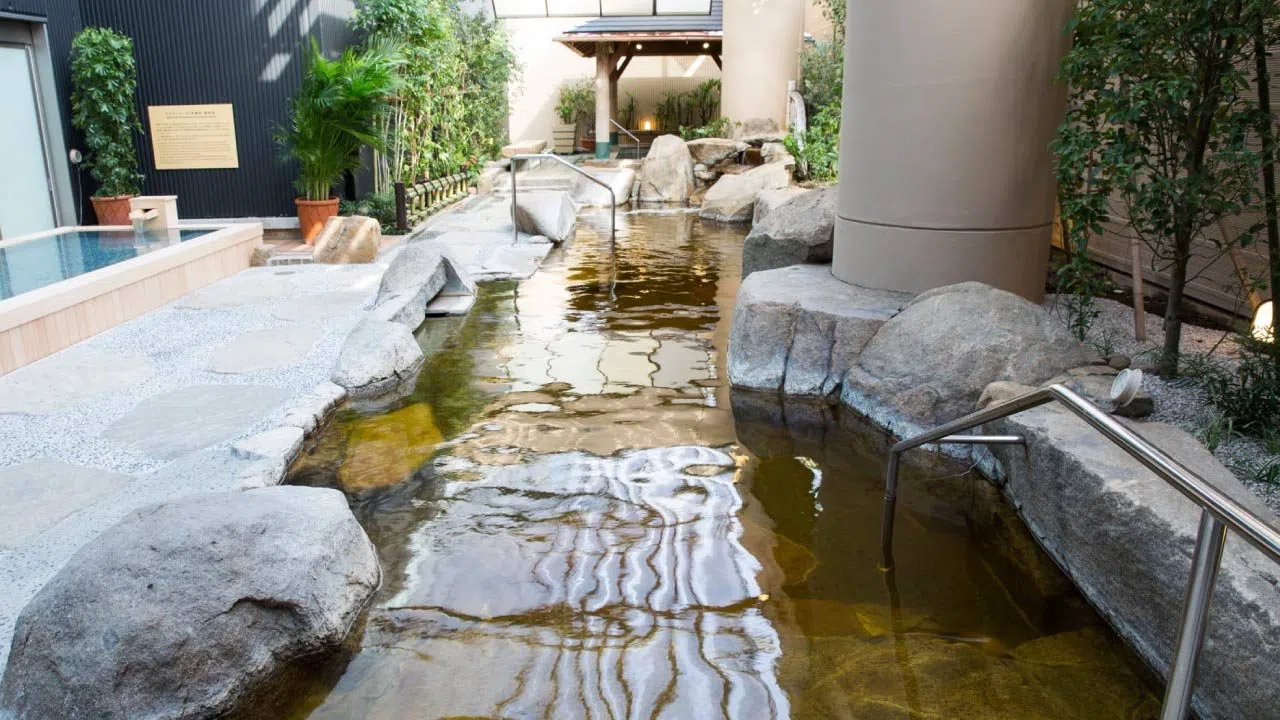
Spa LaQua (Korakuen, beside Tokyo Dome) is the grown-up, all-day version: a refined urban spa on genuine hot-spring water with lounge and dining floors and 22-hour opening, so a group can drift between baths, food and a nap without watching the clock. Admission is around 3,230 yen for adults, with the premium 'Healing Baden' bedrock-bath area charging extra. Note it takes brief off-days around 5–9 October 2026, so check the calendar if you're travelling then.
Times Spa Resta (Ikebukuro) is the after-dark choice — one of central Tokyo's classiest complexes, hidden atop a car park eight minutes from Ikebukuro Station, running natural hot-spring baths, saunas and treatments until 9am. It suits a group unwinding after a long night out. Reckon on around 3,000 yen and up, with bedrock-bath and late-night surcharges added separately.
If anyone in your party has tattoos
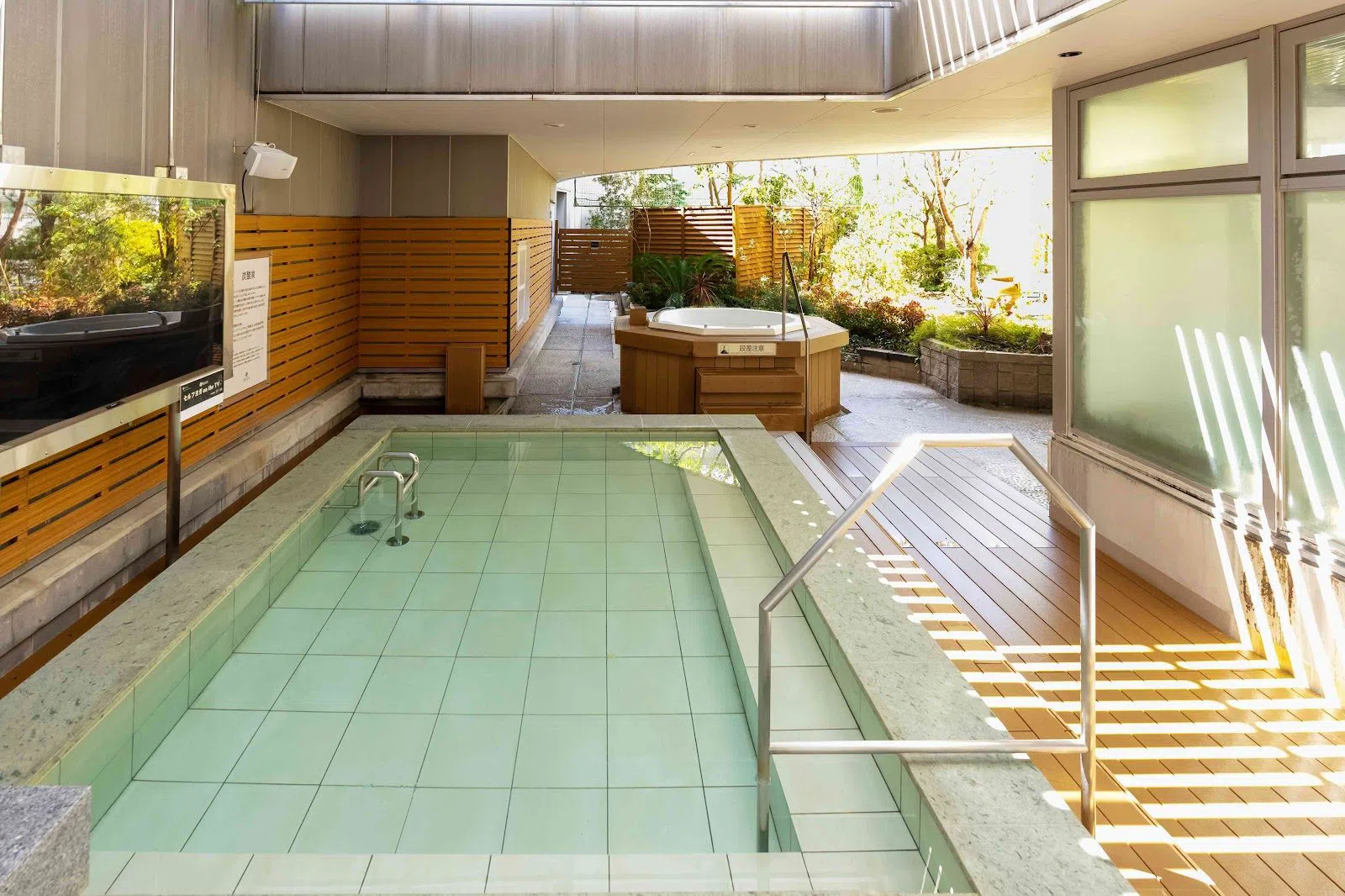
This is the single biggest planning decision, and the honest answer is that most of the big commercial spas above will turn away visible ink. Tokyo does, however, have a handful of genuinely no-questions baths. If your group is inked or mixed, plan around these rather than gambling at a door.
Daikoku-yu (Oshiage, near Skytree) is the safe choice — fully tattoo-friendly, welcoming, and home to arguably the best Skytree soak in the city, six minutes on foot from Oshiage Station. Entry is about 550 yen. The baths alternate day to day, so a second visit genuinely differs from the first.
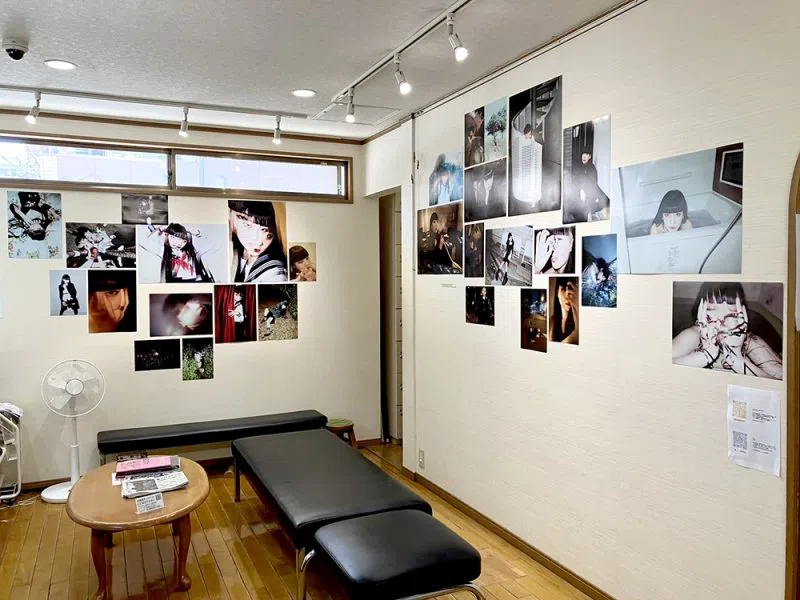
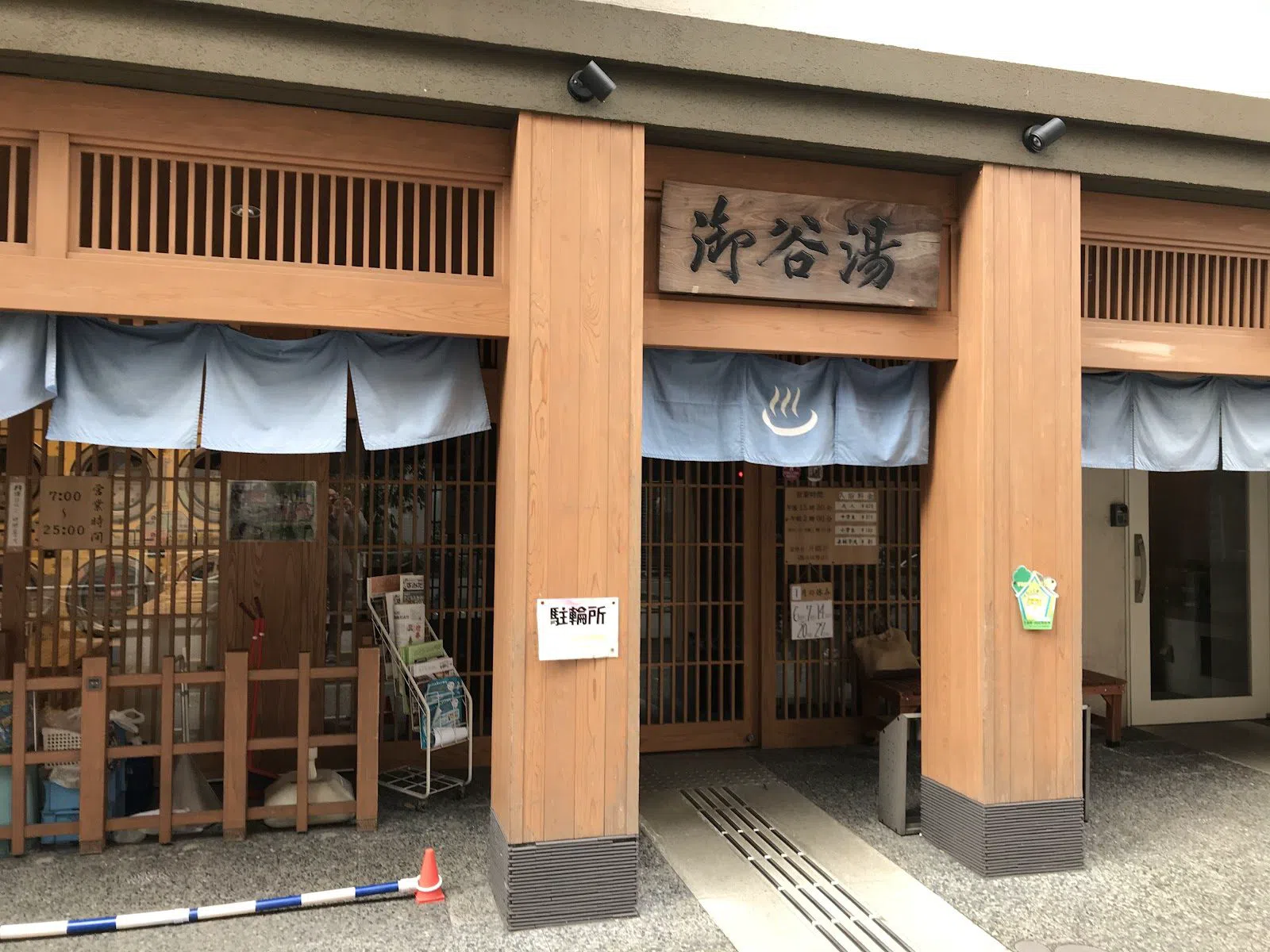
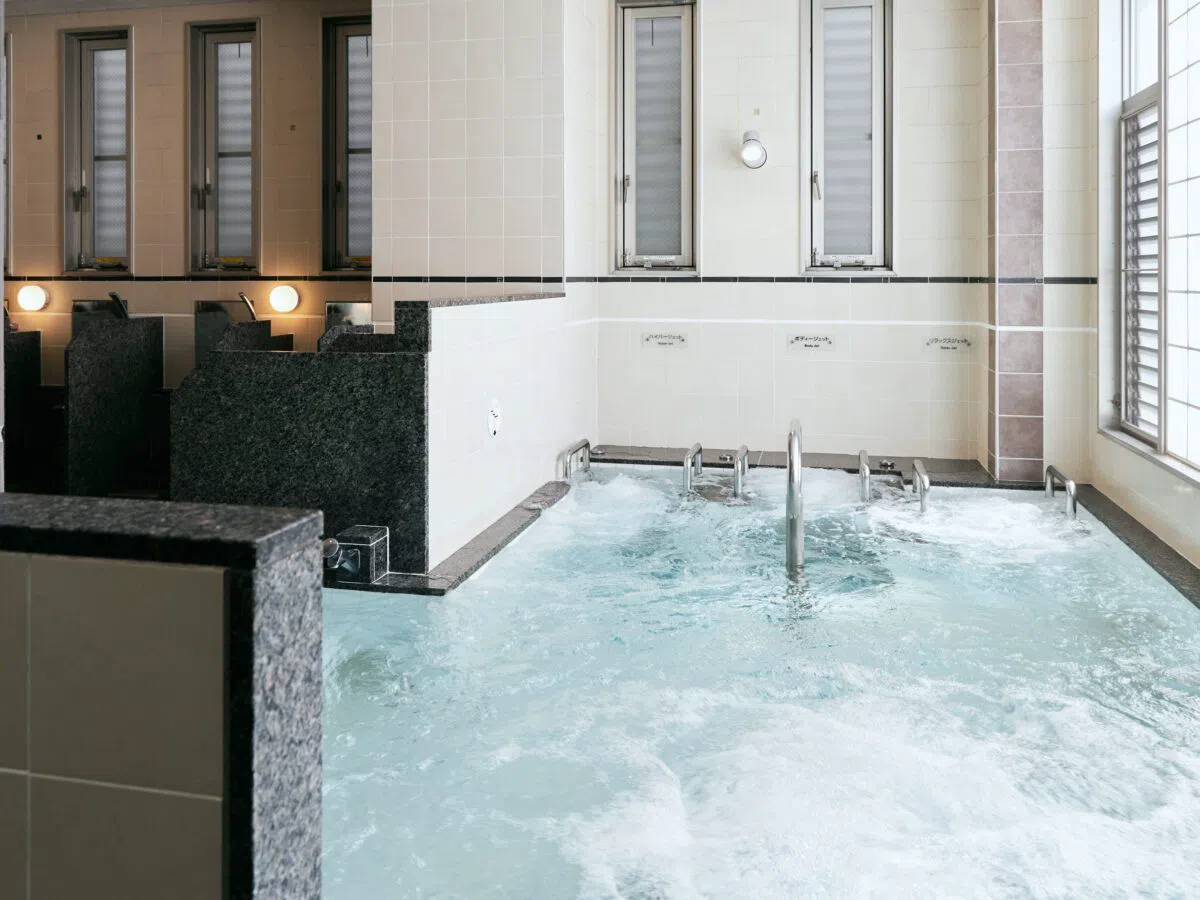
Mikokuyu (backstreet Sumida) is a gem filled with Tokyo's own amber-black kuroyu spring water, an inked-welcome door, and staff used to international visitors. Floors rotate weekly and there's beer served in the lobby afterward, which makes it comfortable for a small group to settle in. Budget roughly 550 yen plus about 200 yen for a towel set.
Musashi-Koyama Onsen Shimizu-yu (Musashi-Koyama, Shinagawa) is the connoisseur's pick: two chemically distinct hot springs — a rare black water and a golden one — under one 1923 roof, tattoo-friendly, compact and calm, easy for a couple or small group off the Musashi-Koyama shopping street. Entry is 550 yen, cash only.
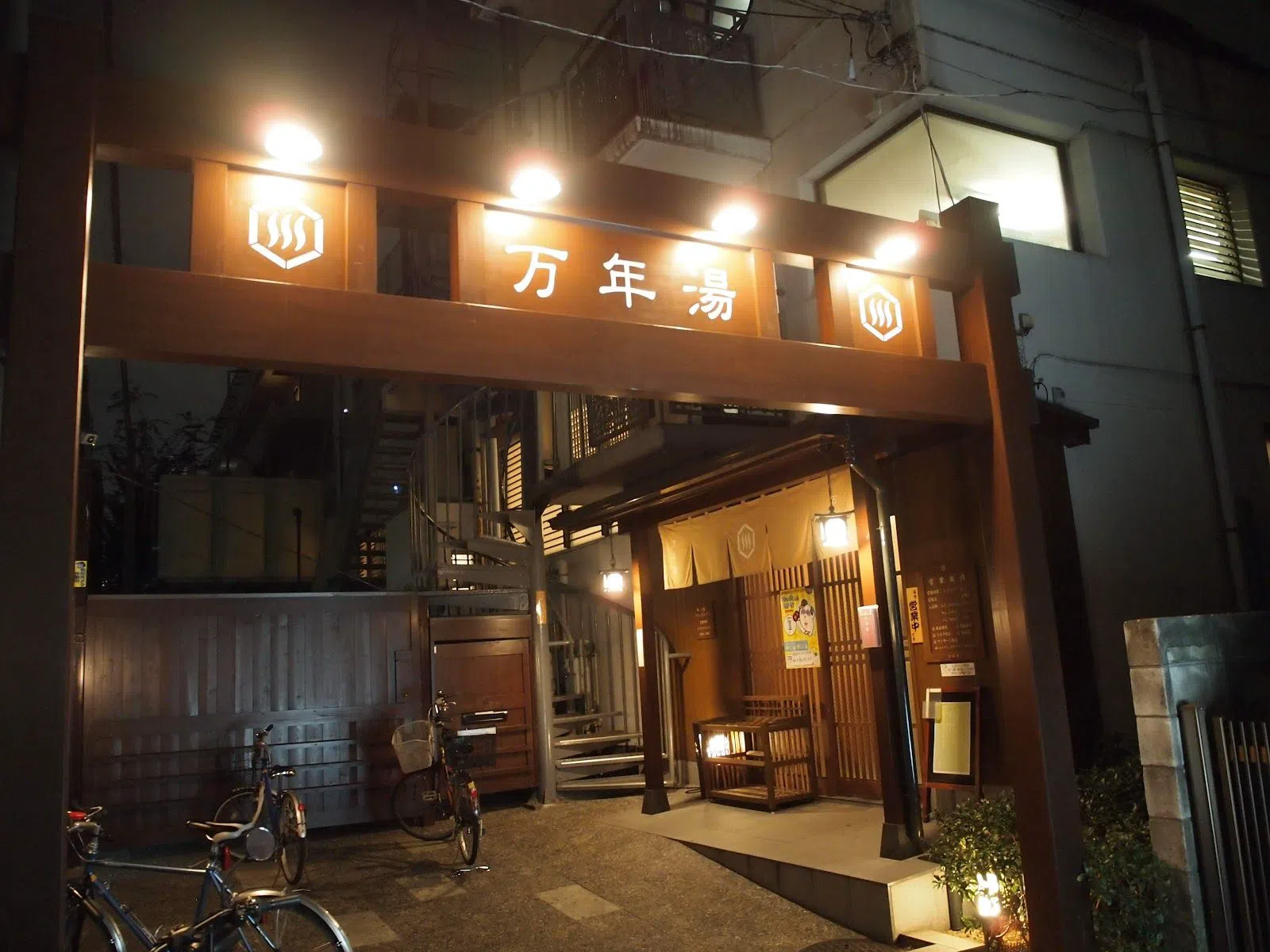
Mannenyu (Shin-Okubo) is the antidote to the big commercial spas: a genuine local sento five minutes from Shin-Okubo Station that quietly welcomes tattoos, good for a budget-minded group. Two honest warnings — it's tiny, and it's closed on Saturdays, opening 15:00–24:00 the rest of the week.
The sento revival
A wave of careful renovations has turned Tokyo's neighbourhood baths from endangered relics into destinations in their own right. These reward the traveller who wants architecture and atmosphere over resort scale.
Koganeyu (Sumida) is the poster child: one tiny bathhouse holding bold architecture, a wall of analog records and a craft-beer taproom, so you soak first and order beers after. Entry is around 550 yen with sauna extra, and beers run 600–900 yen. It's built for small groups of design- and beer-minded travellers, with a casual door; it opens 10:00–24:30 (Saturdays from 15:00). A second branch opens in Shinjuku in June 2026, which is worth knowing if you can't face the trip east.
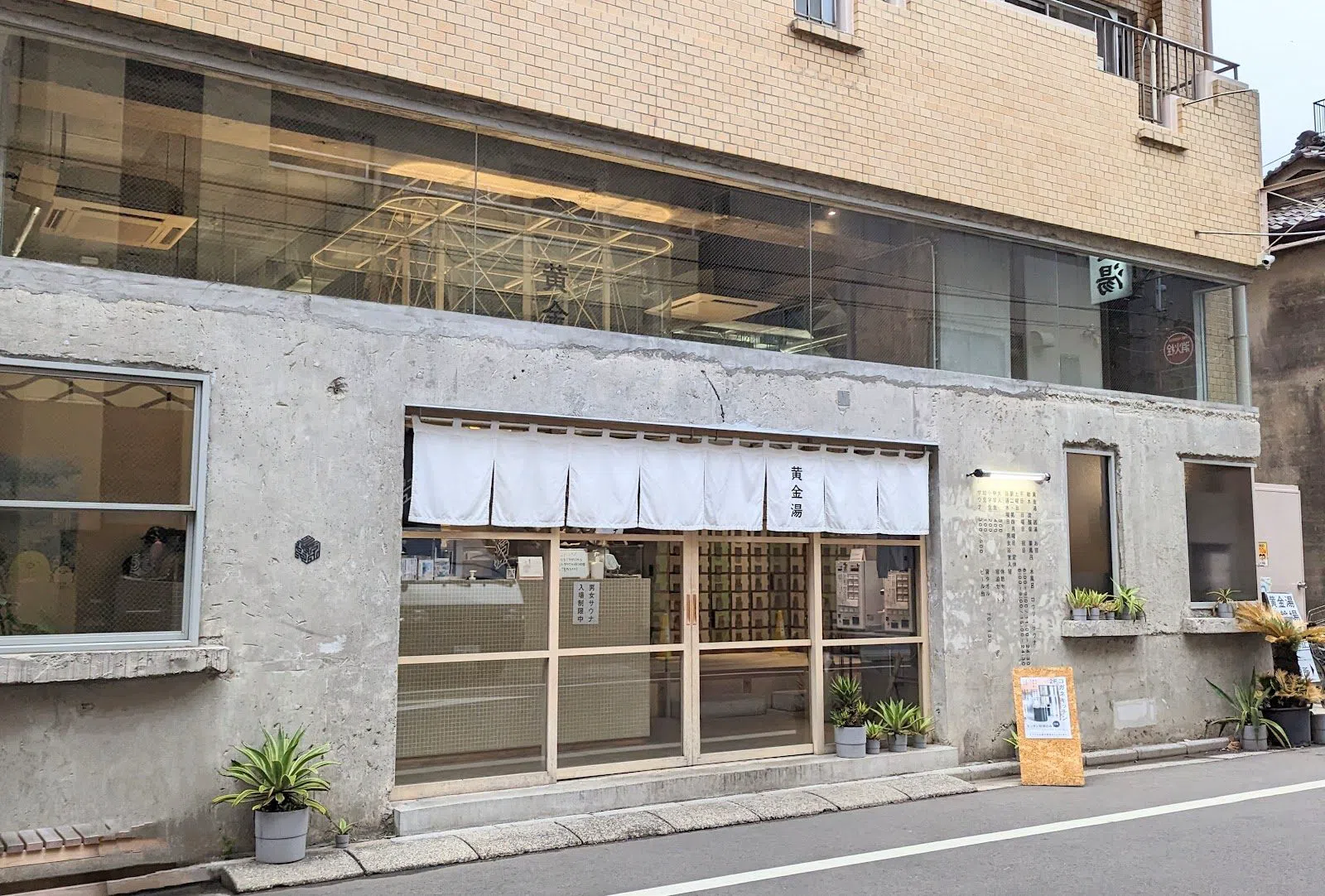
Kosugiyu (Koenji) is a beloved 1933 sento sensitively renovated in 2020 — the template the whole revival copies, and proof of what keeping an old neighbourhood bath alive looks like instead of demolishing it. Entry is about 550 yen, sauna extra, and it's friendly to visitors and small groups. If Koenji is too far out, a newer Kosugiyu offshoot sits inside Harajuku's 'Harakado' complex.
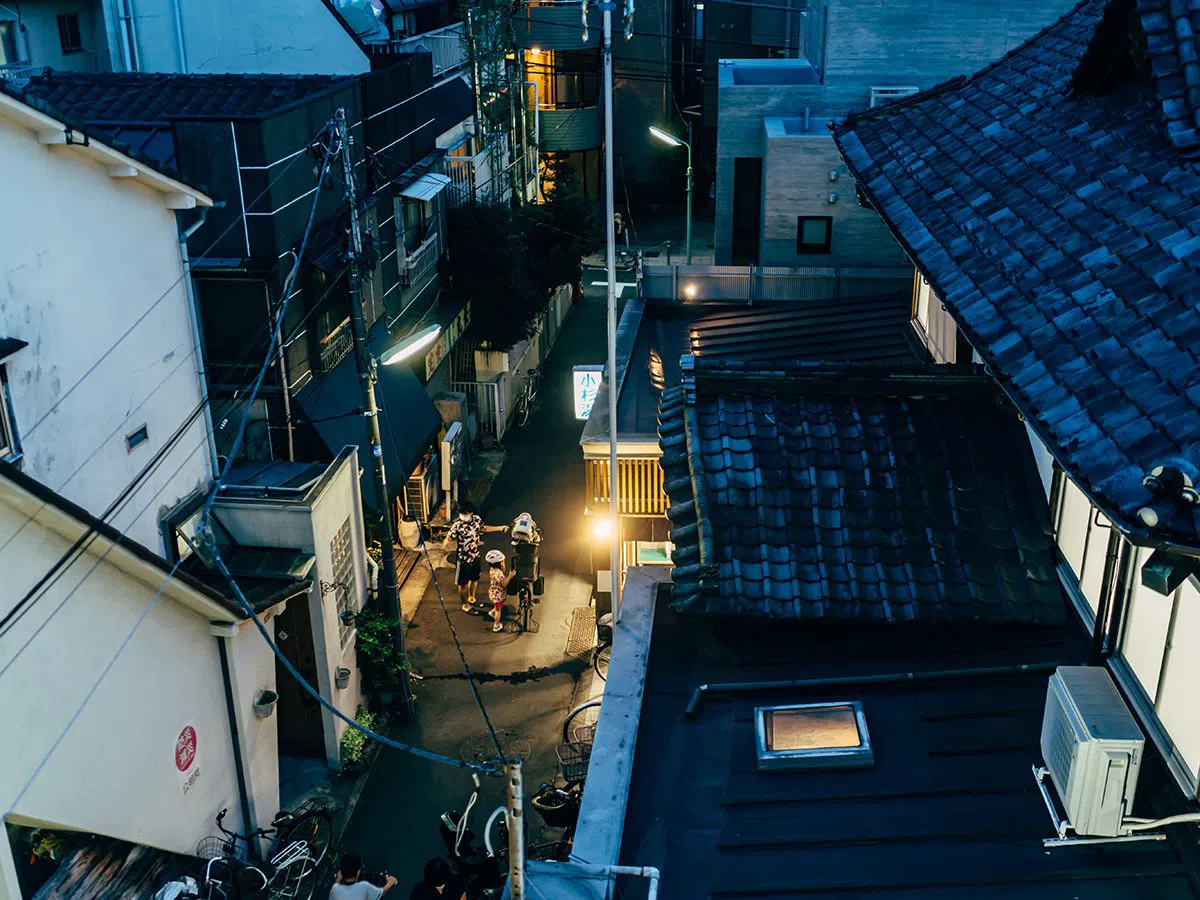
Takarayu (Adachi) is the quiet one, and the most photogenic garden bathhouse in the city — sento fans call it the 'King of Gardens'. You soak, then sit on the veranda watching koi and the seasons turn, a genuine slice of 1930s Tokyo. Entry is around 550 yen. It rewards a calm couple or a small, unhurried group; it is not a place to arrive as a rowdy crowd.
Real hot-spring water, no day trip required
You do not have to leave the 23 wards to soak in serious onsen water, and two places make a proper half-day of it.
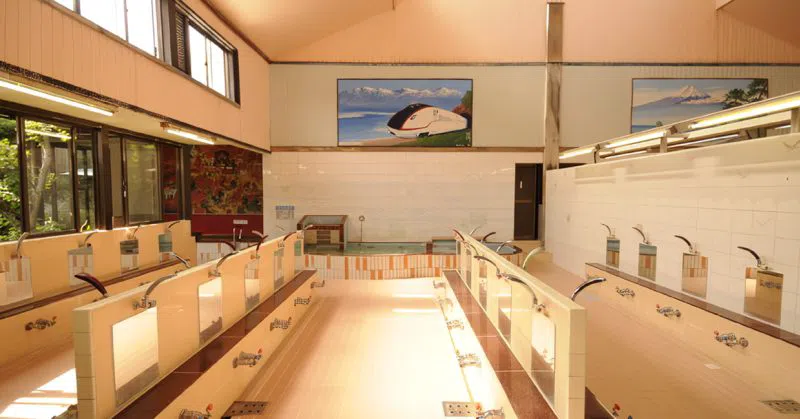
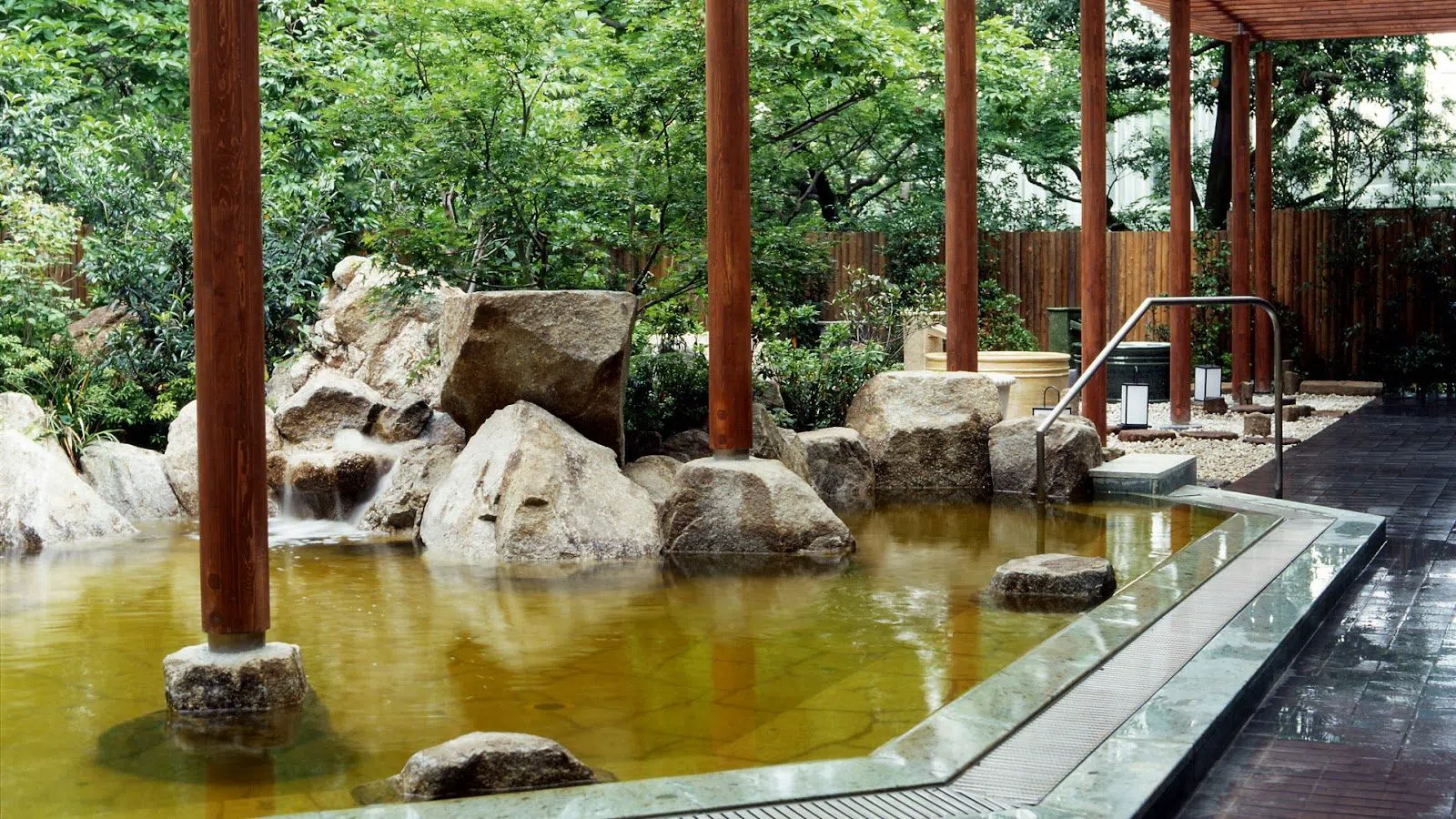
Maenohara Onsen Saya-no-Yudokoro (Itabashi) is the purist's choice — the only facility inside Tokyo's 23 wards pouring undiluted, unfiltered source hot-spring water, with a genuine countryside-onsen feel. It's a spacious super-sento built for lingering: rock baths, massage and dining under one roof, good for a group settling in for hours. Day admission is around 900 yen on weekdays and 1,100 yen at weekends — remarkable value for real source water.
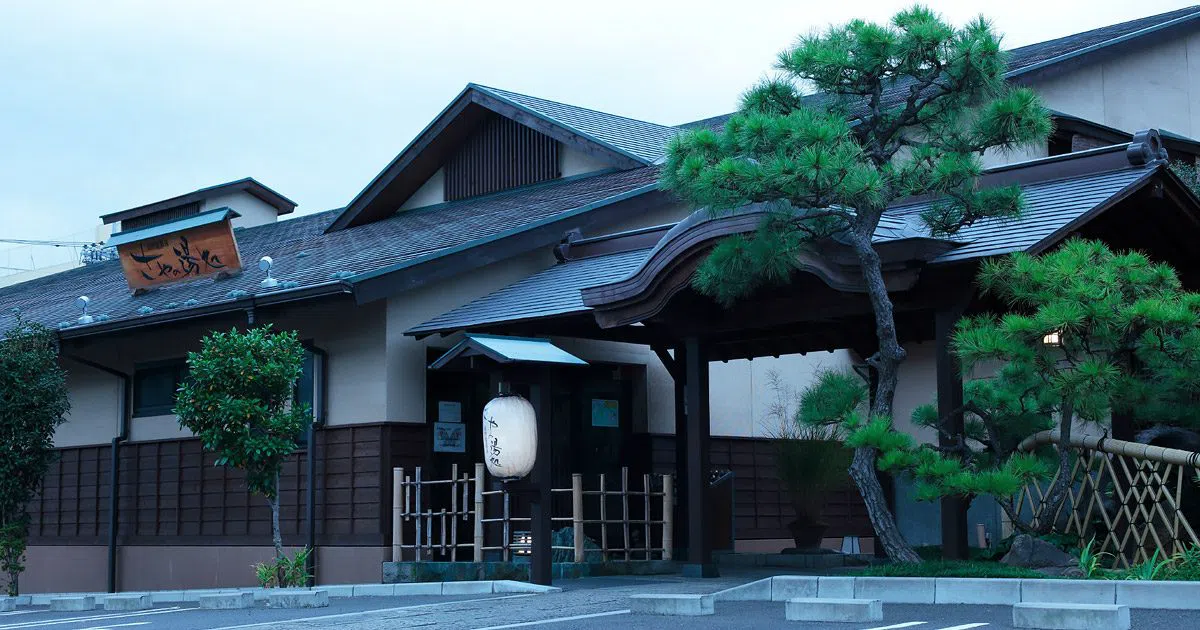
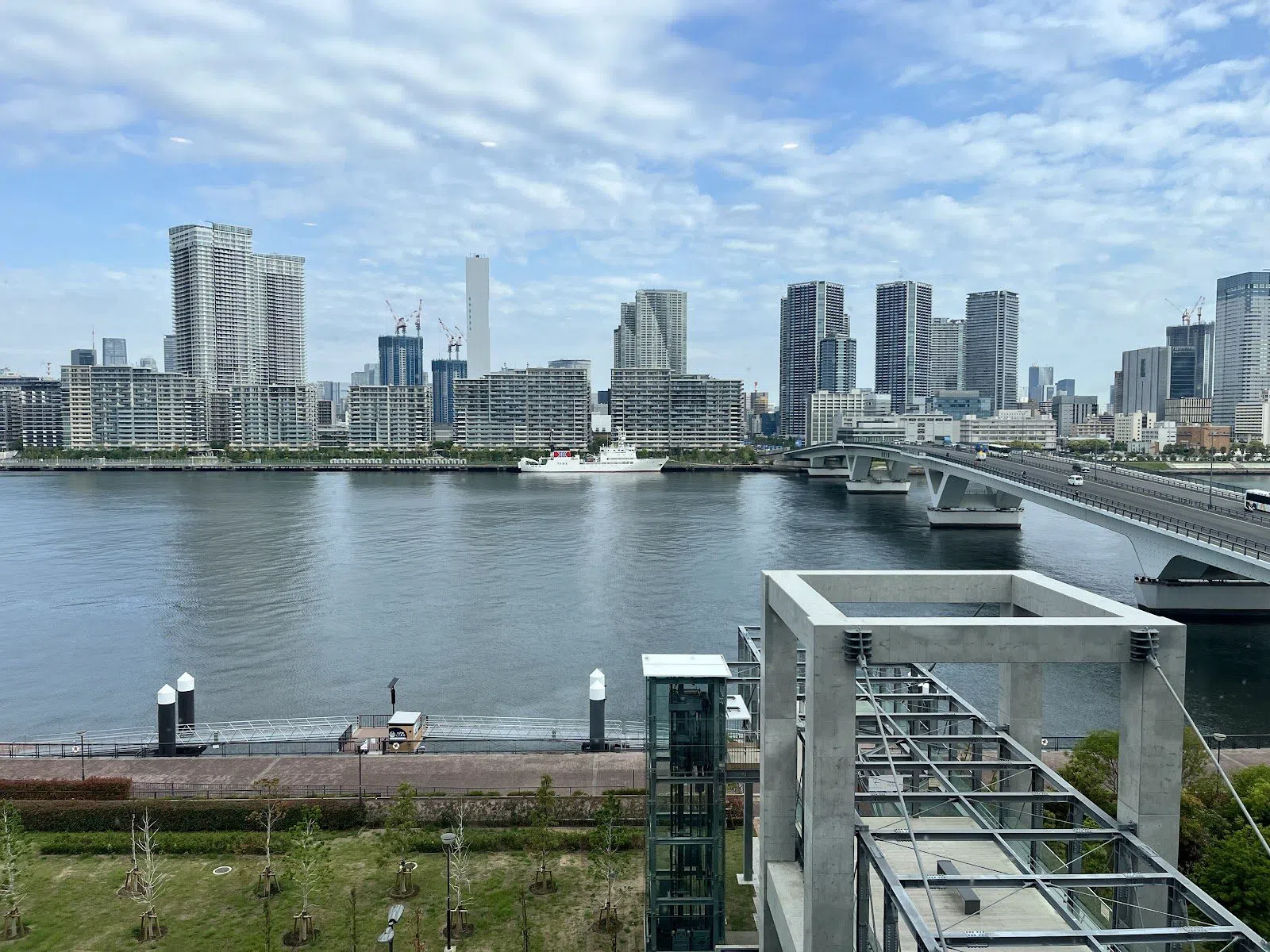
Tokyo Toyosu Manyo Club (Toyosu) is the most resort-like option in this guide, purpose-built for groups and families and thoroughly tourist-ready. Yukata and towels are included, there are dining and relaxation floors and overnight recliners, and you bathe in famous Hakone-sourced water without leaving the city — then eat your way through a recreated Edo market next door, which opened in February 2024. Admission runs roughly 2,800–3,500 yen including yukata and towels, with a nighttime surcharge.
When the group wants to stay together
The naked, single-sex bathing floor is non-negotiable at almost every place above — which is a real planning problem for mixed-gender groups who actually want to hang out together. One venue solves it.
Toshimaen Niwa no Yu (Nerima) pairs a swimsuit 'Baden' garden — saunas and pools you can share in swimwear as a mixed group — with traditional single-sex naked hot-spring baths on the side. So the group lounges together in the garden, then splits for a proper soak and regroups afterward. It's calm and adults-oriented rather than a splash park. Admission is around 2,520 yen on weekdays and 2,970 yen at weekends, with cheaper evening rates. Spa LaQua's Healing Baden area works on a similar mixed-swimsuit principle if you'd rather stay central.
The practicals
Getting there. Every venue here is a short walk from a train or metro station — Thermae-Yu ten minutes from Shinjuku, Times Spa Resta eight from Ikebukuro, Daikoku-yu six from Oshiage, Mannenyu five from Shin-Okubo. Ride the trains to the door; parking is an afterthought in this city. For where to base yourself between soaks, start with a Tokyo hotel search, and the wider Tokyo guide covers neighbourhoods and getting around.
Cash. Carry it. The neighbourhood sento run on coins and small notes, Musashi-Koyama Shimizu-yu is cash only, and vending-machine tickets and post-soak beers rarely want a foreign card. A pocket of 1,000-yen notes and 500-yen coins saves fumbling.
Budget. Two clear tiers. Neighbourhood sento — Koganeyu, Daikoku-yu, Mikokuyu, Kosugiyu, Takarayu, Shimizu-yu, Mannenyu — sit at roughly 550 yen, with sauna, towel sets and beer extra. The super-sento and spa complexes run from about 900 yen at Maenohara up to 3,000–3,500 yen at LaQua, Times Spa Resta and Manyo Club, before bedrock-bath and late-night surcharges. Bring a small towel or rent one for around 200 yen; the pricier complexes include towels and wear.
Timing. Sento fill in the early evening as locals finish work, so late morning or early afternoon is calmest at places like Takarayu and Kosugiyu. For late nights, Times Spa Resta runs to 9am, Thermae-Yu is 24 hours, and Spa LaQua stays open 22 hours a day. Watch the two dated caveats: Mannenyu closes Saturdays, and Spa LaQua takes brief off-days around 5–9 October 2026.
Tattoos, one last time. If your group is inked, default to Daikoku-yu, Mikokuyu, Musashi-Koyama Shimizu-yu or Mannenyu, and treat Thermae-Yu and the big commercial spas as off-limits unless you've confirmed otherwise at the door. Getting that one question right is the difference between a great evening and being turned away in a towel.
Before you go
Can I use a Tokyo bathhouse if I have tattoos?
Not everywhere. Big commercial spas like Thermae-Yu ban visible tattoos, but several baths are genuinely tattoo-friendly with no questions asked — Daikoku-yu near Skytree, Mikokuyu and Musashi-Koyama Shimizu-yu, and Mannenyu near Shin-Okubo. If your group is inked, plan around those rather than risking a big-spa door.
What's the difference between a sento and an onsen?
A sento is a neighbourhood public bath, cheap (around 550 yen) and social, historically heated tap water. An onsen draws real mineral hot-spring water. Tokyo has both — Maenohara Saya-no-Yu pours undiluted source water inside the city, while sento like Koganeyu and Takarayu are about atmosphere and price.
How much does a Tokyo soak cost?
Neighbourhood sento run about 550 yen, with sauna, towels and beer extra. Super-sento and spa complexes range from roughly 900 yen at Maenohara up to 3,000–3,500 yen at Spa LaQua, Times Spa Resta and Toyosu Manyo Club, before bedrock-bath and late-night surcharges.
Can mixed-gender groups bathe together in Tokyo?
The naked baths are single-sex almost everywhere. To stay together, choose a venue with a swimsuit 'Baden' garden — Toshimaen Niwa no Yu lets a mixed group share saunas and pools in swimwear, then split for the traditional naked soak. Spa LaQua's Healing Baden works similarly.
Do I need to bring anything to a Tokyo bathhouse?
Bring cash — several sento are coins-only and Musashi-Koyama Shimizu-yu is cash only. Bring or rent a small towel (about 200 yen); the pricier complexes include towels and in-house wear. Wash fully at the seated taps before entering any communal bath, and keep the small towel out of the water.