The Tokyo issue
How to See Tokyo in Half-Days Instead of Checklists
A slower way to plan Tokyo: one booked appointment a day, the river boats between them, and the early hours when the big sights are still empty.
By Lukas BrandtTokyo on foot, timed to the temple gates
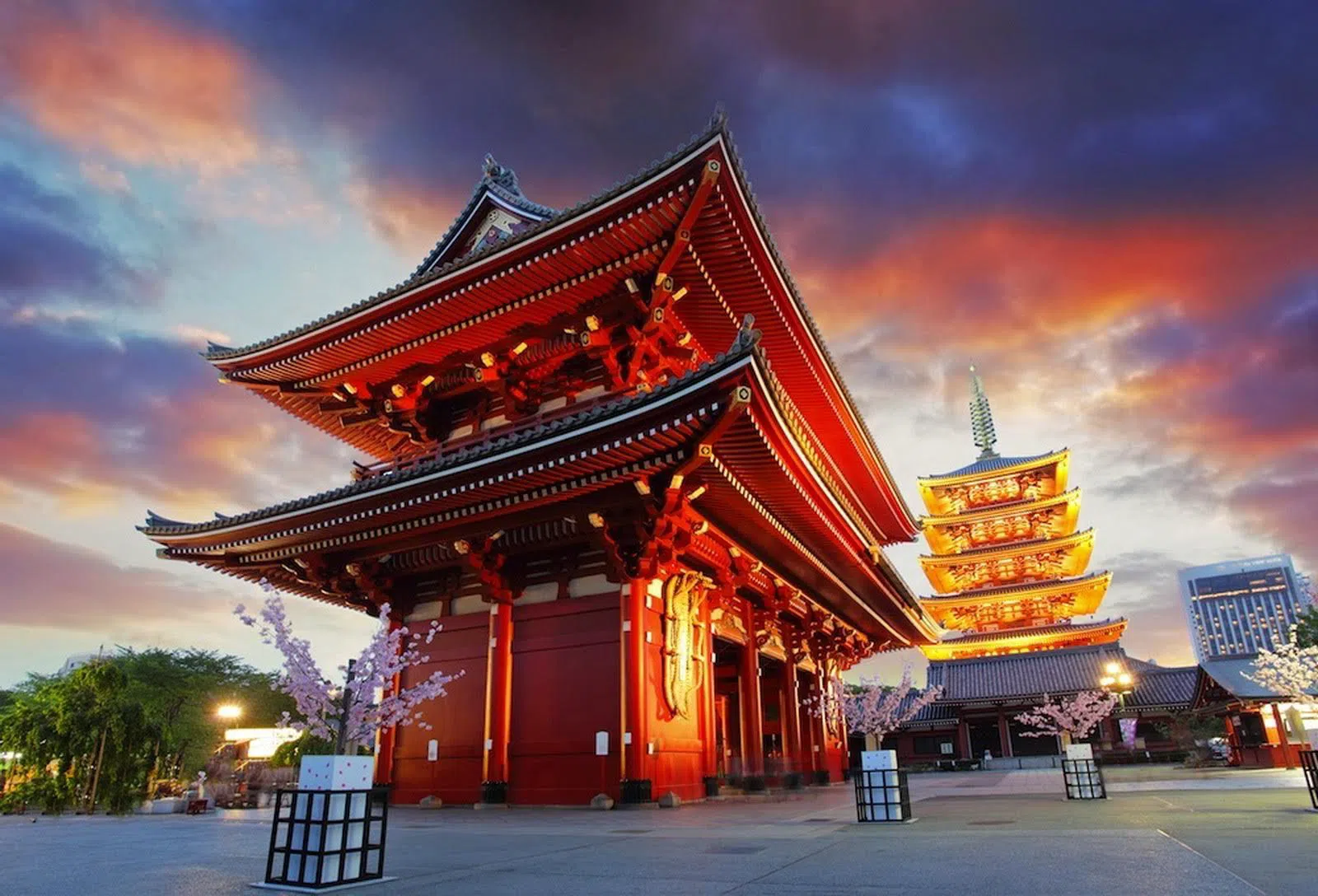
Kaminarimon gate is about two minutes from exit 1 of Asakusa Station, and at seven in the morning you can stand under the lantern with nobody else in the frame. By eleven, the 250 metres of shopping street behind it takes a quarter of an hour to walk. Nothing about the place has changed in those four hours except the number of people in it, and that wrecks more first Tokyo itineraries than distance or ticket prices ever do.
The city itself is not hard to move around. Trains run every three or four minutes, and almost nothing worth doing is more than forty minutes from anywhere else. The problem is that most plans stack four sights into a day that comfortably holds two, then spend the difference standing in queues. Walking faster does not fix that. The shape of the day does: one fixed appointment, one flexible half, and a short list of places that reward being early rather than being thorough.
Book one thing a day and plan backwards from it
Only a few places in Tokyo require a timed ticket. Those are the ones that should anchor a day, because everything else can bend around them.
Shibuya Sky (Shibuya) is the clearest case. Entry is timed, it costs ¥3,000 before 14:59 and ¥3,700 from 15:00, and it runs 10:00 to 22:30 with last entry at 21:20. Sunset slots sell out weeks ahead, so buy the slot first and build the afternoon around it rather than hoping for a walk-up. The rooftop level is exposed and closes in high wind or rain, so if the forecast is bad, move the booking rather than the plan. Groups are fine as long as you book together, because separate bookings mean separate entry windows and you will lose half an hour finding each other.
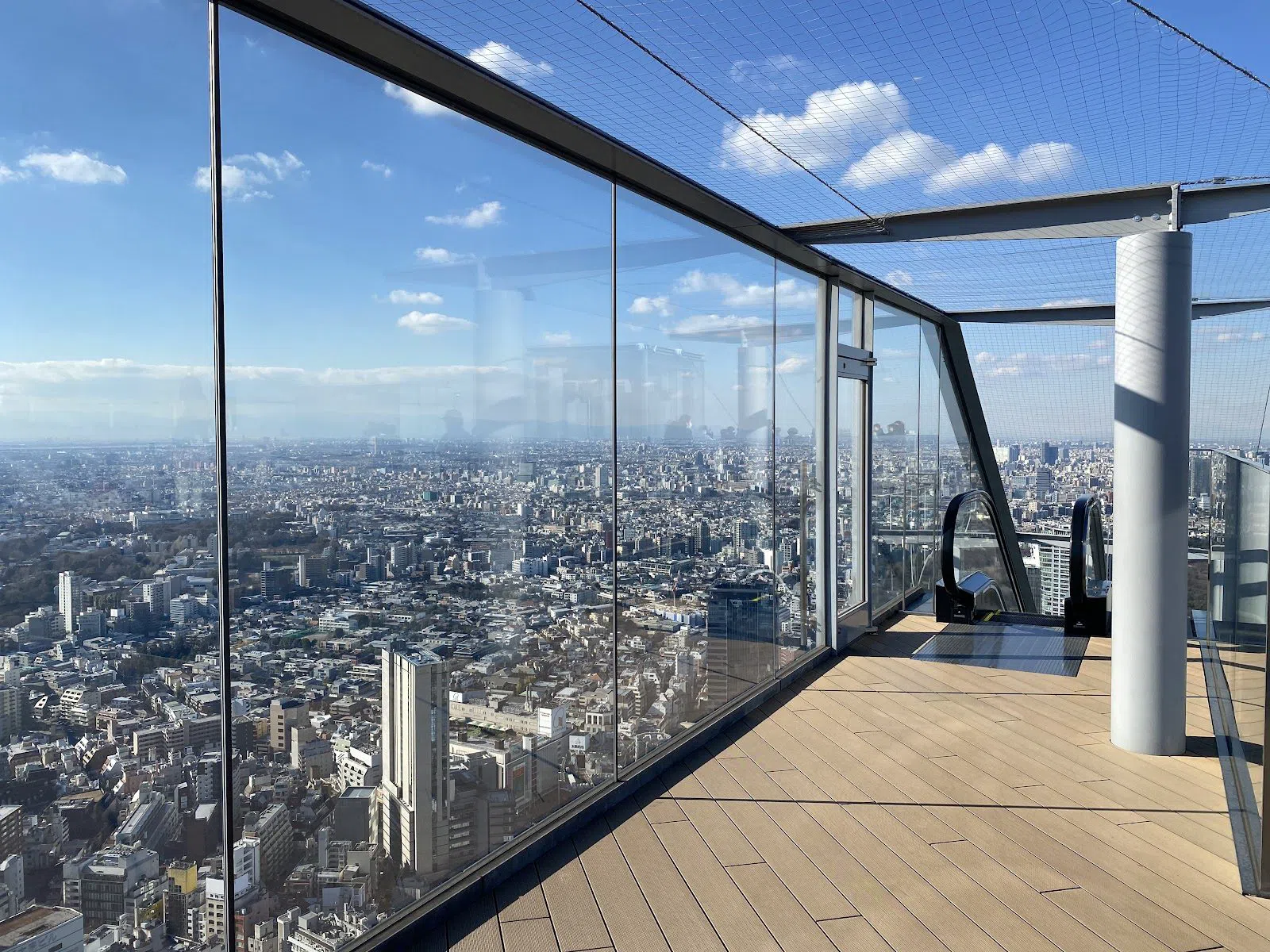
That is the whole principle: one appointment, one open half. Five days means five fixed points, not twenty.
Plan your Tokyo trip
Live prices from our booking partners.
Free cancellation on many rooms. We may earn a commission when you book.
Asakusa before eight, and the museum that explains it
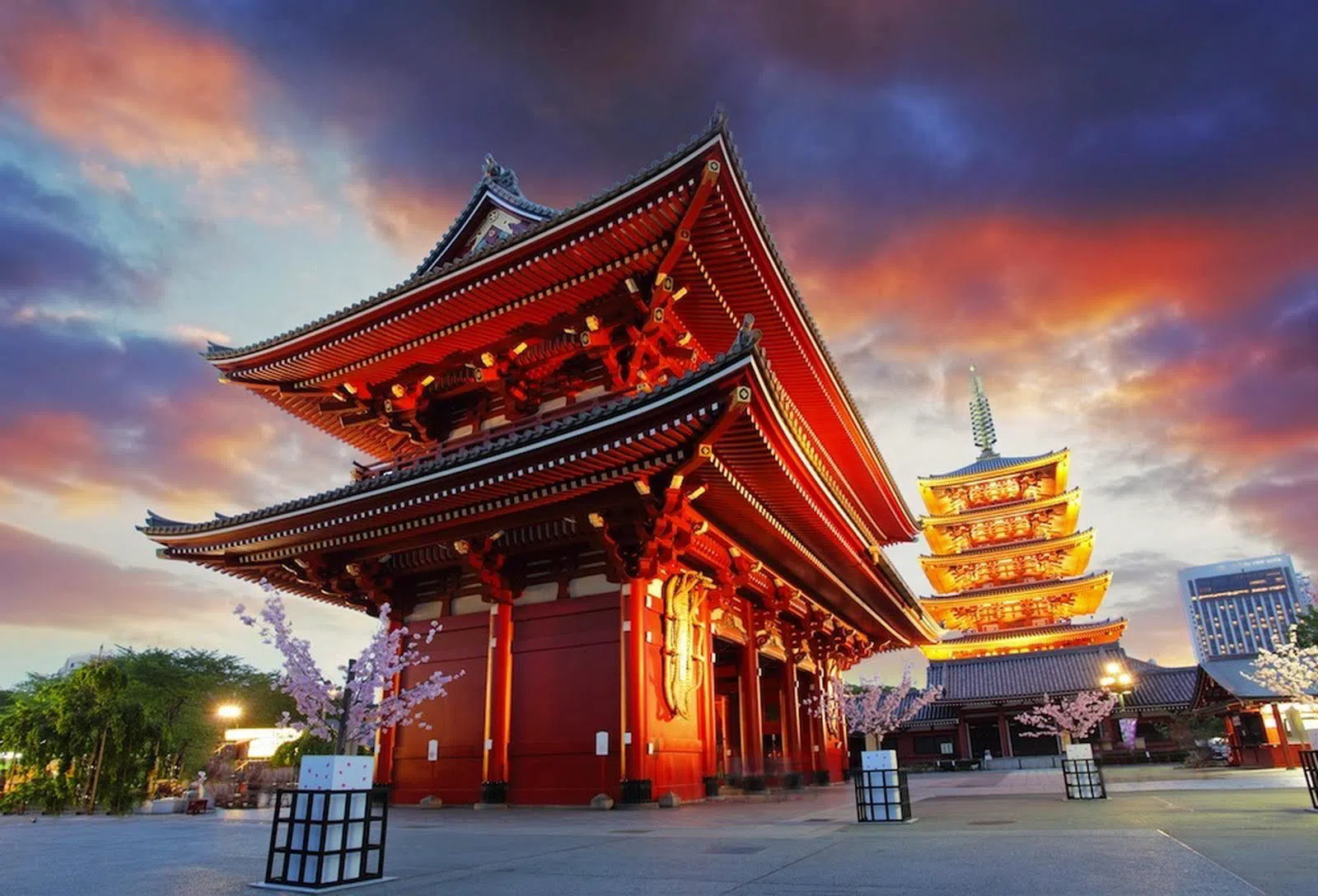
Sensō-ji (Asakusa) is free, unticketed, and the grounds are open around the clock, which is the most useful fact in this guide. The main hall opens at 6:00 (6:30 from October to March) and the Nakamise shopping lane runs roughly 9:00 to 17:00. Arrive at seven and the courtyard that feels like a scrum by late morning is close to empty; there is no door policy, no group limit, and a large party can spread out without annoying anybody. Come at eleven and you are queuing for a photograph of other people queuing.
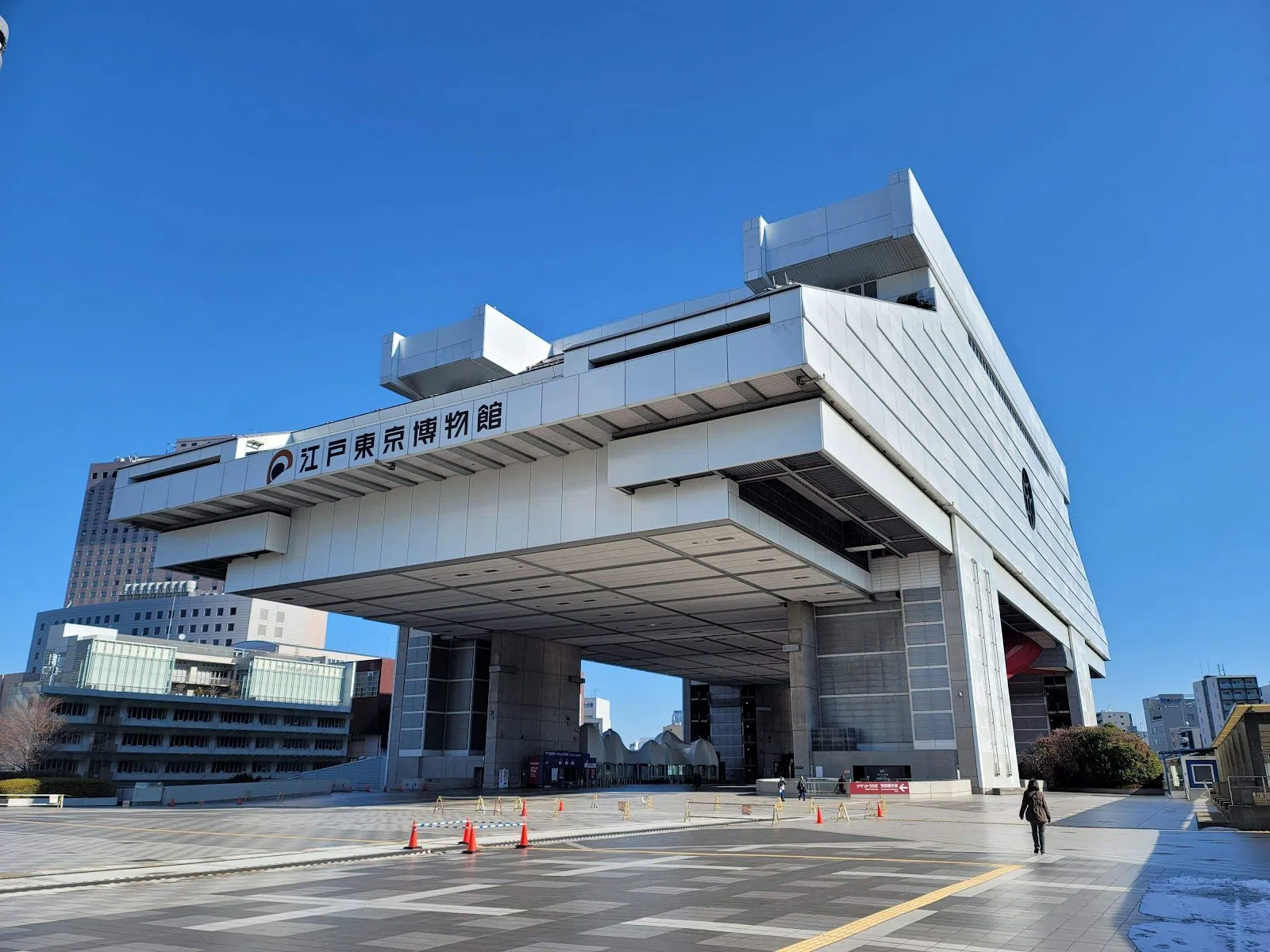
If you can face an earlier start, do the history first. The Tokyo Metropolitan Edo-Tokyo Museum (Ryōgoku) reopened on 31 March 2026 after a four-year renovation, which is why most guidebooks and a lot of blog posts still list it as shut. General admission is ¥800, it closes on Mondays, and Saturdays run late. The halls are large and take groups comfortably; it is one of the few places on this list where a party of ten is not a problem. Ryōgoku to Asakusa is about fifteen minutes door to door via Asakusabashi, so the museum works as a first stop. It explains the river, the fires and the street grid you are about to walk through.
The river does the work of a train line
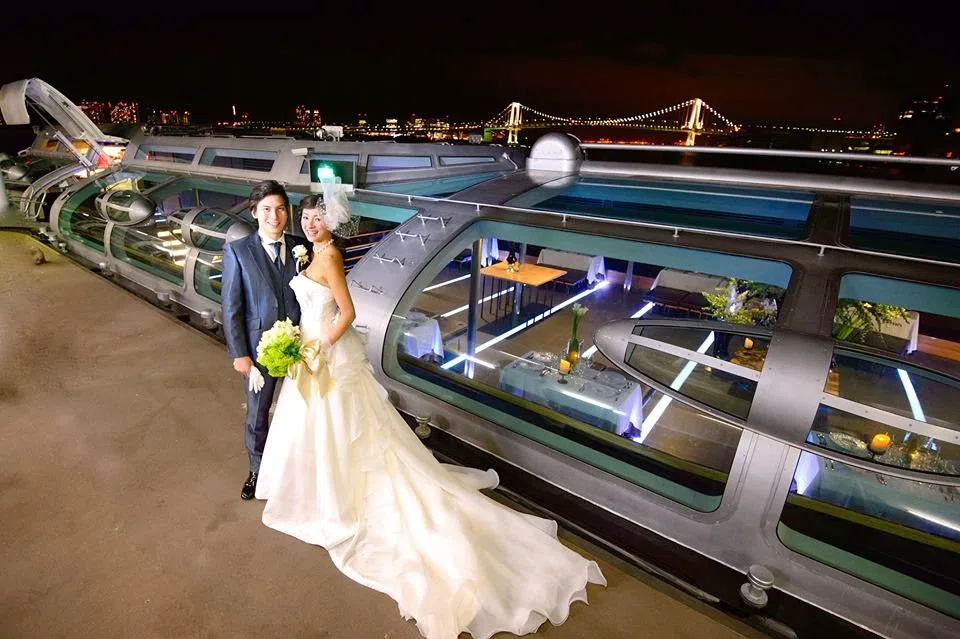
The Sumida is transport, not just scenery. Tokyo Cruise Ship (Asakusa, from the pier beside Azuma-bashi) runs the water bus, including the Hotaluna and Emeraldas boats, at ¥1,000 to ¥2,000 per leg. You walk on and pay; groups are fine. The one thing worth reserving is the Hotaluna's rooftop deck at weekends. Two cautions: check the operator's daily operating-status page before you set out, because individual runs get cancelled at short notice and the Toyosu route in particular, and do not confuse this with the separate Tokyo Mizube line, which is suspended until its fleet is replaced.
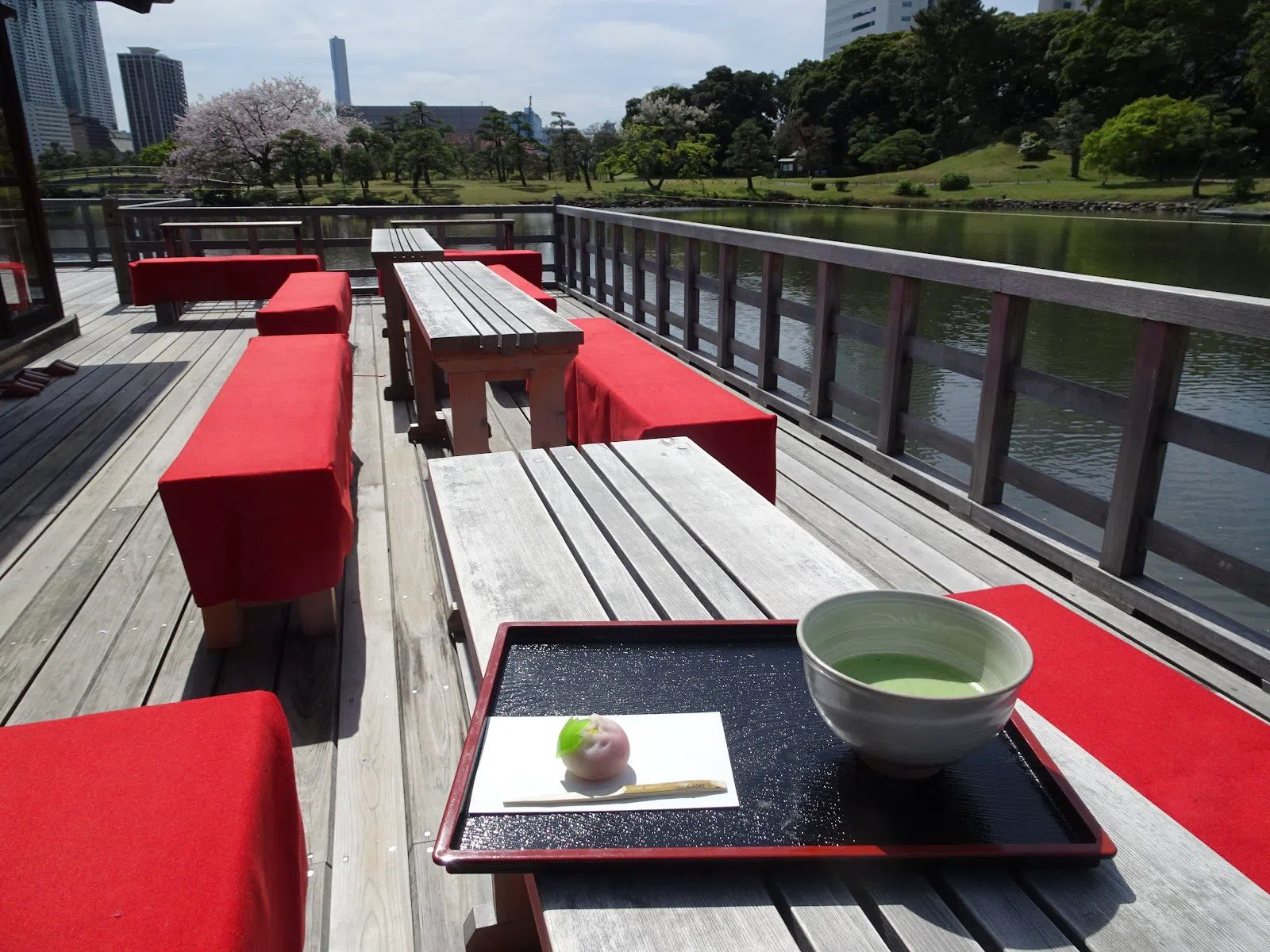
The boat's real value is that it removes a train change and a set of stairs from the middle of the day, and it lands you somewhere useful. Hama-rikyu Gardens (Shiodome) has its own pier inside the garden wall, so it is a stop rather than a detour. Entry is ¥300, unticketed and unreserved. The Nakajima-no-Ochaya teahouse sits on stilts over the pond and serves matcha at ¥500, or ¥1,000 with a wagashi sweet, until 16:30; the garden closes at 17:00. The tatami room is small, so a couple or a pair can sit inside, but a group of more than about six should take the outside benches rather than try to squeeze in. This is an afternoon stop, not an evening one. Plan it for two or three o'clock and let the closing time end the day's sightseeing rather than fighting it.
Tsukiji between nine and eleven
Tsukiji Outer Market (Tsukiji) is still trading, still busy, and still misdescribed as closed: the wholesale operation moved to Toyosu, the lanes of stalls and counters did not. Go between 9:00 and 11:00. Grazing costs ¥500 to ¥3,000 depending on how much tamagoyaki and grilled scallop you work through; a sit-down sushi set runs ¥3,000 to ¥8,000. Check the calendar first, because it shuts on Sundays and on a scattering of Wednesdays through the year, and a wasted cross-town trip is the thing this whole approach is meant to prevent.
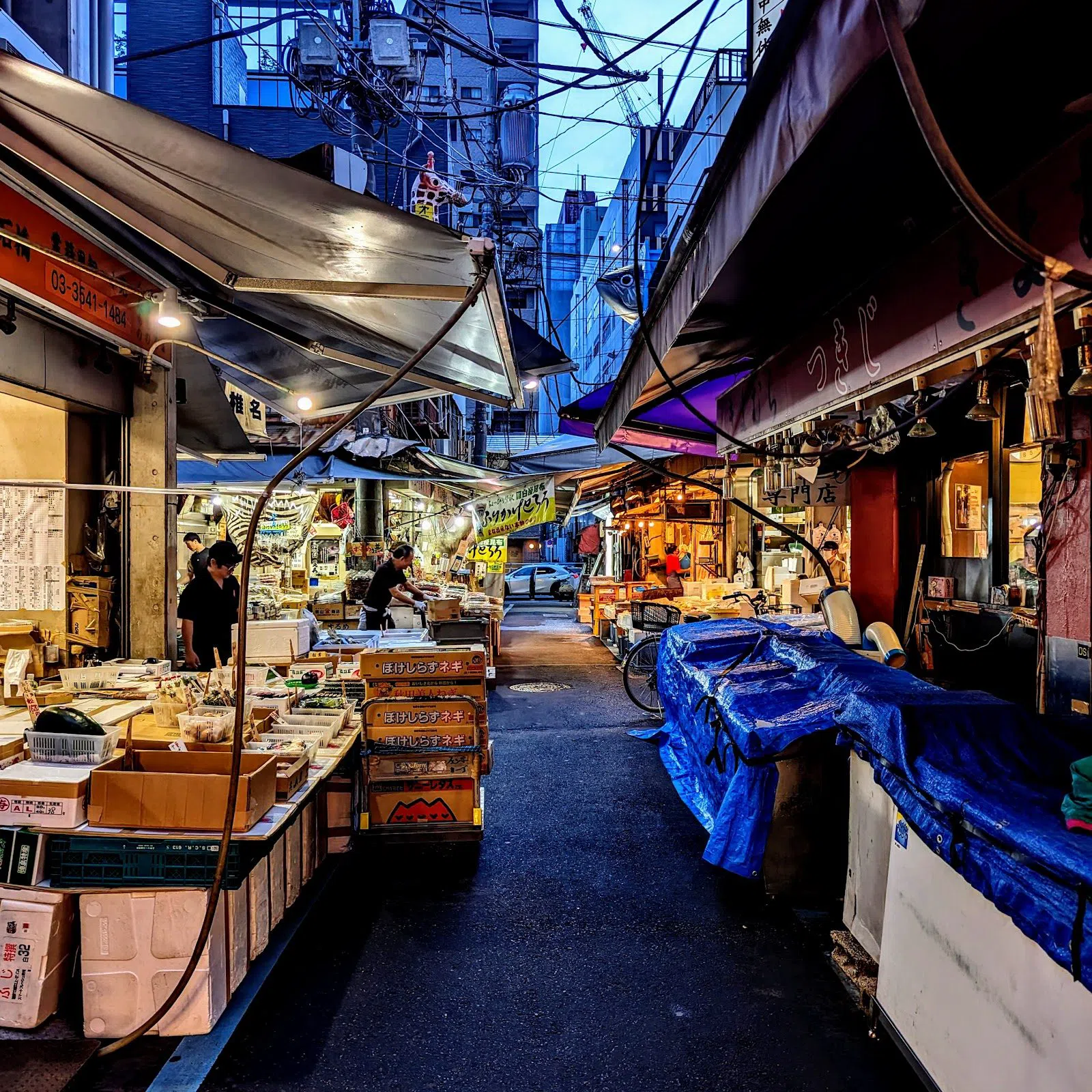
Nothing here takes bookings. The lanes are narrow and the sit-down counters seat eight to ten, so a group of more than four should split up, agree a time, and regroup on the wider street rather than trying to move through as a block. Couples and solo travellers have the easier time of it: one seat at a counter is almost always findable, four together at midday is not.
Tsukiji sits about fifteen minutes' walk from Hama-rikyu, which makes the obvious half-day: market at nine, garden at eleven, tea at noon, boat out. That is one morning, three things, no train.
Walk into Shibuya through a forest
Meiji Jingu (Harajuku) is free, unticketed and open to any size of group, and the forest around it is not old growth. It was planted from scratch in 1920 from around 100,000 donated trees across 70 hectares. Walking it end to end takes about forty minutes on wide gravel, which is the quietest possible approach to the Shibuya and Harajuku side of the city. The paid Inner Garden costs ¥500 and has narrow paths; it suits two people, not eight.
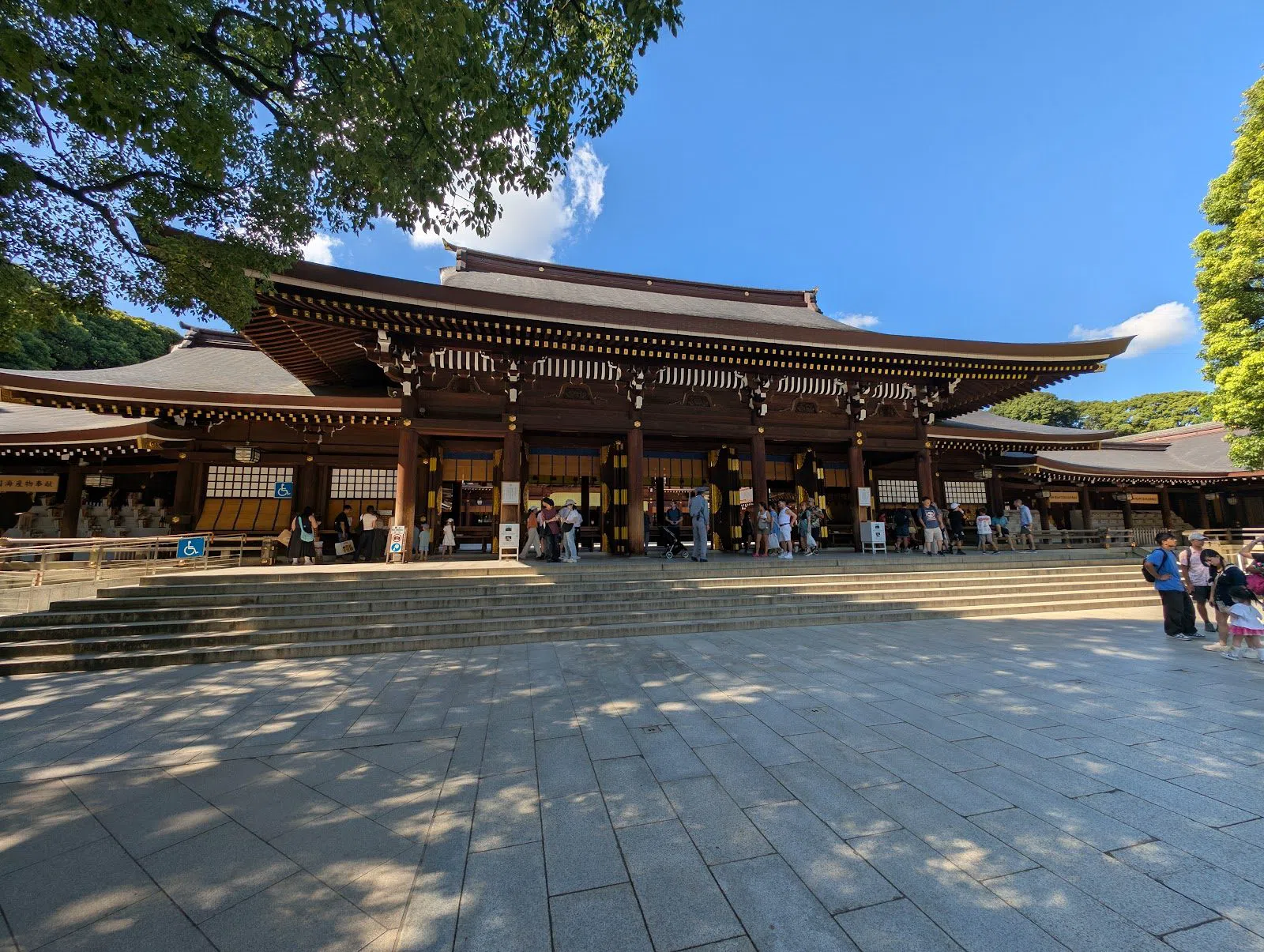
From the southern entrance at Jingū-bashi it is roughly twenty-five minutes on foot down to Shibuya Scramble Square, where Shibuya Sky is. That is a good shape for a day: forest in the late afternoon, ticket at sunset, dinner afterwards without moving stations. It also means the walk absorbs any delay. If you are twenty minutes behind, you skip the Inner Garden rather than sprinting for a timed entry.
An afternoon that stays inside one district
The cheapest way to buy time back is to stop crossing the city. Three places make good, self-contained afternoons.
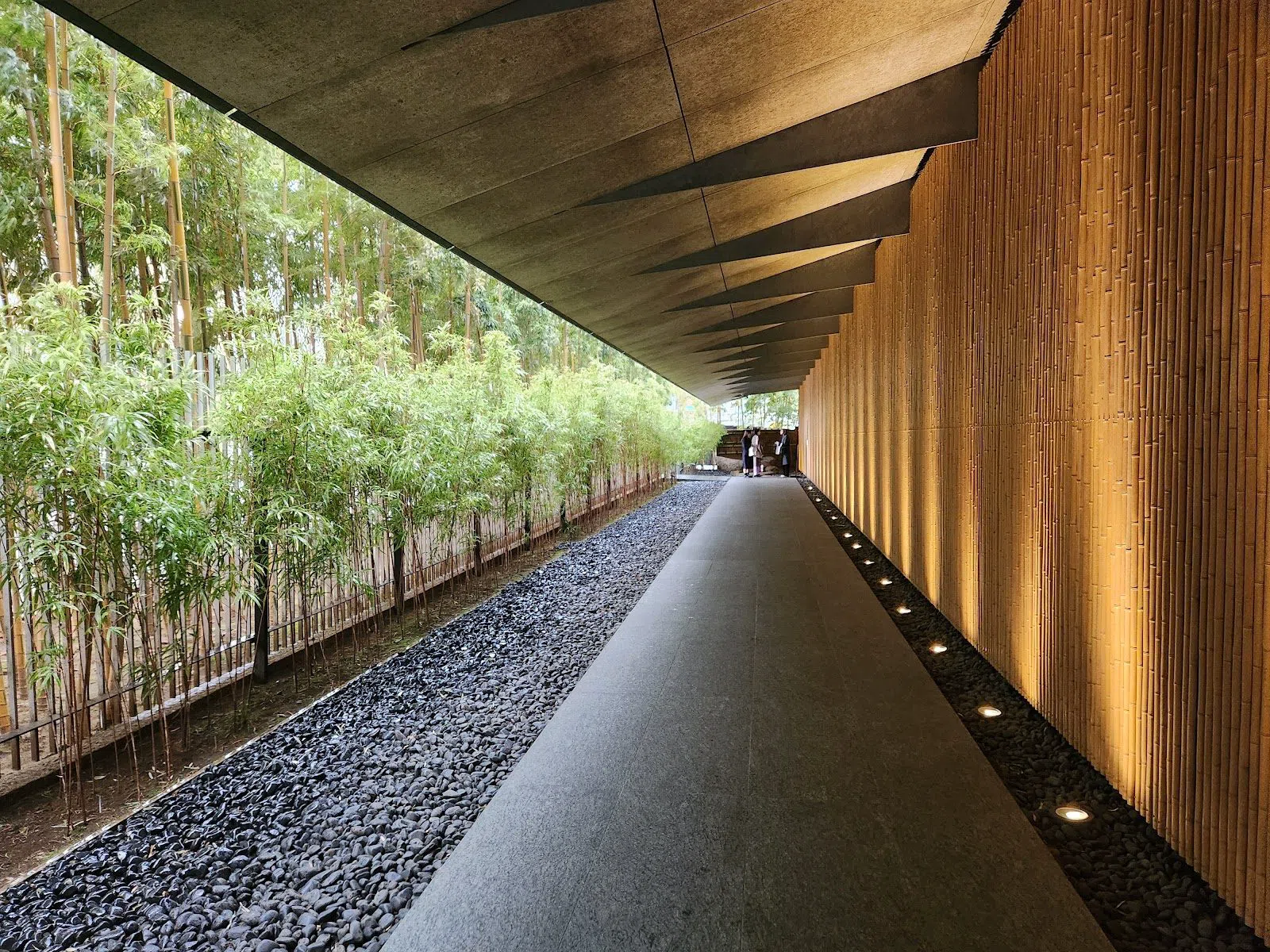
Nezu Museum (Minami-Aoyama) is about eight minutes' walk from exit A5 at Omotesandō, and Kengo Kuma's long bamboo-flanked entrance corridor justifies the ticket before you reach the collection: ¥1,100 for the collection exhibitions, ¥1,300 for special ones, garden included. Check before crossing town, because it closes on Mondays and between exhibition changeovers. Groups are admitted without fuss, but the garden paths are single-file and the café queues badly at weekends, so it is a better couples' stop than a party one.
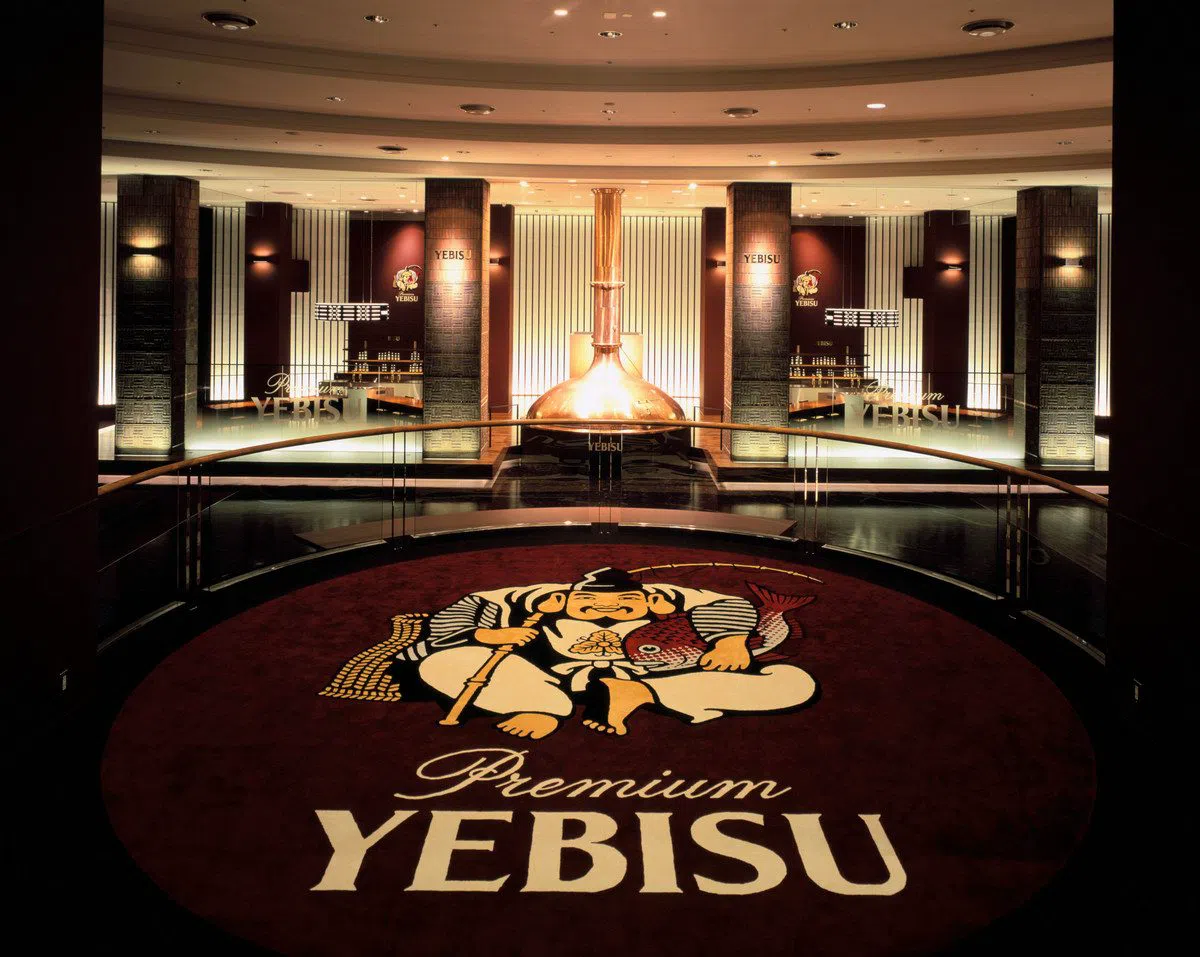
Museum of Yebisu Beer (Ebisu) reopened under its current name after a 2024 refit and is a low-effort hour, about five minutes from the station's east exit along the covered Yebisu Skywalk. The gallery is free and takes any group size; tasting coins are ¥400 each. The guided Yebisu Tour is ¥3,000 for adults and ¥2,000 otherwise, but it is online-reservation only and conducted in Japanese, so book early and be realistic about whether your group will follow it. It pairs with sitting outside on the Garden Place terrace afterwards, which is the point: one district, no second train.
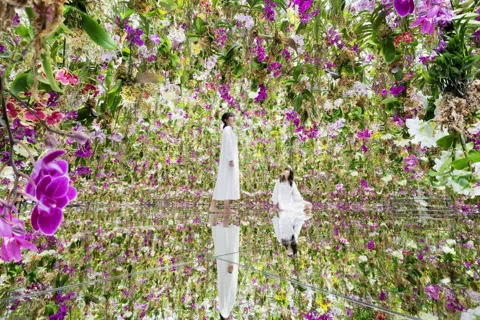
teamLab Borderless (Azabudai Hills) has been at Azabudai Hills since 2024, not the old waterfront site that half the internet still links to. Entry is timed and costs ¥3,600 to ¥5,600 for adults and ¥1,500 to ¥2,800 for children depending on the date; popular dates sell out, so buy ahead. Allow two to three hours rather than the single hour people budget for it. The rooms are deliberately dark and unsigned, and groups do get separated, so agree a meeting point and a time before you go in. Phone reception and sightlines are both unreliable inside.
The north side, at tram speed
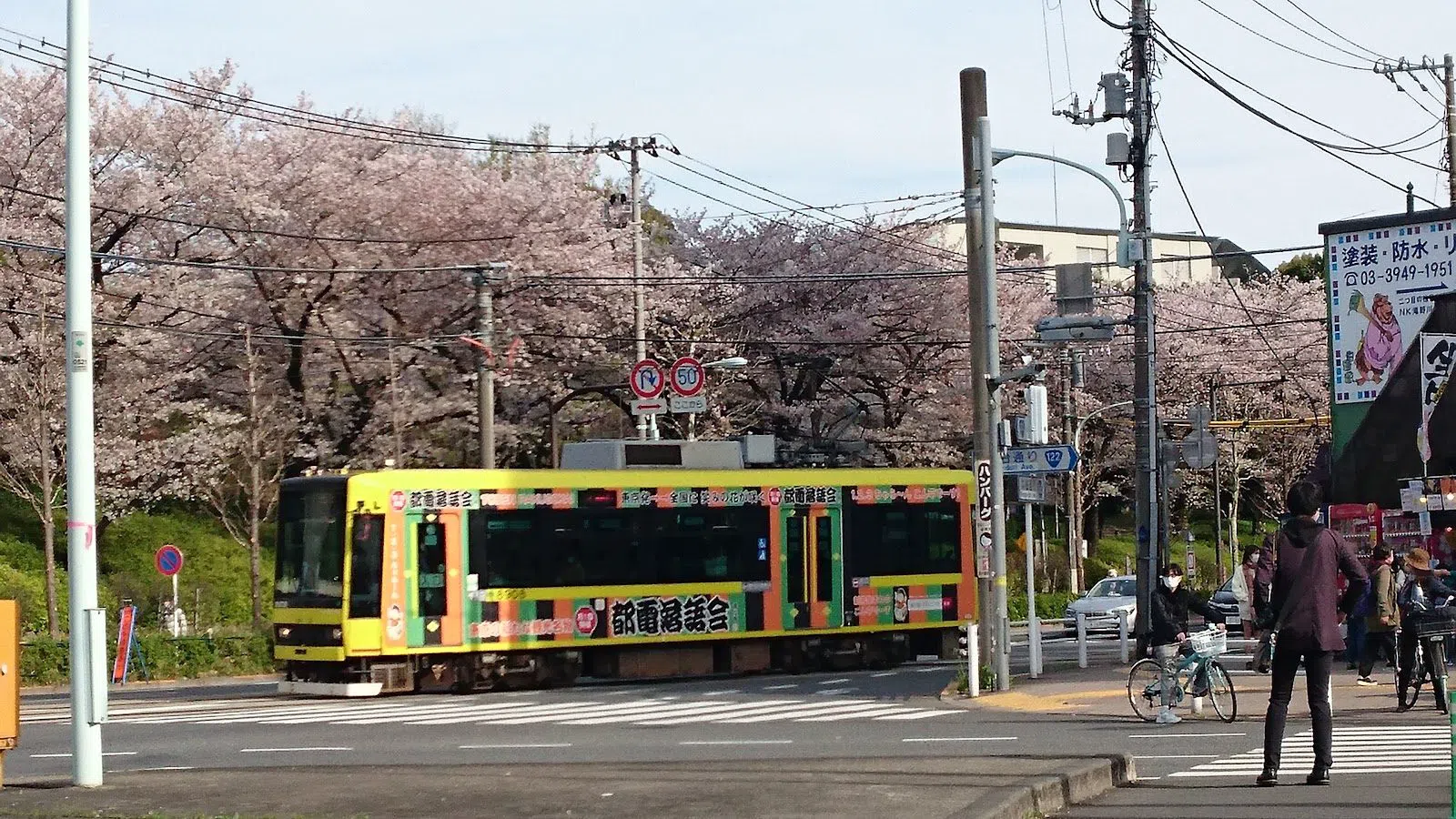
The Tokyo Sakura Tram (Toden Arakawa Line) is the city's last surviving street tram, ¥170 flat fare or ¥400 for the Toden one-day pass. A full end-to-end run from Waseda to Minowabashi takes about fifty minutes and is a sightseeing act in itself: you get back gardens, level crossings and shopping streets rather than tunnel walls. It is a one-car tram, so avoid commuter hours entirely with a group. Off-peak, nobody minds.
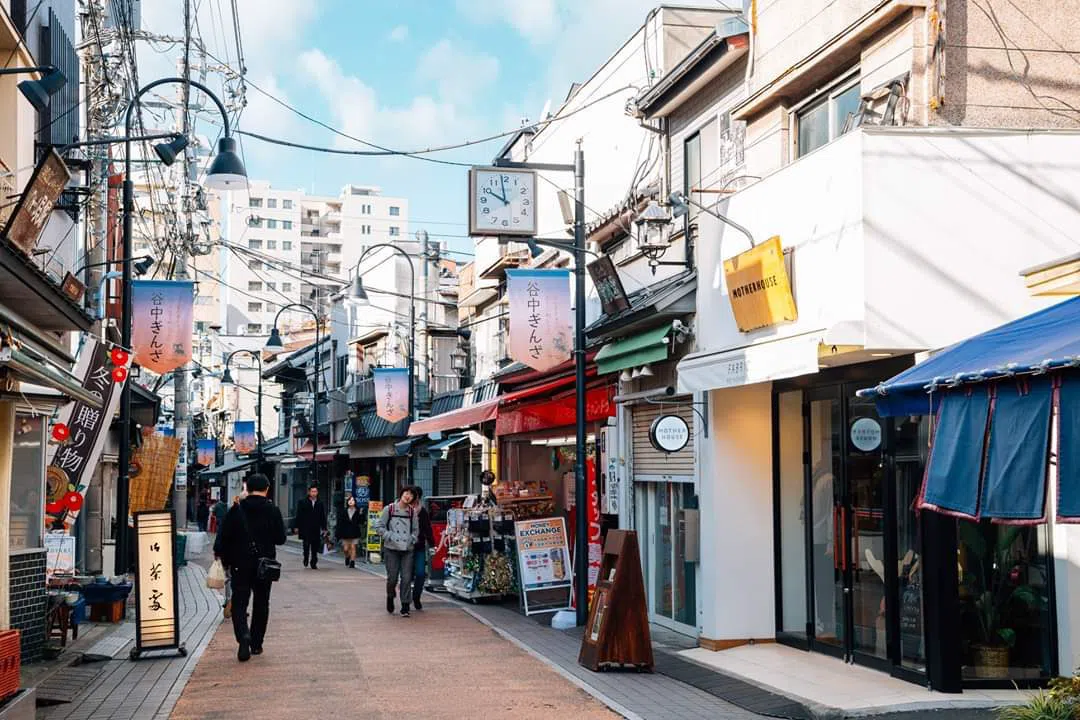
Two stops off that line make a full, unhurried day. Yanaka Ginza (Yanaka, from Nippori's west exit) is one of the few shitamachi streets still used mostly by the people who live there. Snacks run ¥200 to ¥800 and the stalls are properly running between 11:00 and 17:00, which is also when the Monday and Thursday shop closures matter least. The street is narrow and shopkeepers dislike blocked frontage, so keep a group moving and eat at the edges.
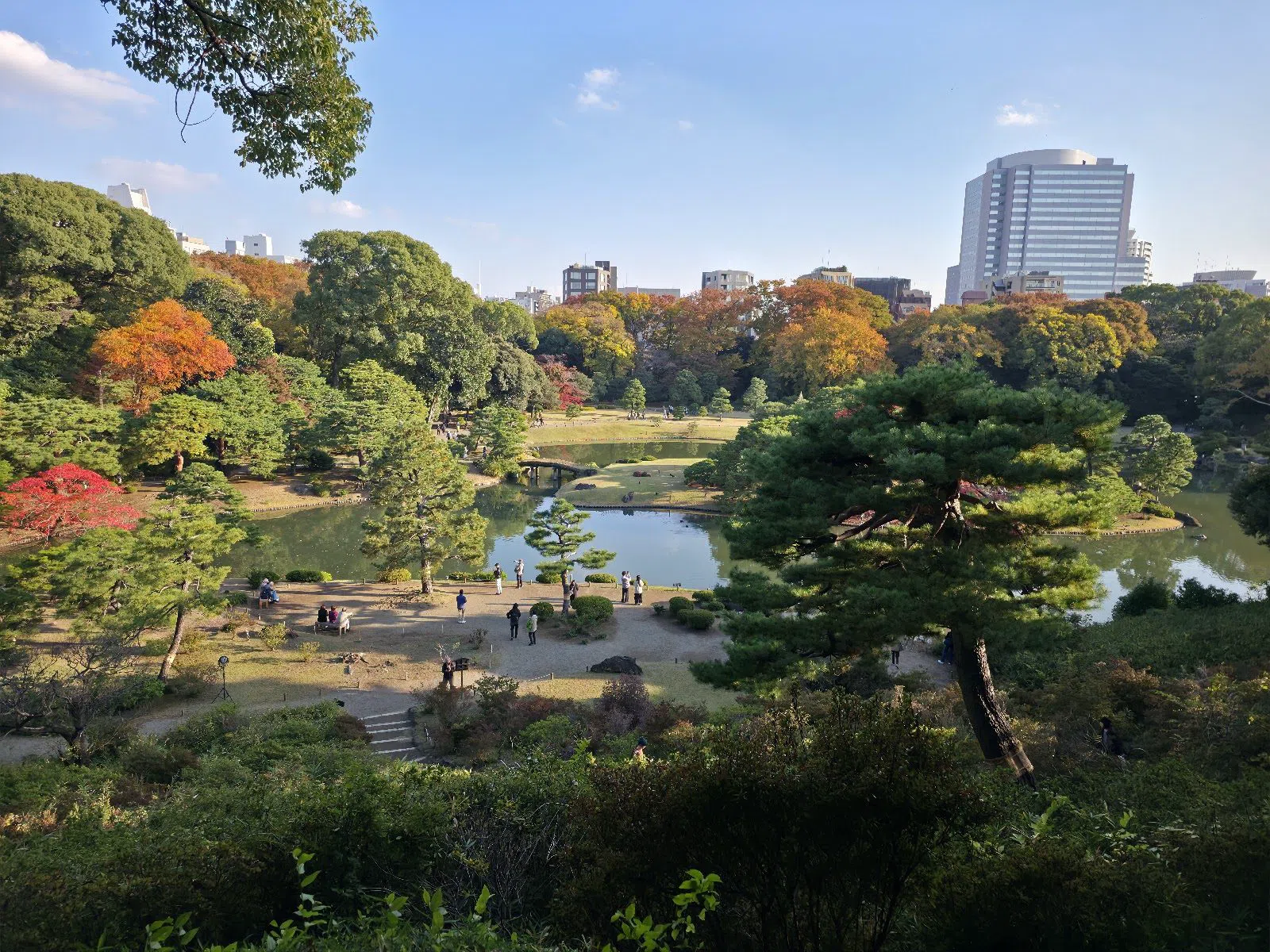
Rikugien (Komagome) costs ¥300, the least expensive hour of calm in the city. It is an Edo-period strolling garden, built to be walked slowly rather than photographed once, open 9:00 to 17:00 and later during the spring and autumn illuminations. Tickets are unreserved. The paths are single-file, and the light-up evenings are heavily crowded, so if the point of your trip is not queuing, come in daylight on a weekday.
The one day you leave the centre
If you have five days or more, give one of them to Mount Takao, on the western edge of the metropolis and about fifty minutes by train from Shinjuku. The Takao Tozan Railway cable car costs ¥490 one way, ¥250 for children, and leaves every fifteen minutes with no booking. Queues build sharply on autumn weekends; on a weekday outside foliage season you walk straight on. From June to October the summit beer garden keeps the last cable car running to 21:15, which turns it from a morning errand into a full day with somewhere to sit at the end of it.
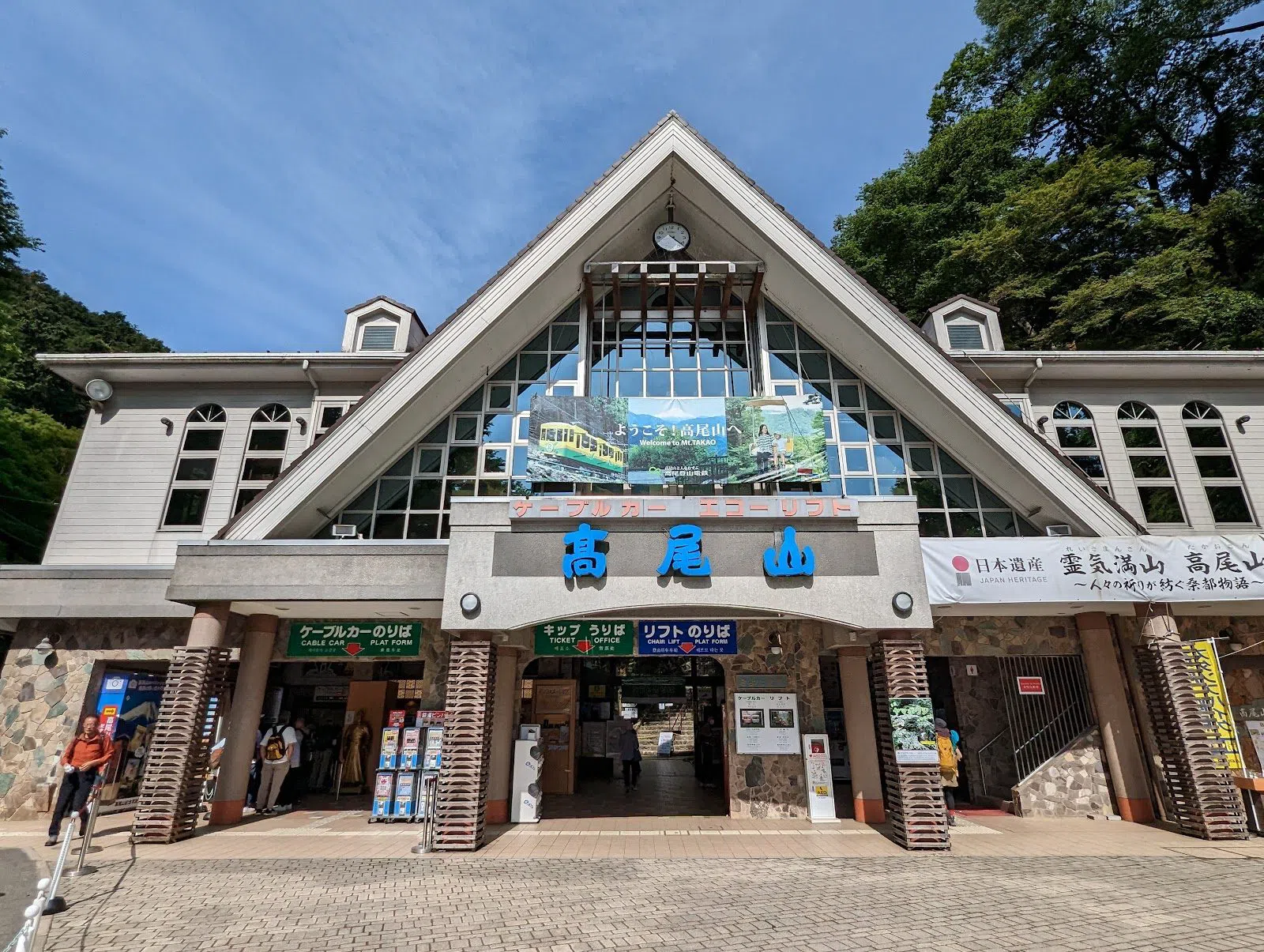
It is the most forgiving day trip available from the city: no reservations, no fixed return, and a real mountain rather than a viewpoint.
Where you sleep decides how much of this works
If you are staying within a few minutes' walk of a Yamanote line station, most of the above is a twenty-minute journey. If you are staying somewhere that needs two changes to reach the loop, add half an hour to every leg and cut one thing from each day. Start with a Tokyo hotel search filtered on the stations you will actually use (Ebisu, Ueno, Shinjuku and Asakusa all put several of these places within walking distance), then read the rest of our Tokyo guide for the district detail.
Practical notes
An IC card covers transport. Get a Suica or Pasmo, including the phone versions, on arrival and stop thinking about fares; it works on the metro, JR, buses and the tram. The Toden one-day pass at ¥400 pays for itself after three tram rides. The river boat is a separate ticket bought at the pier. Skip the multi-day rail passes unless you are leaving the region, because they do not pay for themselves on city travel.
Carry ¥10,000 in notes and coins. Tsukiji stalls, Yanaka Ginza's snack shops and the smaller garden ticket windows are cash-first, and the tea at Hama-rikyu is easier paid in coins. Cards are fine everywhere ticketed.
On timing: before 8:00 is free and empty at Sensō-ji and Meiji Jingu, and between 9:00 and 11:00 belongs to Tsukiji. Gardens shut at 17:00 and last tea orders come earlier than you expect. Museums close on Mondays, Nezu and the Edo-Tokyo both, so make Monday your tram, market or mountain day.
A day with one ticketed attraction, a garden, a market lunch and local transport lands around ¥6,000 to ¥9,000 per person. teamLab or Shibuya Sky pushes a day past ¥10,000; the tram, Yanaka and Rikugien together cost under ¥1,500 before food. Two ticketed attractions in one day is usually the point at which a Tokyo itinerary stops being enjoyable, and it is rarely the money that does it.
Before you go
How many places can I realistically see in one day in Tokyo?
Two, with a third if it is in the same district. Build the day around one timed ticket, Shibuya Sky or teamLab Borderless, and keep the other half flexible. Four ticketed stops in a day means queuing through the middle of it, which is what sinks most overloaded itineraries.
What actually needs booking in advance?
Shibuya Sky (timed entry, sunset slots go weeks ahead), teamLab Borderless (timed entry, popular dates sell out), the guided Yebisu Tour at the Museum of Yebisu Beer (online reservation only, and in Japanese), and the Hotaluna's rooftop deck on weekends. Sensō-ji, Meiji Jingu, Tsukiji Outer Market, Hama-rikyu, Rikugien and Mount Takao's cable car all take walk-ups.
Is the Sumida river boat worth it compared with the train?
Yes, when it replaces a train change rather than adding a trip. At ¥1,000 to ¥2,000 per leg it links Asakusa, Hama-rikyu and Odaiba, and Hama-rikyu's pier is inside the garden. Check the operator's daily operating-status page first, because individual runs, especially the Toyosu route, get cancelled at short notice.
What can I do before nine in the morning?
Sensō-ji's grounds are open 24/7 and the main hall opens at 6:00 (6:30 from October to March), so seven o'clock in Asakusa is the emptiest hour of the day and costs nothing. The other early option is Meiji Jingu's forest, around 40 minutes to walk end to end. Tsukiji Outer Market gets going from about 9:00.
Do I need cash, and how much should a day cost?
Carry around ¥10,000 in cash, since Tsukiji stalls, Yanaka Ginza snacks and small ticket windows prefer it. A day with one ticketed attraction, a garden, a market lunch and transport runs roughly ¥6,000 to ¥9,000 per person; a teamLab or Shibuya Sky day passes ¥10,000, while the tram, Yanaka and Rikugien together come to under ¥1,500 before food.