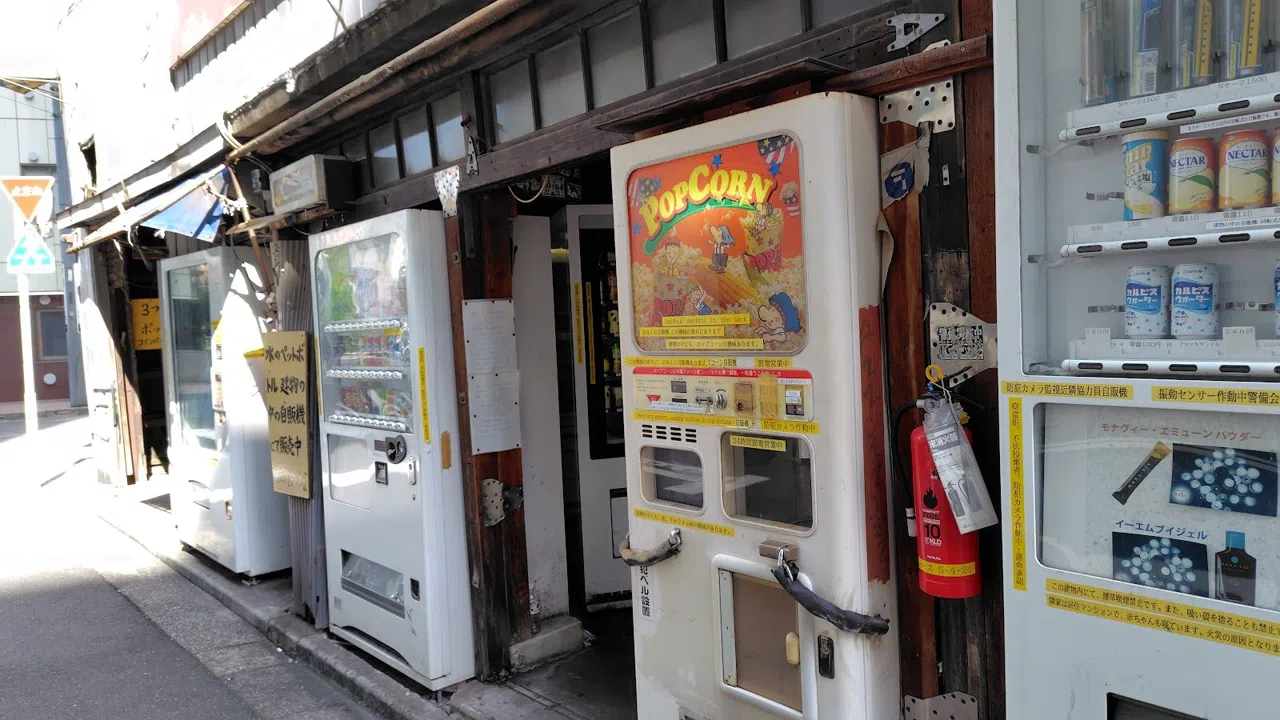
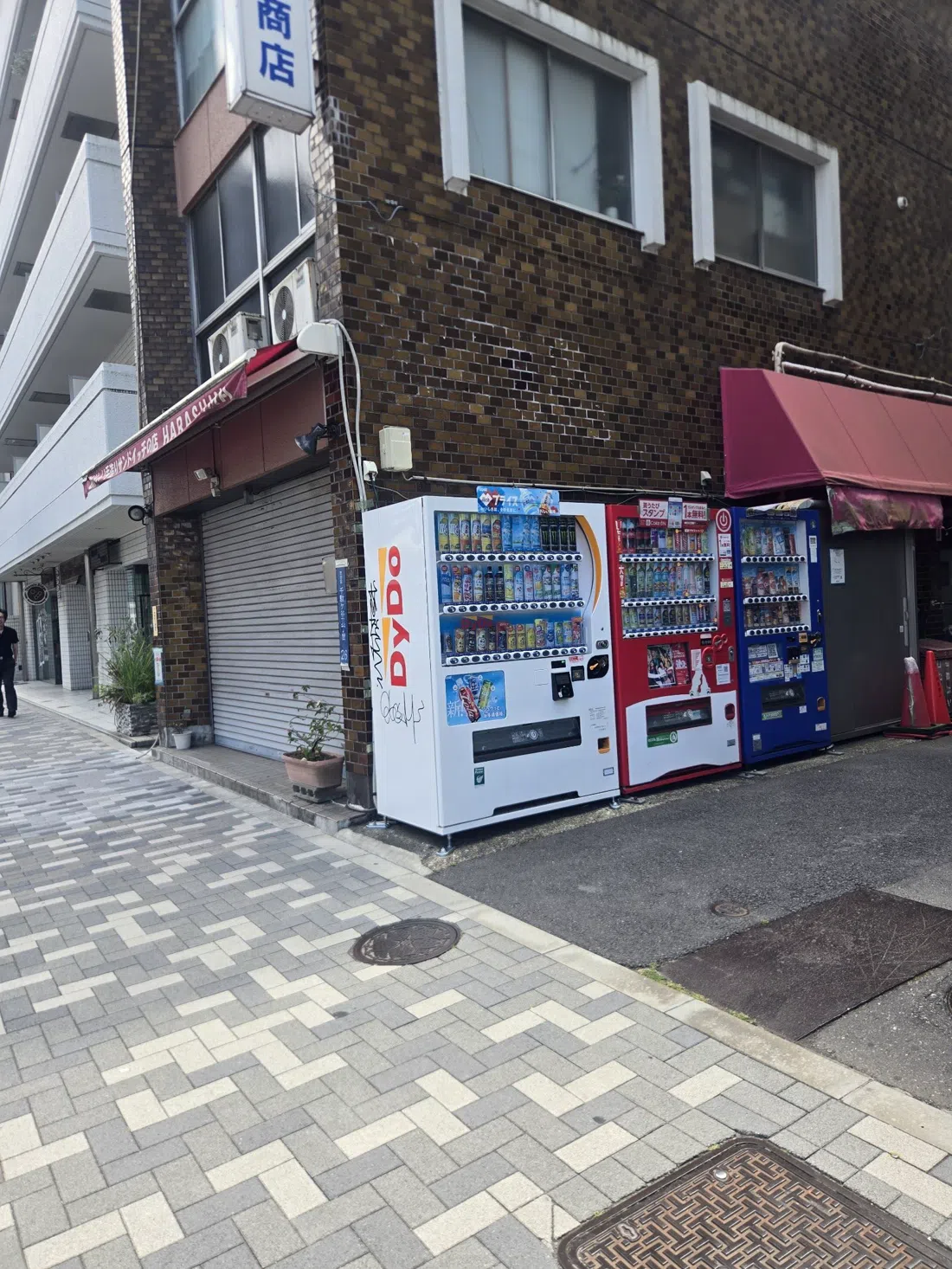
At eleven at night the machine row on the Kanda-Sudacho corner is still warm. Four hundred yen buys a can of oden from a slot at chest height, hot, and nobody waiting their turn thinks it is unusual. Two stops up the line a machine behind the ticket barrier is boiling a bowl of ramen in ninety seconds for someone with fourteen minutes before their train.
Tokyo did not install any of this to be strange. It installed it because the convenience arithmetic worked. Land is expensive, labour is scarce, and a machine pays rent on half a square metre of pavement at three in the morning. The strangeness is a by-product, and one you can walk between in a single evening. What follows is a route rather than a list, with real hours and real prices checked for 2026, and with the three stops that do not fit an after-dark plan kept separate instead of quietly folded in.
Akihabara, where the row starts
Akihabara Vending Machine Corner (Kanda-Sudacho) is the right place to start, and the reason Akihabara counts as the home of all this. From the Electric Town Exit of Akihabara Station it is roughly 600 metres straight down Chuo-dori, seven or eight minutes at ordinary walking pace, less if the lights fall your way. You are looking for an open corner, not a shop: canned oden, canned yakitori and canned ramen at ¥400 a go, alongside a row of taped-shut mystery boxes running ¥500 to ¥1,500. It was verified operating in spring 2026.
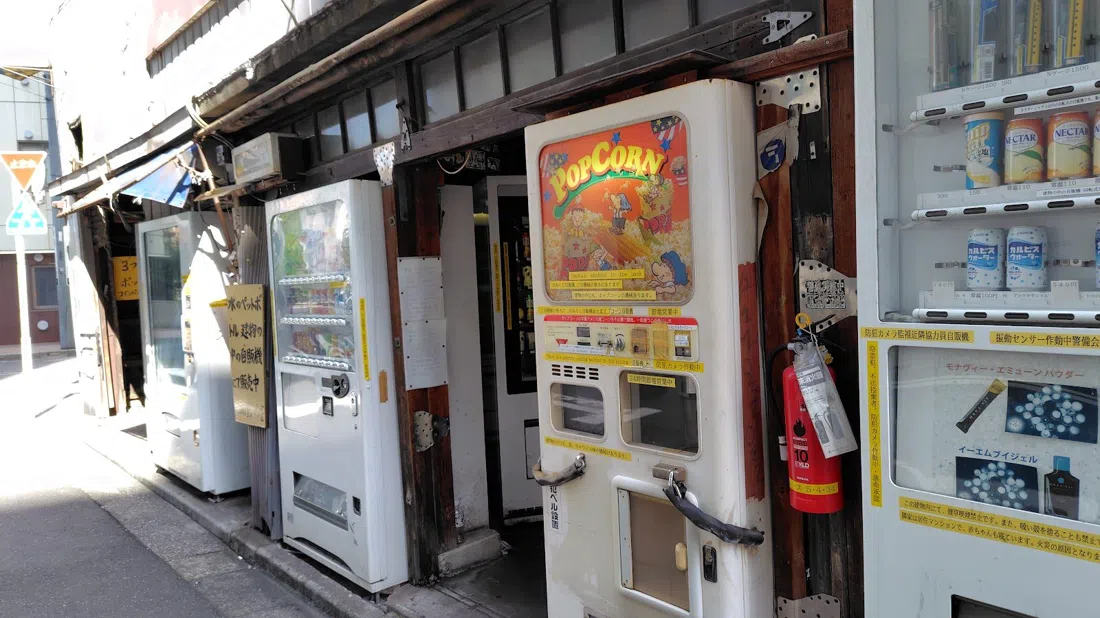
One correction worth carrying with you: the oden-can machine moved in 2015, when the electrical-parts shop it was bolted to left the area. A large number of blog posts and printed guides still give the old address, and readers turn up at a blank wall. Navigate to the Kanda-Sudacho corner itself and you will not go wrong.
No door and no policy does not make this the easy group stop. Six to eight people fit before the pavement clogs and you become the obstruction on a working street, so send half the party across the crossing and go in two waves. On the mystery boxes: what is inside is what somebody could not sell at full price. Buy one for the ritual of opening it, not for the contents.
Five minutes back towards the station, the Niku no Mansei katsu-sando machine (Radio Garden, Akihabara) sits in a half-dead radio-parts arcade under the tracks, and it is the best single image on the route: a 75-year-old Kanda butcher selling its signature pork cutlet sandwich from a machine, in an arcade built for a trade that has almost finished dying. Sandwiches run ¥650 to ¥1,080, the frontage is open 24 hours, and the same row carries canned oden, which makes the two Akihabara stops rhyme neatly if you do them in this order.
The problem is stock. It sells out late at night, often well before the last trains, so a party of eight should not arrive at 23:30 assuming everyone eats. If the sandwich matters to you, come through Akihabara early in the evening and treat the corner as the second stop rather than the first.
A bowl cooked by machine, inside the ticket gates
The Yo-Kai Express 'Ramen Stand' (JR Ueno Station) is where the idea stops being a novelty. A machine cooks a real hot bowl in about ninety seconds (noodles, broth, toppings, no human involved) for roughly ¥850 to ¥1,000. Nothing else in the city makes the point as plainly.
Two facts guides routinely get wrong: it is Ueno, not Tokyo Station, and it sits inside the Shinkansen barrier, so you need to be a ticket-holder to reach it. That rules it out of a night walk entirely. Fold it into the morning you leave the city instead, or the morning you take a Shinkansen day trip, and give yourself slack: one bowl is produced at a time, and a queue of more than three people in front of you turns a ninety-second machine into a ten-minute wait you cannot argue with.
Ueno is two stops from Akihabara on the Yamanote or Keihin-Tohoku line, four minutes, so the distance is trivial. It is the barrier that makes it a separate trip.
Shibuya, capsules and a can of cream
Shibuya is the other dense cluster and the one that actually stays open late. Come out of the Hachiko exit, cross the Scramble, and start with the stop that shuts first.
Dream Capsule (MAGNET by SHIBUYA109, Shibuya) opens 10:00 to 21:00 daily and closes on 1 January. It was Shibuya's first capsule-toy specialist, turns over 300 to 400 new items a month, and has the Scramble in the window, so it does the work of two stops at once if your evening is short. Capsules run ¥200 to ¥800. The floor is open and flat and handles a group of ten without anyone standing in a doorway.
When it shuts, walk two minutes into Center-gai for #C-pla Shibuya Center-gai (Shibuya), which holds roughly 2,000 machines and stays open until 23:00. Capsules are ¥300 to ¥1,000. This is the late anchor of the Shibuya leg and the best-value group stop on the route, because a party can scatter down the aisles and reconvene without anyone queuing. Bring coins. It is effectively cash only, the card readers are patchy, and while there are currency exchange machines on site, you still want a pocket of ¥100 pieces rather than a ¥10,000 note and optimism.

The outlier here is the Namakuri fresh-cream can machine (SHIBUYA109, Shibuya): ¥780 for a can that is about ninety per cent whipped cream and ten per cent sponge, sold from the basement of the most photographed building in the district. It is a good contrast with the oden cans, same format and opposite intention. The store runs 11:00 to 20:00, so it breaks the after-dark framing, and it sells out fast enough that a group of six can empty the machine. Treat it as an afternoon errand on the day you plan to be in Shibuya anyway.
If you want this whole leg on foot rather than on trains, base yourself within about a kilometre of the Scramble. A Tokyo hotel search around Shibuya, Jinnan or Dogenzaka puts Center-gai, MAGNET and 109 inside a ten-minute walk of the front door, and gets you home without watching the clock for last trains.
The insect machine at Takadanobaba
Kome to Circus Takadanobaba (MOGBUG machine, Takadanobaba) is the most honest 'only in Tokyo' stop on the list and the highlight of the Shinjuku-ward leg. A vending machine selling packaged edible insects is bolted to the front of a gibier izakaya, it runs 24 hours on the street, and packets are ¥600 to ¥2,000. Only a couple of MOGBUG machines are left in the city, which is the reason to make the trip, more than the shock value.
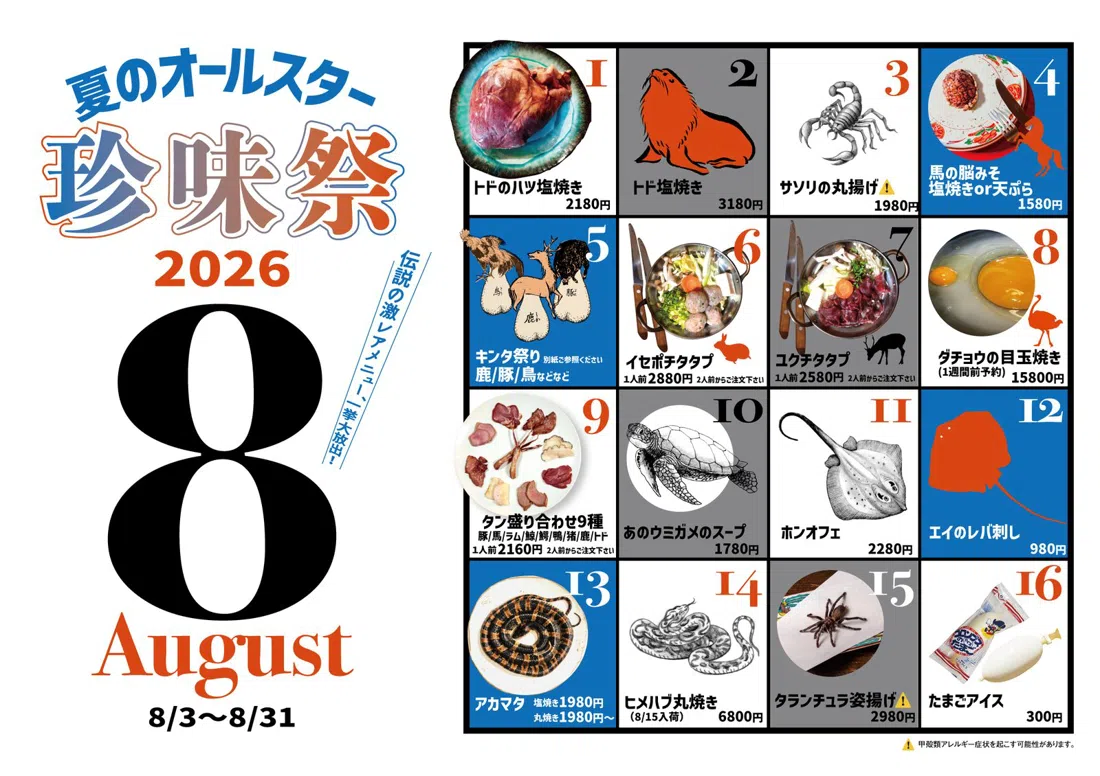
Takadanobaba is on the Yamanote loop, a few minutes north of Shinjuku, and the machine is a short walk from the Waseda Exit. Because the machine never closes it works at any hour, and it is the one stop that genuinely fits a 2am plan.
The izakaya behind it is a separate decision. It serves Mon and Wed-Fri from 16:00 to 22:30 and from 12:00 at weekends, mains are ¥1,000 to ¥3,000, and it takes group bookings, so if you want the night to include a sit-down meal for six or more, this is the place to build it around. Book ahead; do not walk a group of eight up to the door and hope. Couples can chance a walk-in on a weekday, though the room is not large.
The bar with no bartender
Vender Stand Suishin (off the Shinjuku-Shibuya spine) is where the whole argument ends up. It is a standing bar with no staff at all: the machine scans your driving licence to check your age, a synthesised voice thanks you for your day's work, and drinks are ¥200 to ¥600 with no cover charge and no time limit. It was verified trading in May 2026.
It is small. Four or five people is the ceiling, and because there is nobody behind a counter, the room polices itself entirely on how the people already in it behave. That makes it a superb stop for a couple or a pair of friends and a bad one for a group of six, who will simply fill it. Bring the ID; the scanner is not decorative, and a foreign licence or passport is the practical answer for visitors. It is a deliberate detour off the main axis rather than something you pass, so check its current location before you set out.
Frozen ramen at three in the morning
Noodle Tours (Maruyama Seimen frozen ramen machines, various) is the country's largest frozen-ramen machine network, selling licensed bowls from name shops out of street-side machines at any hour, around ¥1,000 a kit. Nothing stops you buying at 3am, which is the point.
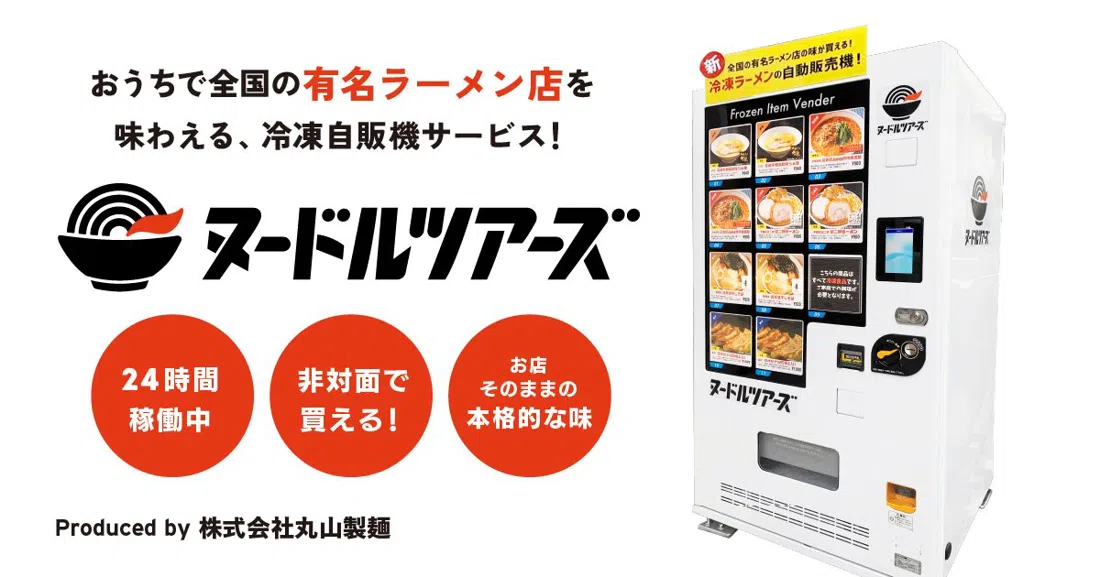
The catch is that each bowl is a take-home kit, not a meal. You need a kitchen, so this is for readers in an apartment-hotel or serviced flat, not a standard room with a kettle. Use the operator's own machine map rather than a list copied out of a guide: individual machines are relocated regularly, and the rival RAMEN STOCK 24 network appears to have gone dark, which is where most of the dead addresses circulating online come from.
Two stops that belong to daylight
The Dashi Douraku dashi vending machine (Yonbancho, Chiyoda) sells 500ml bottles of flying-fish dashi with the fish still in the bottle for around ¥750, from a kerbside machine in a car park, unrestricted at any hour. The maker is a western-Japan producer that sells only through machines like this one. It is a short walk from Ichigaya or Kojimachi, but check the official location page before routing anything: there is no Shinjuku or Shibuya machine, whatever several guides claim, and that error has sent a lot of people on a pointless walk.
Sagamihara Vending Machine Park (Chuko Tire Ichiba Sagamihara, also signed Rat Sunrise, Kanagawa) is the historical spine of the subject and the one stop that genuinely absorbs a coach party: free admission, a huge open yard, and around a hundred functioning machines from the era that invented the habit, most still dispensing hot food, at ¥300 to ¥500 an item. The machines run around the clock; the shop itself is 10:00 to 18:00 and closed on Wednesdays.
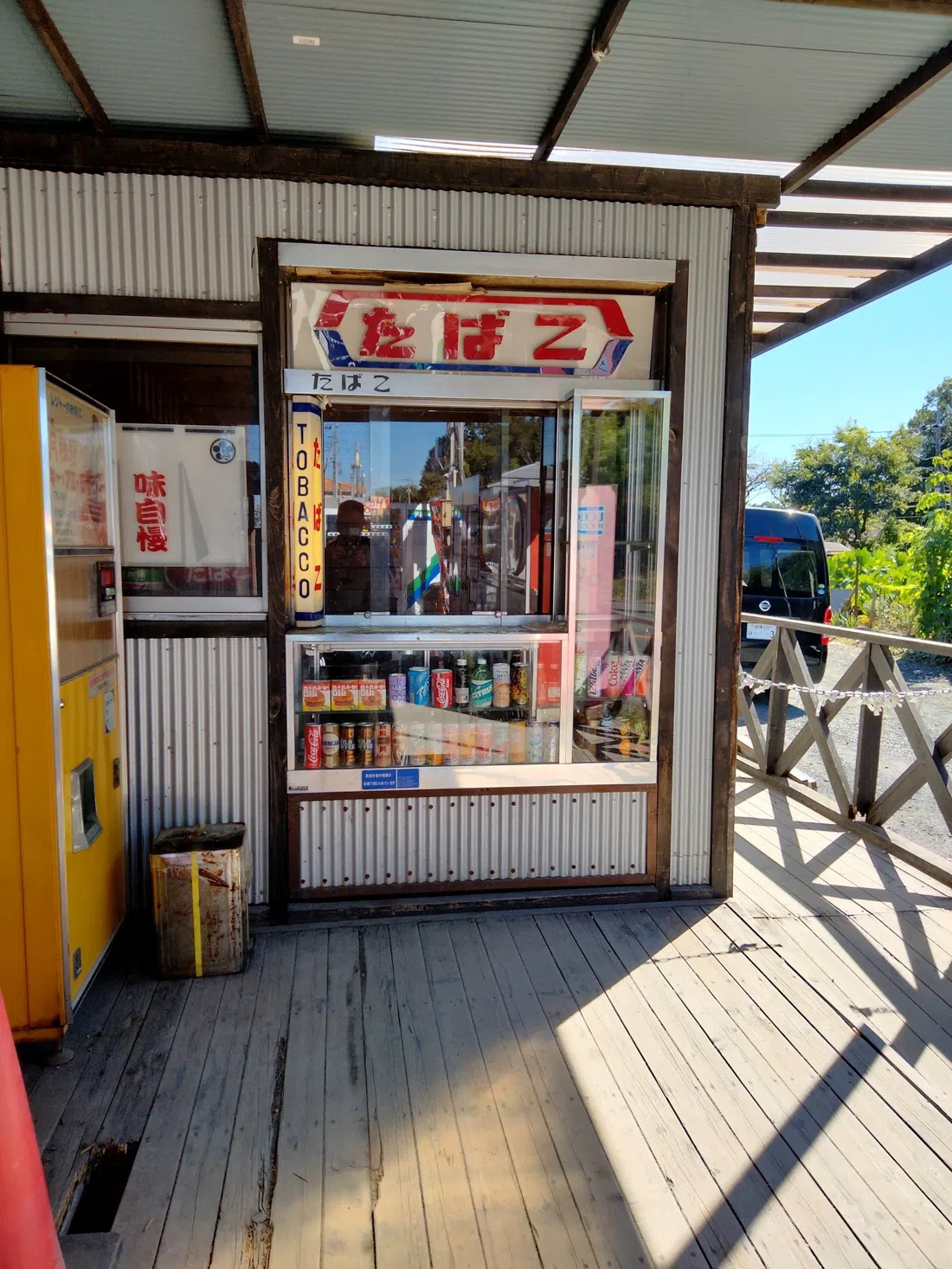
The commitment is real. It is 40km out, roughly an hour each way from the centre plus local transport at the far end. This is a half-day excursion in its own right, not a stop on a night route, and anyone who tells you otherwise has not done the journey.
Having the route narrated instead
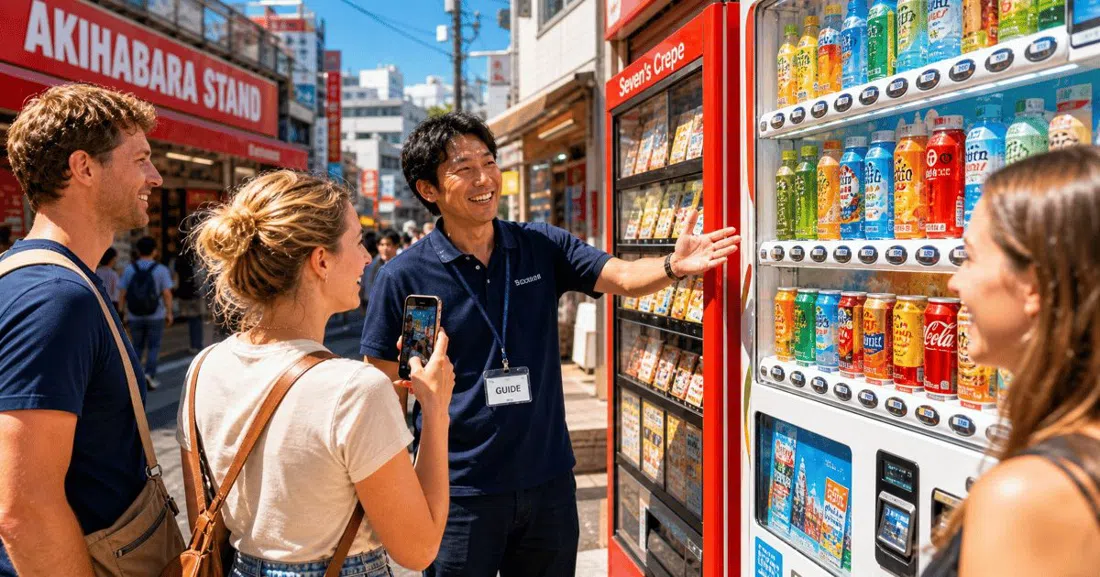
The Tokyo Vending Machine Adventure Walking Tour is sold explicitly as a private group booking and runs about 1.5 hours at roughly ¥5,500 to ¥8,500 per person (about US$37-55). It is the most group-friendly option here by a distance, and the obvious pick if you would rather have the machines explained than work them out cold. One practical point at booking: confirm the meeting point in writing, because listings for this operator variously give an Akihabara start and a Shibuya start, and the two are twenty minutes apart on the train.
What to carry and when to go
Carry coins. A pocket of ¥100 pieces is the single most useful thing on this route: capsule machines are coin-fed, older street machines ignore IC cards, and #C-pla is functionally cash only. Assume the card in your wallet will fail at least once and plan for it.
On timing, the workable night order is Akihabara first (katsu sando before it sells out, then the Kanda-Sudacho corner), Yamanote to Shibuya for Dream Capsule before 21:00 and #C-pla until 23:00, then Takadanobaba for the insect machine, which never shuts. Suishin fits wherever your group is small enough. Trains stop somewhere between midnight and 01:00 depending on the line, so anything after that is a taxi. Budget ¥3,000 or more for a cross-town ride, and note that the 24-hour machines are precisely the ones that reward being out past the last train.
On money, ¥3,000 to ¥5,000 per person covers a full night of eating and buying: a can of oden, a katsu sando, a couple of capsules and two drinks at Suishin lands comfortably inside that. Add ¥5,500 to ¥8,500 if you take the guided walk, ¥780 for the cream can if you do the afternoon detour, and a train fare plus half a day if you commit to the machine yard in Kanagawa.
Two bits of etiquette that matter more than they sound. Eat and drink where you bought, at the machine, and use the bin beside it. Street bins are rare, and walking away with a hot can while eating is read as bad manners. And keep the pavement clear: every stop on this route except the capsule stores and the yard is somebody else's street. For where these areas sit relative to each other and what else is worth your evening, the Tokyo guide covers the wider ground.