The Tokyo issue
Roppongi and Akasaka on foot in Tokyo
Four museums, two shrines, a palace garden and a robata counter in one walkable stretch of Minato, with the hours and prices that decide what order you walk them in.
By Lukas BrandtTokyo on foot, timed to the temple gates
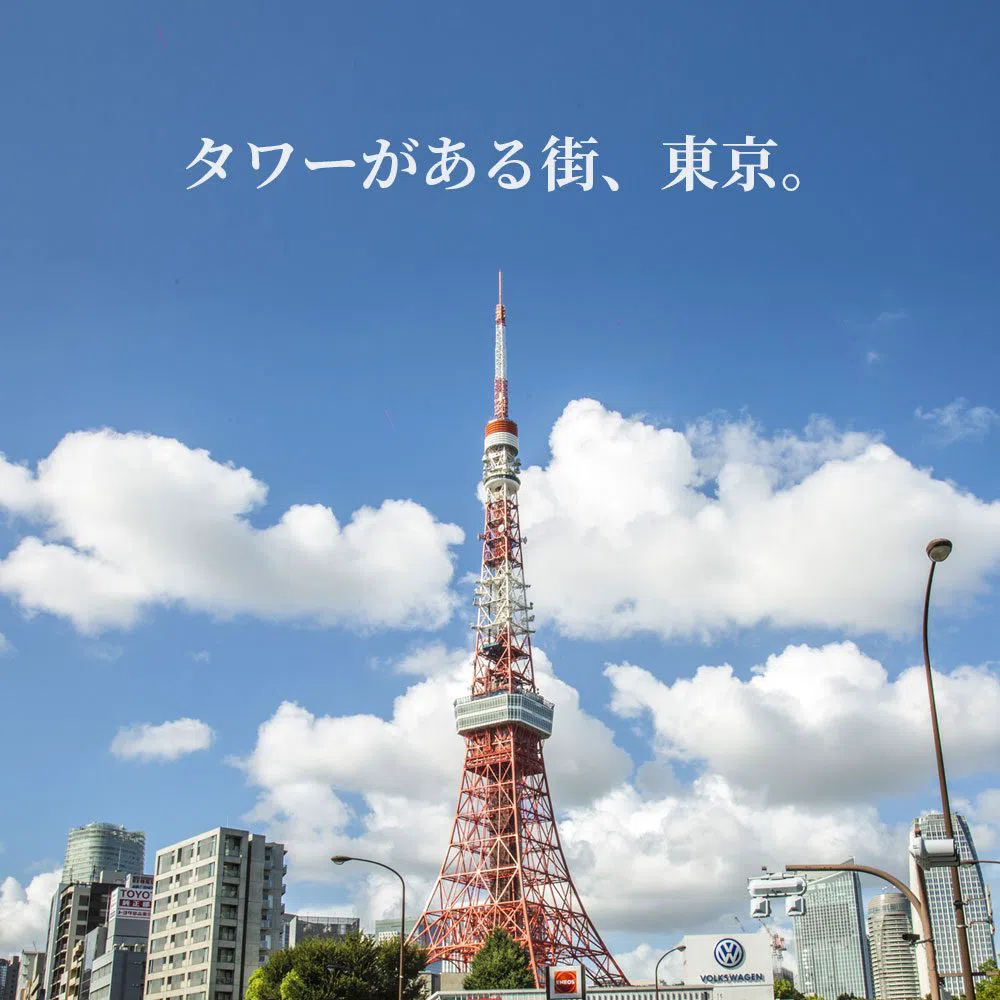
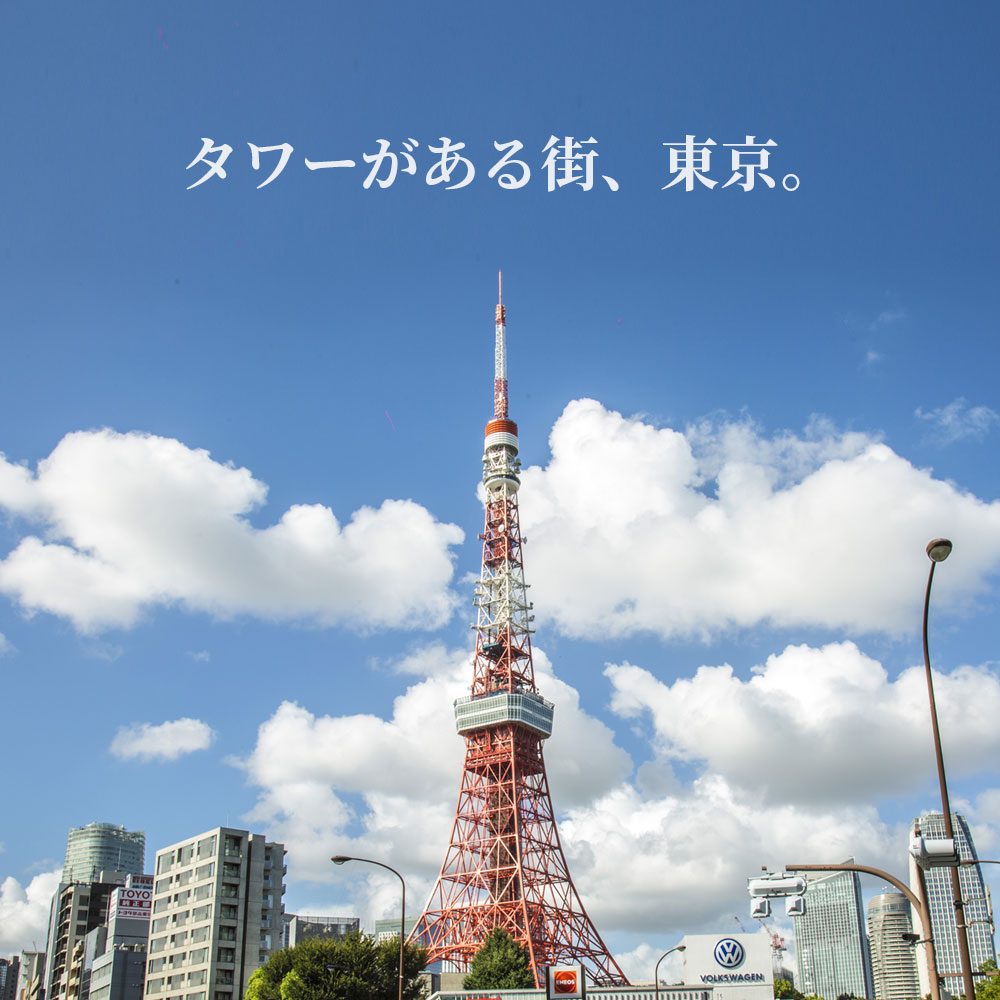
Tokyo Tower keeps its Main Deck open to 23:00, and the walk-up ticket is ¥1,500. Hie Shrine in Akasaka charges nothing to climb its 90 vermilion torii gates, and the grounds open at 06:00. teamLab Borderless, in the basement at Azabudai Hills, sells out at weekends.
Museums in Roppongi Hills and Tokyo Midtown
The Mori Art Museum & Tokyo City View sits at the top of Roppongi Hills Mori Tower, a glass-walled gallery beside an observation corridor that wraps the 52nd floor. The floor-to-ceiling windows frame Tokyo Tower lit red-orange below. The deck stays open to 22:00, which makes this the one view worth saving for after dinner. A combined museum and Tokyo City View ticket runs ¥2,000 to ¥2,500, bought online for a timed entry, and capacity here is generous. The museum reopens on 31 October 2026 with "Mariko Mori: All That Shines", and that show runs through 28 March 2027.
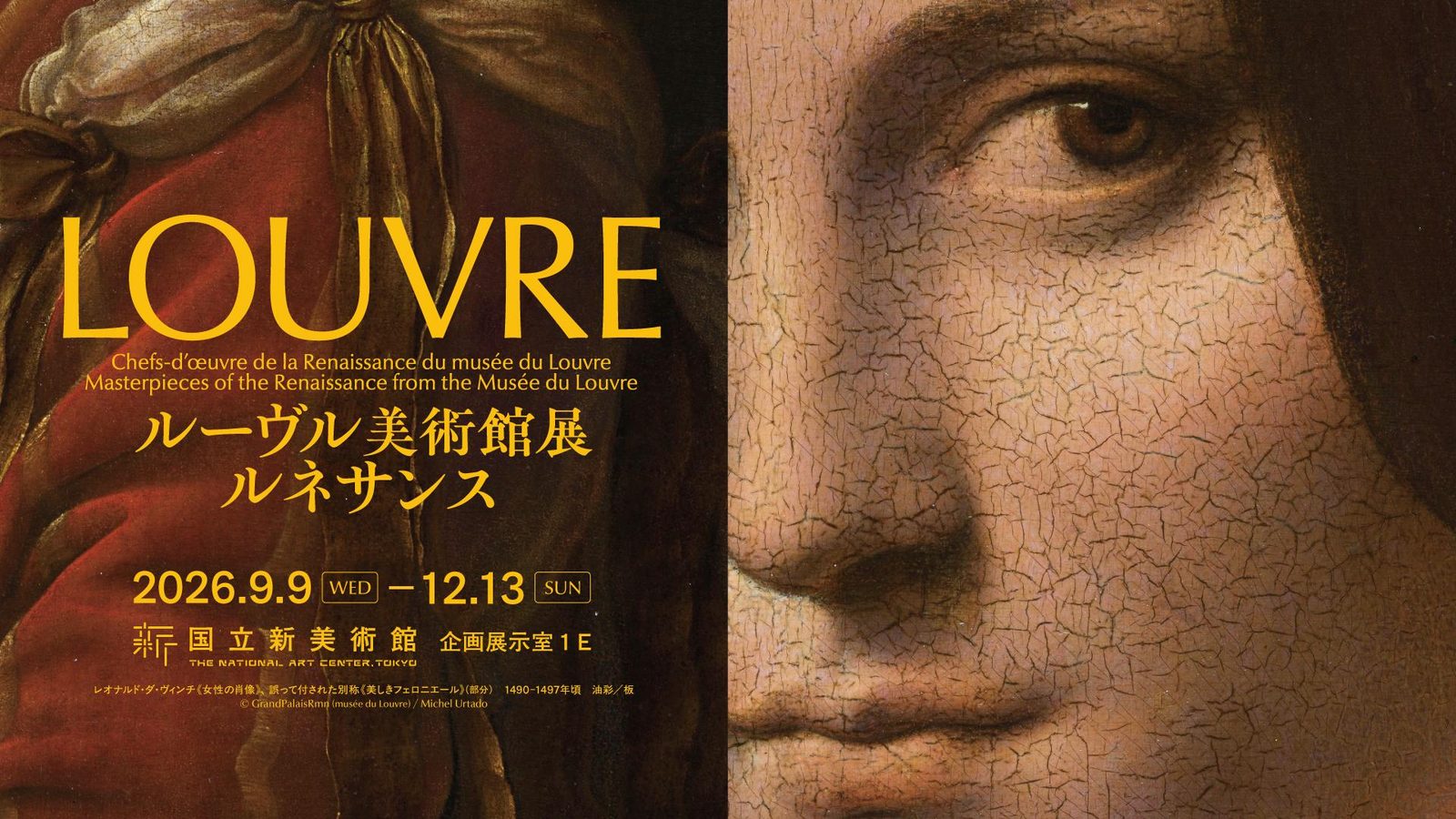
The National Art Center, Tokyo is Japan's largest exhibition space, behind Kisho Kurokawa's undulating green-glass curtain wall. The lobby costs nothing: walk in and stand in the atrium, where two giant inverted concrete cones hold cafés at their tips. Special exhibitions cost ¥1,500 to ¥2,200. "Masterpieces of the Renaissance from the Musée du Louvre" runs to 13 December 2026, and a headline show like that wants a timed ticket booked in advance, though the halls are built for blockbuster crowds. Friday and Saturday they stay open to 20:00.
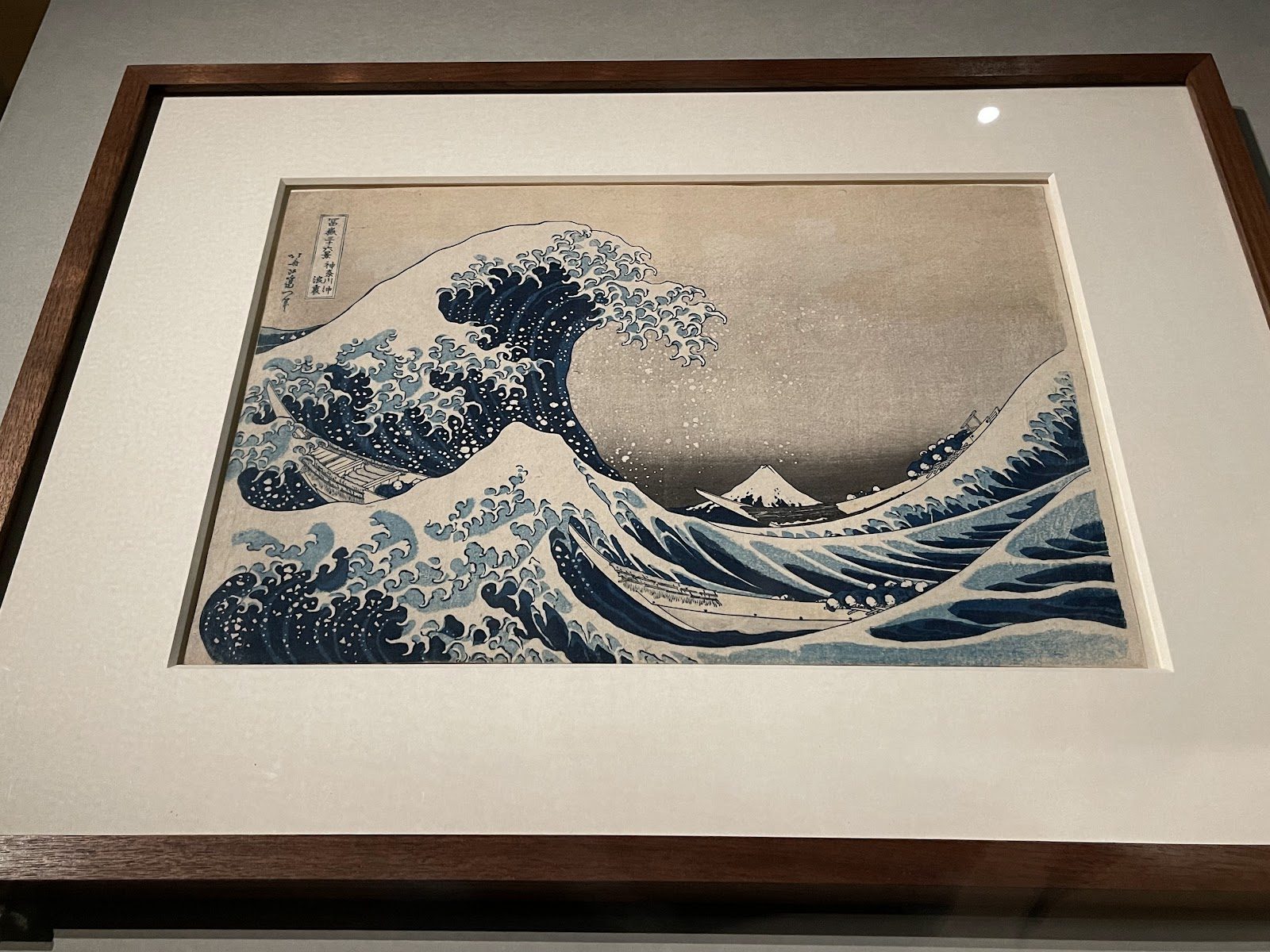
The Suntory Museum of Art occupies the Galleria at Tokyo Midtown, behind a Kengo Kuma interior of white shoji screens and pale Japanese cedar slats. Edo lacquer, ceramics and glass sit in low-lit cases under the house theme of art in life. Admission is ¥1,500 to ¥1,800 depending on the exhibition. Friday and Saturday run to 20:00 here as well. The galleries shut between exhibitions, so check the dates before you go.
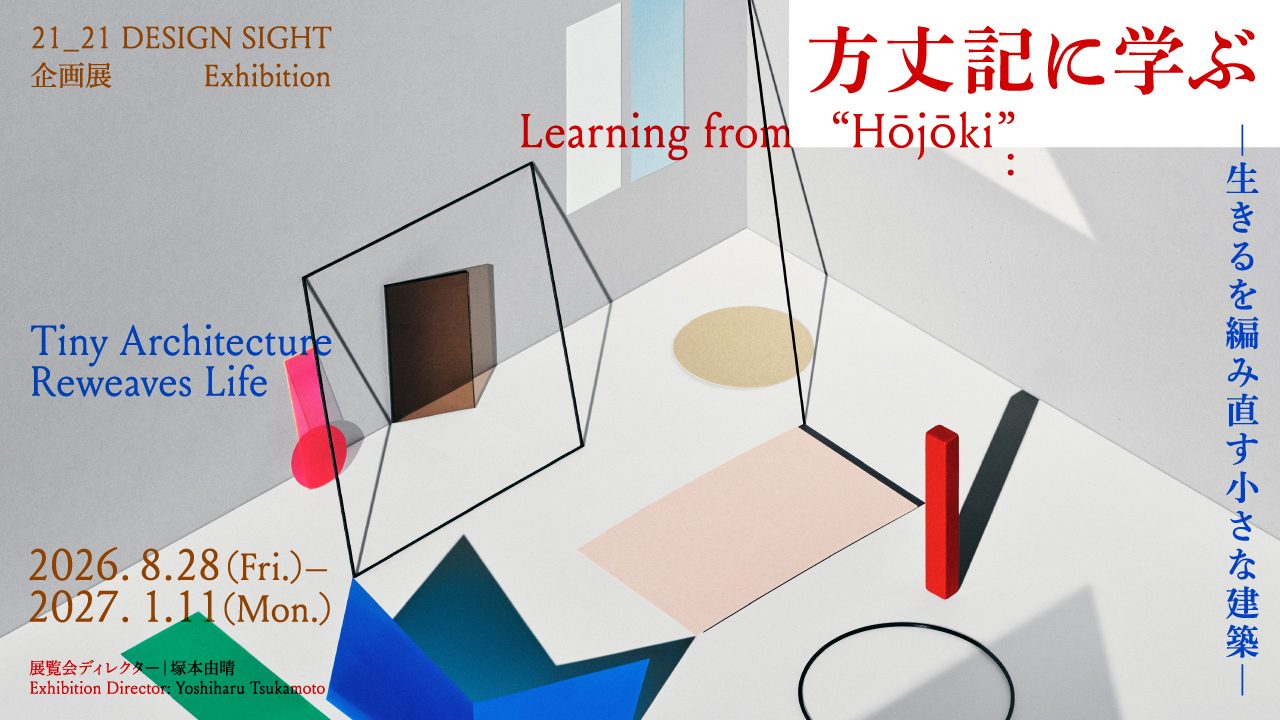
21_21 DESIGN SIGHT is a long low wedge by Tadao Ando, a single folded steel plate of roof skimming the lawn with most of the gallery buried underground. One sharp themed design show runs at a time, for ¥1,200 to ¥1,400, and the building is worth the ticket on its own. It closes between installations, and again from 21 to 23 November 2026 for a Midtown-wide power shutdown.
Plan your Tokyo trip
Live prices from our booking partners.
Free cancellation on many rooms. We may earn a commission when you book.
teamLab Borderless at Azabudai Hills
teamLab Borderless has been the biggest draw in the district since it moved into the Azabudai Hills basement. It is a pitch-black labyrinth where projected flowers bloom and die across the walls, the floors and your own body, and one room holds a forest of hanging mirrored light columns. Entry is strictly timed, and every person in the party needs their own slot. Adult tickets move with demand, ¥3,800 to ¥4,800, and ages 4 to 12 pay ¥1,500. Weekend slots go, so book days ahead, wear flat shoes and allow two hours.
Tokyo Tower and Zojoji Temple
Tokyo Tower is 333m of orange-and-white latticed steel in the Eiffel manner, floodlit at night, rising straight out of the dense low-rise Minato skyline with Zojoji temple roofs below. It is the silhouette every Roppongi rooftop sells you. The Main Deck is a walk-up at ¥1,500. The Top Deck Tour is timed and goes up in small batches, ¥3,300 booked on the web, and the Diamond Tour is ¥7,000. Zojoji Temple is a five-minute walk at the tower's foot.
Hie Shrine and Nogi Shrine
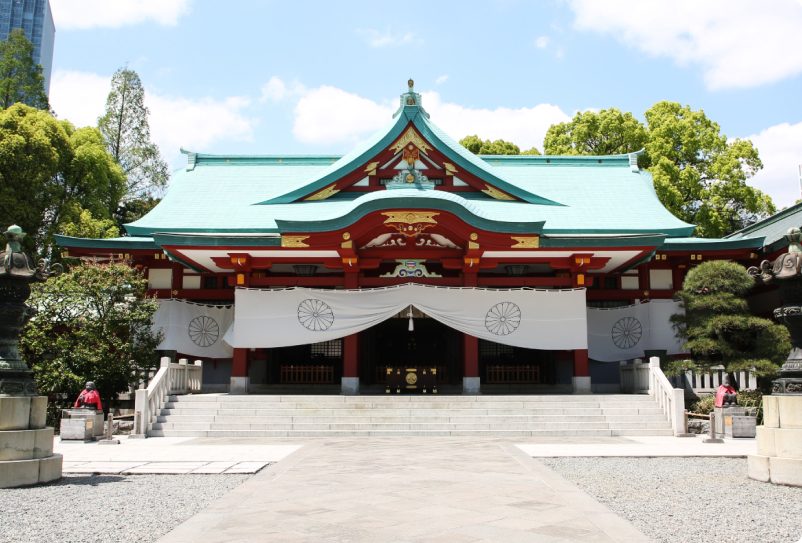
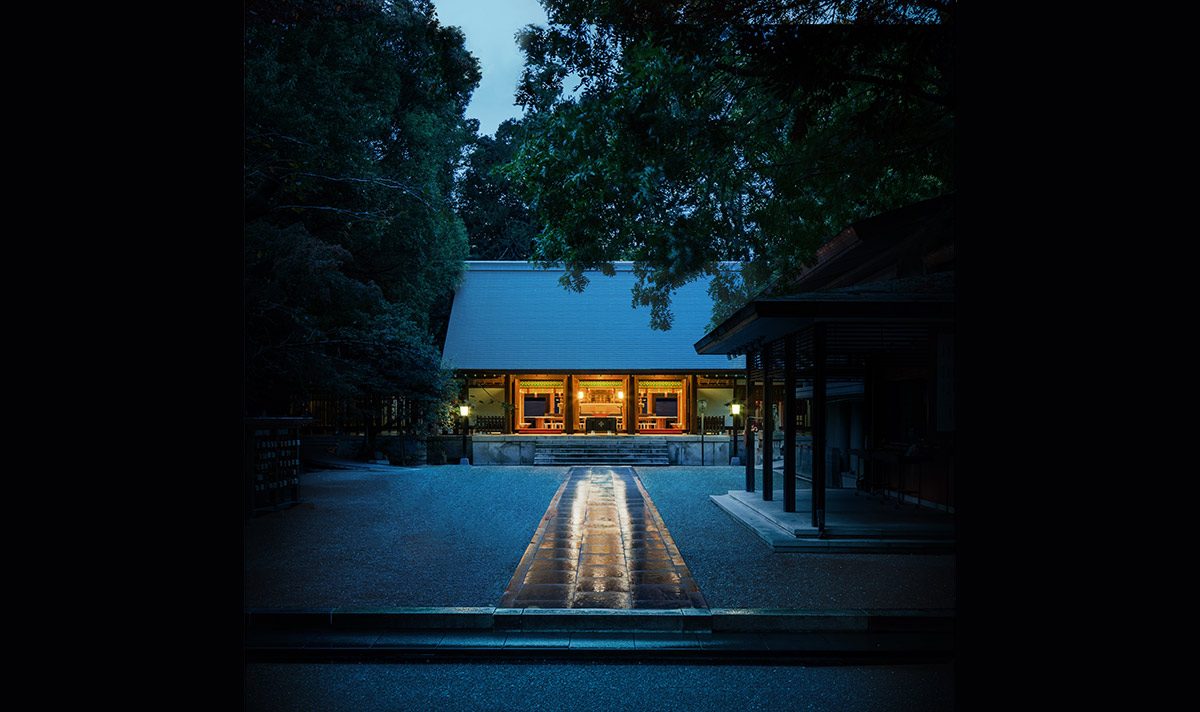
Hie Shrine's tunnel of torii climbs a steep stone staircase up a wooded hill single-file, with paired stone monkey guardians and glass office towers overhead. The grounds are five minutes from the station and run 06:00 to 17:00. Go before 08:00 for photographs with nobody in them.
Nogi Shrine stands at Nogizaka Station exit 1, a small gravel precinct beside the preserved brick-and-timber 1902 Western-style residence of General Nogi, its stables still standing, hemmed in by Nogizaka apartment blocks. Entry is free. The house interior opens only on 12 and 13 September, so time a visit instead for the antiques market on the fourth Sunday of each month, 09:00 to 16:00. The market has room for a crowd; the house does not.
Akasaka Palace and the New Otani garden
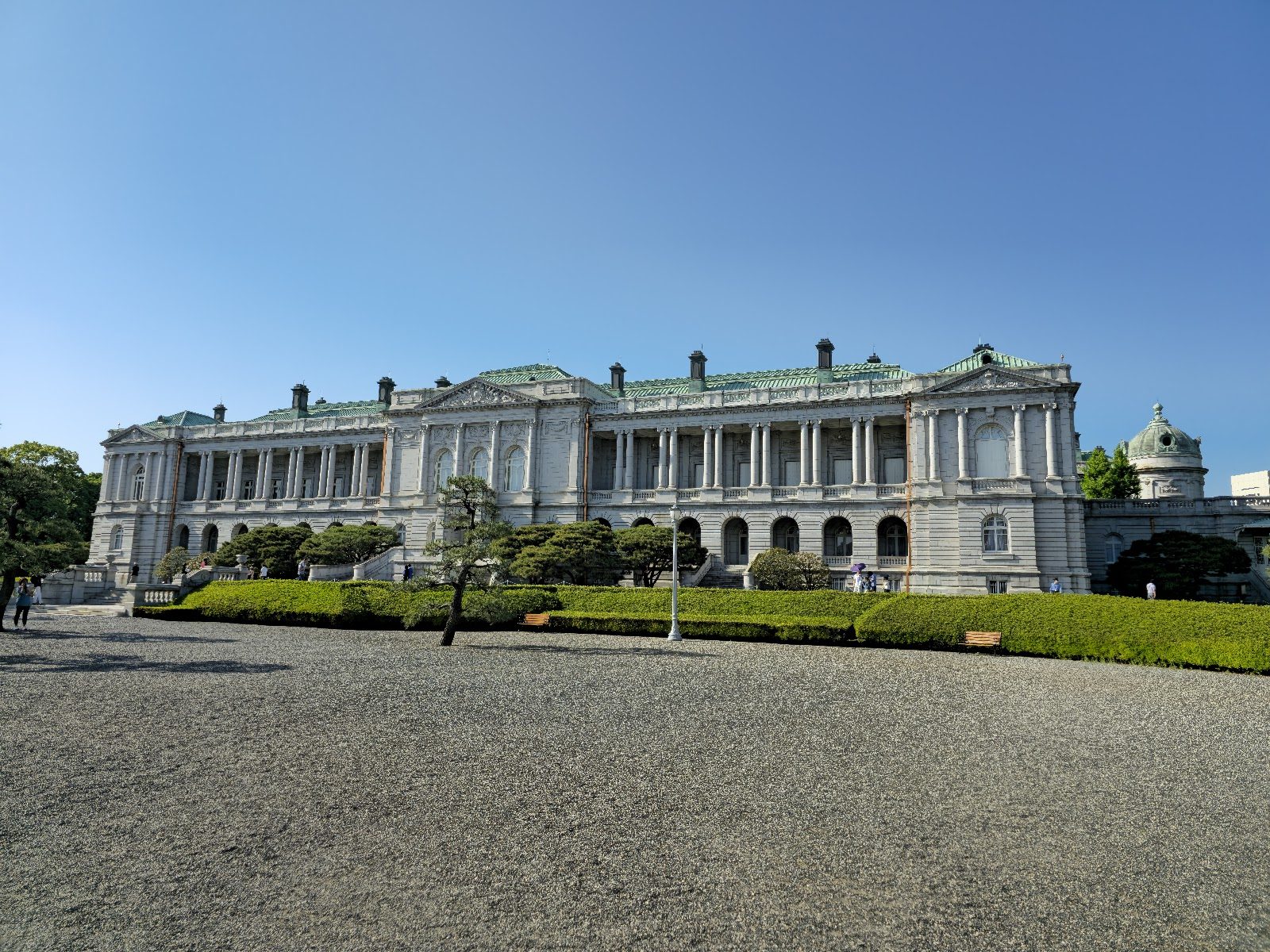
State Guest House Akasaka Palace is a neo-Baroque granite palace of 1909 behind iron gates and a fountain, and it is Japan's only Western-style palace open to the public. The gilded Asahi-no-Ma and Hagoromo-no-Ma state rooms sit under crystal chandeliers. Visits fall on public open days, reserved online. Gardens alone cost ¥300, gardens with the main building ¥1,500, and ¥2,000 adds the Japanese annex. Security at the entrance is airport-style, with bag checks. The palace closes without warning for state visits, so check the official calendar the morning you go; it is an unexpected stop on an Akasaka day and a wasted walk if the gates are shut.
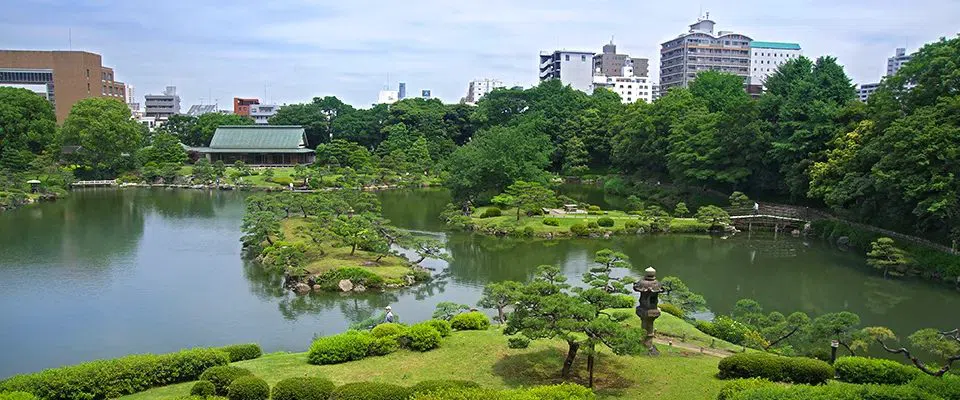
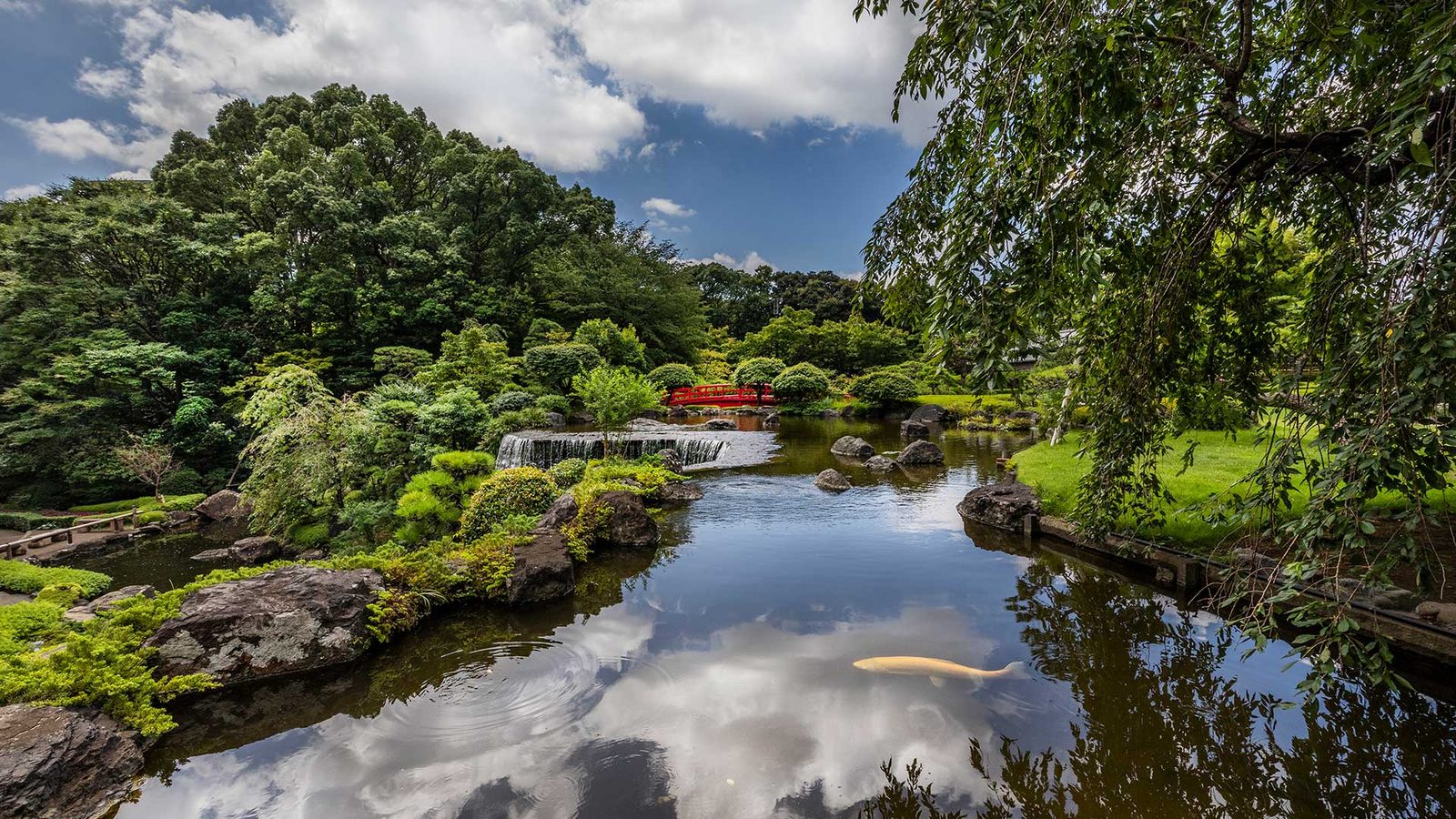
The Hotel New Otani Tokyo Japanese Garden was the Kato and Ii clans' grounds, and 400 years on it is open free to anyone who walks in, 06:00 to 22:00. Koi ponds, a six-metre waterfall and vermilion arched bridges sit under the pines, with the hotel towers rising directly behind. The garden is lit after dark, and it is the best free half-hour in Akasaka.
Suntory Hall and ARK Hills Music Week
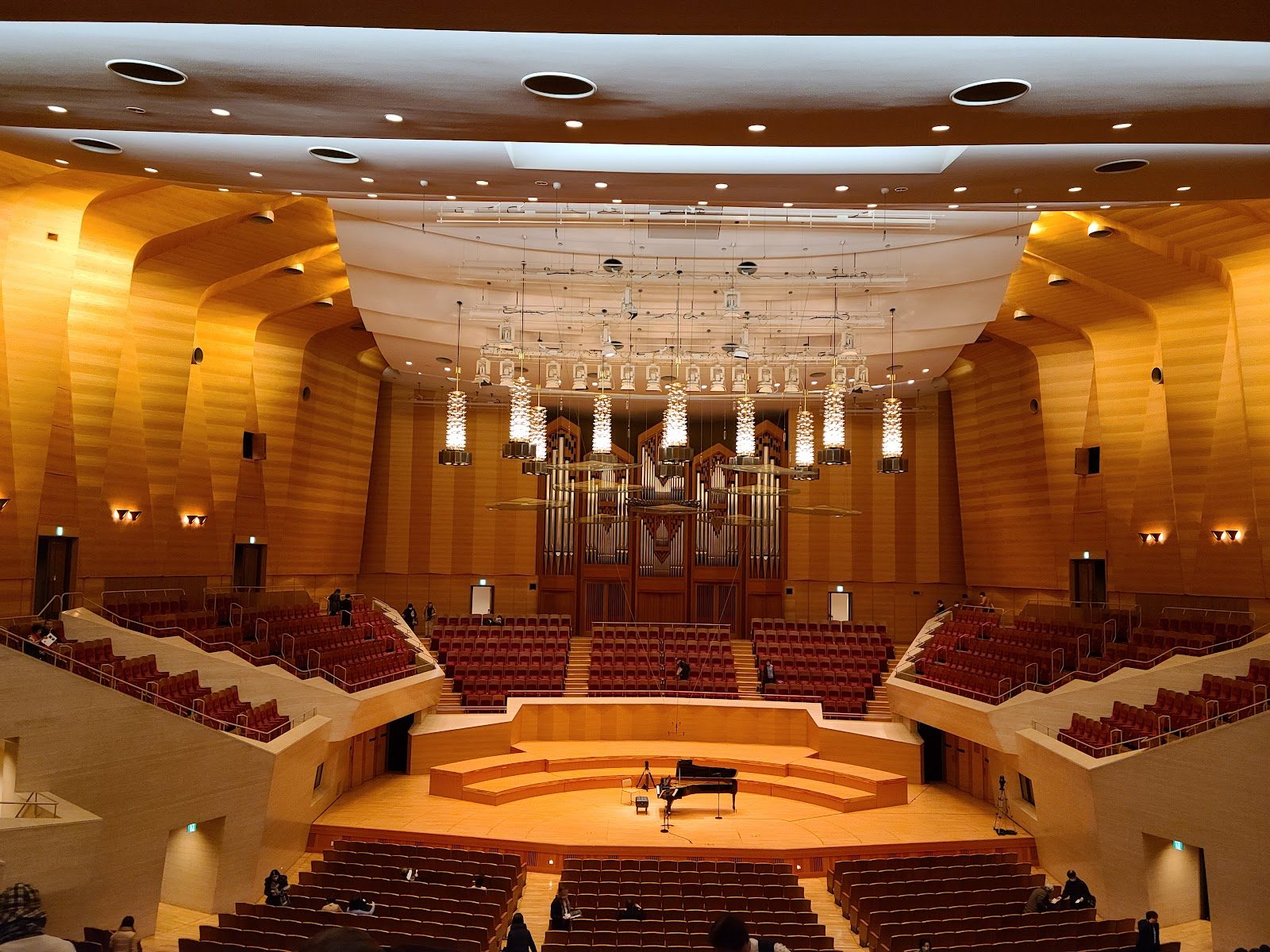
Suntory Hall wraps its stage in vineyard terraces, stepped blocks of warm oak climbing away from the platform, with a 5,898-pipe Rieger organ across the back wall. Karajan called it a jewel box, and it is still Tokyo's finest acoustic. The hall seats 2,006 and tickets typically run ¥3,000 to ¥12,000. The free lunchtime organ promenade concerts are first-come. This is the 40th-anniversary season, and in early October the strip between Akasaka and Roppongi fills up for ARK Hills Music Week.
Dinner around Roppongi Crossing
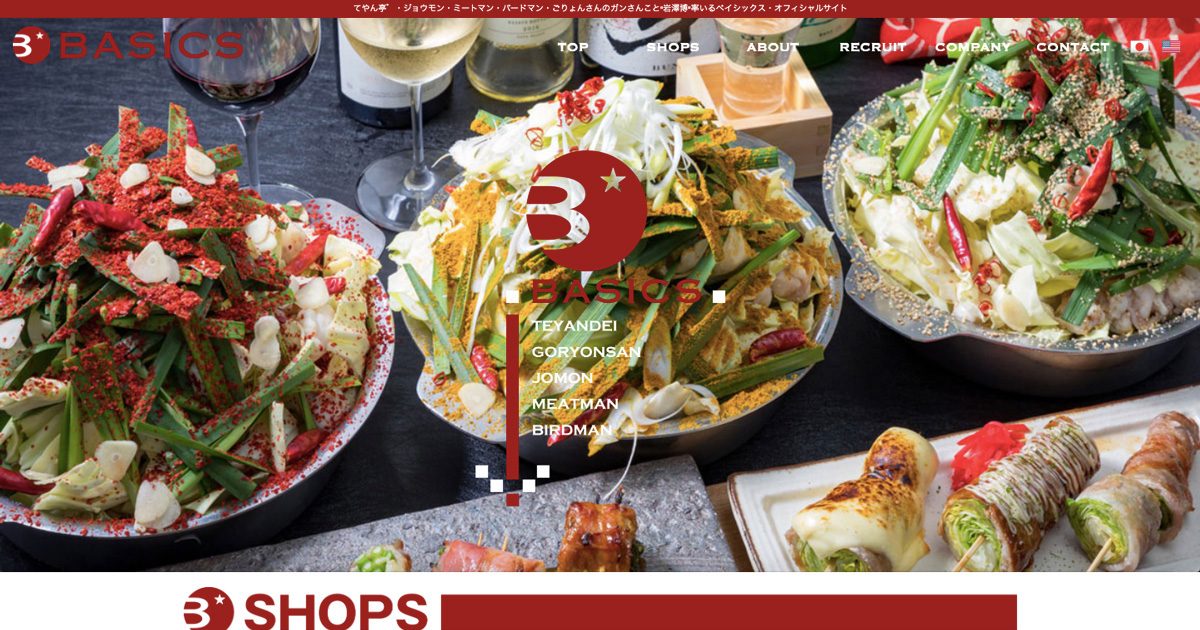
Jomon Roppongi racks hundreds of bamboo skewers on the wall behind the counter, in a narrow smoke-stained room where bare bulbs and shochu bottles crowd the shelves. The skewers are Hakata-style over charcoal, the shochu list is serious and the menu comes in English. Service starts at 17:00 and runs late on Fridays and Saturdays, with no days off. Expect ¥4,000 to ¥6,000 a head with drinks. The room is comfortable for eight; a bigger party should book well ahead or take one of the sister branches nearby. It is the best cheap dinner within two minutes of Roppongi Crossing.
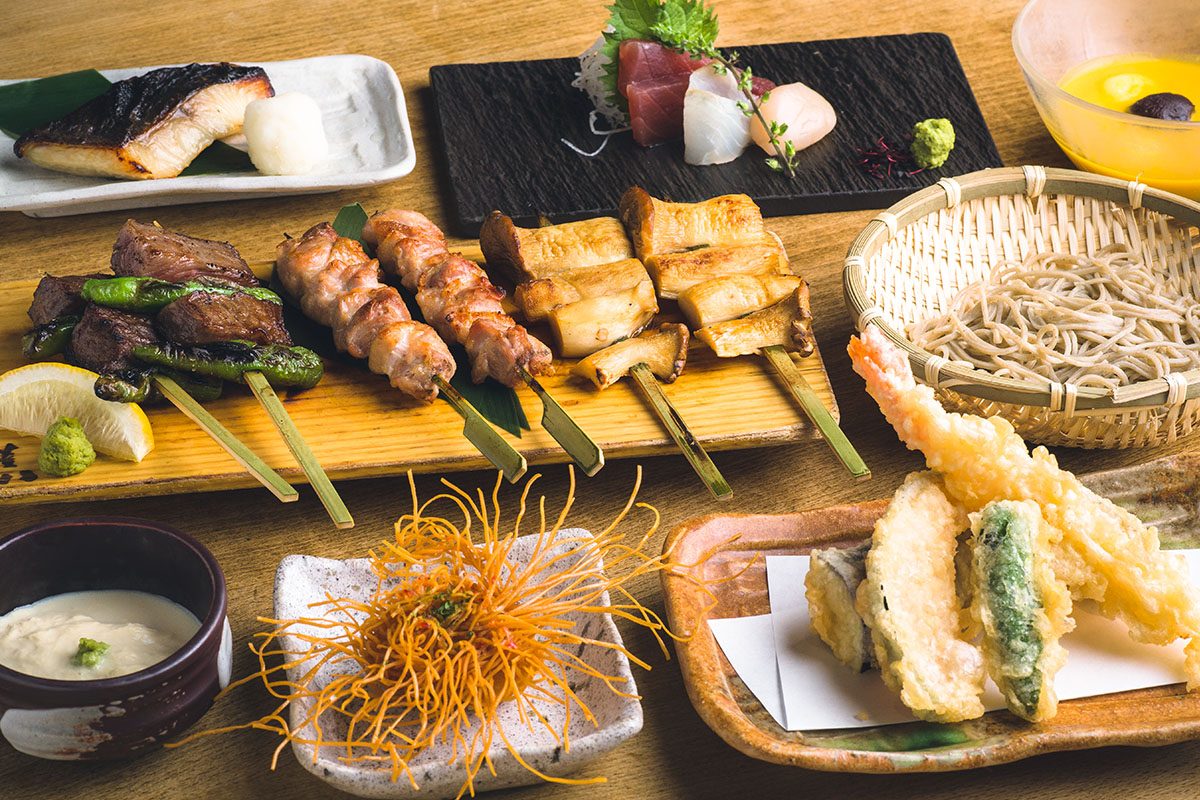
Gonpachi Nishi-Azabu is the Kill Bill building, a three-storey dark-timber Edo inn around a central atrium, wooden galleries and paper lanterns looking down on the ground-floor kitchen. Tarantino copied the set from it, and it is touristy. The robata and the soba are solid, the menus come in English, and halal and vegan dishes are on them. With 260 seats, private floors and buyouts up to 204 people, it is the most group-friendly restaurant in the area. The kitchen serves until 03:30, which almost nothing comparable does. Prices are ¥¥, with a ¥1,650 per-person minimum after 17:00.
Roppongi Inakaya East (3-14-7 Roppongi) sets a horseshoe counter around mountains of raw fish, scallops and vegetables on ice. Chefs in happi coats bellow orders in unison and pass food over on long wooden paddles. The robatayaki here is a performance, expensive and loud. It has run since 1970 and was Michelin-listed in 2026. Dinner is ¥15,000 per head, 17:00 to 23:00 daily. The old West branch has closed, so make sure your booking says East.
Late drinks at AGAVE
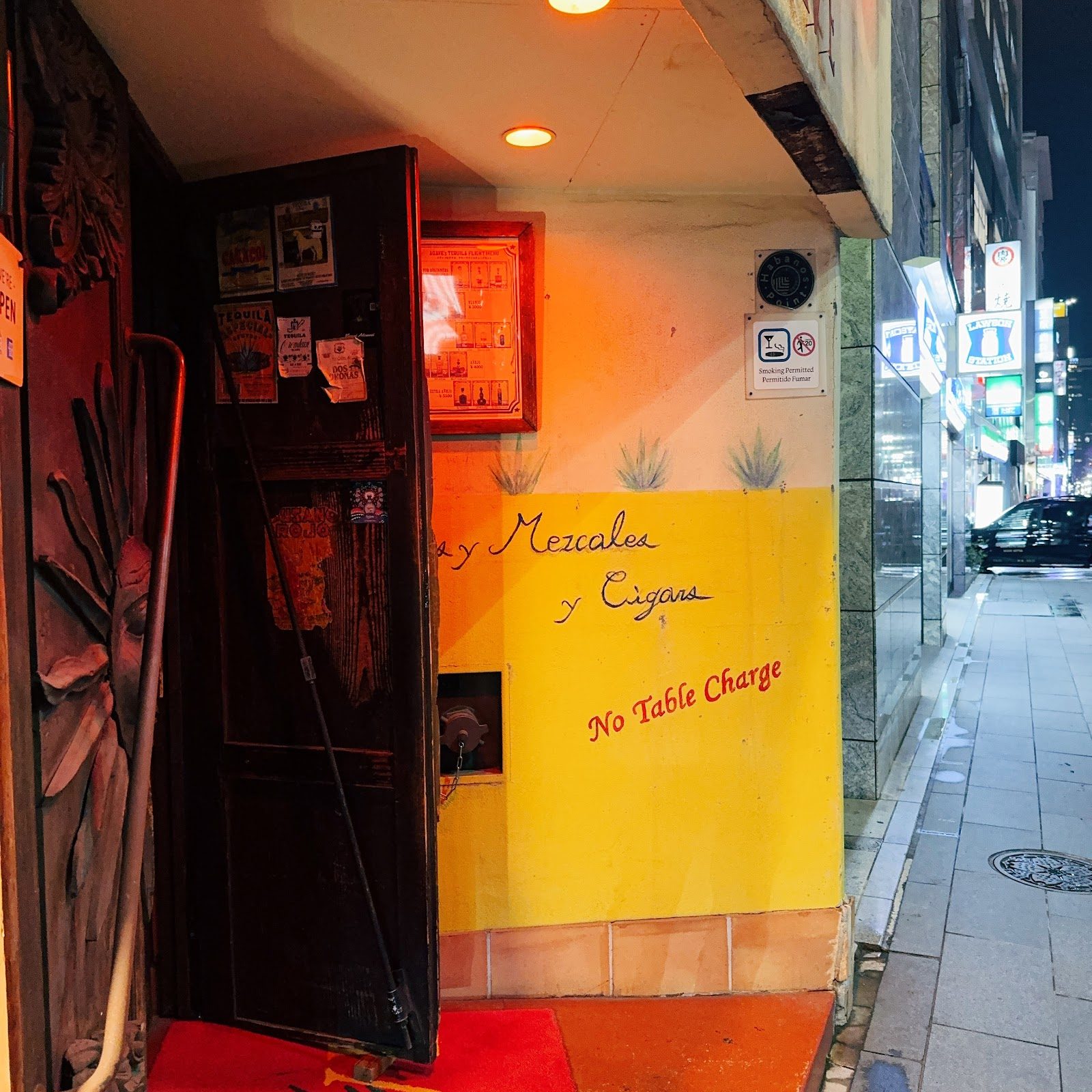
AGAVE is a windowless basement cantina with adobe-style walls and Oaxacan folk art, its back bar stacked with 400 tequila and mezcal bottles. It has been pouring since 1998, has outlasted most of Roppongi's nightlife, and holds one of the deepest tequila lists in the world. Seating runs to 50 across the counter and tables, so reserve a place. People smoke in here. Live Mexican music lands on the first and third Thursday. It closes on Sundays and otherwise runs to 03:00. A night costs ¥8,000 to ¥12,000 a head.
Where to stay
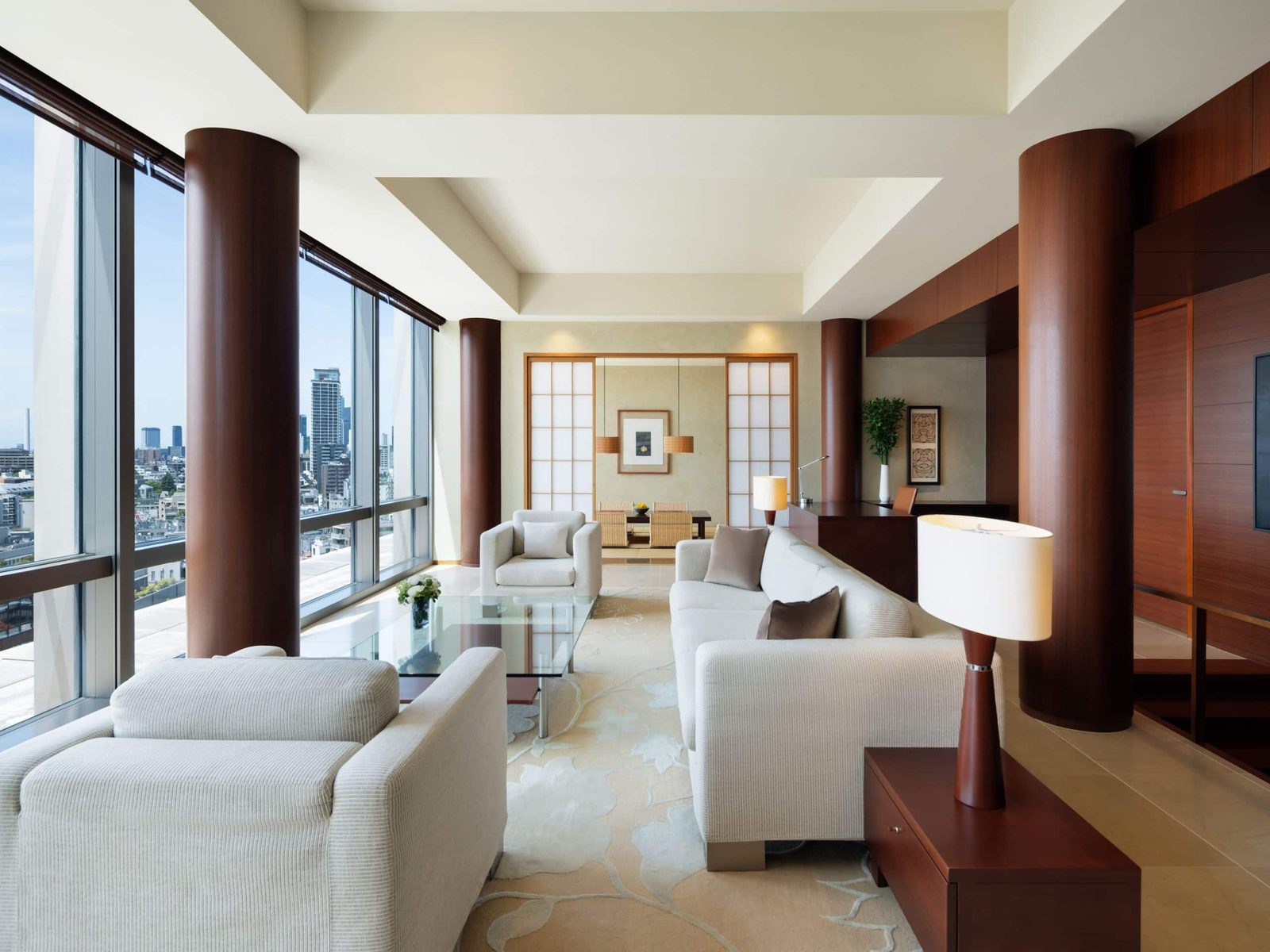
Grand Hyatt Tokyo is the base for taking this district on foot, with lifts into Roppongi Hills, the Mori Art Museum and Tokyo City View upstairs and the nightlife a block away, behind soundproofing good enough to escape it. The lobby is dark walnut, bronze and red granite under hanging paper-globe lanterns, and a glass-roofed 20-metre pool sits under Mori Tower. It has 387 rooms and 10 restaurants and bars. Rates are ¥¥¥¥, from ¥70,000 a night.
Hotel New Otani Tokyo is the most characterful big hotel in the district if you want to stay on the Akasaka side. It holds 1,479 rooms at ¥¥¥.
Opening days and booking
Tuesdays close the National Art Center, the Suntory Museum of Art and 21_21 DESIGN SIGHT, and AGAVE is dark on Sundays. Book teamLab Borderless days ahead, reserve a table at AGAVE, and check the Akasaka Palace open-day calendar before you set out.
See the Tokyo guide and the Tokyo hotel search.
Gallery
Roppongi and Akasaka in pictures
Roppongi and Akasaka — your questions
Which Roppongi and Akasaka museums close on Tuesdays?
The National Art Center, Tokyo, the Suntory Museum of Art and 21_21 DESIGN SIGHT all close on Tuesdays. The Suntory also closes between exhibitions, and 21_21 closes between installations and again from 21 to 23 November 2026 for a Midtown-wide power shutdown.
Do I need to book teamLab Borderless in advance?
Yes. Entry is timed, every person in the party needs their own slot, and weekend slots sell out. Adult tickets run ¥3,800 to ¥4,800 depending on demand; ages 4 to 12 pay ¥1,500. Allow two hours and wear flat shoes.
What can I see here without paying?
Hie Shrine's torii stairs are free and the grounds open 06:00 to 17:00. Nogi Shrine is also free and holds an antiques market on the fourth Sunday of each month, 09:00 to 16:00. The Hotel New Otani Tokyo Japanese Garden is free 06:00 to 22:00, and so is the lobby of The National Art Center, Tokyo.
Can anyone visit the State Guest House Akasaka Palace?
It opens to the public on announced open days, and you reserve online. Gardens alone are ¥300, gardens with the main building ¥1,500, and ¥2,000 adds the Japanese annex. Security at the entrance includes bag checks, and the palace can close at no notice for state visits, so check the official calendar on the morning you go.
What stays open late in Roppongi?
Tokyo City View runs to 22:00 and Tokyo Tower's Main Deck to 23:00. Gonpachi Nishi-Azabu serves until 03:30, and AGAVE pours to 03:00 every day except Sunday. Roppongi Inakaya East stops at 23:00.