지역음식 & 음료호텔액티비티What's on자주 묻는 질문여행지 탐색Dealsrate탐색
Before the Bell: A Sumo Morning in Tokyo's Stables

Before the Bell: A Sumo Morning in Tokyo's Stables

A dawn walk through Ryogoku's sumo stables — who gets in for free, who needs a guide, and what to eat afterward.

Ryogoku wakes before the rest of Tokyo does. By 6:30am the stables tucked into the streets behind the JR tracks are already full of the sound of bare feet slapping clay and the low grunt of men twice your size colliding on purpose. For ninety minutes a small number of visitors get to stand at a window, or sit cross-legged on a tour operator's mat, and watch a discipline that hasn't changed its shape in centuries. This isn't a show staged for tourists — it's the actual morning training session, and how close you get to it, and how much you pay for the privilege, depends entirely on which door you knock on.

The One Door That's Always Open

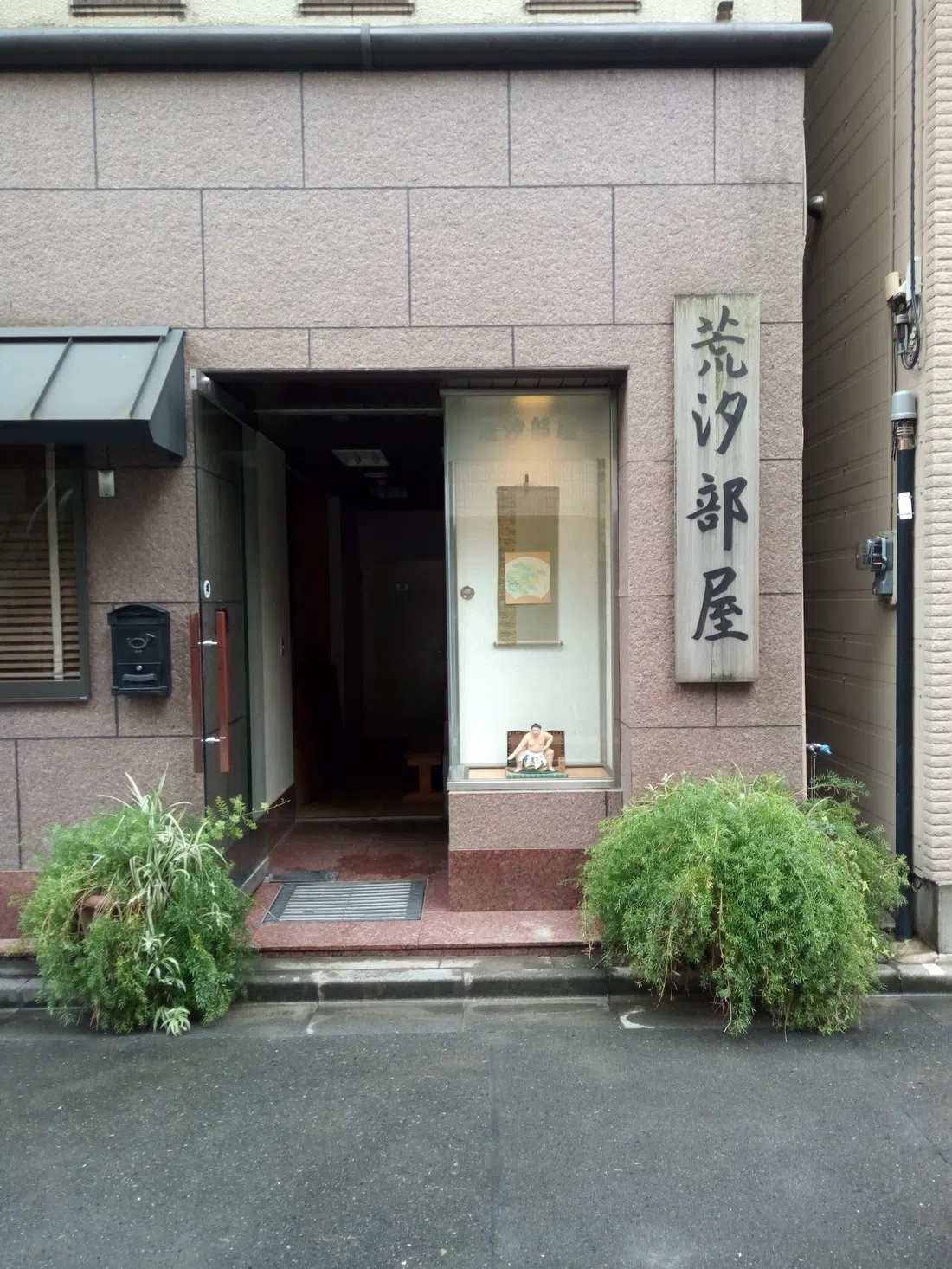
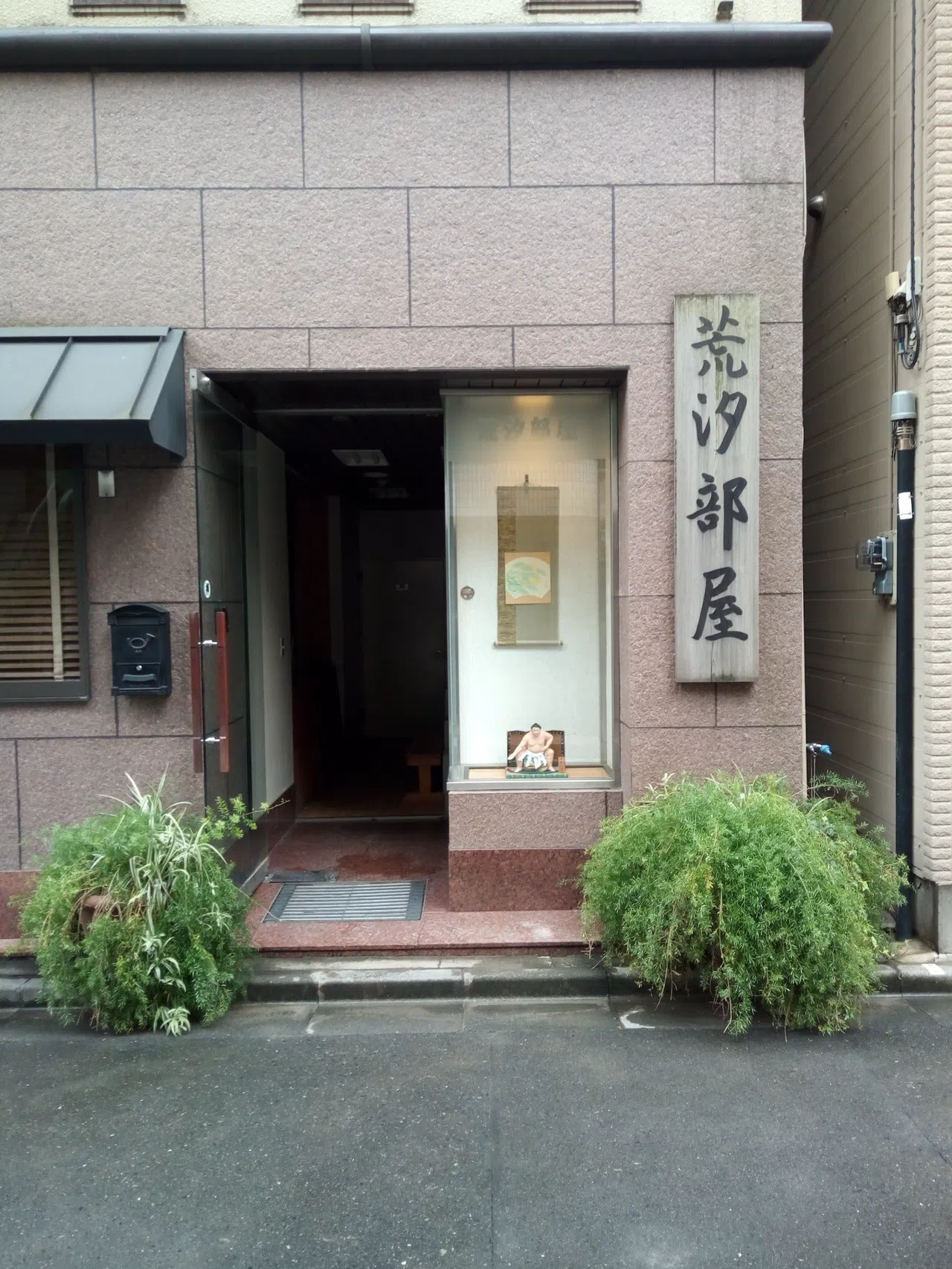
Arashio Stable, on a quiet residential street in Ryogoku a few minutes' walk from the station, is the only heya in Tokyo where nobody checks your name against a list. There's no reservation system, no tour company standing between you and the wrestlers, and no fee — you simply walk up to the street-level window and watch through the glass. The catch is that everyone else has read the same guidebooks. The pavement strip out front is narrow, barely wide enough for two people to stand shoulder to shoulder, and by 7:30am on a good morning it's three rows deep with phones held over shoulders. Get there by 6:45am if you want an unobstructed view of the dohyo rather than the back of someone's jacket. Bring nothing extra — no flash photography, no talking above a whisper, and don't lean on the glass. This is a working stable, not an attraction, and the wrestlers training six feet away are perfectly aware of how many people are watching them fail a technique before breakfast.

Arashio Stable, Tokyo

For a solo traveller or anyone on a tight budget, Arashio is the whole trip in miniature: no booking, no fee, no guarantee of comfort. For everyone else, it's worth doing once and then deciding whether the crowd was worth the price of admission.

Two Rooms You Only Get Into With an Introduction

Most of Tokyo's active stables don't have a public window at all. Two of the better-known ones open their doors only to licensed tour operators, who confirm the specific stable days in advance and rotate their groups between rooms depending on which stablemaster says yes that week — which means nobody, including the operator, can promise you a specific heya until the night before.

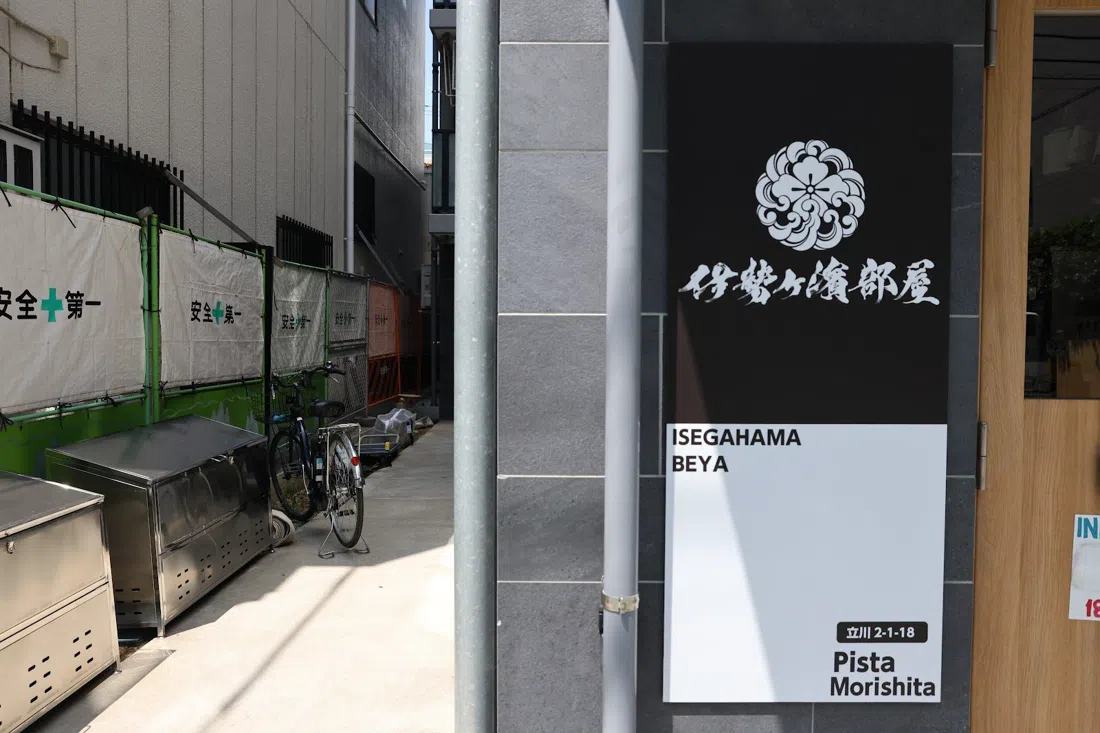
Isegahama Stable, also in Ryogoku, became sumo's largest stable in 2025 after absorbing the closed Miyagino stable, and it's run by former yokozuna Terunofuji, one of the sport's most decorated recent champions. If the priority is seeing a genuinely elite training session rather than just any training session, this is the stable worth asking your tour operator to target — though confirmation still comes from the stablemaster, not the booking page, and small groups only.

Isegahama Stable, Tokyo

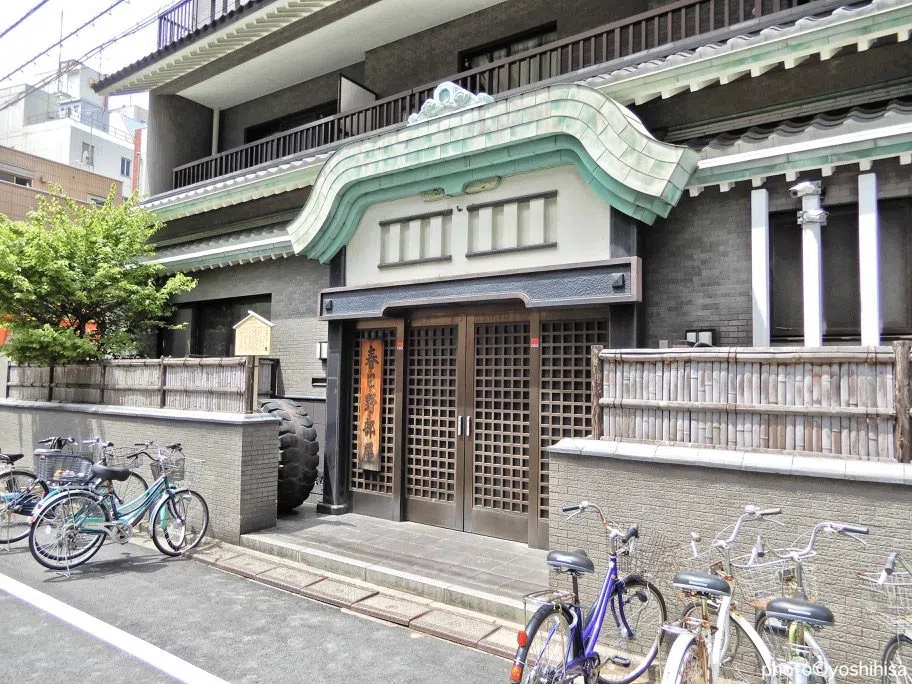
Kasugano Stable is the steadier alternative: sixteen active wrestlers who've trained under the same stablemaster since 2003, a smaller and less chaotic room than Isegahama's. It's one of the stables operators rotate into their morning circuit rather than a fixed daily booking, and it suits a reader who'd rather watch a settled training routine than chase a champion-calibre session.

Kasugano Stable, Tokyo

Neither stable takes walk-ins, and turning up at either address without an operator's confirmation will get you nowhere. Both require going through a licensed tour company, which is where the choice of operator starts to matter more than the choice of stable.

Choosing an Operator

The tour operators running this circuit aren't interchangeable, and the right one depends on party size, budget, and what kind of morning you actually want.

Magical Trip – Sumo Morning Practice Tour, meeting at JR Ryogoku Station, is the most established English-language option running this circuit. Groups run roughly 10 to 15 people at around ¥8,000–11,000 per person, and the morning ends with a photo alongside the wrestlers. It suits solo travellers or couples who'd rather book a fixed departure time than coordinate a private group, and it's the easiest of the operators to book with a short lead time.

Magical Trip – Sumo Morning Practice Tour, Tokyo

Ken Tanaka Tokyo Tours – Sumo Practice Tour is a private guide who's run this route since 2015, and the whole morning is built around your own party rather than merged with strangers. Priced as a premium private day rate on request, it works best for a reader who wants the stable visit folded into a longer architecture-and-history walk through the surrounding streets, rather than treated as a standalone bus-tour product.

Wabunka — Private Guided Morning Practice is the closest this circuit gets to a bespoke arrangement: private bookings for one to twelve people, from €148 per person, with the venue confirmed by the stablemaster three to seven days out and a guide assigned exclusively to your group for the full ninety minutes. If the brief is a Michelin-adjacent morning rather than a bus-tour photo op, this is the one to book, and the smaller lead-time window is the trade-off for genuine privacy.

Sumo Everyday — Heya Tours & Chanko Experience is worth leading with if the meal matters as much as the training itself. It runs both practice-only and practice-plus-chanko-lunch packages, with a stablemaster-confirmed date and a mandatory etiquette brief to read beforehand. Pricing varies by package, and the brief isn't a formality — stables have turned visitors away at the door for arriving without having read it, so build in ten minutes the night before to actually go through it.

Sumo Everyday — Heya Tours & Chanko Experience, Tokyo

Across all four operators, the pattern holds: the more strangers in your group, the cheaper the seat, and the more private the arrangement, the further out you need to book to get a stablemaster's confirmation on the specific room.

After Practice: The Museum and the Ring Nearby

Once the training session ends, mid-morning in Ryogoku has two easy, low-effort bookends that don't require any booking at all.

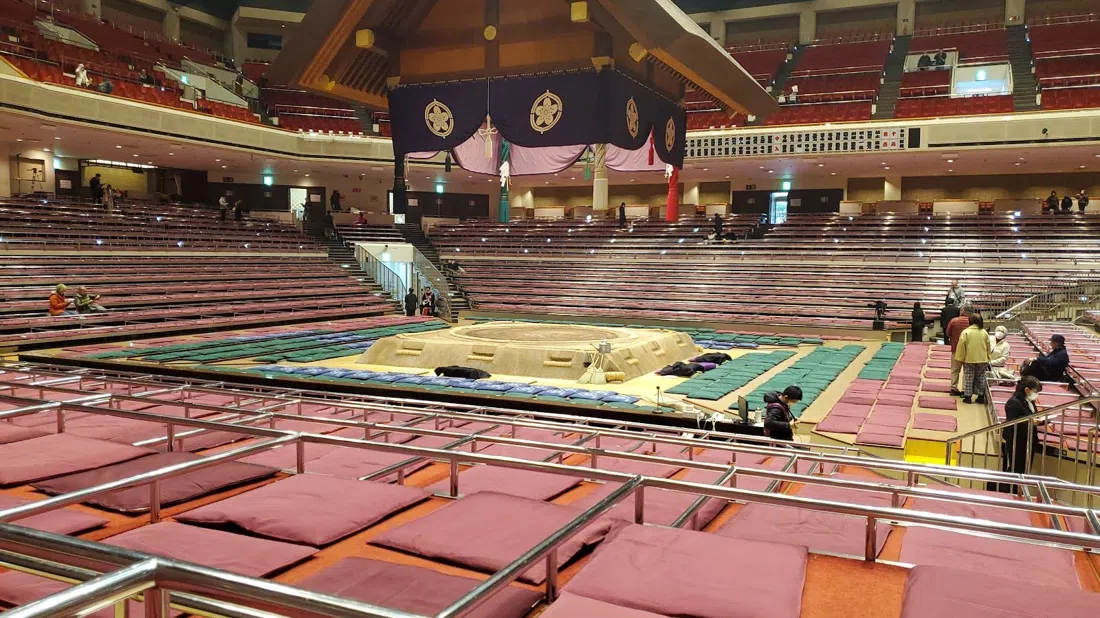
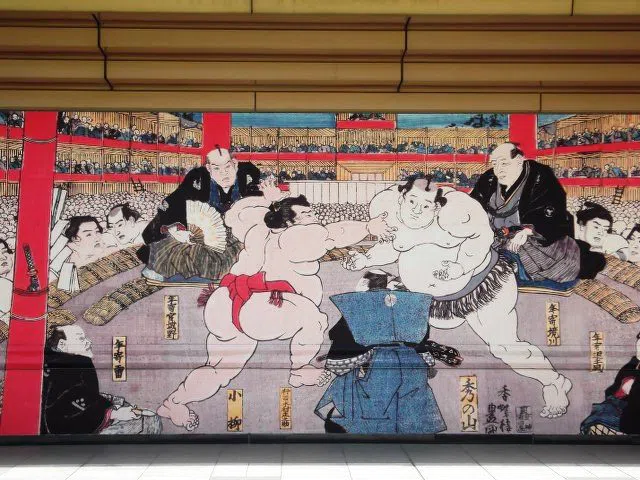
Ryogoku Kokugikan & Sumo Museum is the sport's home arena, and the museum attached to it is free, walk-in, and handles groups of any size without trouble on weekdays. Arena seating is a separate matter entirely — tickets are sold only during tournament dates, and the whole complex closes on weekends and holidays outside those tournament weeks. That makes it a weekday-only add-on to a dawn stable visit; don't plan this half of the morning on a Saturday.

Ryogoku Kokugikan & Sumo Museum, Tokyo

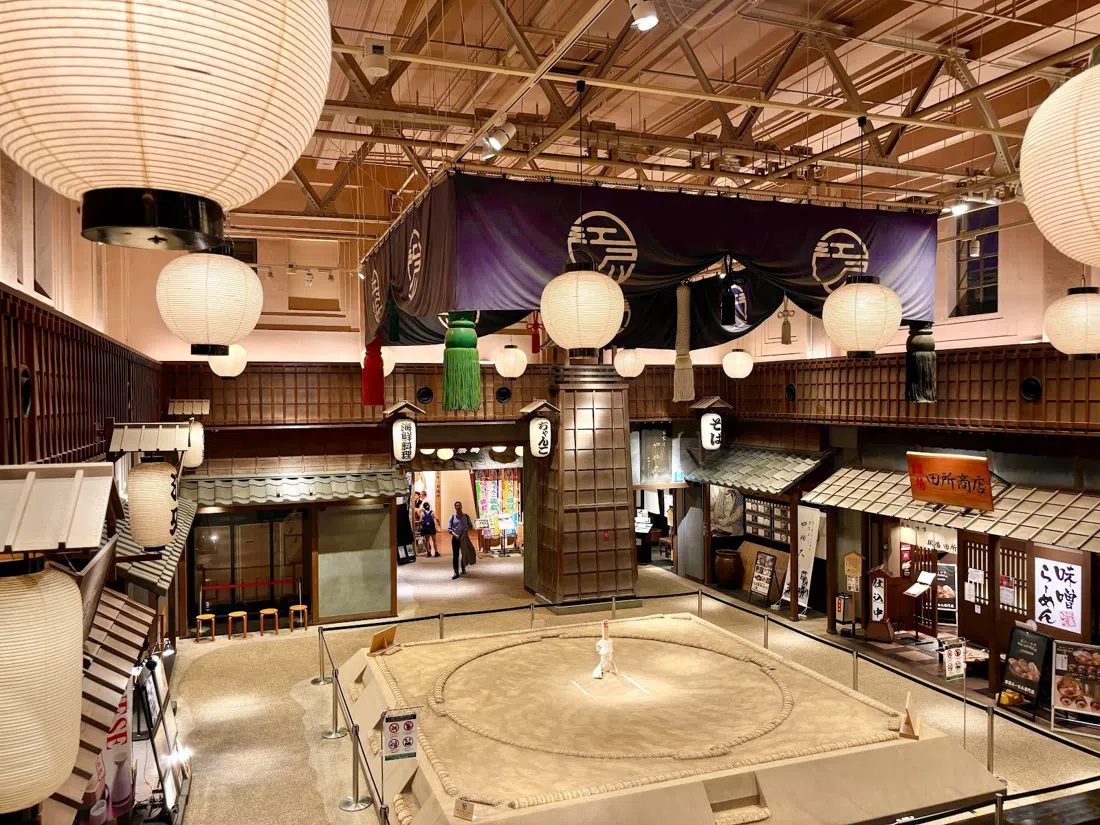
Ryogoku Edo NOREN, a food hall five minutes from Ryogoku Station, has its own sumo dohyo on an open floor that easily takes groups and families with no reservation needed to browse. Retired wrestlers run informal ring demonstrations here, and it's the reliable fallback for a reader who couldn't get a stable slot at all — free to enter, with meals running ¥1,500–4,000, and open every day regardless of tournament calendar.

Ryogoku Edo NOREN, Tokyo

Sitting Down to Chanko

Chanko nabe — the protein-heavy hotpot wrestlers eat to bulk up — is as much a part of the Ryogoku morning as the training itself, and the two restaurants worth knowing here split cleanly by group size.

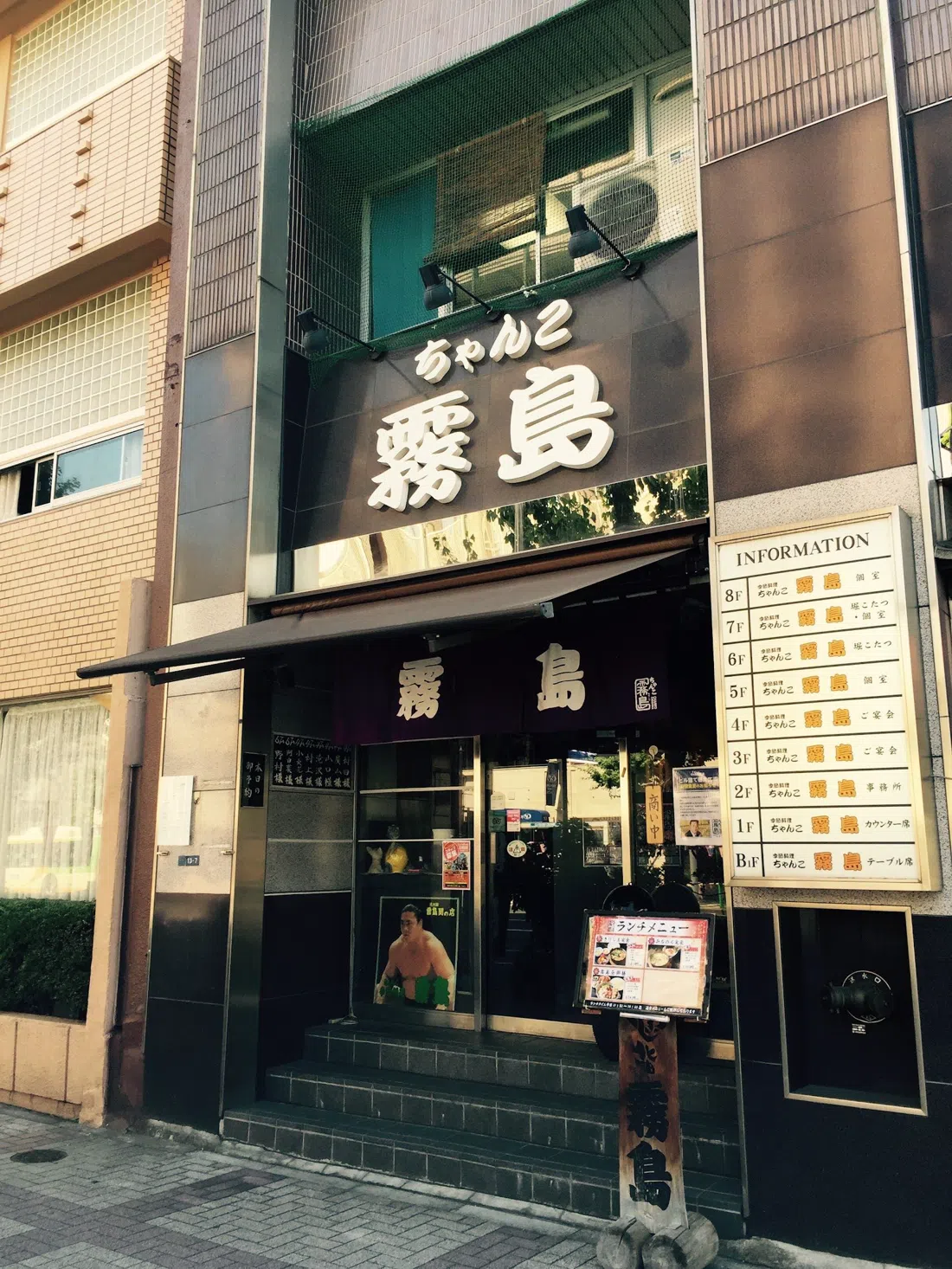
Chanko Kirishima seats 320 across table, tatami, and kotatsu rooms, which makes it the address built for large groups and tour buses rather than an intimate two-top. The signature nabe starts from ¥3,520 per person, it's wheelchair accessible with luggage storage for anyone heading straight there from the airport, and it's closed Mondays outside tournament weeks.

Chanko Kirishima, Tokyo

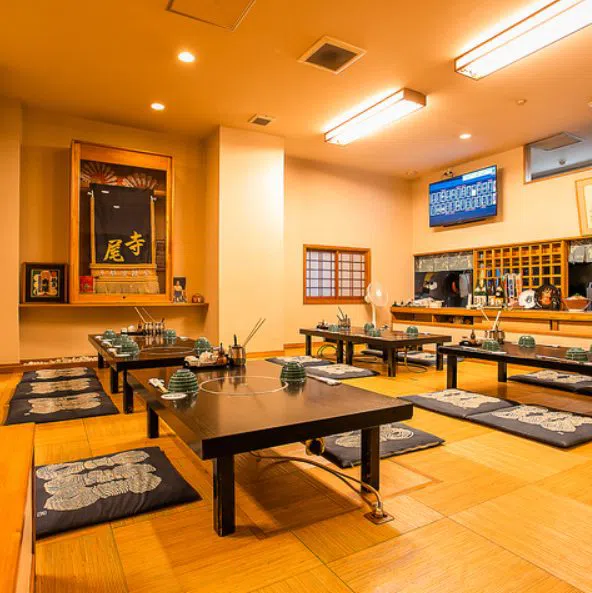
Sumo Chaya Terao is the smaller, quieter counterpart — better suited to a couple or a small party than a coach group, with à la carte dishes alongside set courses at mid-range prices. It's closed Mondays and Fridays for lunch, so check the day before folding it into a morning-stable itinerary.

Sumo Chaya Terao, Tokyo

If your group tour already includes lunch — Sumo Everyday's chanko tier, for instance — you don't need either restaurant. If it doesn't, Kirishima is the safer bet for anything over four people, and Terao the better one for two.

Planning the Morning: Transport, Cash, Timing, Budget

Getting there. Ryogoku Station on the JR Sobu Line puts you closest to the stable district; the Toei Oedo Line's Ryogoku stop lands a few minutes further out but is a useful second option if you're already on the Toei network. Either way, budget a five- to ten-minute walk from the station to Arashio Stable or to wherever your tour operator sets the meeting point — most use the station itself.

Timing. Morning practice typically runs from around 7am to 10am, though sessions can wind down earlier depending on the stable and the day's schedule. For the free window at Arashio, arrive by 6:45am — any later and you're watching over someone's shoulder rather than through the glass. For guided tours, operators usually specify a meeting time between 6:30 and 7:30am; don't be late, since stables won't hold the door open for stragglers.

Cash. Bring cash. Smaller operators and the chanko restaurants outside the main tourist strip don't all take cards, and while tipping isn't expected, small stables notice correct, quiet behaviour far more than money.

Budget. The free option costs nothing beyond transport. Group tours run roughly ¥8,000–20,000 per person depending on the operator and which stable they land you in. Private guiding starts higher — Wabunka from €148pp, Ken Tanaka on request — and a chanko lunch afterwards adds ¥1,500–4,000 more per person.

If you're building a longer Tokyo stay around this one dawn outing, sort accommodation near Ryogoku or a station or two over on the Sobu or Oedo lines first — start with Tokyo hotel search — and the wider Tokyo guide has the rest of the city mapped out for the days either side of it.

Good to know

FAQs

Can I watch sumo training in Tokyo without booking a tour?

Yes — Arashio Stable in Ryogoku is the only heya that allows free walk-in viewing from the street-level window, no reservation or fee required. Arrive by 6:45am, since the narrow pavement out front fills up fast.

How much does a guided sumo stable tour cost in Tokyo?

Group tours through operators like Magical Trip run roughly ¥8,000–11,000 per person, while stable-only guided access via other operators ranges up to ¥20,000pp. Private guiding starts higher, from €148pp with Wabunka.

What time does sumo morning practice start?

Training generally runs from around 7am to 10am, though sessions can end earlier. Arrive at your meeting point or the free viewing window by 6:30–6:45am to get a proper view before it fills up.

Can I watch sumo practice on weekends?

Stable visits and tours run daily, but if you're pairing the morning with the Ryogoku Kokugikan arena or Sumo Museum, note the museum and arena close on weekends and holidays outside tournament weeks.

Where can I eat chanko nabe near the sumo stables?

Chanko Kirishima, a 320-seat restaurant built for groups, and the smaller, more intimate Sumo Chaya Terao are both in Ryogoku. Kirishima is closed Mondays outside tournament weeks; Terao is closed Mondays and Fridays for lunch.

Keep reading

More from Tokyo

  1. Tokyo's Sakura Season: A Route From Meguro to UenoA working route through Tokyo's 2026 hanami season, from Meguro River's night reflections to Ueno Park's tarp-city picnics, with honest notes on crowds, cost and which spots actually suit a group.
  2. Akihabara After Midnight, When the Salarymen Come Out to PlayA door-by-door, yen-by-yen route through Electric Town's maid cafés, arcades, and idol theatres for the two hours between a Tokyo office and the last train home.
  3. Tsukiji After Dark, Toyosu Before DawnTsukiji's outer market never lost its blade-smiths or its 24-hour sushi counter — here's how to spend the night there and time it right for Toyosu's actual pre-dawn tuna auction.
  4. Basement Feasts: Tokyo's Depachika Food Halls and the Art of Eating UndergroundHow to descend beneath Tokyo's grand department stores and build a world-class dinner from four counters for under ¥2,000.

All Tokyo articles