Tokyo 특집호
Marunouchi and Nihonbashi on foot in central Tokyo
Free gardens and rooftops, kilometre zero, hand-operated lifts and the best-value bowl in Nihonbashi. The closed days decide what order you walk it in.
글: Lukas BrandtTokyo on foot, timed to the temple gates
The Imperial Palace East Gardens are free to walk into and closed every Monday and every Friday. A brass plate set in the middle of Nihonbashi Bridge marks kilometre zero of every Japanese highway. The Currency Museum at the Bank of Japan is free, and it lets you lift a sealed 100-million-yen brick of banknotes.
The East Gardens and the moat
Imperial Palace East Gardens (Kokyo Higashi Gyoen) is the biggest landmark in the quarter and it costs nothing. You take a numbered plastic entry tag at Ote-mon and hand it back on the way out. No booking is involved. The closed days are Monday and Friday, and missing them is the most common trip-planning mistake here.

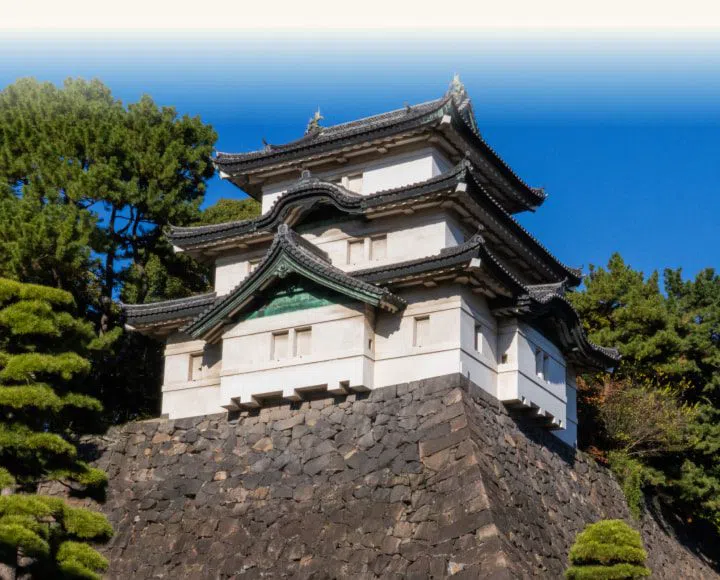
Inside, the colossal fitted-stone base of the vanished Edo Castle keep, the Tenshudai, rises out of clipped lawn. The white-plastered Fujimi-yagura watchtower stands on a sloping stone rampart, with black pines and a wide green moat below. Come for cherry blossom, or for the late-November maples around Ninomaru pond.
Tokyo 여행 계획하기
예약 파트너의 실시간 가격입니다.
많은 객실이 무료 취소 가능합니다. 예약 시 당사가 수수료를 받을 수 있습니다.
Tokyo Station and the KITTE rooftop
Tokyo Station Marunouchi Building faces you head-on down the granite plaza of Gyoko-dori. Tatsuno Kingo's 1914 terminus is three storeys of red brick with white stone banding, a slate-grey dome over the north wing and another over the south, glass office towers rising behind. The 2012 restoration put back the pre-war twin-dome profile. The concourse is open and free.
For the full-facade photograph, stand on the Marunouchi plaza or go up to the KITTE rooftop rather than shooting from the pavement. Inside the north dome, the Tokyo Station Gallery charges ¥1,100 and puts you against the original 1914 brickwork and steel frame.
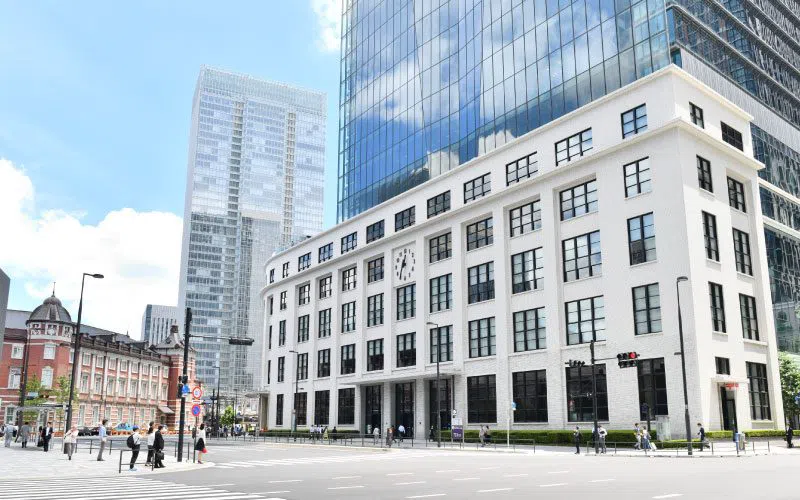
KITTE Marunouchi is the converted 1931 Tokyo Central Post Office, and its sixth-floor KITTE Garden gives the best free view of the station. The deck is open and wooden, and it shuts in bad weather. You look straight down onto the red-brick roofline and the dome caps, with Shinkansen sliding into the platforms beyond. Shops trade 11:00 to 20:00 and restaurants to 22:00; the rooftop is unticketed.
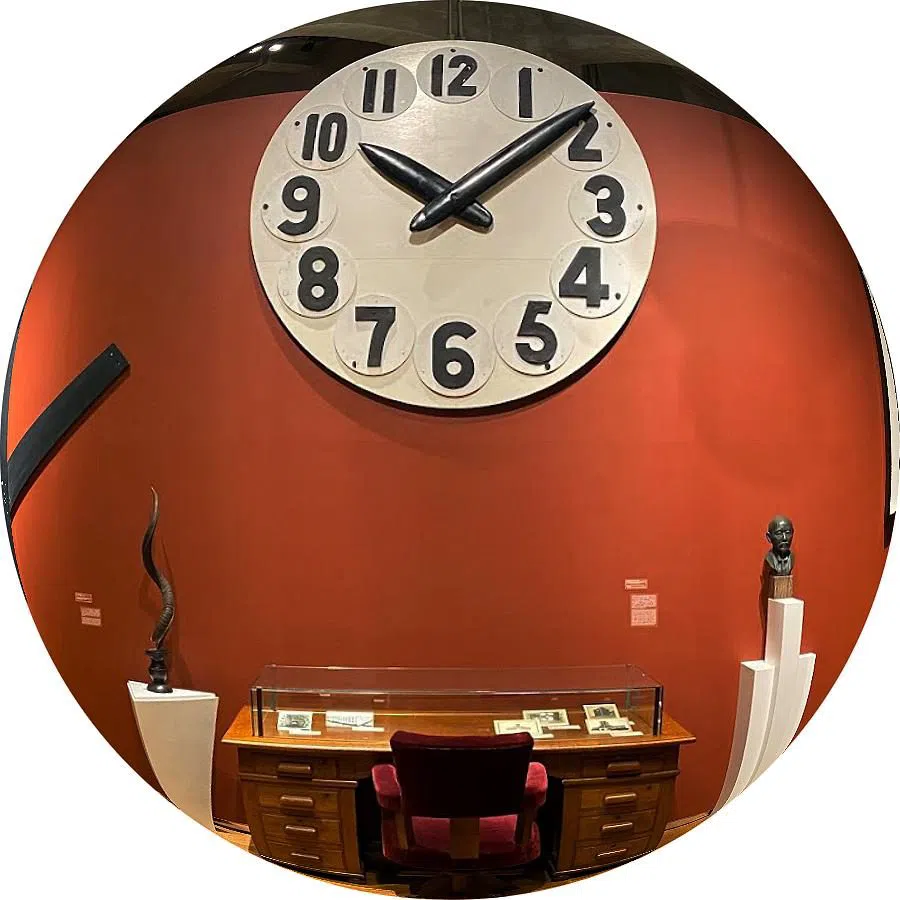
JP Tower Museum INTERMEDIATHEQUE, in Marunouchi, is free, two minutes from the station and closed Mondays. On Friday and Saturday it stays open to 20:00. The University of Tokyo's 150-year specimen collection is staged as design rather than as a biology lesson: a mounted elephant skeleton and a giraffe skeleton standing among antique dark-wood and glass university vitrines in a high white former post-office hall, plaster casts and mineral specimens on open shelves. The galleries are quiet, and voices stay low.
Mitsubishi Ichigokan and Marunouchi Naka-dori
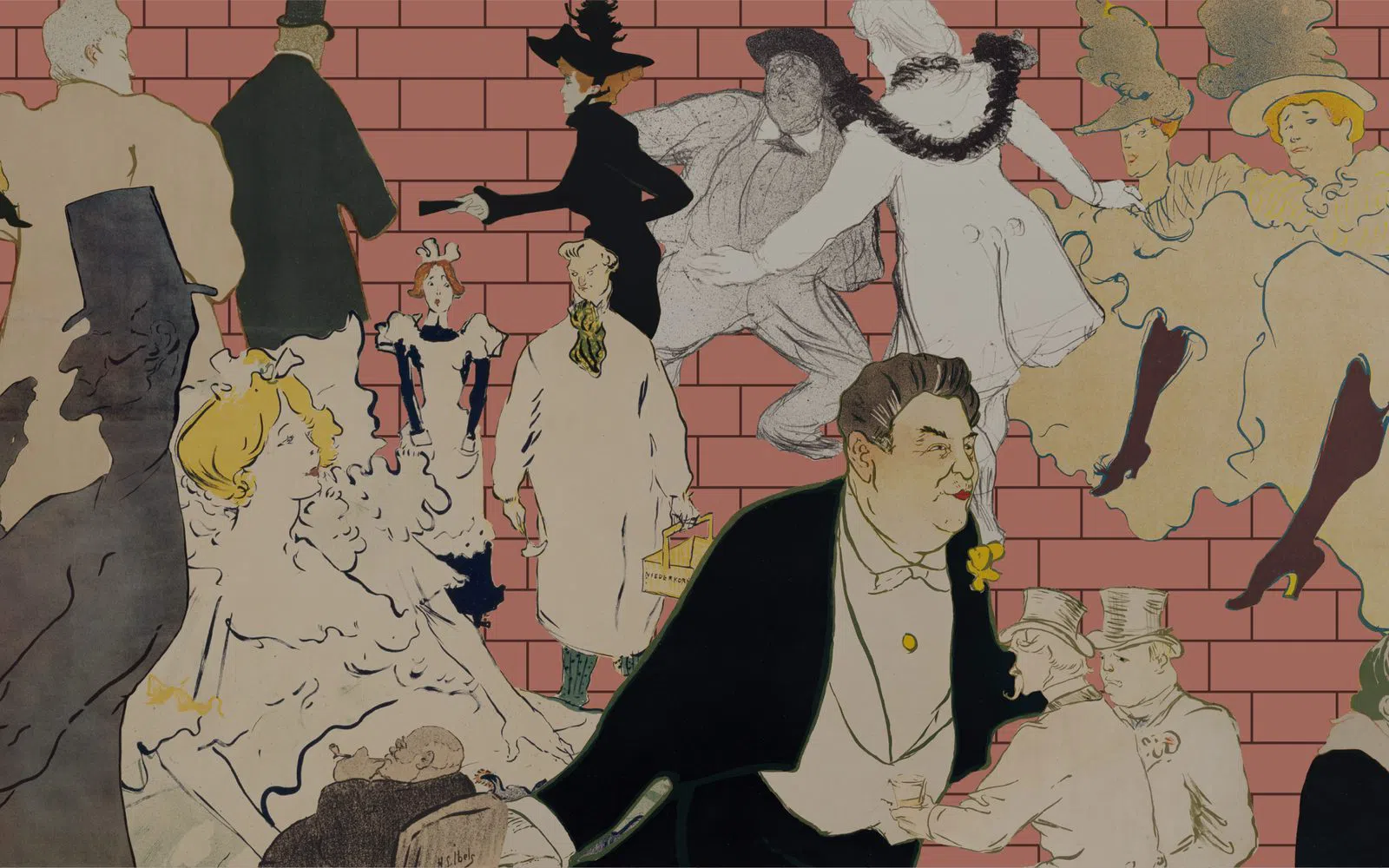
Mitsubishi Ichigokan Museum, in Marunouchi, sells timed-entry tickets online, at ¥2,000 for an adult and varying by show. It reopened in November 2024 after a year's refit. 'Fontanesi: Light of Italy' runs to 24 January 2027. The building is an exact brick-by-brick replica of the 1894 Mitsubishi No.1 Building, red brick with granite quoins and arched windows, its small parquet-floored former office rooms used as galleries.
Café 1894 occupies the restored banking hall under a vaulted ceiling, takes bookings and is worth a visit without a museum ticket.
Marunouchi Naka-dori is the street people actually linger on: 1.2km of zelkova street trees between tall glass towers, pale stone pavement, luxury flagship windows and public bronze sculptures. At weekends the midday stretch is pedestrianised, with chairs and tables put out on the pavement. From 12 November 2026 to 14 February 2027 the 25th Marunouchi Illumination wraps the trees head to toe in 820,000 champagne-gold LEDs, lit 16:00 to 23:00, free.
Nihonbashi Bridge and the Bank of Japan corner
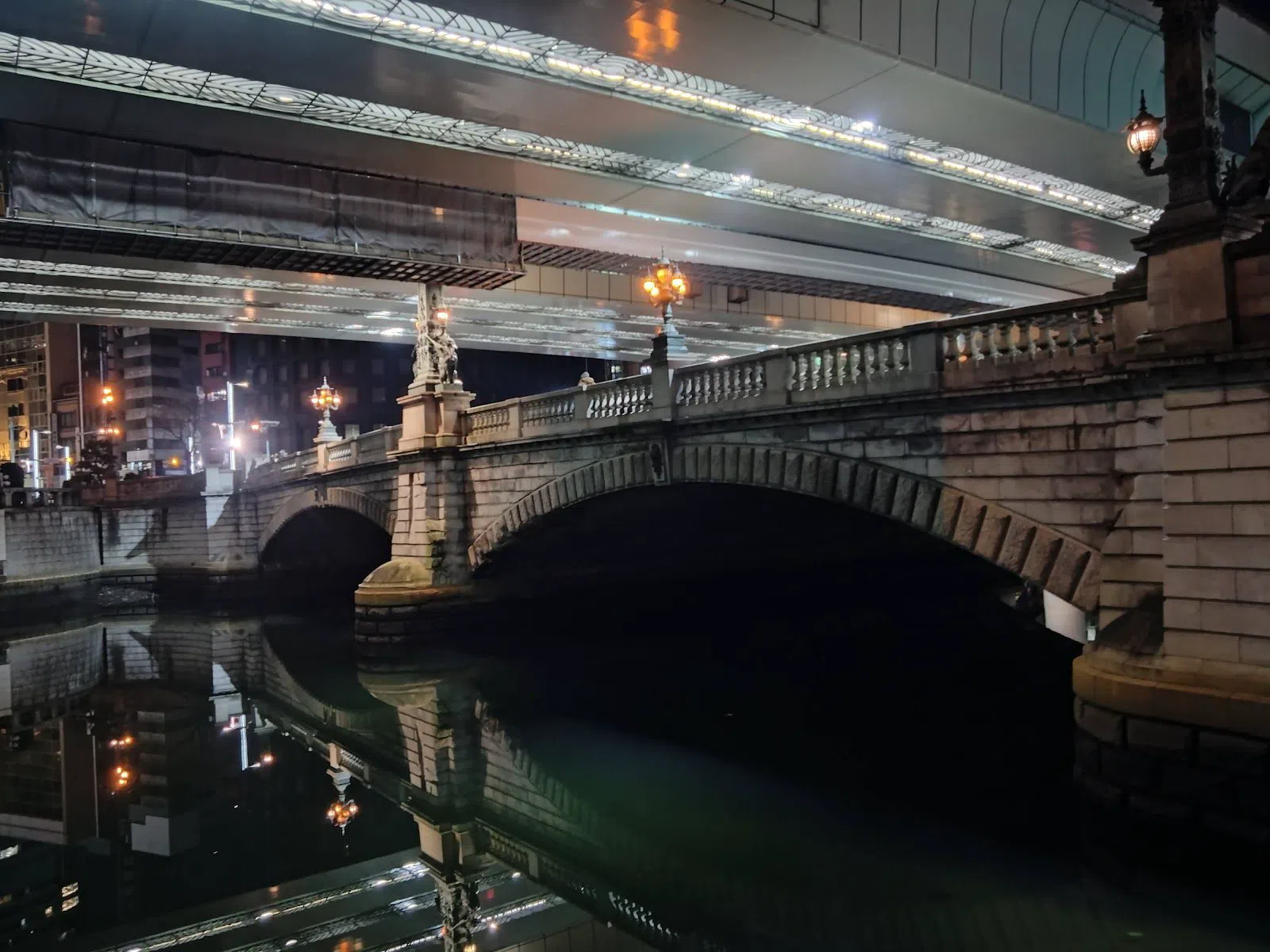
Nihonbashi Bridge carries the brass 'Nihon-kuni Doro Genpyo' kilometre-zero plate in the centre of the roadway, the origin point of the five Edo roads. The 1911 bridge is double-arched granite and stone, with ornate bronze lamp standards, a winged bronze kirin and crest-bearing lions on the parapets. The concrete deck of the Shuto Expressway hems it in low overhead. That slab, bolted over the bridge in 1963, is going underground, with full removal targeted for fiscal 2040. Expect hoardings, and a view that keeps changing.
Currency Museum, Bank of Japan is free and needs no reservation for small parties. Twelve hundred years of Japanese money runs along long lit wall cases: Edo oval gold koban, strings of holed copper coins, giant Ōban gold plates. It closes Mondays. Across the street stands Tatsuno Kingo's domed Bank of Japan head office of 1896, by the architect of Tokyo Station, and you have to book its free guided tours online.

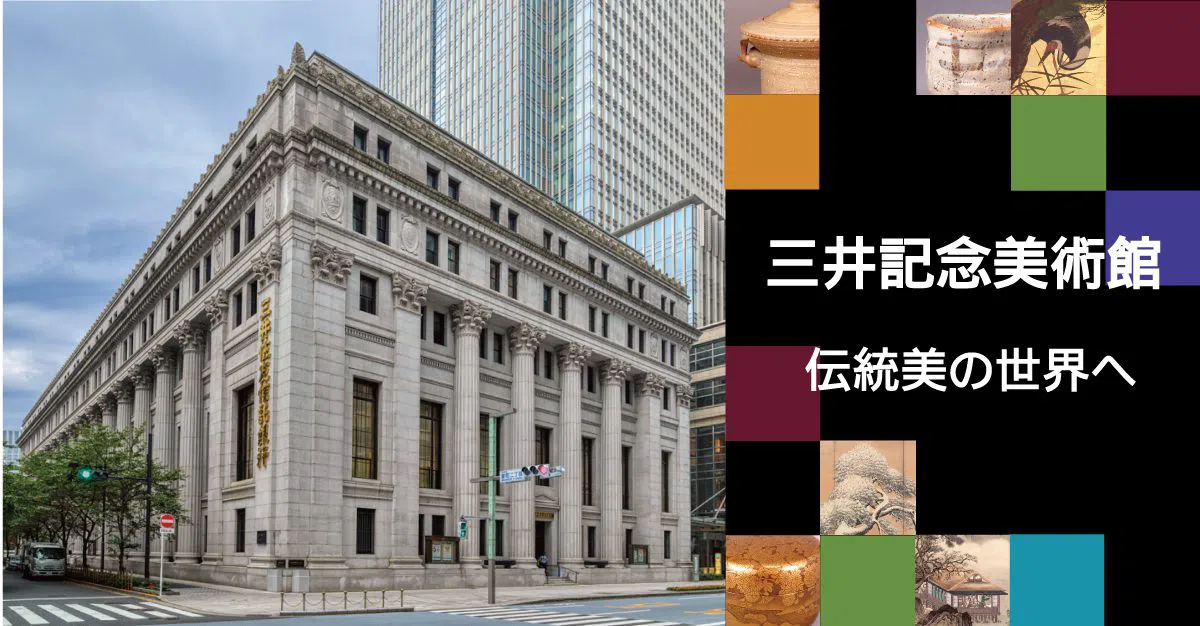
Mitsui Memorial Museum, in Nihonbashi, takes walk-ins at ¥1,200 for an adult. Three centuries of the Mitsui family's collecting sit in dim spotlit galleries, tea bowls and lacquer behind glass, National Treasures among them. You enter through the colonnaded neoclassical 1929 Mitsui Main Building and its Corinthian granite columns. 'Pine Trees in the Snow' shows 12 December 2026 to 30 January 2027.
The Nihonbashi department stores
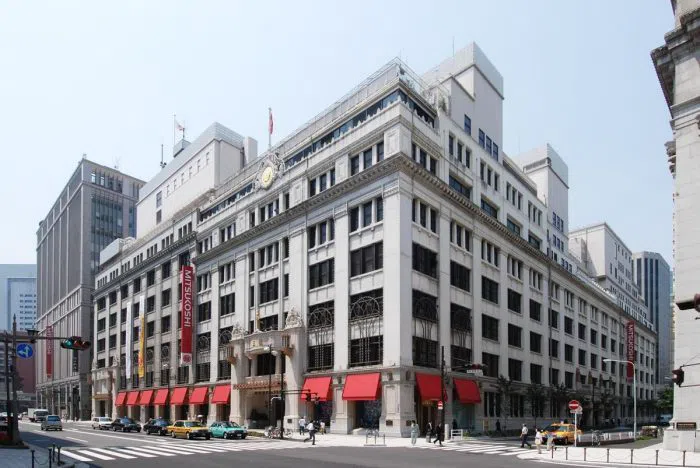
Nihombashi Mitsukoshi Main Store was Japan's first department store, and its 1914 building is listed as an Important Cultural Property. Entry is free. The central atrium runs five storeys around the carved cypress 'Magokoro' celestial maiden statue, under an Art Nouveau stained-glass dome, with bronze lions flanking the stone entrance outside. The basement food halls were refreshed through mid-2026, the first time in 19 years, and they make the quarter's best edible-souvenir stop. A tax-free counter and an English-speaking concierge are on hand.
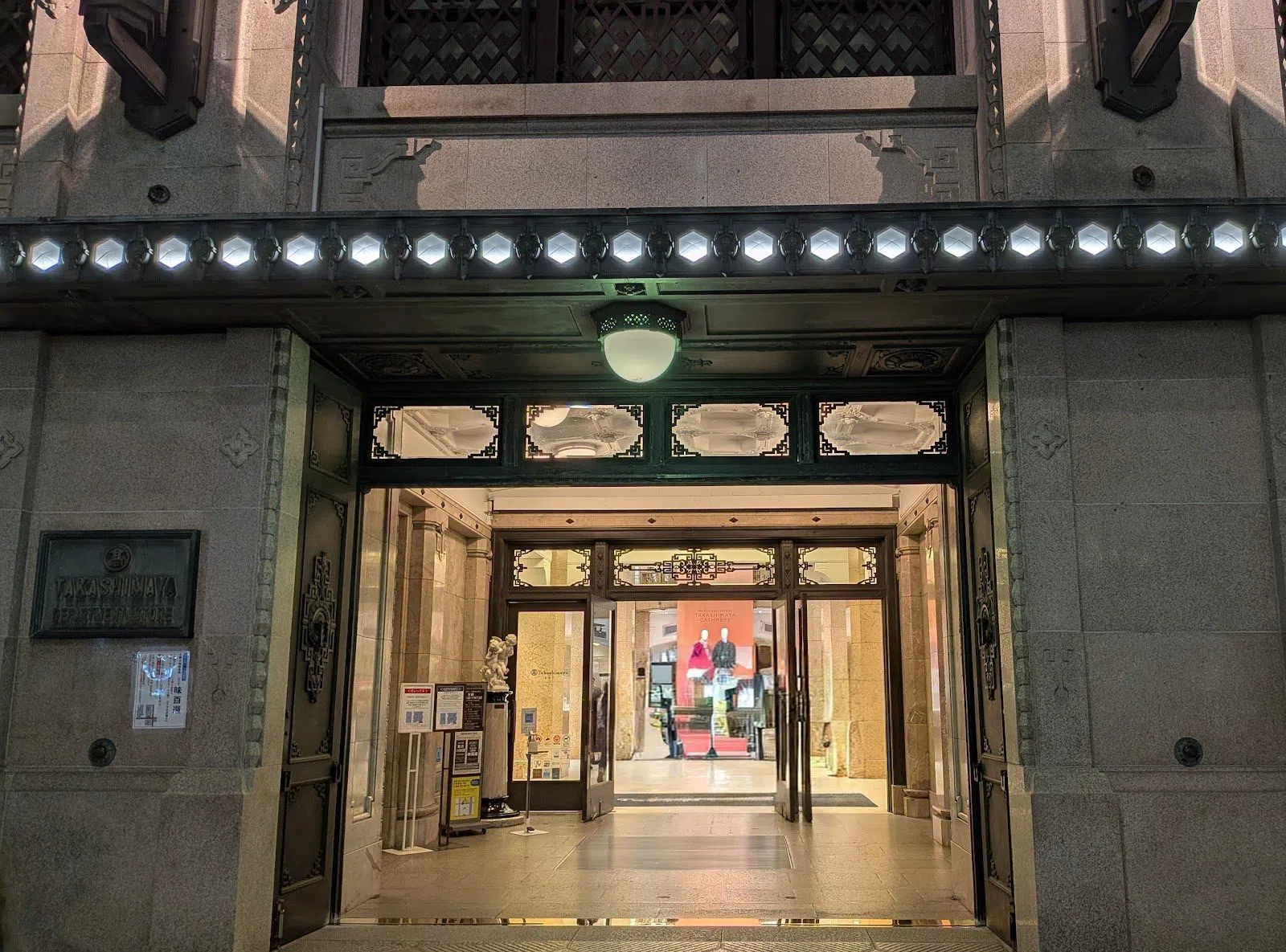
Nihombashi Takashimaya S.C. Main Building trades 10:30 to 19:30 in the main building and is free to enter. The 1933 stone facade blends Western classical order with Japanese temple eaves. Ride the brass-and-wood 1933 lift, where a white-gloved uniformed attendant still calls the floors by hand; the car holds only a handful of passengers. This was the first department store building in Japan designated an Important Cultural Property, and the lifts are original rather than a reconstruction.
Lunch and dinner in Nihonbashi
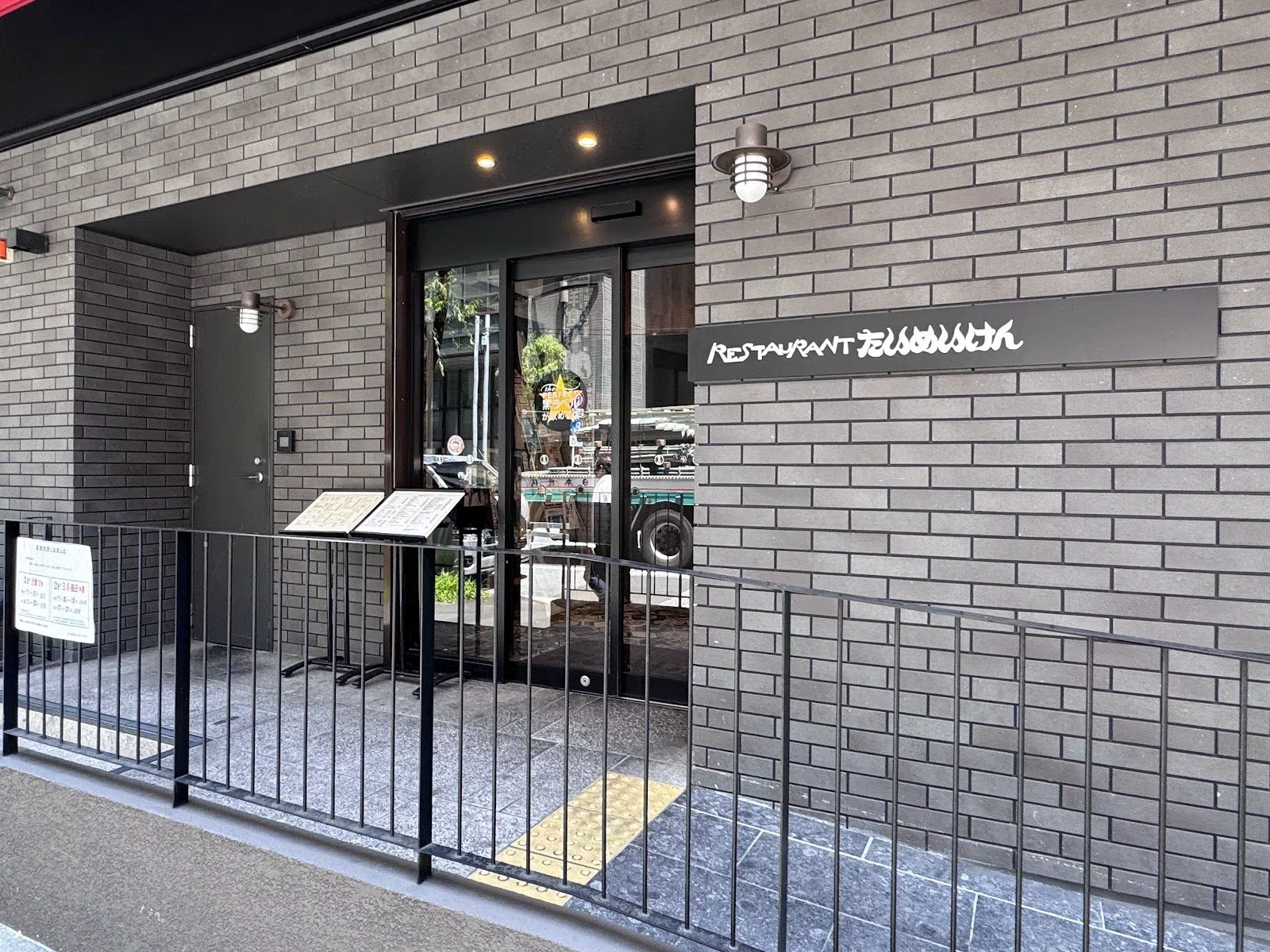
Taimeiken has been open since 1931 and makes the definitive tampopo omurice, a thin-skinned omelette slit open at the table so the soft egg falls over ketchup rice. Reckon on ¥1,000 to ¥3,000 a head. While redevelopment finishes, it trades from a purpose-built three-storey building at Nihonbashi Muromachi 1-8-6, on the riverbank, with terrace seats over the water. Check the address before you set off. Reservations are taken online, private rooms are available, and it closes Mondays. The Kite Museum upstairs shut for good at the end of March 2026.
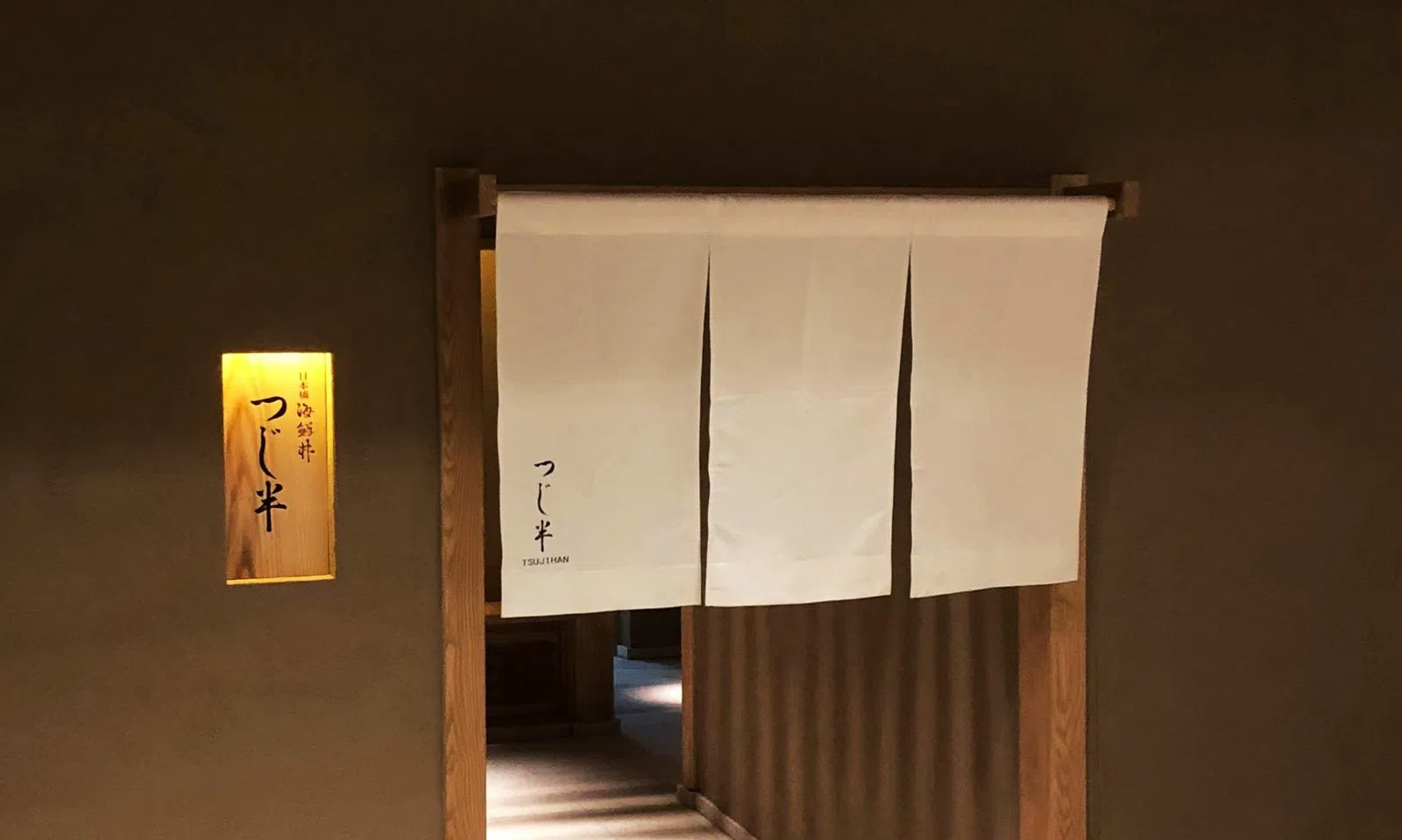
Nihonbashi Kaisen-don Tsujihan (Nihonbashi main store) serves bowls at ¥1,250 to ¥2,500 and is the best-value serious meal in Nihonbashi. A heaped dome of chopped raw tuna, prawn, scallop and salmon roe arrives on rice at a blond-wood counter, and you finish the last mouthfuls by pouring sea bream broth over them. No branch takes reservations, seating is counter only, and the queue can run past an hour. A large group gets split across the counter, so go at 10:00 opening or mid-afternoon and tell people what they are in for.
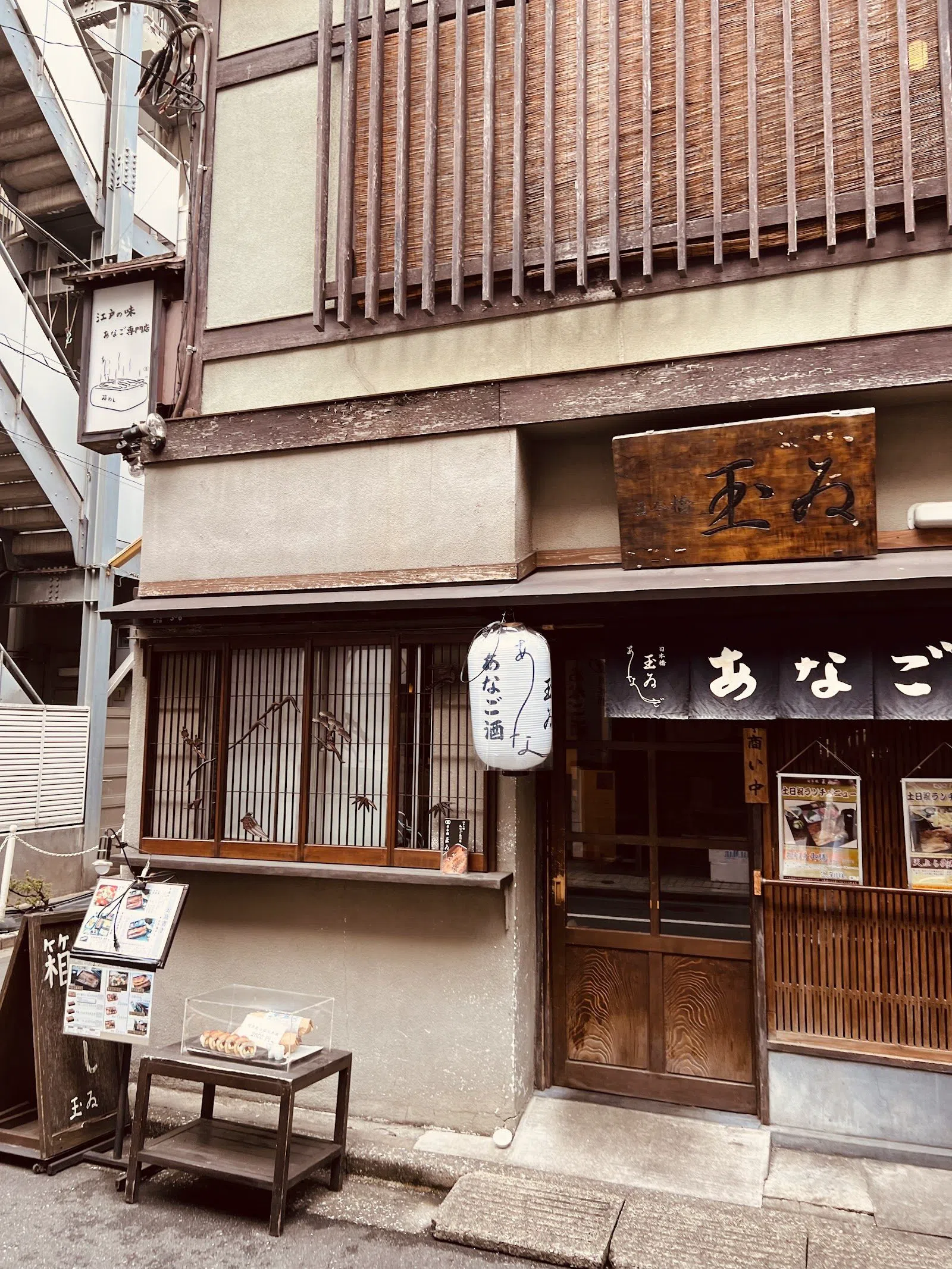
Nihonbashi Tamai Honten has grilled and simmered conger eel since 1953, laid pale over rice in a lacquered box. Anago is sea conger, lighter and more delicate than unagi, which is the reason to make the detour. The room is a narrow pre-war-style wooden townhouse with lattice screens, holding 26 seats; six of them are at the short counter. Lunch is walk-in, at ¥3,000 to ¥4,000. Dinner runs ¥8,000 to ¥10,000 and takes seat reservations, with a ¥400 cover in the evening. The room is too small for a big party.
Where to stay
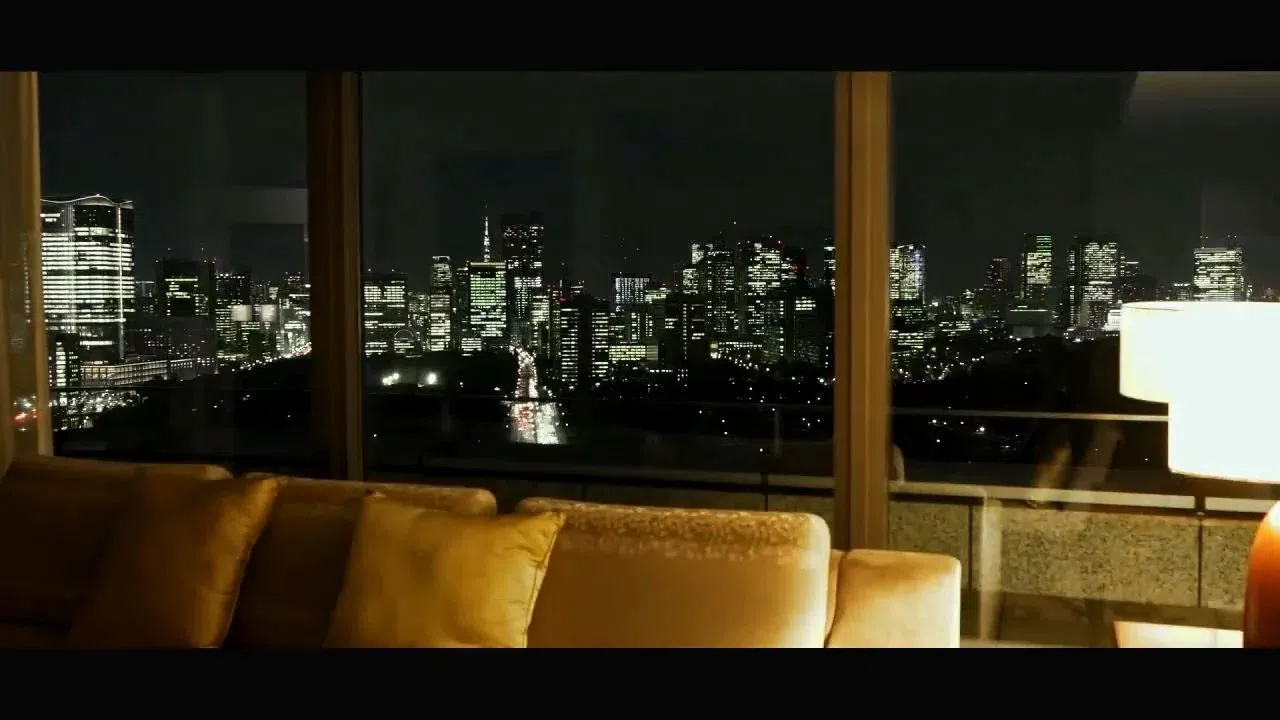
Palace Hotel Tokyo is the one hotel in Tokyo where you can stand on your own balcony over the palace moat, looking across still green water to stone ramparts and pines. Rooms start at ¥90,000. The Royal Bar is dark wood, leather and velvet around a restored 1961 counter, open to non-residents, with drinks at ¥2,500 to ¥3,500. The martini is what the bar is known for. The bar is small; the lobby lounge takes larger numbers.
Mandarin Oriental, Tokyo is at the top of the Nihonbashi Mitsui Tower, with rooms from ¥100,000. The 38th-floor glass-walled lobby lounge looks over the low grey grid of old Nihonbashi rooftops to Tokyo Skytree, with the 1929 Mitsui Main Building at its feet. It gives the best high view of the Nihonbashi half of the quarter, and the sky lobby and bars are open to non-residents, so you can go up without a room. Bathroom refits on the top floors are pencilled in for 2027; ask which floor you are on.
Closed days and bookings
Monday shuts the East Gardens, INTERMEDIATHEQUE, the Currency Museum and Taimeiken, and Friday shuts the East Gardens as well. Book Mitsubishi Ichigokan's timed entry, Tamai's evening seats and the Bank of Japan tour in advance, and treat Tsujihan as a walk-in.
See the Tokyo guide and the Tokyo hotel search.
떠나기 전에
Which days are the Imperial Palace East Gardens closed?
Every Monday and every Friday. Entry is free and you do not need to book; you take a numbered plastic entry tag at Ote-mon and hand it back as you leave.
Where is the best free view of Tokyo Station?
KITTE Garden, the sixth-floor roof terrace at KITTE Marunouchi. It is free and unticketed, and it looks straight down onto the red-brick roofline and domes. It shuts in bad weather. For the full facade head-on, shoot from the Marunouchi plaza rather than the pavement.
When is the Marunouchi Illumination in 2026?
The 25th Marunouchi Illumination runs along Marunouchi Naka-dori from 12 November 2026 to 14 February 2027, lit 16:00 to 23:00. It is free. 820,000 champagne-gold LEDs cover 1.2km of zelkova street trees.
Can I book a table at Tsujihan?
No. No branch takes reservations and seating is counter only. Queues can run past an hour, so go at 10:00 opening or mid-afternoon, and expect a large group to be split up.
Can non-residents use the hotel bars and lounges?
Yes. The Royal Bar at Palace Hotel Tokyo is open to non-residents and drinks run ¥2,500 to ¥3,500, though the room is small. The 38th-floor sky lobby and bars at Mandarin Oriental, Tokyo are also open to non-residents.