Spécial Tokyo
Walking Yanaka, Nezu and Sendagi in Tokyo's old town
A shrine dating from 1706, a 10-hectare cemetery, a 170-metre shopping lane, and the Yanesen rooms you will not get into without booking.
Par Lukas BrandtTokyo on foot, timed to the temple gates
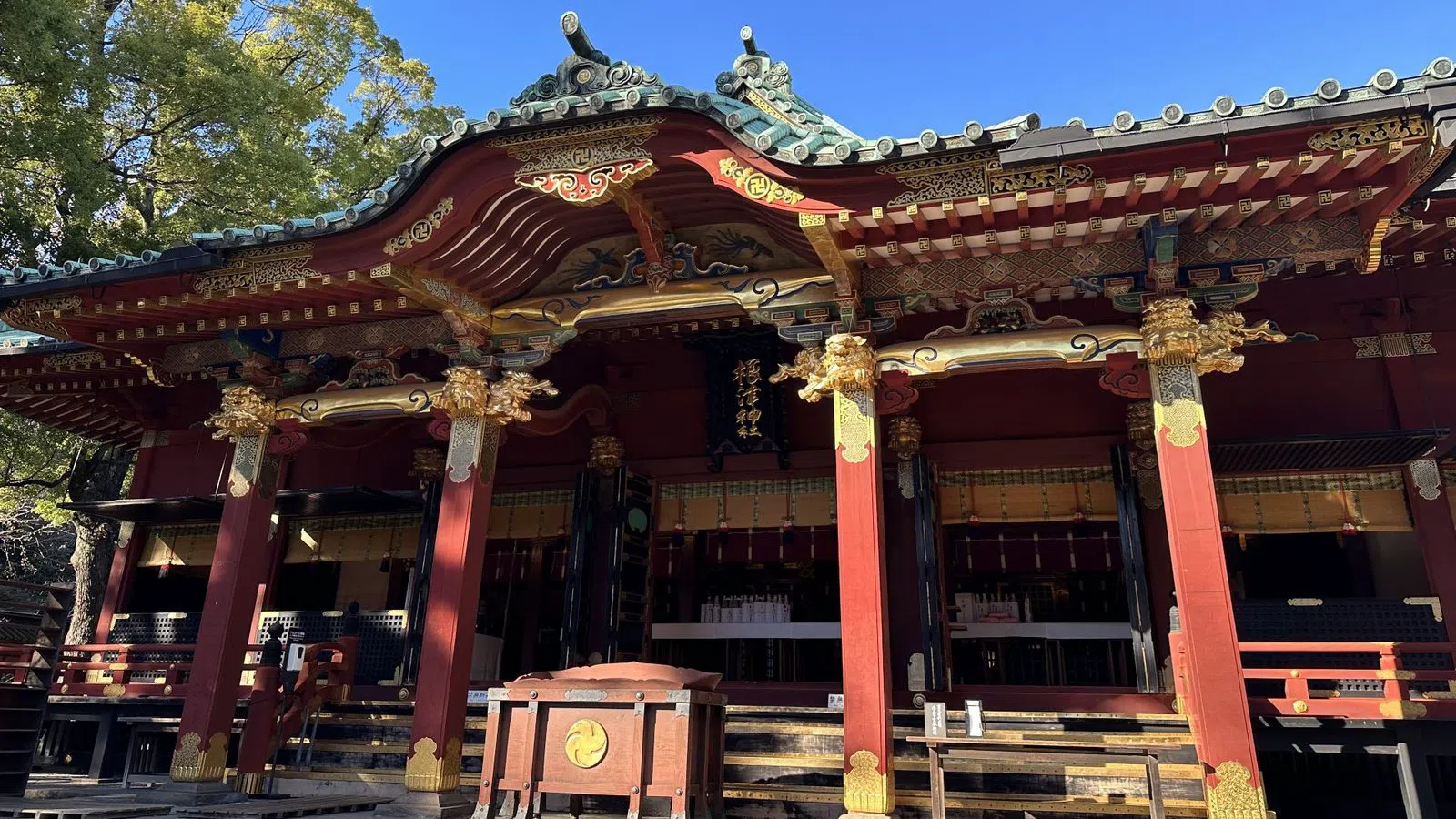
Nezu Shrine has stood since 1706, the one survivor of Edo architecture in these three districts. A butcher on Yanaka Ginza has been frying minced-beef cutlets since 1933. At Himitsudō a hand-cranked cast-iron plane shaves blocks of Nikko ice into tall domes under fresh strawberry syrup.
Nezu Shrine and the azalea gate
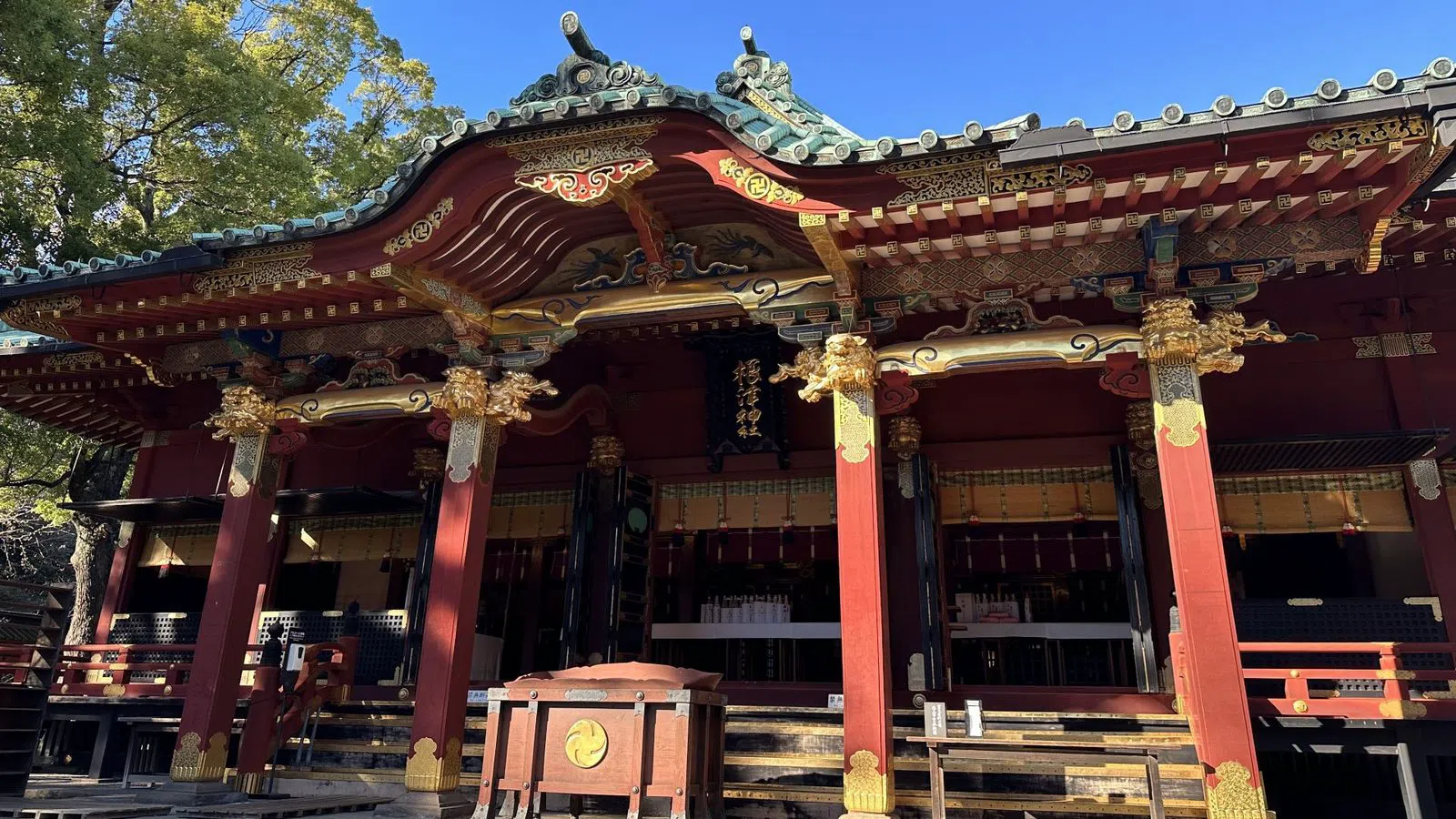
Nezu Shrine (Nezu-jinja), in Nezu, is vermilion and black lacquer with gold fittings. A tunnel of small, closely spaced red torii climbs a mossy stone slope beside a hillside bank of clipped azalea bushes, and an arched bridge crosses the carp pond below. The grounds are free and open, and guided walking tours come through all day.
The azalea garden is a separate paid gate, ¥500 in season. The Azalea Festival runs 1 April to 30 April, 9:00 to 17:30. Go in the opening days of the festival or come outside it altogether; the torii path jams solid at midday in peak bloom. You buy azalea tickets individually at the gate.
Préparez votre voyage à Tokyo
Prix en temps réel de nos partenaires de réservation.
Annulation gratuite sur de nombreuses chambres. Nous pouvons percevoir une commission lorsque vous réservez.
Yanaka Cemetery and Tennō-ji
Yanaka Cemetery (Yanaka Reien) opened in Yanaka in 1872 and holds 7,000 graves, among them Tokugawa Yoshinobu, the last shogun. Grey granite markers and tall wooden sotoba sticks cover 10 hectares, with stone lanterns between them, cats dozing on the tombs and the Nippori rail cutting along one flank. The straight central avenue, Sakura-dori, runs under old cherry trees. In late March it is Tokyo's least crowded hanami spot.
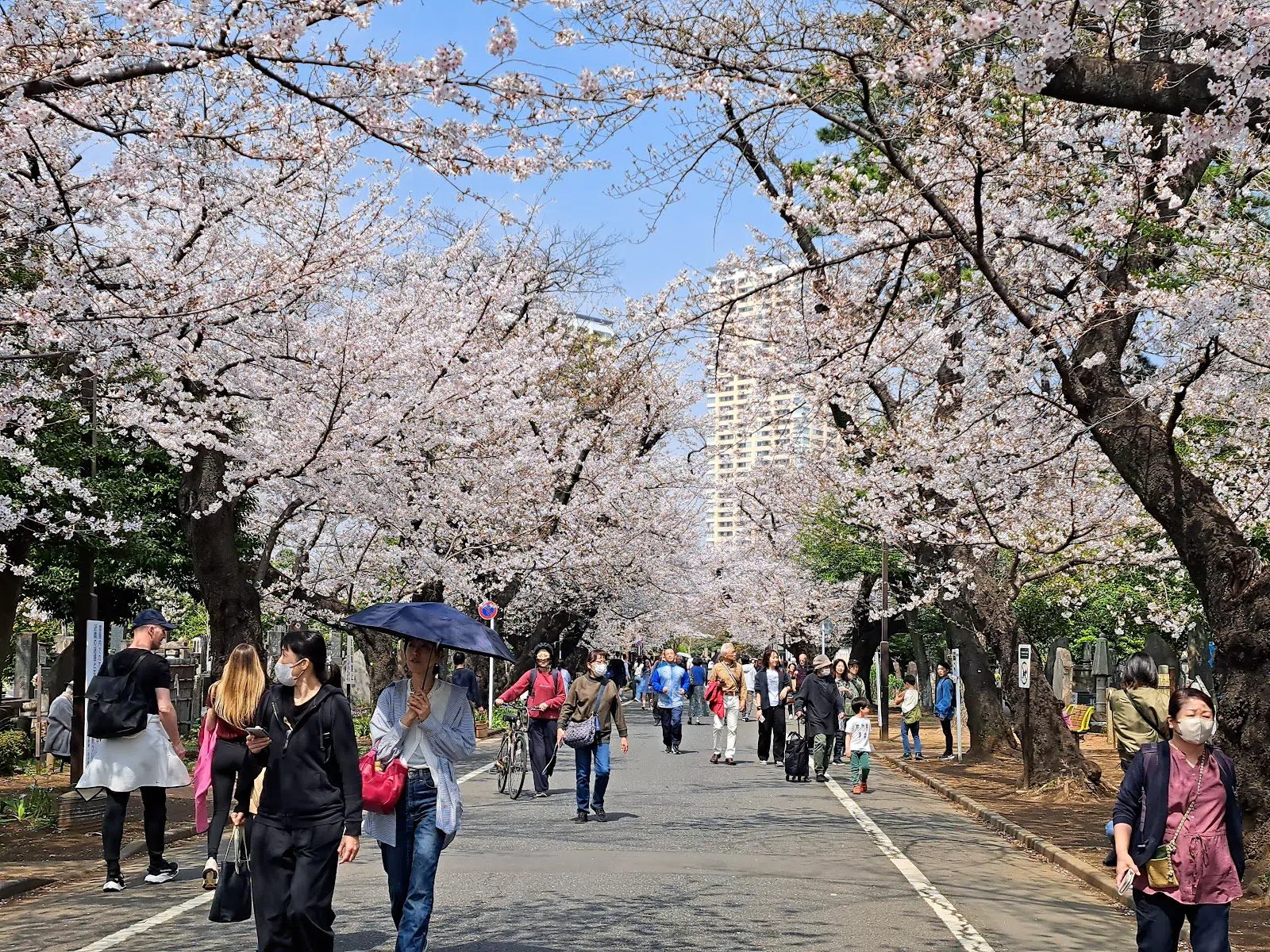
The park is free and open at all hours. Walk the northwest corner for the burnt-out foundation stones of the five-storey pagoda. This is a working cemetery: keep voices down, and do not photograph mourners.
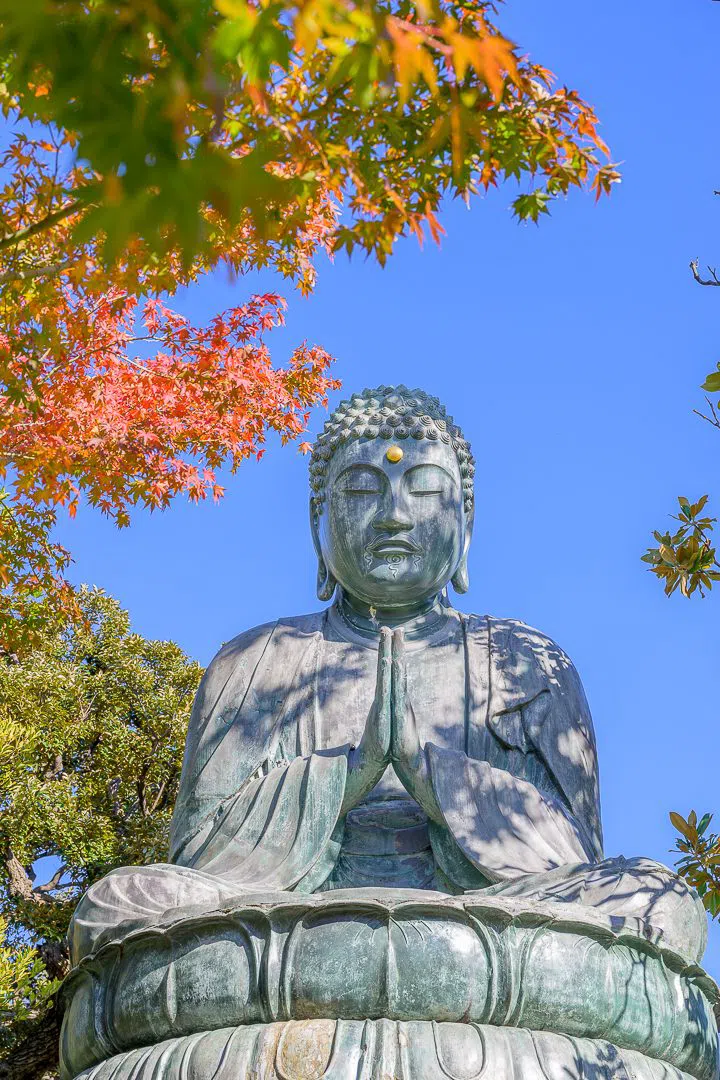
Tennō-ji, on the cemetery's edge in Yanaka, was founded in 1274 and is the oldest temple in Yanaka. The Meiji land seizures carved the cemetery out of its grounds. It is still the seat of Bishamonten on the Yanaka Seven Gods of Fortune pilgrimage route. A seated bronze Buddha sits in the open forecourt on swept gravel, the Bishamonten hall stands behind it, and a low wooden gate opens straight onto the gravestones. Entry is free and the precinct is open.
Yanaka Ginza and the Yūyake Dandan steps
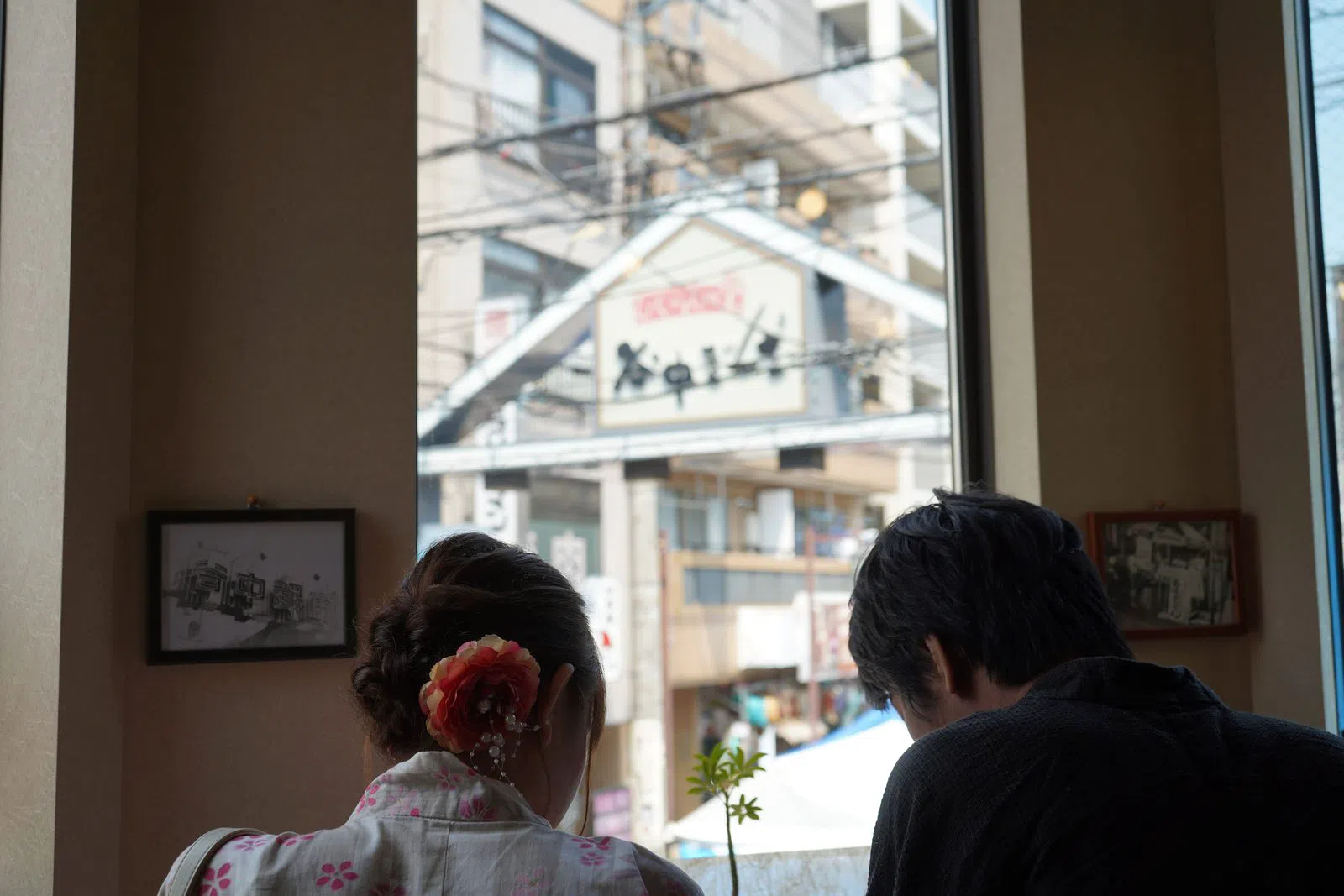
You enter Yanaka Ginza down the wide Yūyake Dandan sunset staircase. The lane runs 170 metres, car-free, between narrow two-storey shopfronts with hand-painted signs and striped awnings, and wooden cats perch on the rooflines. Around 60 family shops trade here, a postwar shōtengai in one of the few central Tokyo districts that kept its prewar street plan. Come between 11:00 and 18:00, when the food stalls are working, and bring cash, because most shops take no cards. Snacks run ¥150 to ¥600 a go. The lane is only a few metres wide, so a group of more than about eight should split up and regroup at the steps.
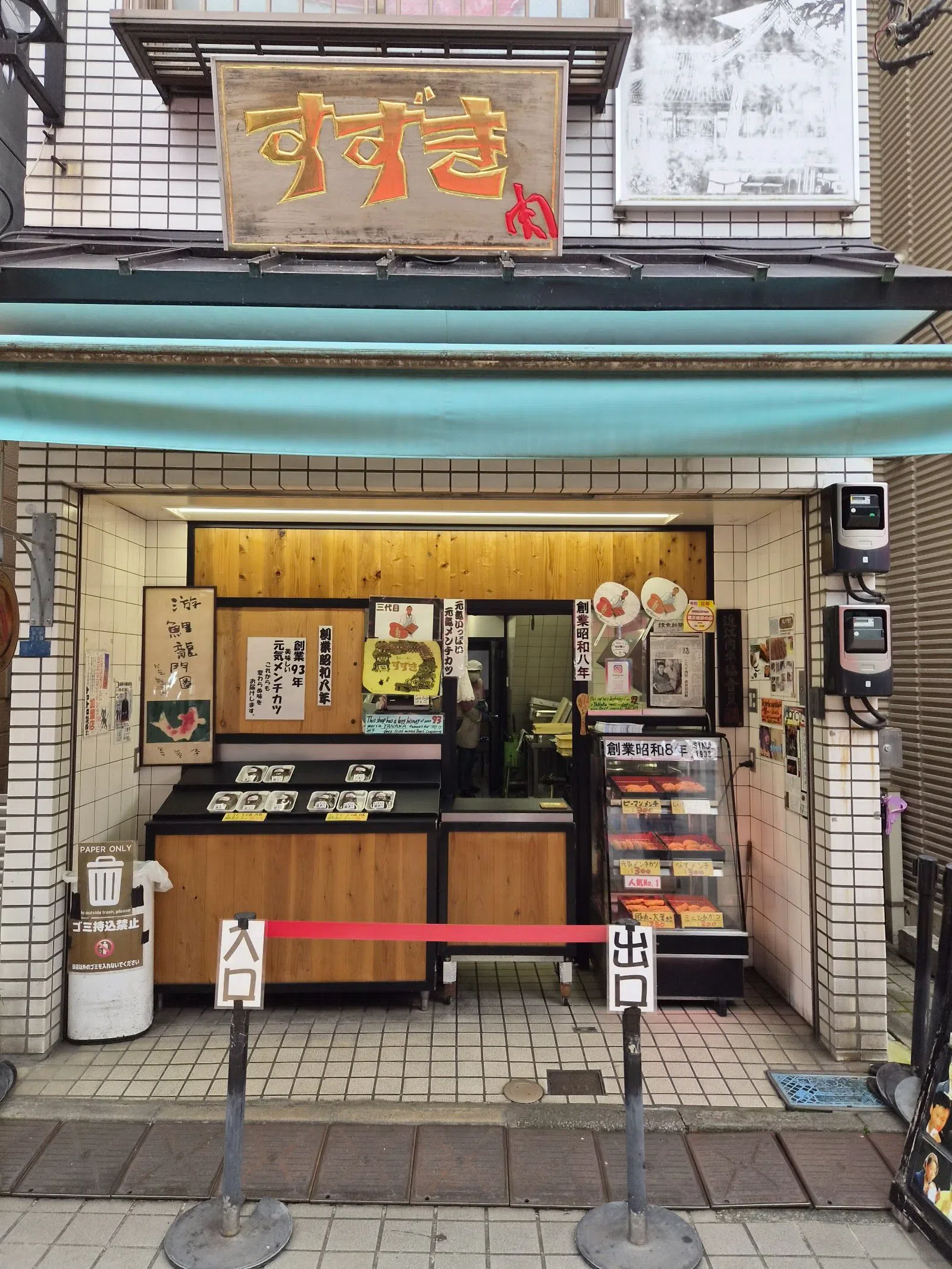
Niku no Suzuki is mid-way along the lane, an open-fronted butcher's counter with stainless trays of golden breadcrumbed cutlets under a heat lamp and a paper price board overhead. The shop dates from 1933 and is now in third-generation hands, and the minced-beef menchi-katsu at ¥250 to ¥350 is what people eat on Yanaka Ginza. There is a takeaway hatch, cash only, and no seats, so customers eat from small paper bags on the lane. It closes Monday to Wednesday. Its rival Niku no Satō is a minute away, so do both and pick a side.
Asakura, SCAI and HAGISO
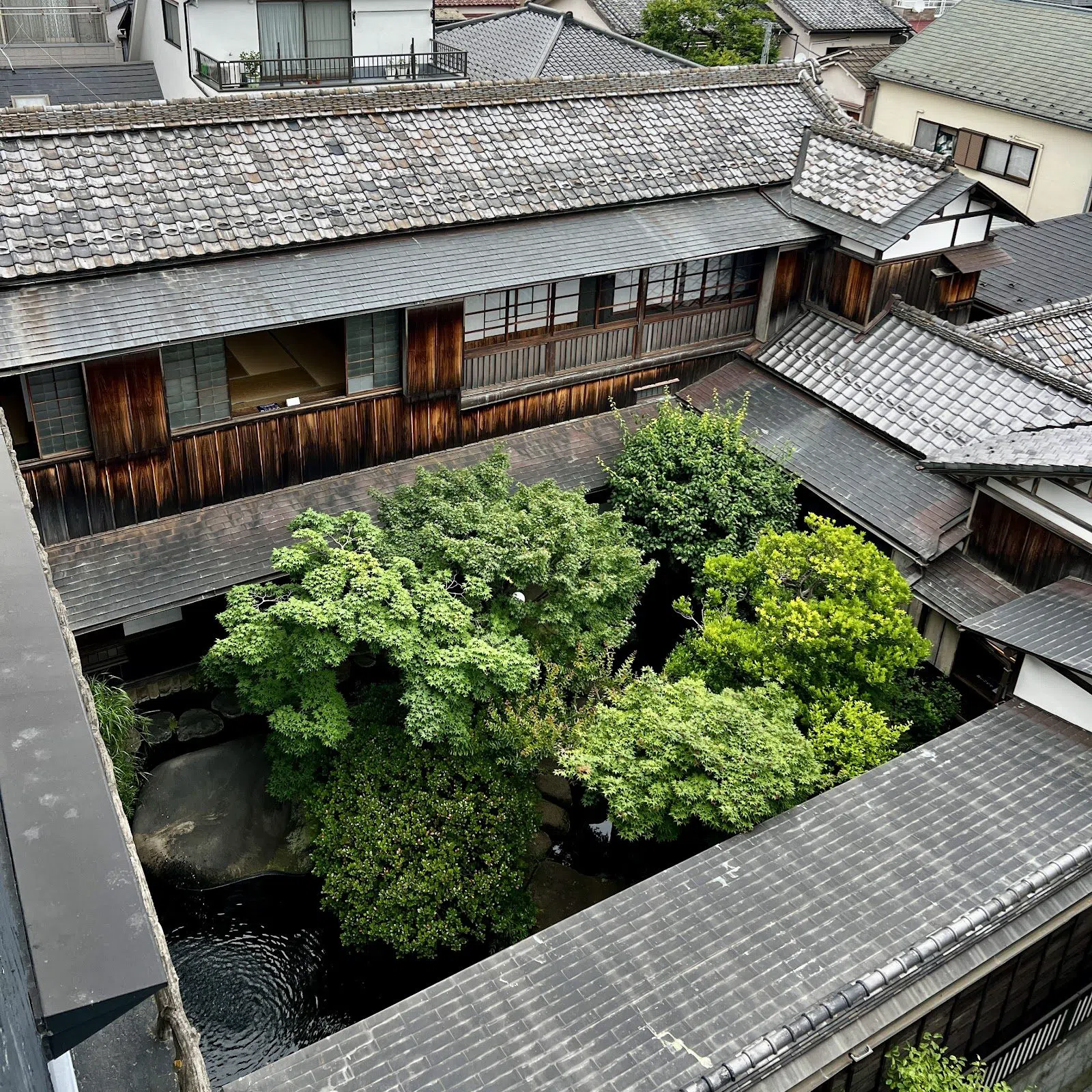
The Asakura Museum of Sculpture, Taito, in Yanaka, is the 1935 house and workshop of Fumio Asakura, the Rodin of Japan, kept as he left it. A black concrete atelier holds a double-height skylit room full of bronze figures, and the joined tatami wing looks onto a water-filled courtyard garden of carp and large boulders. There is an olive garden on the roof. Shoes come off and slippers go on at the door. Entry is ¥500 for adults, ¥250 for students, and it opens 9:30 to 16:30 with last entry at 16:00, closed Monday and Thursday. The rooms and stairs are narrow and staff cap numbers inside, so arrive as a handful of people and not as a coach party. It is the best twenty minutes in the neighbourhood.
SCAI The Bathhouse in Yanaka is a 200-year-old public bathhouse turned into a white cube: black tiled roof and tall chimney outside, slatted wooden entrance, and the old shoe lockers still in the lobby. The gallery sits under the bath hall's high ceiling. It opened in 1993, drew the art crowd to Yanaka and still shows serious names: Nobuko Tsuchiya's 'Ace of Hearts' runs 4 November to 19 December 2026. Entry is free and needs no appointment, Tuesday to Saturday, 12:00 to 18:00. Check the website before you set out, as it shuts between hangs.
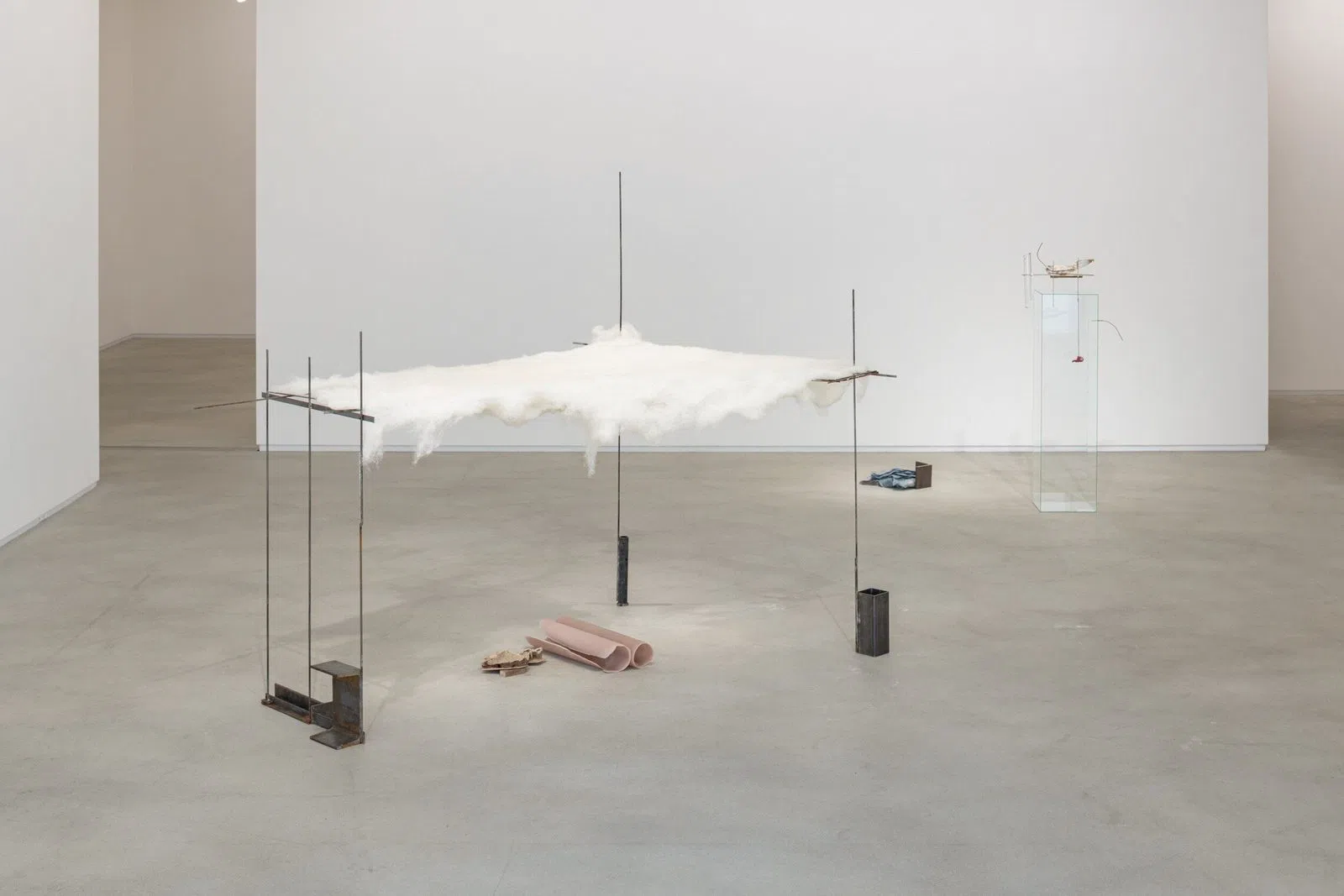
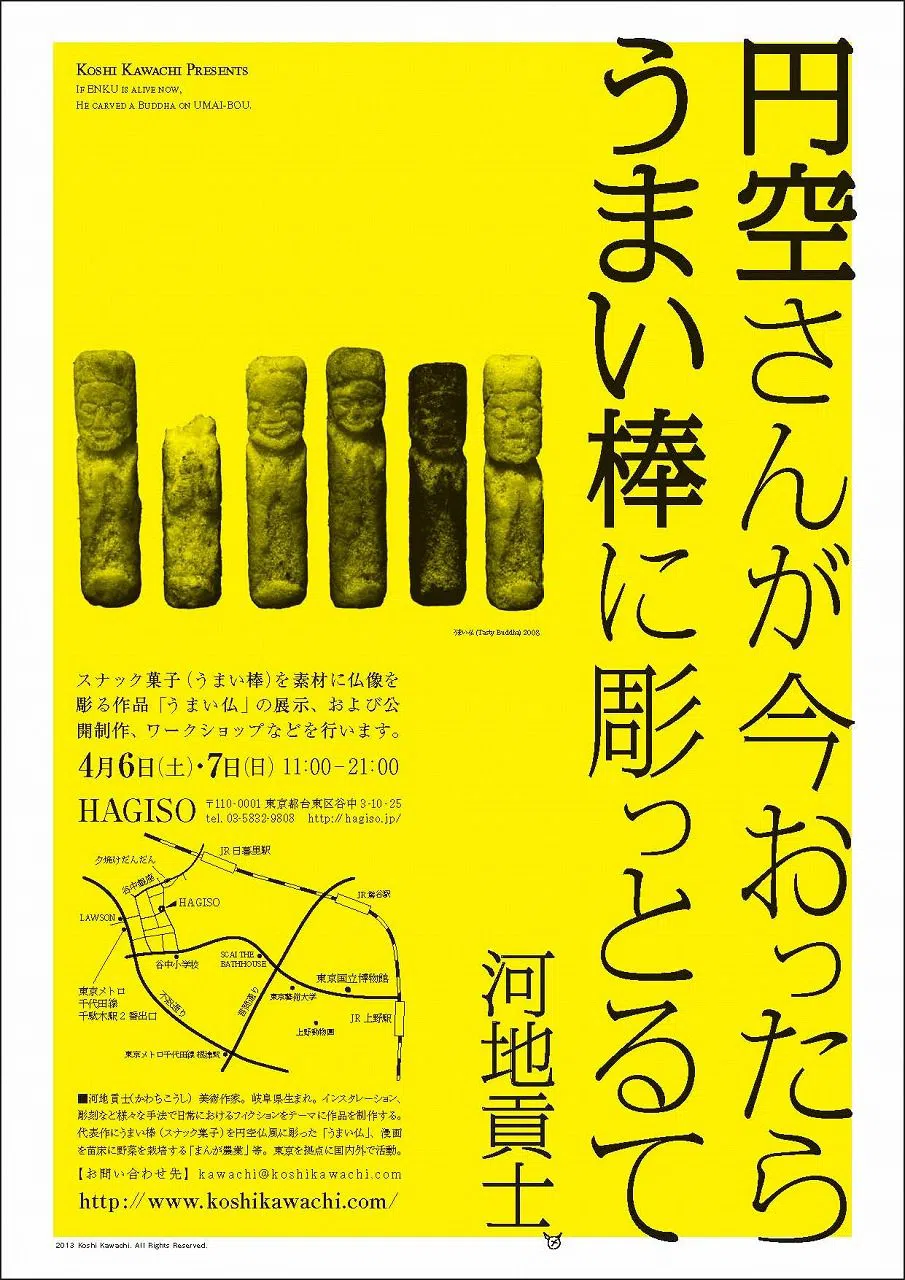
HAGISO, in Yanaka, is a two-storey black-painted timber apartment house from 1955; it was condemned, and architecture students saved it. The ground floor is a glass-fronted cafe in pale plywood under bare bulbs, with a white gallery in the basement and a bicycle or two against the facade. Coffee is ¥600 and a set lunch ¥1,500 to ¥2,000. The cafe seats around 20, so book ahead. The gallery and shop are free to wander.
Isetatsu and Edo woodblock paper
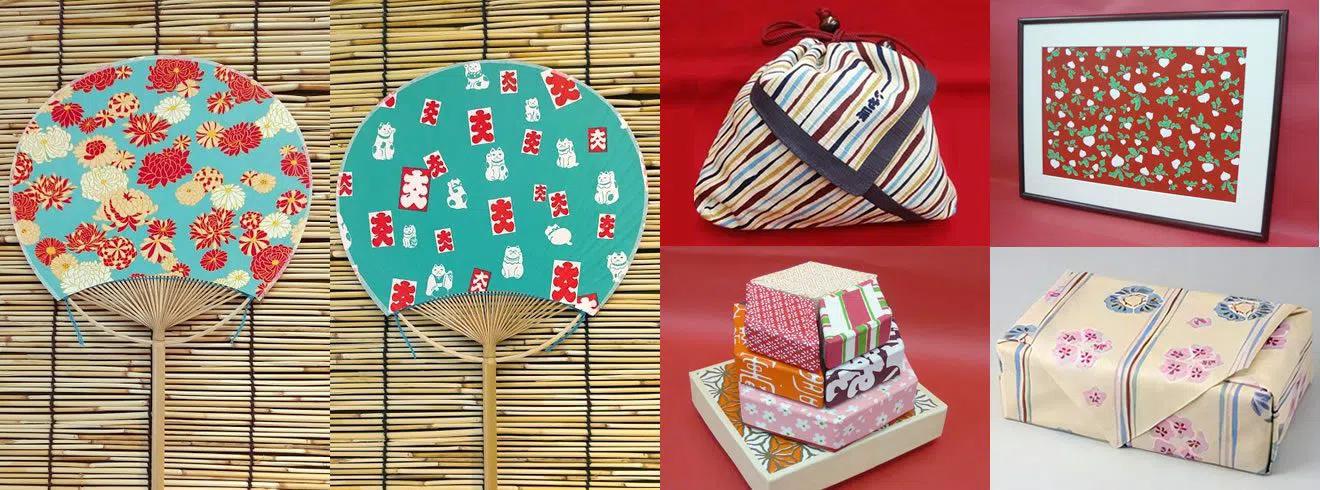
Isetatsu's Yanaka main store has traded since 1864 in Edo-pattern woodblock paper. Behind a dark wooden shopfront with a noren curtain and a hanging signboard, the walls are papered floor to ceiling in hand-woodblock-printed chiyogami sheets, indigo waves, cranes and demons, stacked in shallow wooden trays. Single sheets start from ¥150 and gifts run ¥1,000 and up. It opens 10:00 to 18:00 every day of the year. Pre-booked parties can arrange a craft talk.
Coffee, shaved ice and beer

Kayaba Coffee is on a Yanaka corner in a 1938 machiya with a mustard-yellow awning and curved glass windows. Downstairs there are green vinyl booths and a long counter; upstairs you sit on the floor of a tatami room at low tables. The HAGISO crew reopened it, and the order is the tamago sando with the hot-and-cold rosiya coffee. Coffee is ¥600 and the egg sandwich ¥700. It opens at 08:00 and takes no reservations, and weekends queue, so four or more people should come on a weekday morning. Check the current closing day before you go, as the hours have shifted this year.
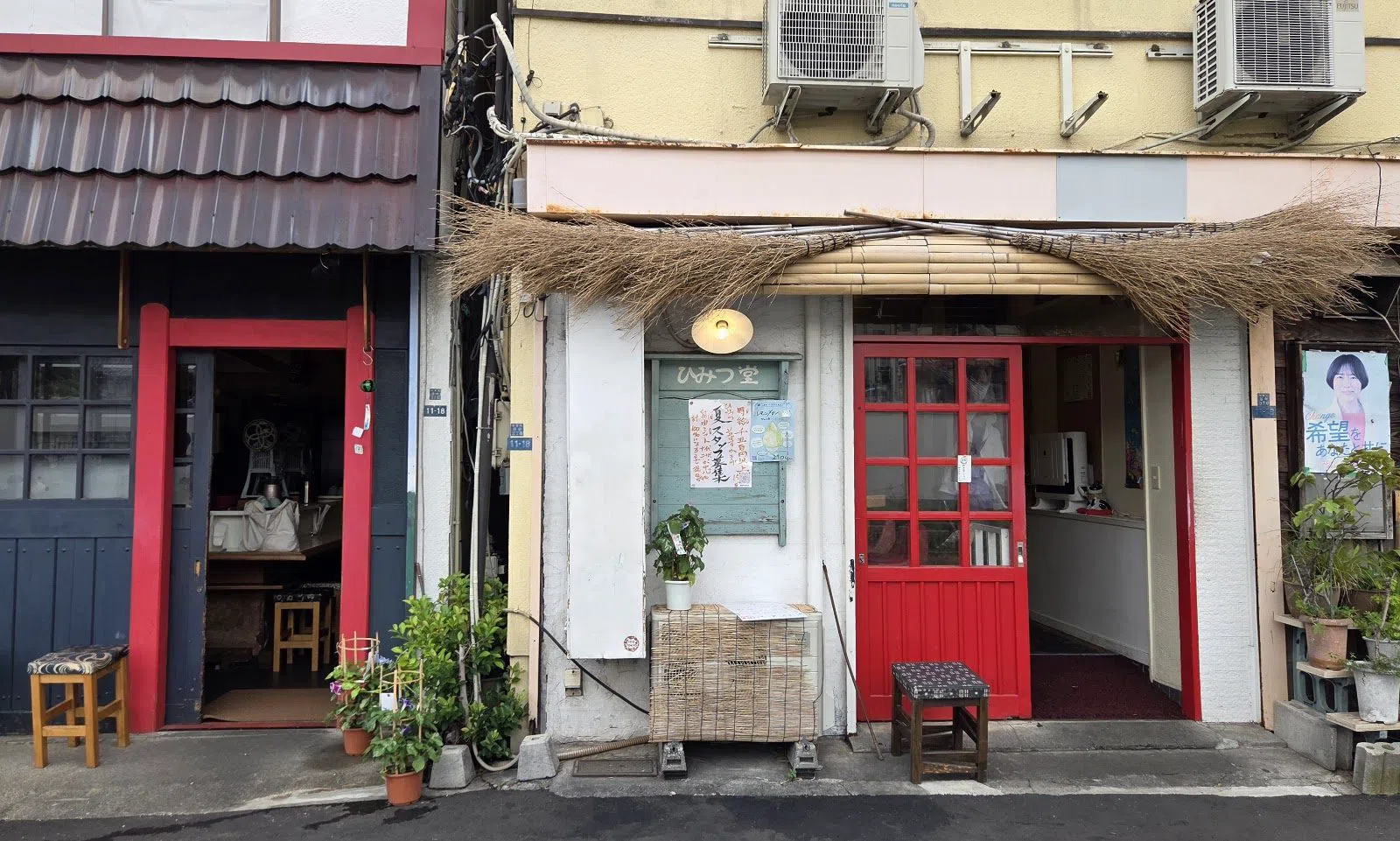
Himitsudō is a narrow shopfront on a Yanaka back lane with a hand-written seasonal menu board and a pavement queue. It was Tokyo's first dedicated shaved-ice shop, opening in 2011, and it is a Tabelog 100 pick for 2026, with syrups rotating through more than a hundred seasonal versions. A bowl is ¥900 to ¥1,500. Hours are 10:00 to 17:00 on weekdays and from 09:00 at weekends, closed Monday and Tuesday. There are no reservations and it sells out, and in summer you wait on the pavement.
Yanaka Beer Hall is in the Ueno Sakuragi Atari compound, three restored 1938 wooden houses around a shared gravel courtyard with potted greenery and strings of lights. Inside is a short copper-topped counter, a handful of taps and very little room, so people drink on the benches outside. It pours its own Yanaka Beer, including a smoked-malt pilsner you will not find elsewhere, at ¥800 to ¥1,000 a pint. The same compound holds the Think bakery and an olive-oil shop, and the tatami function room, Minna no Zashiki, has a kitchen and can be rented for a private party. Vaner, the Norwegian bakery older guides send you here for, closed in 2022.

Dinner in Nezu
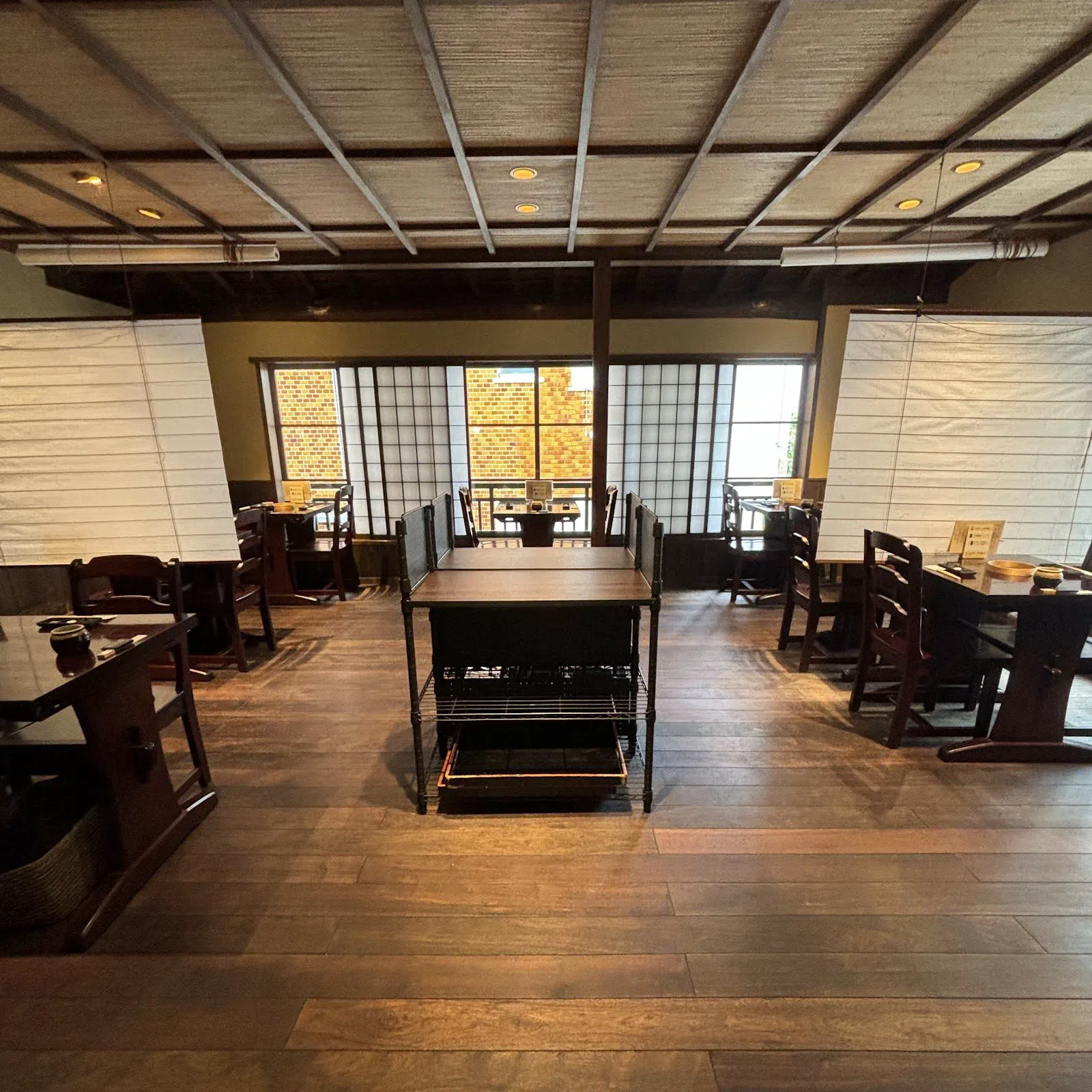
Hantei occupies a three-storey 1917 wooden townhouse in Nezu, dark timber lattice and tiled roof corners, lit by lanterns at dusk. It is a Registered Tangible Cultural Property. Steep narrow staircases link small rooms where deep-fried skewers arrive six at a time on paper-lined plates, in relays, until you say stop. The course starts at ¥6,600. Reservations are essential and walk-ins are usually turned away: the phone opens two months out and the English online calendar around six weeks out. Larger parties are split across floors.
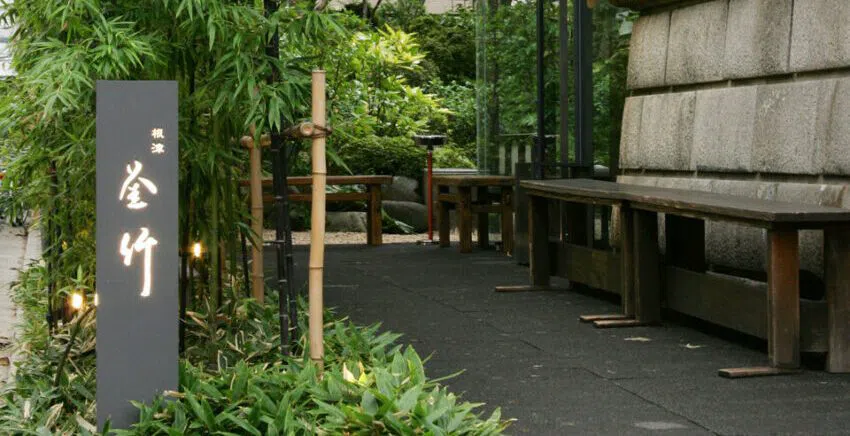
Nezu Kamachiku cuts its udon by hand and boils it to order in a 1910 stone warehouse in Nezu, thick rough-cut stone walls joined by Kengo Kuma to a glass-and-timber pavilion that looks onto a mossy garden with an old tree. The noodles come to a plain wooden table in their boiling pot. Ask for a seat in the old kura. Bukkake udon starts at ¥900 and dinner runs ¥3,000 and up. Dinner is by phone reservation only, in Japanese. Lunch is walk-in and stops when the noodles run out, so arrive at opening. It closes Sunday and Monday, with irregular extra closures.
Renting a bike
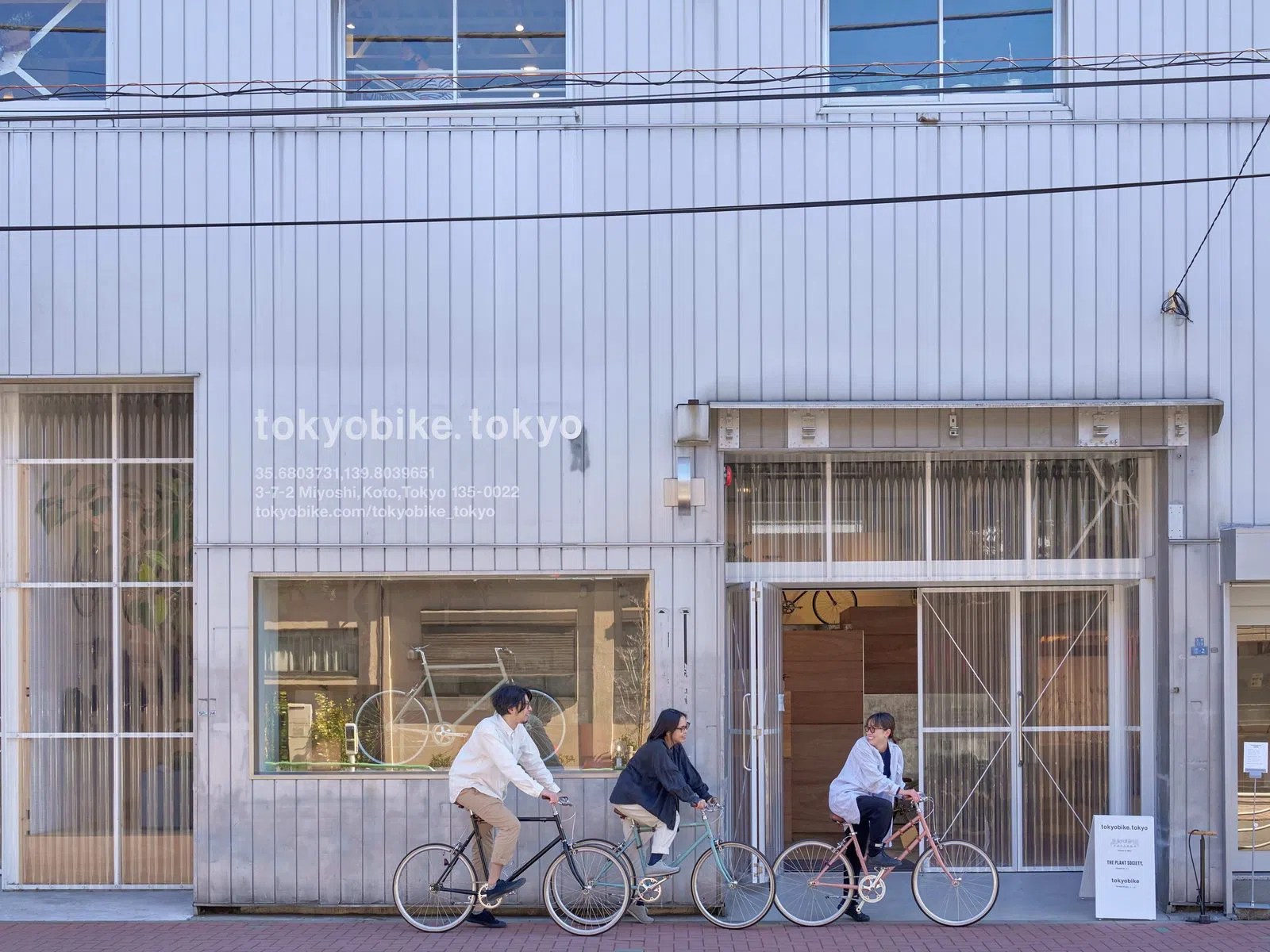
tokyobike Yanaka Soil is in a converted old shophouse of pale timber and raw plaster, with a row of slim pastel-framed city bikes on the pavement outside and a counter inside pouring coffee and sake. A bike is ¥2,500 a day and a helmet ¥500. This is how to link Yanaka, Nezu and Sendagi with Ueno Park and the Sumida backstreets, and the flat lanes suit a nervous rider. Rentals are bookable up to 30 days ahead and the fleet is small, so reserve. It closes Monday and Tuesday. Older listings call it tokyobike Rentals Yanaka.
Where to stay
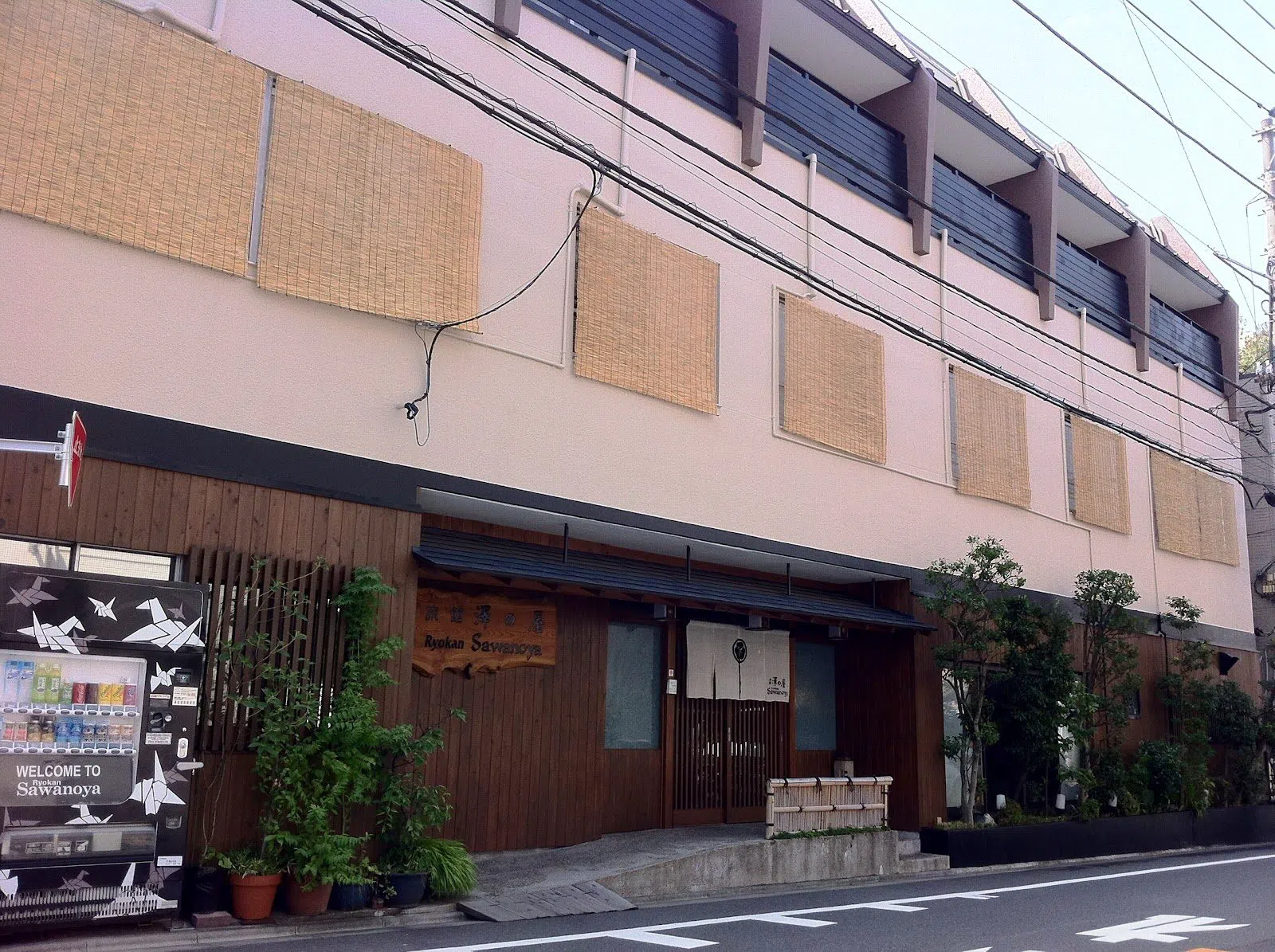
Ryokan Sawanoya is a modest family inn on a residential Yanaka lane, seven minutes' walk from Nezu Station, and it is the reason many visitors first came to this neighbourhood. Rooms are tatami with futons and shoji screens, the lobby wall is covered in guests' notes and flags, and two small bookable baths, one cypress wood and one clay, look onto a courtyard garden. The owners speak English and hand out hand-drawn maps. Rates run roughly ¥7,000 to ¥14,000 per person per night. Book through their own website, and far ahead for a whole group, as the calendar does not always reflect real availability.
The other option here is hanare, a hotel with no building of its own: the rooms are scattered around Yanaka, you check in at HAGISO, and they send you out to the local bathhouse and breakfast spots.
Closed days and bookings
Monday closes the Asakura Museum, Himitsudō, Niku no Suzuki, Nezu Kamachiku and tokyobike Yanaka Soil, and the museum also shuts on Thursday. Book Hantei as soon as its window opens, reserve a bike before you arrive, and call Nezu Kamachiku for dinner.
See the Tokyo guide and the Tokyo hotel search.
Avant de partir
When should I visit Nezu Shrine's azalea garden?
The Azalea Festival runs 1 April to 30 April, 9:00 to 17:30, and in season the garden has its own paid gate at ¥500. Go in the first days of the festival or skip it altogether, because at midday in peak bloom the torii path jams solid. The shrine grounds are free and open.
Do I need a reservation for Hantei?
Yes. Book ahead; they usually turn walk-ins away. The phone line opens two months out, the English online calendar around six weeks out. The course starts at ¥6,600, and they split larger parties across the building's floors.
Which days are things closed in Yanaka, Nezu and Sendagi?
The Asakura Museum of Sculpture closes Monday and Thursday. Himitsudō and tokyobike Yanaka Soil close Monday and Tuesday. Niku no Suzuki closes Monday to Wednesday, Nezu Kamachiku closes Sunday and Monday with irregular extra closures, and SCAI The Bathhouse opens Tuesday to Saturday only. Isetatsu opens every day of the year.
Can I pay by card on Yanaka Ginza?
Mostly no. Most shops on the lane don't take cards, and Niku no Suzuki is cash only with no seats. Bring cash; snacks run ¥150 to ¥600 a go.
Is Yanaka a good base for a group?
It works if you book early. Ryokan Sawanoya is small and family run, so a whole-group stay means booking far ahead on its own website, and its calendar doesn't always match real availability. HAGISO's cafe seats around 20, so groups should reserve, and the Yanaka Beer Hall compound rents a tatami function room, Minna no Zashiki, with a kitchen.