
Tokyo
Tokyo is a study in hyper-specific focus.
Guests & rooms
The Tokyo guide
An insider’s read on Tokyo
TTokyo is a study in hyper-specific focus.
The character of modern Tokyo is rooted in its resilience and rapid reinvention. Originally a small fishing village named Edo, it became the seat of the Tokugawa shogunate in 1603, developing a distinct merchant-class culture that prized fleeting pleasures—a concept known as the 'floating world.' Having survived both the Great Kanto Earthquake of 1923 and the devastation of World War II, the city rebuilt itself without a centralized grid. Today, it operates as a collection of distinct urban villages, where centuries-old Shinto shrines sit quietly in the shadows of glass skyscrapers.

PLATE ITokyo, Japan

Guides & ideas
The Tokyo reading list
Hand-written guides from our editors — itineraries, the best of after dark, where to eat, and what’s genuinely worth your time.
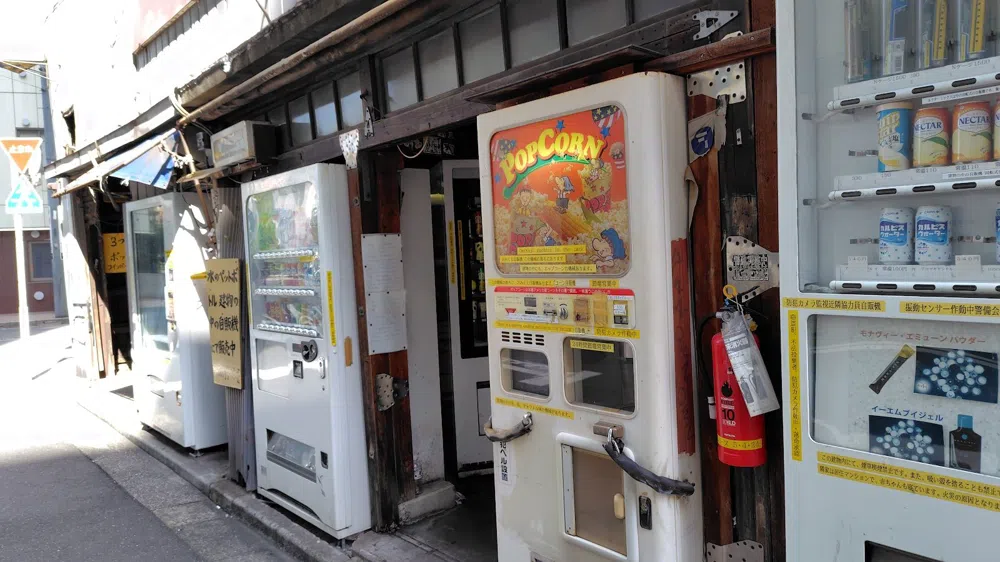
Walking Tokyo's Strangest Vending Machines After Dark
A tested night route through Tokyo's oddest machines: canned oden in Akihabara, 2,000 capsule machines in Shibuya, insect snacks in Takadanobaba and a bar with no bartender.
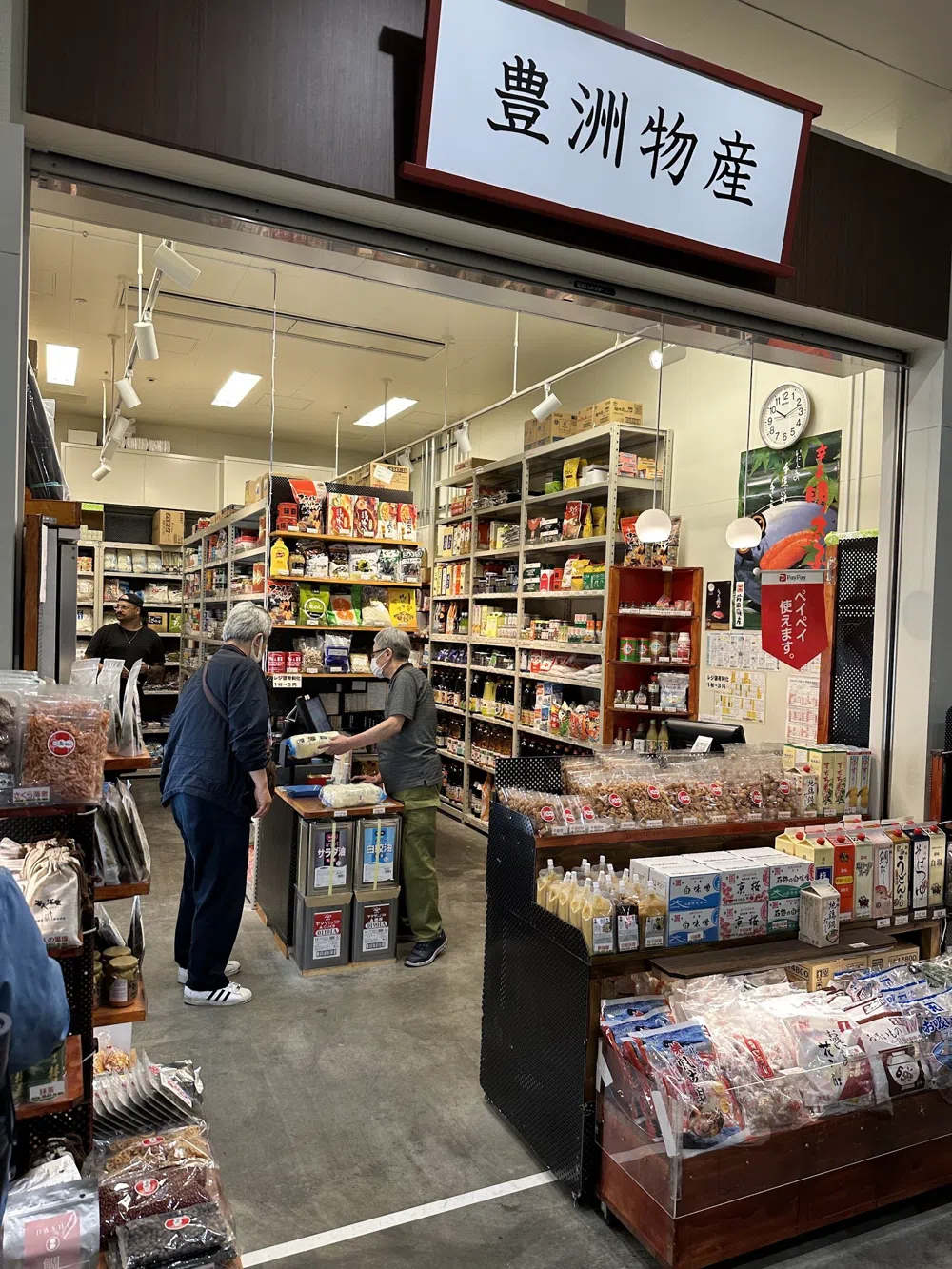
What Tokyo's Tuna Auction Actually Looks Like at 5 A.M.
Before dawn at Toyosu, a few hundred million yen of frozen tuna changes hands in seconds: here's how to watch it, who to eat with afterward, and where the doors actually open for groups.
Riding the Yamanote Line Through Five Eras of Tokyo Architecture
One loop, no transfers, and a stop-by-stop reading of Tokyo's built history from Edo tombs to a 2019 glass tower.
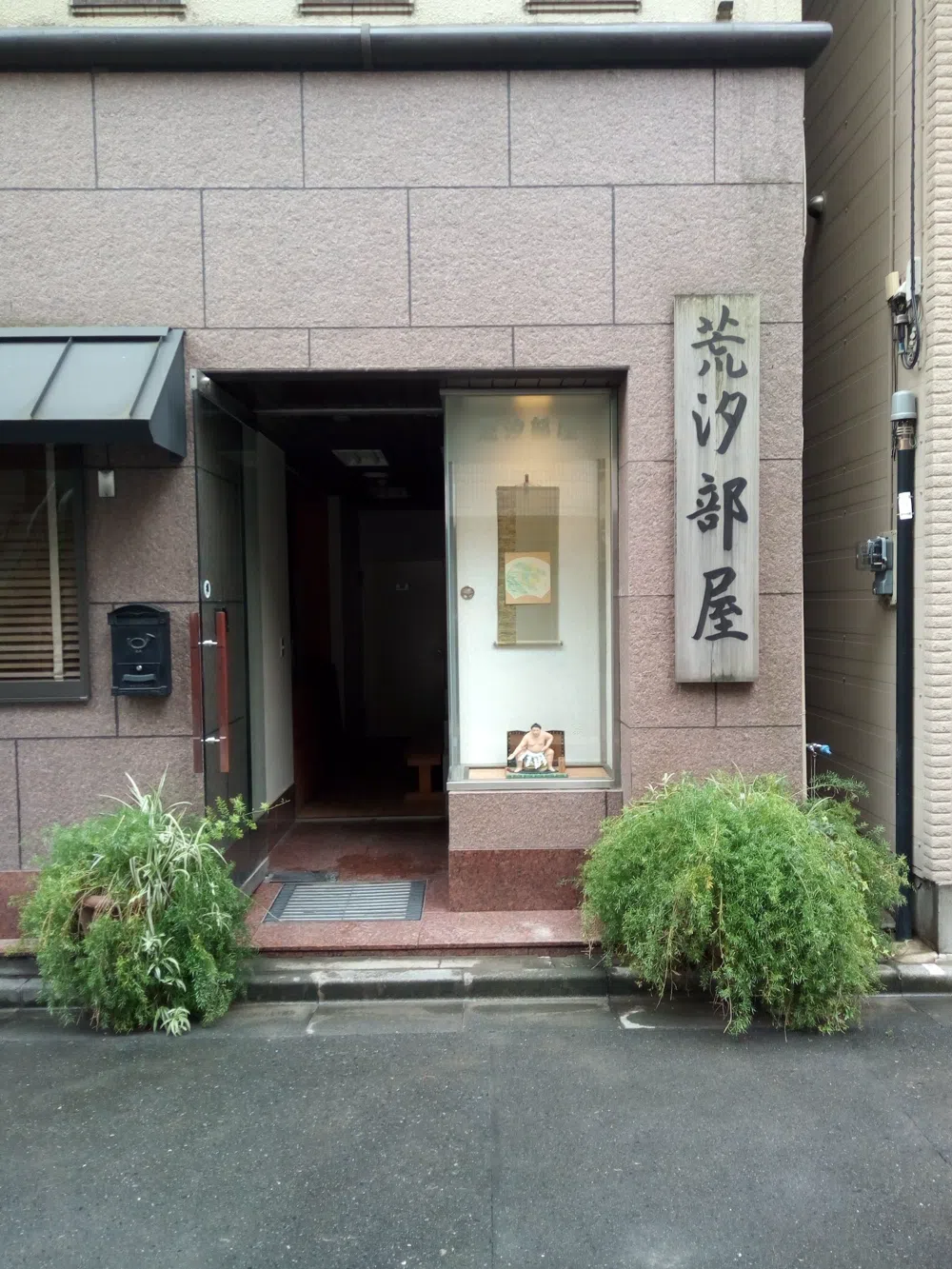
Before the Bell: A Sumo Morning in Tokyo's Stables
A dawn walk through Ryogoku's sumo stables — who gets in for free, who needs a guide, and what to eat afterward.
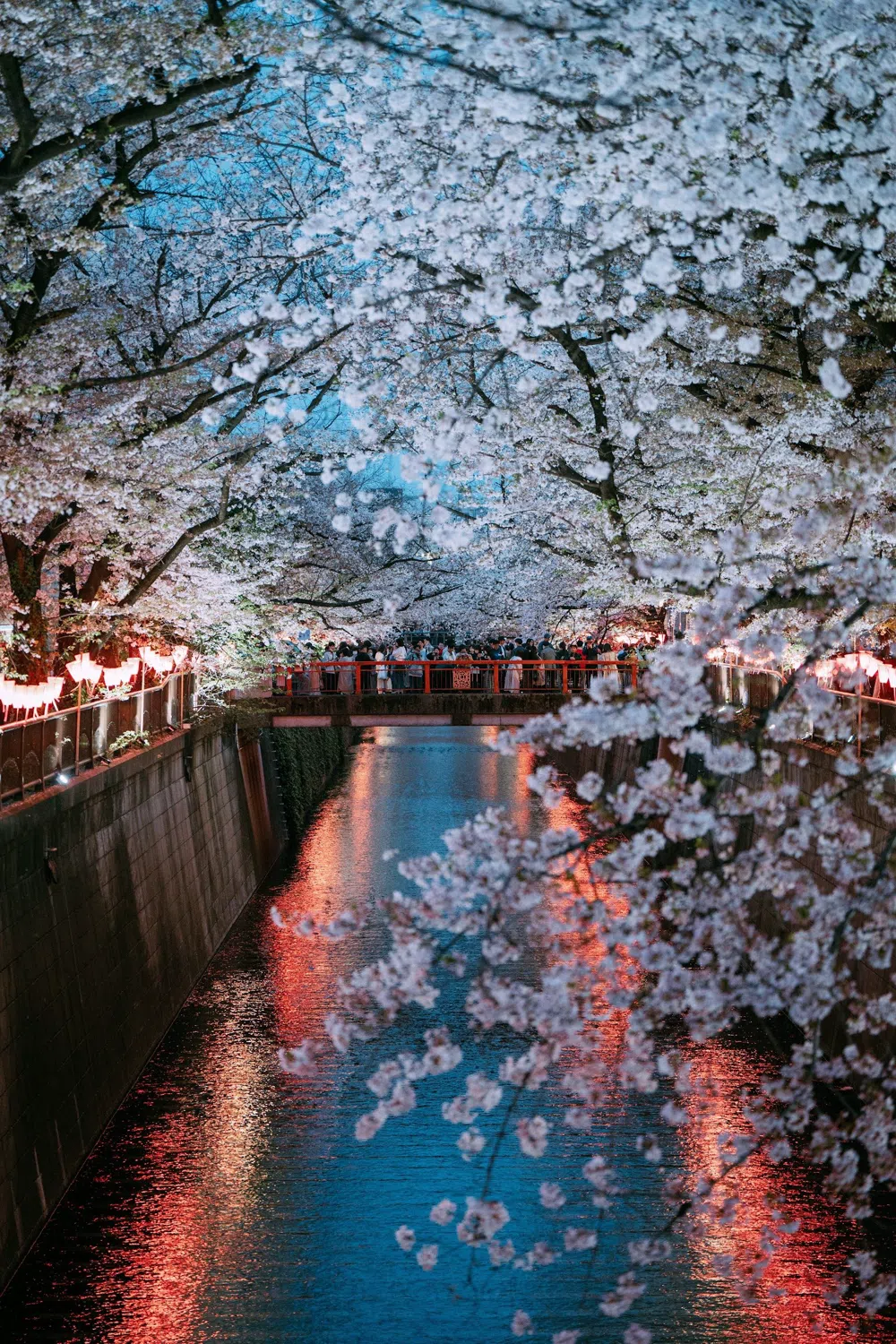
Tokyo's Sakura Season: A Route From Meguro to Ueno
A working route through Tokyo's 2026 hanami season, from Meguro River's night reflections to Ueno Park's tarp-city picnics, with honest notes on crowds, cost and which spots actually suit a group.
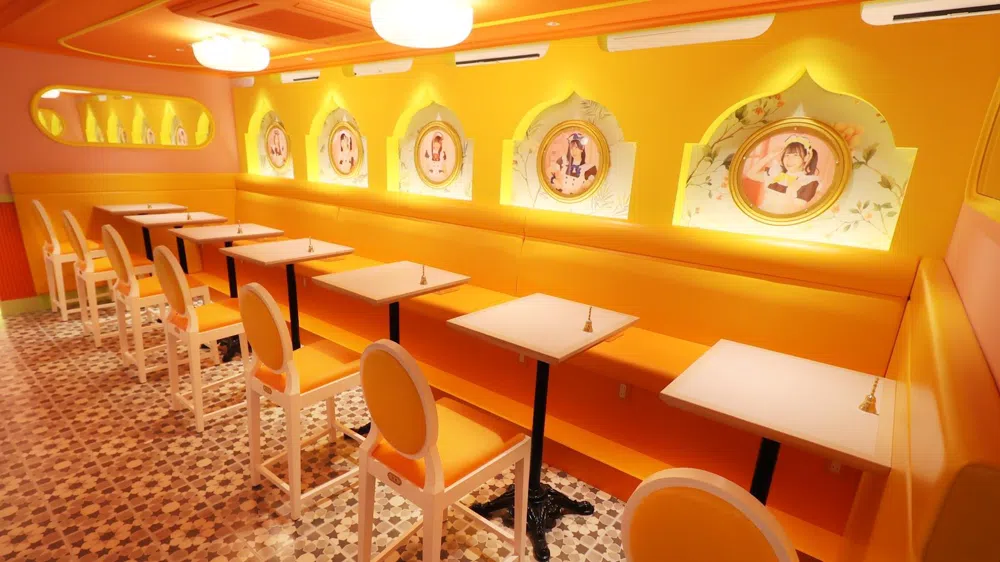
Akihabara After Midnight, When the Salarymen Come Out to Play
A door-by-door, yen-by-yen route through Electric Town's maid cafés, arcades, and idol theatres for the two hours between a Tokyo office and the last train home.
Where to base yourself
The neighborhoods
01
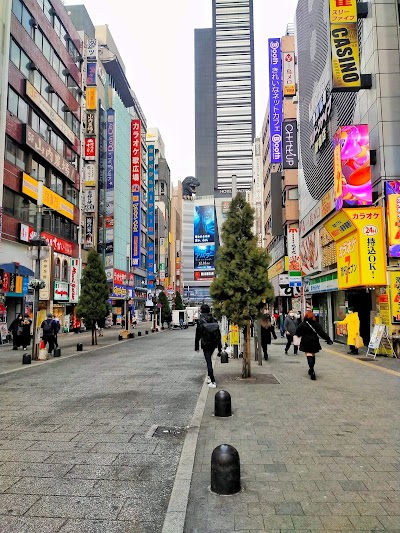
Shinjuku
For Those who want to be in the center of the action and do not mind intense crowds, noise, and navigating a confusingly massive transit hub.
A high-octane sensory assault of neon lights, towering skyscrapers, and dense crowds. It contains the world's busiest train station, corporate high-rises, and narrow drinking alleys.
Where to stay — The western side (Nishi-Shinjuku) offers quiet, high-end high-rise hotels, while the eastern side puts you steps from nightlife.
02
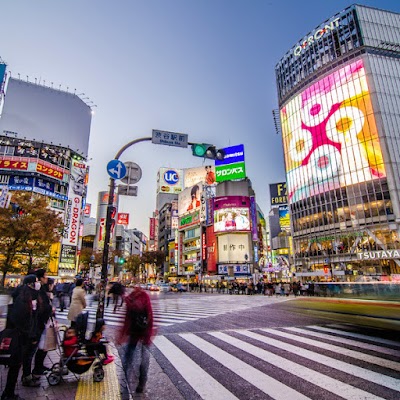
Shibuya
For Shoppers, nightlife lovers, and younger travelers. The trade-off is constant noise and streets that are permanently crowded.
The epicenter of youth culture, fashion trends, and nightlife. It is energetic, constantly evolving, and filled with multi-story department stores and digital billboards.
Where to stay — Boutique design hotels and modern high-rises near the station offer convenience, though quiet is hard to find.
03
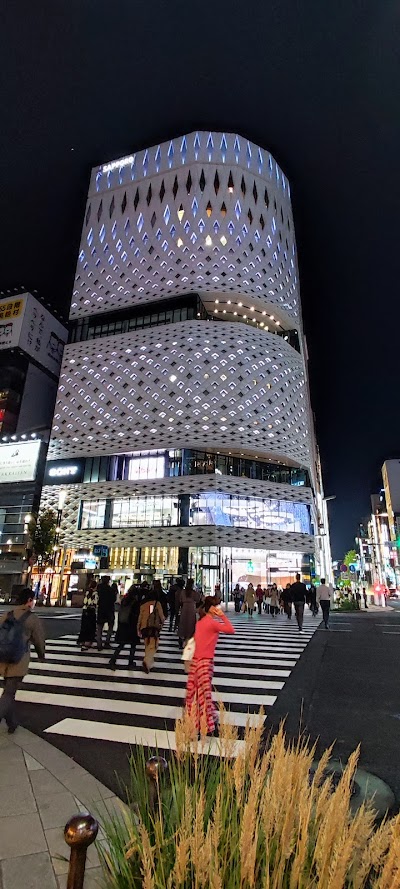
Ginza
For Luxury shoppers and fine-dining enthusiasts. The trade-off is that the neighborhood quietens down significantly after dark and lacks a gritty, local feel.
Tokyo's premier luxury shopping district, characterized by wide avenues, immaculate flagship boutiques, and high-end art galleries.
Where to stay — Prestigious luxury hotels and upscale business hotels cater to business travelers and high-end tourists.
04
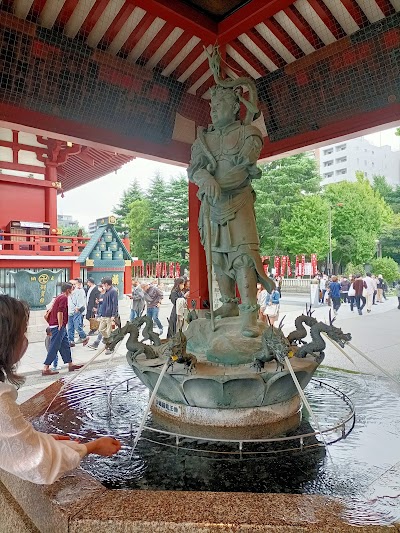
Asakusa
For Travelers seeking a slower pace and historical context. The trade-off is that it is geographically removed from western hubs like Shibuya and Shinjuku.
A low-rise district that retains the atmosphere of older Tokyo, centered around a major Buddhist temple complex.
Where to stay — Excellent for mid-range ryokans, traditional guesthouses, and budget-friendly design hostels.
05
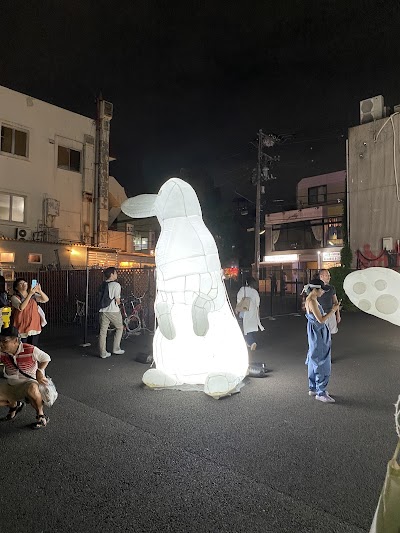
Shimokitazawa
For Creatives, vintage hunters, and indie music fans. The trade-off is a lack of luxury accommodations and a slightly longer commute to central sights.
A bohemian enclave of narrow, pedestrian-friendly streets filled with vintage clothing stores, independent record shops, and cozy cafes.
Where to stay — A handful of trendy boutique hotels and residential rentals dominate this low-key area.
Book direct
Book a hotel in Tokyo
Loading live availability and real-time prices…
Where to eat
Dining
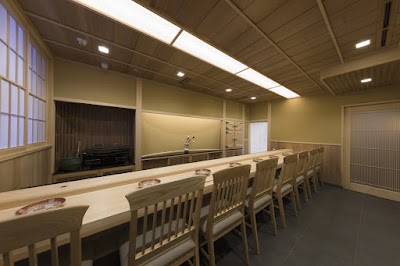
Sushi Yoshitake
€€€€Ginza
Master chef Masahiro Yoshitake serves exquisite Edomae-style sushi, renowned for using red vinegar in the rice and a signature abalone liver sauce.
Signature — Steamed abalone served with a rich, velvety liver dipping sauce.
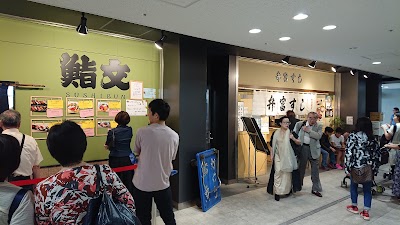
Sushi Dai
€€Toyosu
Located inside the Toyosu Fish Market, this legendary counter offers some of the freshest sushi in the city to those willing to queue from the early morning hours.
Signature — The Chef's Omakase Course, featuring whatever was caught that morning.
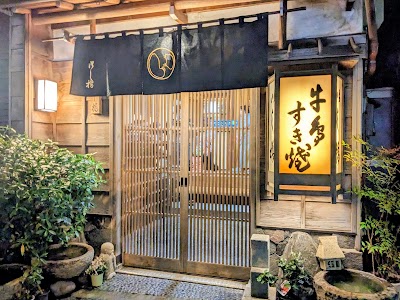
Ishibashi
€€€Bunkyo
Operating since the Meiji era, this historic restaurant serves exceptional unagi (freshwater eel) that is steamed and grilled over binchotan charcoal.
Signature — Kabayaki, grilled eel glazed with a secret, century-old sweet soy sauce.
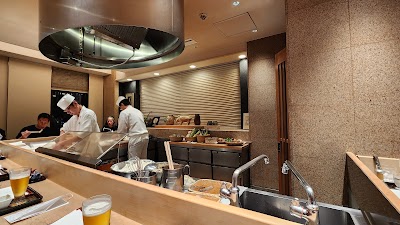
Tempura Kondo
€€€€Ginza
Chef Fumio Kondo has spent decades elevating tempura to an art form, using thin, light batter and precise frying times to highlight seasonal vegetables and seafood.
Signature — Sweet potato tempura, cooked slowly for over thirty minutes until caramelized.
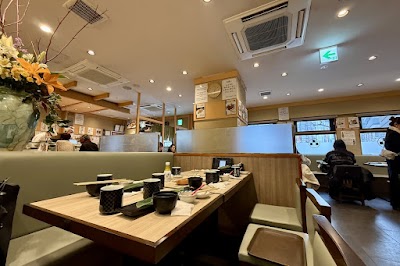
Sushi No Midori
€€Shibuya
A highly popular, casual spot that offers generous portions of high-quality sushi at remarkably accessible prices.
Signature — Anago (sea eel) sushi, served as a single, massive whole fillet over rice.
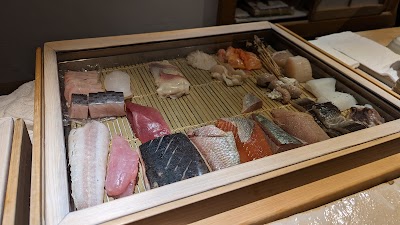
Sushisho Masa
€€€€Nishi-Azabu
An intimate basement counter with only seven seats, offering an extensive omakase of over thirty small, seasonal seafood bites.
Signature — Lightly torched sea urchin served directly onto the diner's hand.
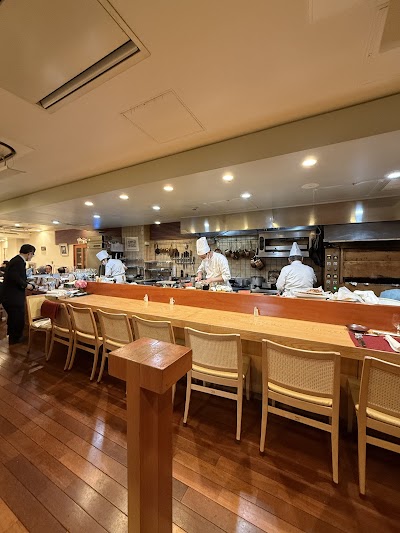
Shima
€€€€Nihonbashi
Chef Manabu Oshima sources exceptional wagyu from Kyoto, grilling it to perfection in a classic steakhouse setting.
Signature — The take-home wagyu steak sandwich, prepared at the end of your meal.
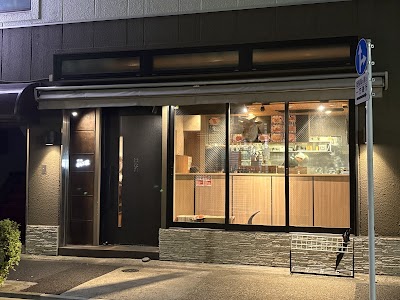
Yakiniku Jumbo Hanare
€€€Hongo
A premier destination for yakiniku, famous for its ultra-thin cuts of top-grade wagyu dipped in raw egg yolk.
Signature — Nohara-yaki, a thin slice of sirloin quickly seared and dipped in sweet soy and egg.
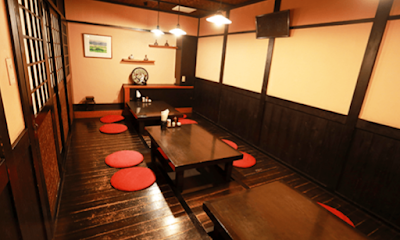
Gyuan
€€€Ginza
Housed in a rustic, traditional basement, this spot offers authentic Kobe beef at prices that are surprisingly reasonable, especially during lunch.
Signature — Kobe beef steak cooked on a hot stone plate.
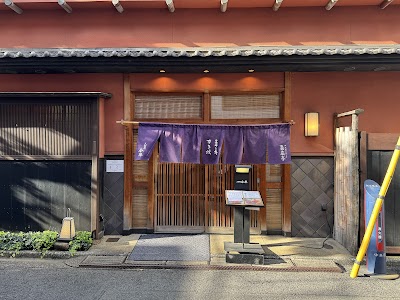
Ningyocho Imahan
€€€Ningyocho
Established in 1895, this historic venue specializes in sukisaki and shabu-shabu, served by kimono-clad staff in private tatami rooms.
Signature — Sukiyaki featuring marbled wagyu simmered in a rich, sweet soy broth.
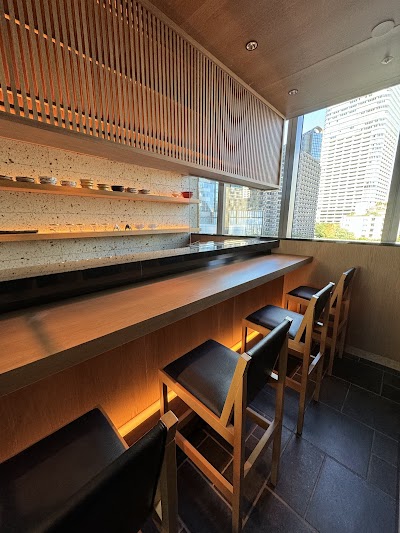
Yakiniku Yoroniku
€€€€Aoyama
A sleek, modern yakiniku restaurant where staff grill rare cuts of beef at your table with absolute precision.
Signature — Silk-roast beef, a melt-in-the-mouth cut served with a small ball of rice.
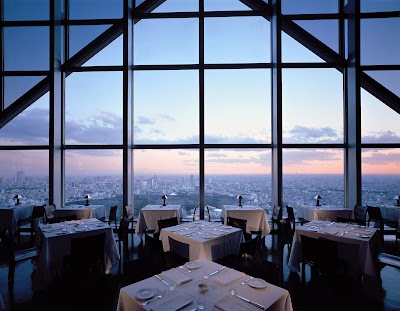
New York Grill
€€€€Shinjuku
Perched on the 52nd floor of the Park Hyatt, this venue pairs premium domestic beef with dramatic, high-altitude city views.
Signature — Grilled Saga beef sirloin with seasonal Japanese accompaniments.
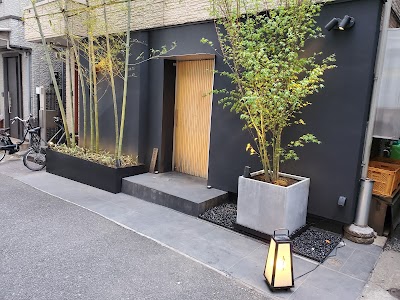
Torishiki
€€€Meguro
Widely considered the most exclusive yakitori counter in Japan, where Yoshio Ikegawa grills Date chicken over binchotan charcoal with obsessive care.
Signature — Chouchou, an unhatched egg yolk grilled on a skewer with chicken fallopian tube.
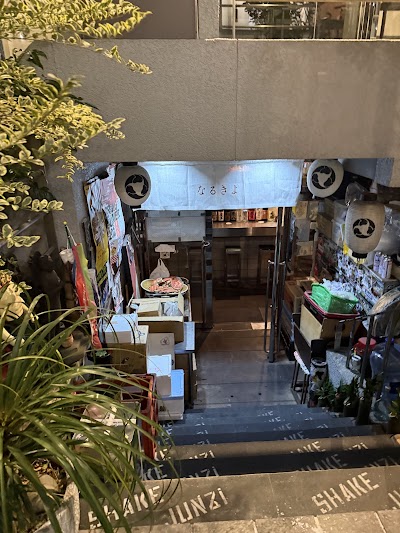
Narukiyo
€€€Shibuya
A high-energy, chaotic, and artistic izakaya serving exceptional seasonal sashimi and grilled meats alongside a massive sake list.
Signature — Flame-seared mackerel served with grated ginger and green onions.
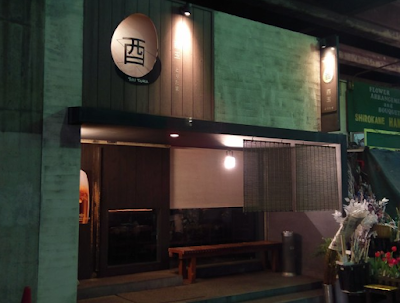
Toritama
€€Ebisu
A cozy, counter-only yakitori spot that specializes in serving over thirty different, highly specific cuts of chicken.
Signature — Misaki, the tail end of the chicken, grilled until crispy.

Tatemiya
€Shibuya
A standing-only sake bar (tachinomi) offering an incredibly curated selection of craft sakes and elevated small plates.
Signature — Slow-cooked beef tendon stewed in red miso.
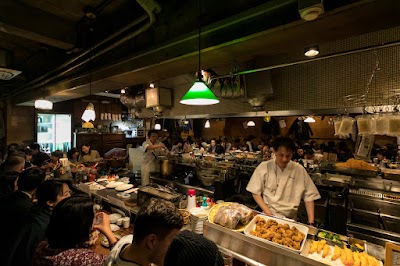
Shirube
€€Shimokitazawa
A hidden izakaya accessed through a low wooden door, known for its lively staff and smoky, open-kitchen cooking.
Signature — Aburi Shime Saba, mackerel seared tableside with a blowtorch and doused in lemon juice.
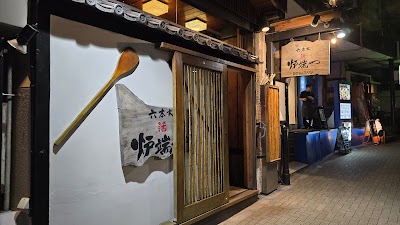
Robataya
€€€Roppongi
A traditional robatayaki restaurant where chefs sit amidst a bounty of fresh produce and seafood, grilling your selections and serving them on long wooden paddles.
Signature — Charcoal-grilled kinki fish (channel rockfish).
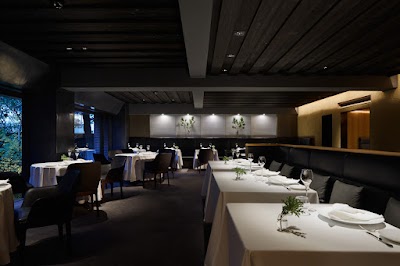
L'Effervescence
€€€€Nishi-Azabu
Chef Shinobu Namae crafts modern French cuisine using exclusively Japanese ingredients, focusing on sustainability and deep relationships with local farmers.
Signature — Fixed-point turnip, a single turnip cooked slowly for four hours, served with parsley oil and ham.
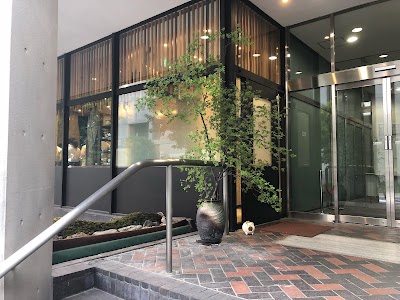
Den
€€€€Jingumae
Chef Zaiyu Hasegawa offers a playful, highly creative take on traditional kaiseki dining, prioritizing hospitality and humor over stuffy formality.
Signature — Dentucky Fried Chicken, a chicken wing stuffed with seasonal glutinous rice and served in a fast-food style box.
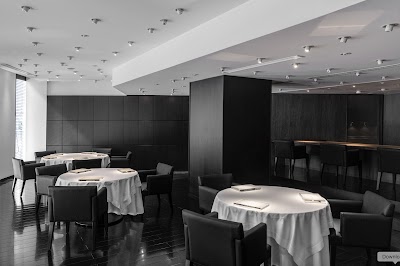
Narisawa
€€€€Minami-Aoyama
Yoshihiro Narisawa's 'Satoyama' cuisine is an edible tribute to the Japanese forest, focusing on organic, wild-foraged ingredients.
Signature — Bread of the Forest, which rises and bakes directly at your dining table.
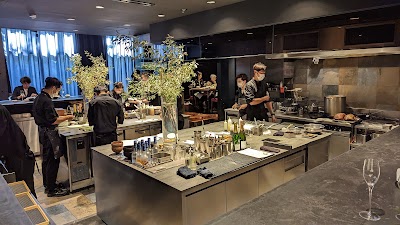
Florilège
€€€€Jingumae
Chef Hiroyasu Kawate presents modern French-Japanese dishes around a dramatic, open-counter kitchen where guests watch the preparation of every course.
Signature — Beef carpaccio made from mature Miyazaki cows, paired with potato puree.
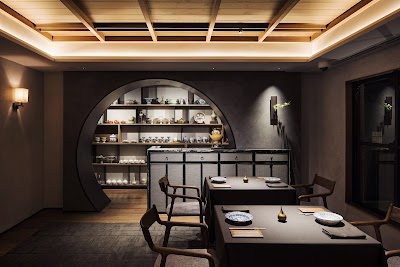
Sazenka
€€€€Minami-Azabu
Chef Tomoya Kawada masterfully fuses Chinese culinary techniques with the delicate, ingredient-focused sensibilities of Japanese kaiseki.
Signature — Young pigeon roasted over oak charcoal, served two ways.
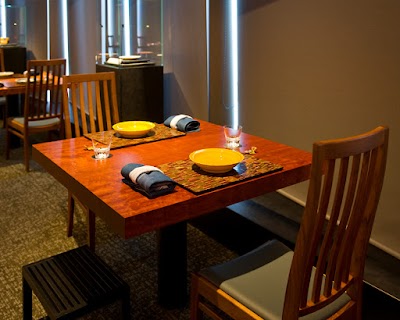
Ryugin
€€€€Hibiya
Chef Seiji Yamamoto utilizes cutting-edge culinary science to deconstruct and elevate traditional Japanese kaiseki dishes to their absolute peak.
Signature — Matsuba crab served warm with its own rich tomalley sauce.
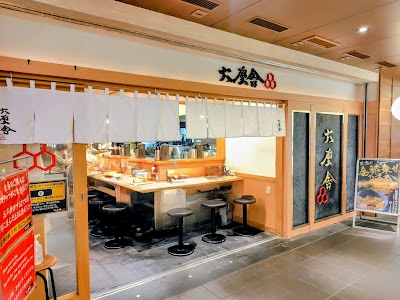
Rokurinsha
€Tokyo Station
Located in Tokyo Character Street, this spot popularized tsukemen (dipping noodles) with its incredibly thick, rich pork and fish broth.
Signature — Tokusei Tsukemen, cold, chewy noodles served with a hot, concentrated dipping broth.
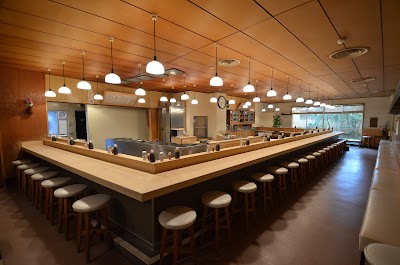
Tonkatsu Tonki
€€Meguro
Operating since 1939, this two-story restaurant serves pork cutlets fried in a unique, thick, and crispy batter, prepared by a highly synchronized kitchen team.
Signature — Rosu-katsu (pork loin cutlet) set meal, served with shredded cabbage and pork soup.
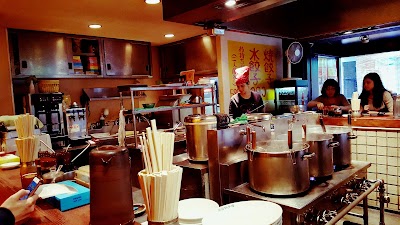
Harajuku Gyozaro
€Harajuku
A no-frills, highly efficient spot serving only two styles of gyoza (pan-fried or steamed) at incredibly low prices.
Signature — Pan-fried pork and chive gyoza.
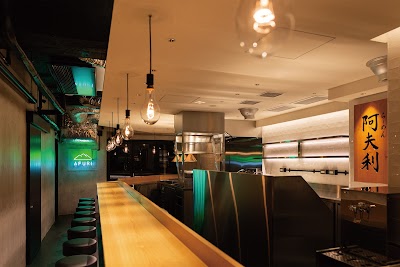
Afuri
€Ebisu
Famous for its lighter, refreshing alternative to heavy pork broths, utilizing local chicken and dashi infused with fresh yuzu citrus.
Signature — Yuzu Shio Ramen, featuring thin noodles, charcoal-grilled pork, and a citrus-infused broth.
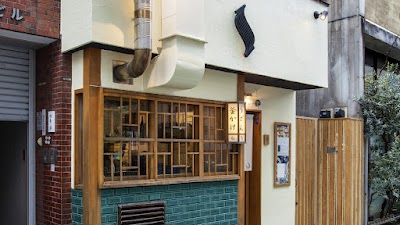
Udon Shin
€Shinjuku
A tiny shop where udon noodles are rolled, cut, and boiled to order, resulting in an incredibly fresh, chewy texture.
Signature — Hot udon with butter, pepper, a raw egg, and a massive piece of tempura bacon.
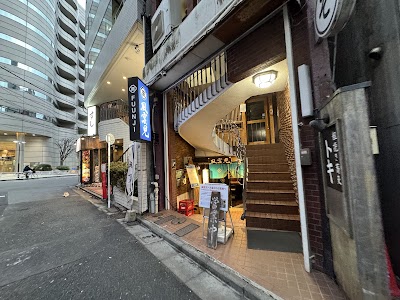
Fuunji
€Shinjuku
A legendary basement noodle shop where the master chef orchestrates a fast-moving line of diners craving rich, smoky dipping noodles.
Signature — Special Tsukemen, topped with a generous spoonful of finely ground fish powder.
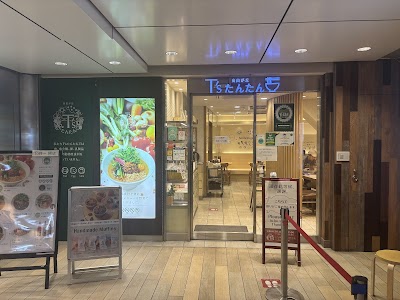
T's TanTan
€Tokyo Station
Located inside the ticket gates of Tokyo Station, this beloved spot serves rich, satisfying vegan ramen made entirely without animal products.
Signature — Golden Sesame TanTan Ramen, featuring a creamy, nutty broth with spiced soy meat.
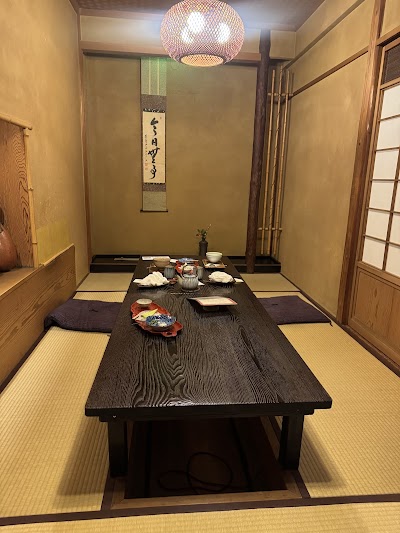
Bon
€€€Taito
Serves authentic Fucha Ryori, a style of Chinese-influenced Buddhist vegetarian cuisine dating back to the 17th century, served in private tatami rooms.
Signature — Seasonal multi-course menu featuring beautifully sculpted mock meats and seasonal vegetables.
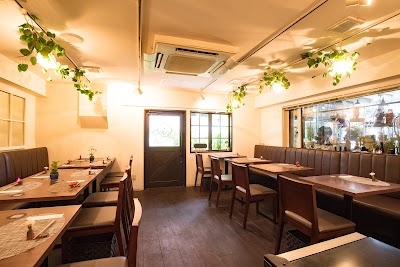
Saido
€€Meguro
An inventive vegan restaurant that recreates classic Japanese comfort foods like yakitori, unagi, and ramen using entirely plant-based ingredients.
Signature — Vegan 'eel' made from tofu and root vegetables, glazed in sweet soy sauce.
Brown Rice by Neal's Yard Remedies
€€Omotesando
A serene, light-filled cafe serving organic, macrobiotic set lunches focused on whole grains, seasonal vegetables, and traditional fermented foods.
Signature — The Seasonal Ichiju-Sansai set, featuring brown rice, miso soup, and three vegetable side dishes.
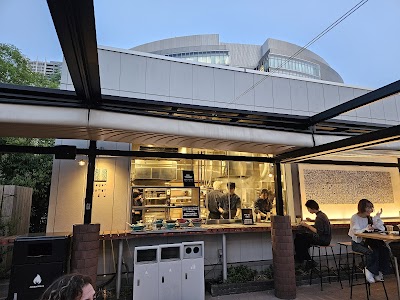
Vegan Ramen Uzu
€€Toyosu
Created in collaboration with teamLab, this restaurant allows you to eat exceptional vegan ramen surrounded by immersive digital art installations.
Signature — Vegan Tsukemen with green tea noodles and a rich, cold dipping broth.
After dark
Nightlife
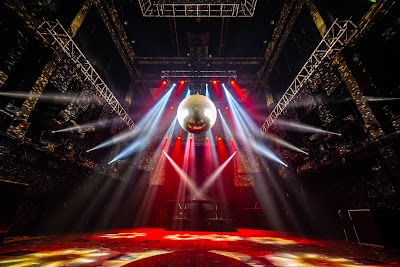
Womb
Shibuya
Famous for its massive main room, giant mirror ball, and state-of-the-art sound system, hosting top-tier international techno and house DJs.
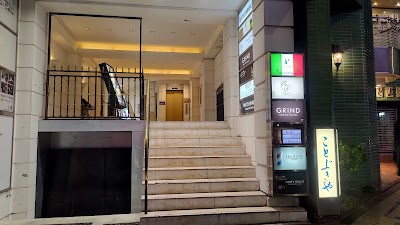
Vent
Omotesando
An underground club designed with acoustic precision, featuring a custom-built sound system and a minimalist, concrete aesthetic.
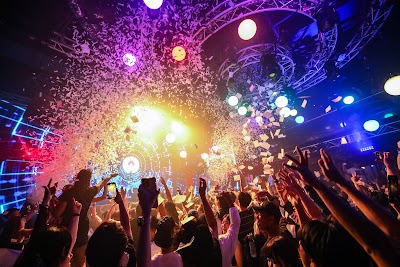
WARP Shinjuku
Shinjuku
A massive, multi-room club in the heart of Kabukicho featuring futuristic lighting, dancers, and a mix of EDM and hip-hop.
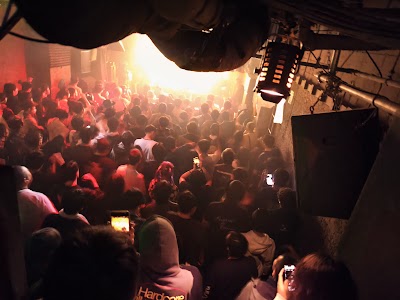
Circus Tokyo
Shibuya
An intimate, underground basement venue that champions experimental electronic music, bass, and left-field house.
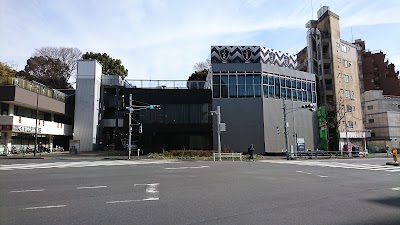
1Oak Tokyo
Roppongi
The Tokyo outpost of the famous New York brand, offering high-end VIP service and hosting international hip-hop artists.
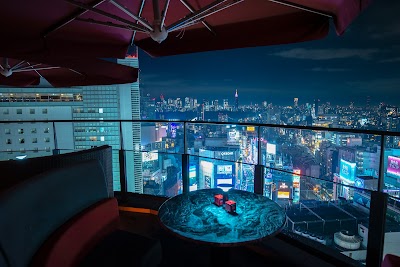
Ce La Vi
Shibuya
A multi-level rooftop club and lounge perched atop the Fukuras building, offering views of Shibuya Crossing.
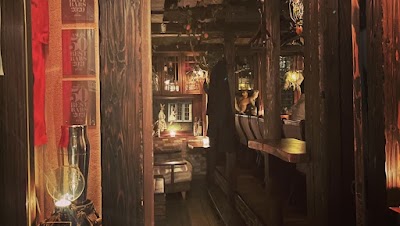
Bar Benfiddich
Shinjuku
Hiroyasu Kayama operates without a menu, crafting bespoke cocktails using herbs, roots, and elixirs grown on his family farm.
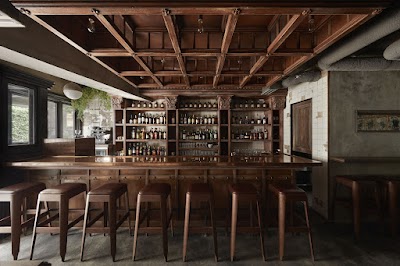
The SG Club
Shibuya
A multi-level bar by Shingo Gokan, blending American saloon culture with Japanese bartending techniques across different themed floors.
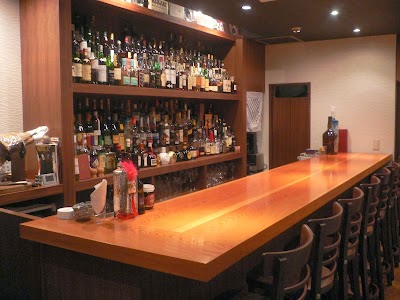
High Five
Ginza
Run by master bartender Hidetsugu Ueno, this bar is famous for its flawless execution of classic cocktails tailored to your personal taste.
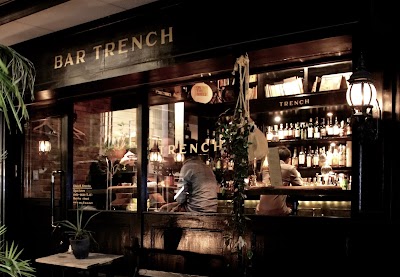
Bar Trench
Ebisu
A vintage-styled cocktail den specializing in herbal liqueurs, absinthe, and complex bitters.
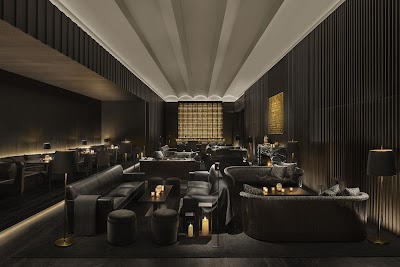
Gold Bar at Edition
Toranomon
A sleek, dark-wood lounge offering creative reinterpretations of classic golden-era cocktails.
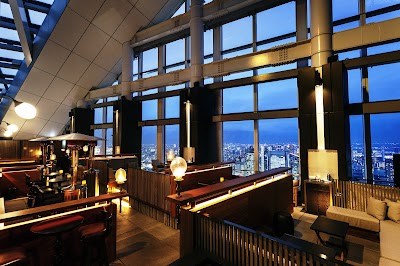
Rooftop Bar at Andaz
Toranomon
Perched on the 52nd floor, this bar offers semi-open-air seating with views of Tokyo Bay and the city skyline.
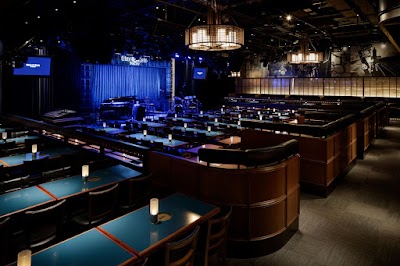
Blue Note Tokyo
Aoyama
The premier venue for jazz in Japan, hosting world-class international artists in an elegant, dinner-theater setting.
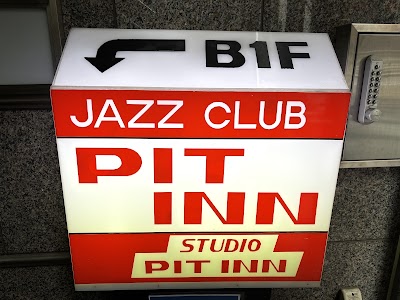
Pit Inn
Shinjuku
A legendary, no-frills basement jazz club that has been at the center of Japan's avant-garde and free jazz scenes since the 1960s.
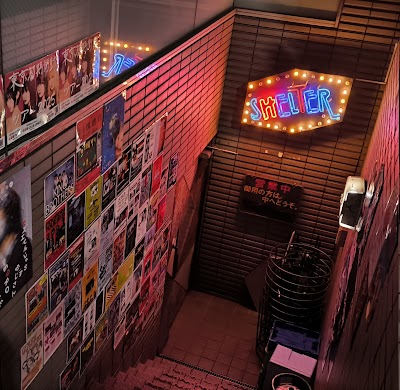
Shelter
Shimokitazawa
An iconic, sweaty basement venue that has championed Tokyo's indie rock, punk, and alternative scenes for decades.
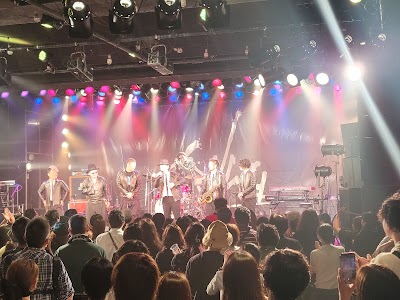
Liquidroom
Ebisu
One of Tokyo's most respected mid-sized concert halls, hosting a diverse lineup of indie bands, electronic acts, and hip-hop artists.
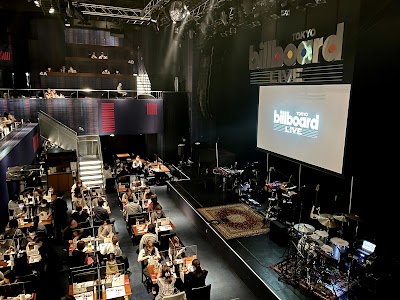
Billboard Live Tokyo
Roppongi
A sleek, modern venue inside Tokyo Midtown featuring a dramatic glass backdrop behind the stage that looks out onto the city.
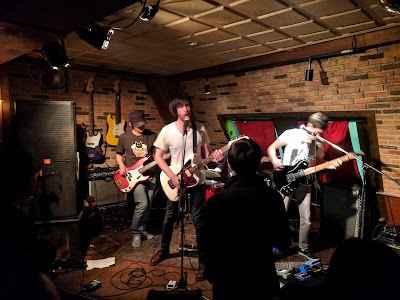
Ruby Room
Shibuya
An intimate, slightly gritty second-floor venue known for hosting local indie bands, open mic nights, and late-night electronic DJs.
Art & history
Culture
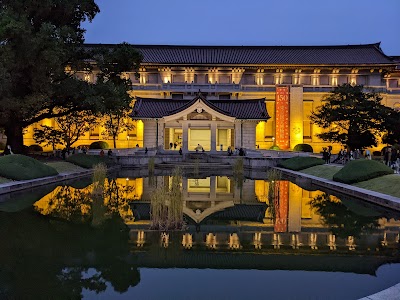
Tokyo National Museum
Ueno
Houses the world's largest collection of Japanese art and antiquities, including ancient pottery, samurai swords, and exquisite kimonos.
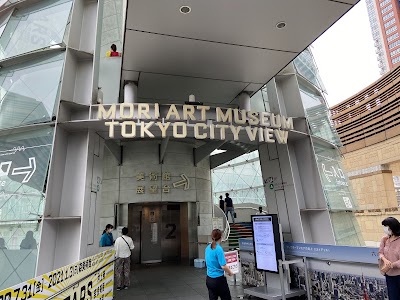
Mori Art Museum
Roppongi
Located on the 53rd floor of Roppongi Hills, this museum showcases contemporary art from across Asia and the world, staying open late into the night.
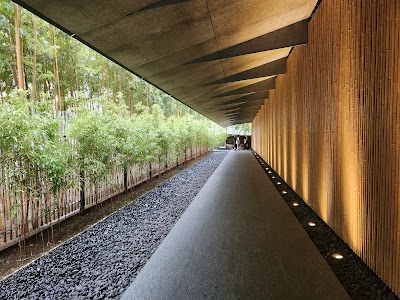
Nezu Museum
Aoyama
Preserves a stunning private collection of pre-modern Japanese and East Asian art, housed in a building designed by Kengo Kuma that opens onto a lush, traditional stroll garden.
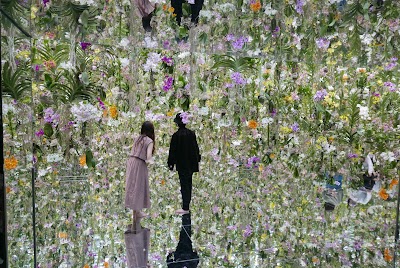
teamLab Planets
Toyosu
An immersive, digital-only museum where visitors walk barefoot through massive, interactive light and water installations.
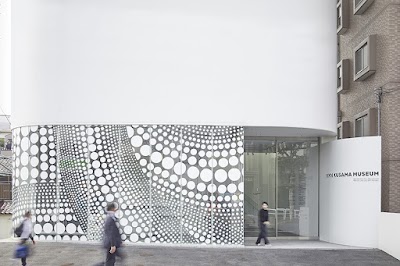
Yayoi Kusama Museum
Shinjuku
A five-story museum dedicated entirely to the works of Tokyo's iconic avant-garde artist, featuring her famous infinity mirror rooms and polka-dot sculptures.
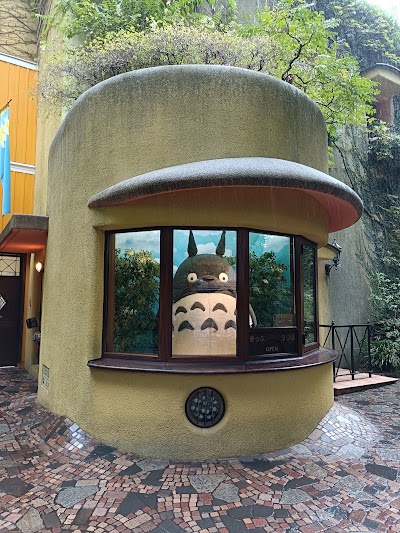
Ghibli Museum
Mitaka
Designed by Hayao Miyazaki, this whimsical, labyrinthine museum explores the art and science of animation through the lens of Studio Ghibli.
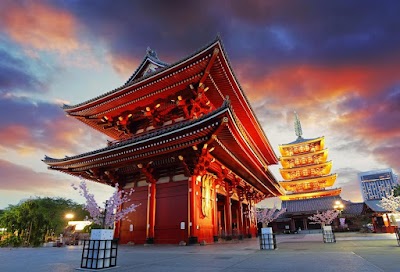
Senso-ji Temple
Asakusa
Tokyo's oldest Buddhist temple, founded in 645 AD, featuring the iconic red Kaminarimon (Thunder Gate) and a five-story pagoda.
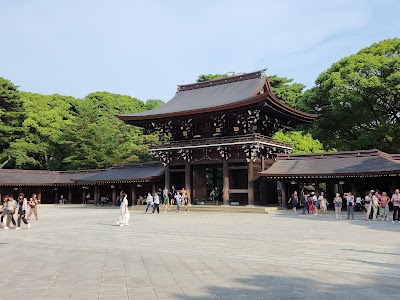
Meiji Jingu Shrine
Harajuku
A grand Shinto shrine dedicated to the deified spirits of Emperor Meiji and Empress Shoken, located inside a dense, 170-acre forest of over 100,000 trees.
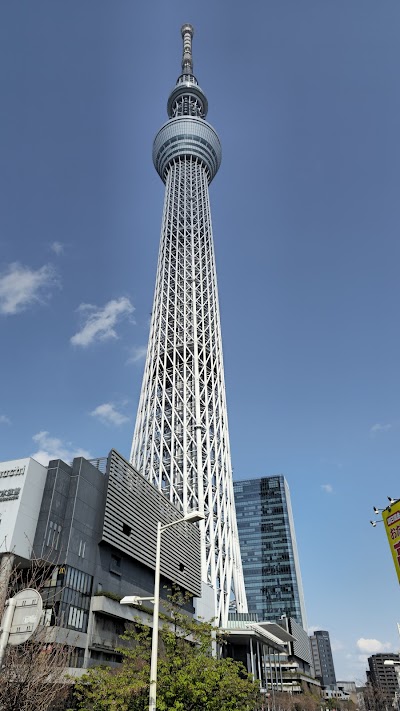
Tokyo Skytree
Sumida
The tallest structure in Japan and the third-tallest in the world, offering unparalleled, 360-degree views of the entire Kanto region.
Prada Aoyama
Aoyama
A striking, six-story building designed by Swiss architects Herzog & de Meuron, featuring a diamond-shaped glass facade that curves and bulges.
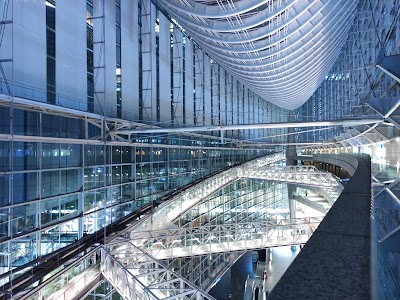
Tokyo International Forum
Yurakucho
An exhibition and convention center designed by Rafael Viñoly, featuring a breathtaking, 60-meter-high glass atrium shaped like an elongated boat hull.
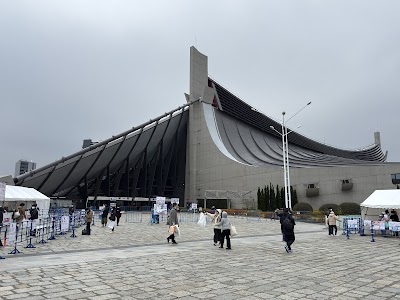
Yoyogi National Gymnasium
Yoyogi
Designed by Kenzo Tange for the 1964 Summer Olympics, this masterpiece of modernist architecture is famous for its suspended roof design.
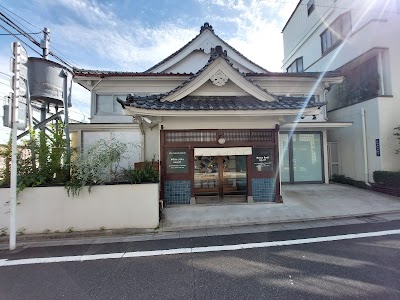
SCAI The Bathhouse
Yanaka
A prestigious contemporary art gallery housed inside a beautifully renovated, 200-year-old public bathhouse, showcasing leading Japanese and international artists.
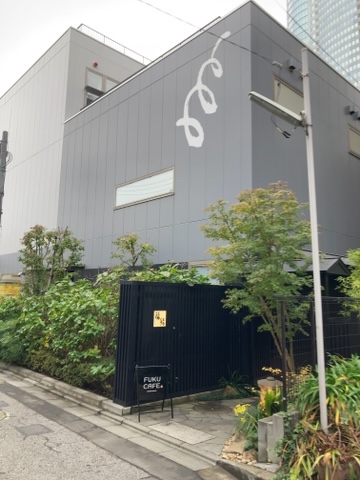
Complex665
Roppongi
A modern, purpose-built art building housing three of Tokyo's most influential contemporary galleries: ShugoArts, Taka Ishii Gallery, and Tomio Koyama Gallery.
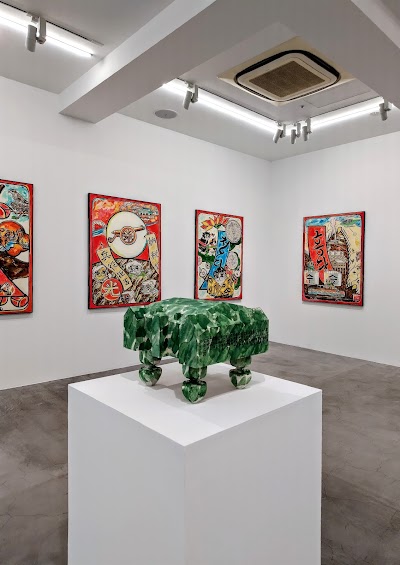
Ota Fine Arts
Roppongi
A pioneering gallery that has represented Yayoi Kusama for decades, alongside other influential contemporary artists from East and Southeast Asia.
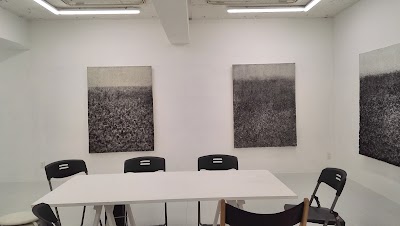
Tokyo Gallery + BTAP
Ginza
Established in 1950 as Tokyo's first contemporary art gallery, it was instrumental in introducing the Mono-ha and Gutai art movements to the world.
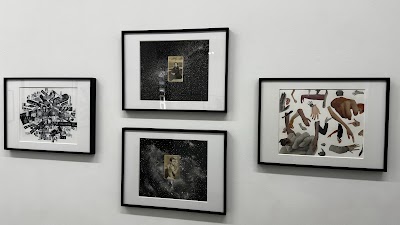
Zen Foto Gallery
Roppongi
A specialized gallery focusing on contemporary Asian photography, showcasing raw, provocative, and documentary-style works.
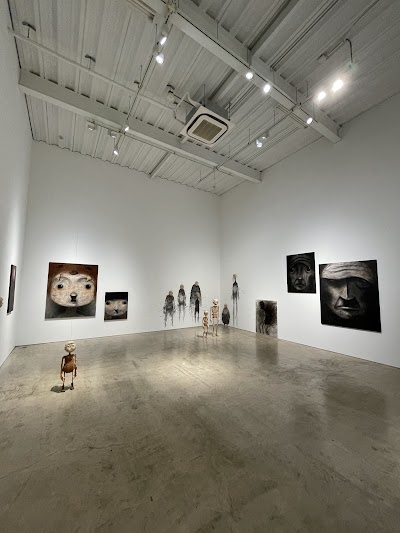
Mizuma Art Gallery
Ichigaya
Showcases highly unique, often provocative contemporary Japanese and Asian artists who blend traditional techniques with modern themes.
Book ahead
Top-rated experiences in Tokyo

Tokyo Private Discovery Tour | Unique Insights & Must Sees
from $132

Private Tailor-made Akihabara Anime Tour with a Local Otaku Guide
from $129

Pixel Lab Tokyo: Gameboy Mod Workshop (Classic/Advance/SP)
from $312

Samurai Experience - Learn Bushido through Kendo, in Tokyo
from $129

Experience all of Japanese culture and Japanese food experience classes "origami, udon, Japanese food, green tea, calligraphy" in 4 hours
from $90

Cozy Tokyo Class: Ramen, Sushi, Sake Pairing & Cultural Exchange
from $129

Harajuku Meiji Shrine Walking Tour in Tokyo
from $20

Chill Out in Tokyo: Personalized Private Tours with Local Friends
from $103
Prices from Viator; we may earn a commission when you book — at no extra cost to you. Tours are sold and operated by Viator, the merchant of record. Ratings are collected by Viator and Tripadvisor.
Timing
When to visit
Spring
Late March to April brings cherry blossoms. The city parks are crowded with locals hosting hanami (flower-viewing) picnics, and accommodation prices peak.
Summer
June to August is hot, humid, and wet. It is the season for spectacular fireworks displays along the Sumida River and lively neighborhood festivals, though the heat can be draining.
Autumn
September to November offers crisp air and brilliant red maple foliage. Crowds are more manageable than in spring, making this the most comfortable season for walking.
Winter
December to February is cold and dry. The city is illuminated with elaborate light displays, and clear days offer the best chances of spotting Mount Fuji on the horizon.
What it costs
Budgeting
Logistics
Getting around
From the airport
From Haneda Airport, the Tokyo Monorail connects to Hamamatsucho Station in under 15 minutes, while the Keikyu Line runs directly to Shinagawa. From Narita Airport, the Keisei Skyliner reaches Ueno in 41 minutes, and the JR Narita Express connects to Tokyo Station in roughly an hour.
Public transit
The rail network is incredibly efficient, split primarily between Tokyo Metro, Toei Subway, and East Japan Railway (JR). The circular JR Yamanote Line connects major hubs like Shinjuku, Shibuya, and Tokyo Station.
Passes & tickets
Prepaid IC cards (Suica or Pasmo) are essential for seamless travel and can be loaded onto digital wallets. The Tokyo Subway Ticket offers unlimited rides on Metro and Toei lines for 24, 48, or 72 hours within the €-€€ price band.
On foot
While individual neighborhoods are highly walkable and rewarding to explore on foot, the sheer scale of the city makes walking between major districts impractical.
Travel smart
Safety & etiquette
Local etiquette
- •Never tip in restaurants, taxis, or hotels; excellent service is considered the standard.
- •Do not walk while eating or drinking; consume your food near the stall or vending machine where you purchased it.
- •Always stand on the designated side of escalators and let others pass on the opposite side.
- •Keep your phone on silent mode and avoid making voice calls while on public trains.
From the ground
Practical tips
1
Add a digital Suica or Pasmo card to your phone's digital wallet before you arrive for seamless transit taps.
2
Rent a pocket Wi-Fi device or purchase an eSIM at the airport to ensure reliable navigation through the city's complex streets.
3
Avoid riding the subway during the morning rush hour between 8:00 AM and 9:00 AM when trains are intensely crowded.
4
Use luggage forwarding services (Takkyubin) to send your heavy bags directly between airports and hotels.
5
Look up when searching for restaurants; many of Tokyo's best dining spots are located on the upper floors or basements of nondescript buildings.
6
Carry a small hand towel or handkerchief, as many public restrooms do not provide paper towels or hand dryers.
Tokyo FAQs
Do I need to carry cash in Tokyo?
Yes, while credit cards and digital IC cards are widely accepted, many traditional ramen shops, temple stalls, and small bars still only accept cash.
Is Tokyo easy to navigate for non-Japanese speakers?
Yes, all major transit stations, street signs, and ticket machines have clear English translations, and translation apps are highly effective for menus.
How do I handle trash disposal in the city?
Public trash cans are rare. You should carry your trash with you until you return to your hotel, or use the recycling bins located next to drink vending machines.
Should I buy a Japan Rail (JR) Pass?
Only if you plan to take multiple long-distance Shinkansen (bullet train) trips to other regions; for travel solely within Tokyo, a local IC card is much more economical.
How far in advance do I need to book high-end restaurants?
Many of Tokyo's top sushi and fine-dining spots require reservations one to three months in advance, often secured through hotel concierges or specialized online booking platforms.