Walk into Tsukiji's outer market at nine in the evening and you find a version of Tokyo that refuses to fully quiet down — vendors hosing down their stalls, a queue for sashimi still forming outside a stand with its shutters half lowered, and somewhere among the blade-smiths, the steady rasp of steel drawn across a wet stone. The tuna auction that made this district famous left for Toyosu Market in 2018, and it happens before sunrise, not at midnight, whatever the postcards still imply. What Tsukiji's outer lanes kept is the part of that old ritual you can actually walk into after dark: knife shops that will sharpen a working chef's blade while he waits, and a handful of counters that never really close at all.
The Real Timeline: Toyosu at Dawn, Tsukiji After Dark
Here's the honest version, because it changes how you should plan the night. Toyosu Market Tuna Auction (Observation Deck), Toyosu — the wholesale tuna auction Tsukiji was famous for relocated three kilometres east to Toyosu Market in 2018, and it is not a midnight spectacle. The bidding runs roughly 5:30 to 6:30am, the free upper-floor gallery opens at 5am, and there's no booking needed for the gallery — arrive early and you're in, whatever the size of your group. The closer lower-deck viewing floor, the one that puts you within earshot of the bell, needs a monthly online lottery applied for well ahead; it caps at around a hundred people a morning, so don't count on it for a spontaneous trip. The market is closed every Sunday and some Wednesdays, following the Tokyo Central Wholesale Market's own calendar, so check the specific date before you set an alarm for 4:30am. It's free either way, and no one checks a ticket at the door.
Frame the night as building toward this pre-dawn hour rather than a literal midnight event, and the evening makes more sense: eat and browse blades in Tsukiji's outer lanes until late, then either sleep a short stretch or push through until the gallery opens.
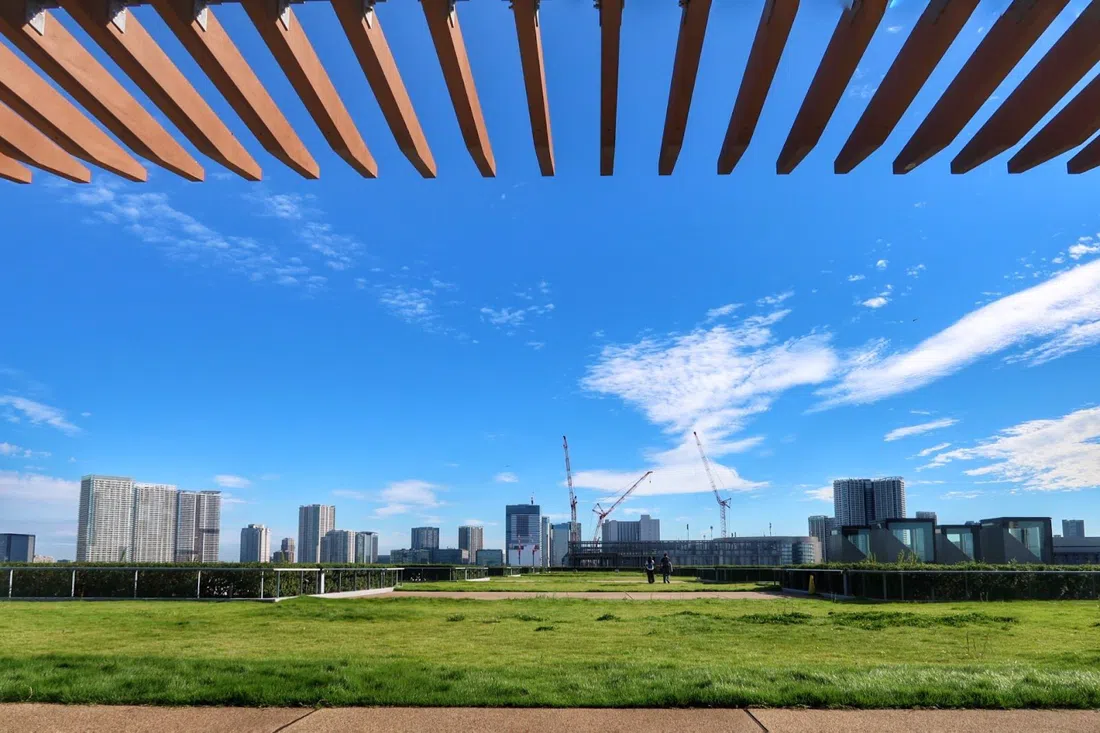
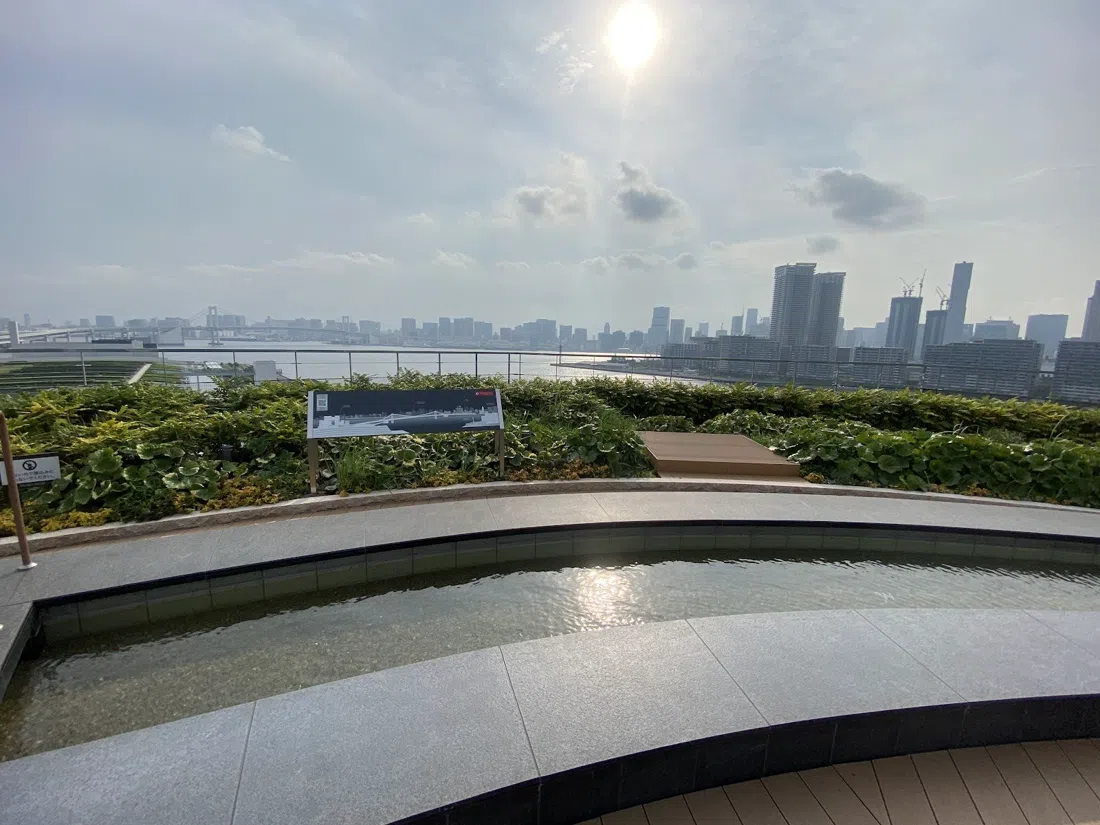
Toyosu Market Rooftop Green Plaza, Toyosu is the free move for anyone treating this as a proper night out rather than a dawn errand: open access, no charge, open until 11pm, with a lawn that looks straight down onto the building where that auction happens a few hours later. It's an easy, unhurried spot for a group of any size to sit outside after dinner, watch the market lights below, and decide whether tonight is the night to stay up for the bidding.
If you want the after-dark experience with an actual amenity attached, Toyosu Senkyaku Banrai & Manyo Club Onsen, Toyosu is a genuine 24-hour onsen a short walk from the market, with a night skyline view from the baths and a separate admission for the bathing floor — roughly ¥2,900, with a surcharge after 3am. It's built for groups: soak, nap in the lounge chairs, then walk over to the observation deck at 5am without ever going home. For couples or solo travellers doing the full all-nighter, it's the difference between watching the sun come up bleary in a convenience store doorway and watching it come up clean, having actually rested.
Where the Knives Are Still Sharpened by Hand
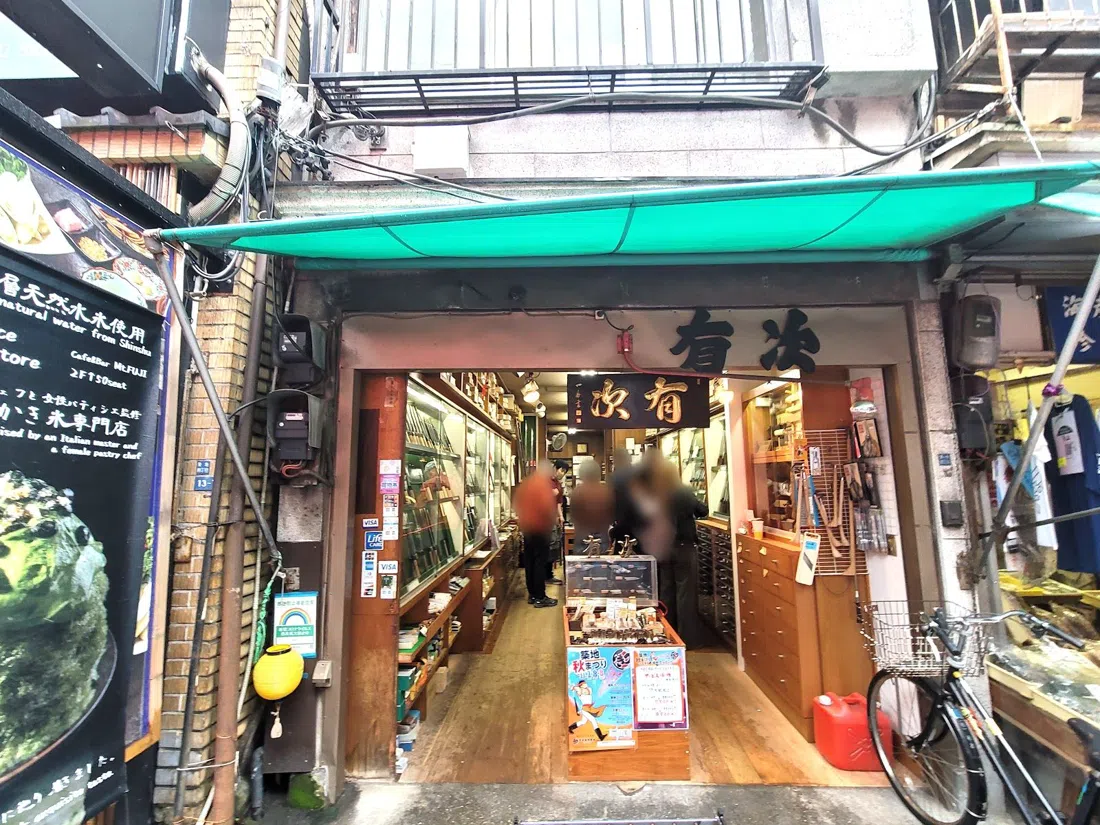
Tsukiji's outer market never lost its blade-smiths, and this is the part of the old ritual you can genuinely watch after dark, up close, no lottery required.
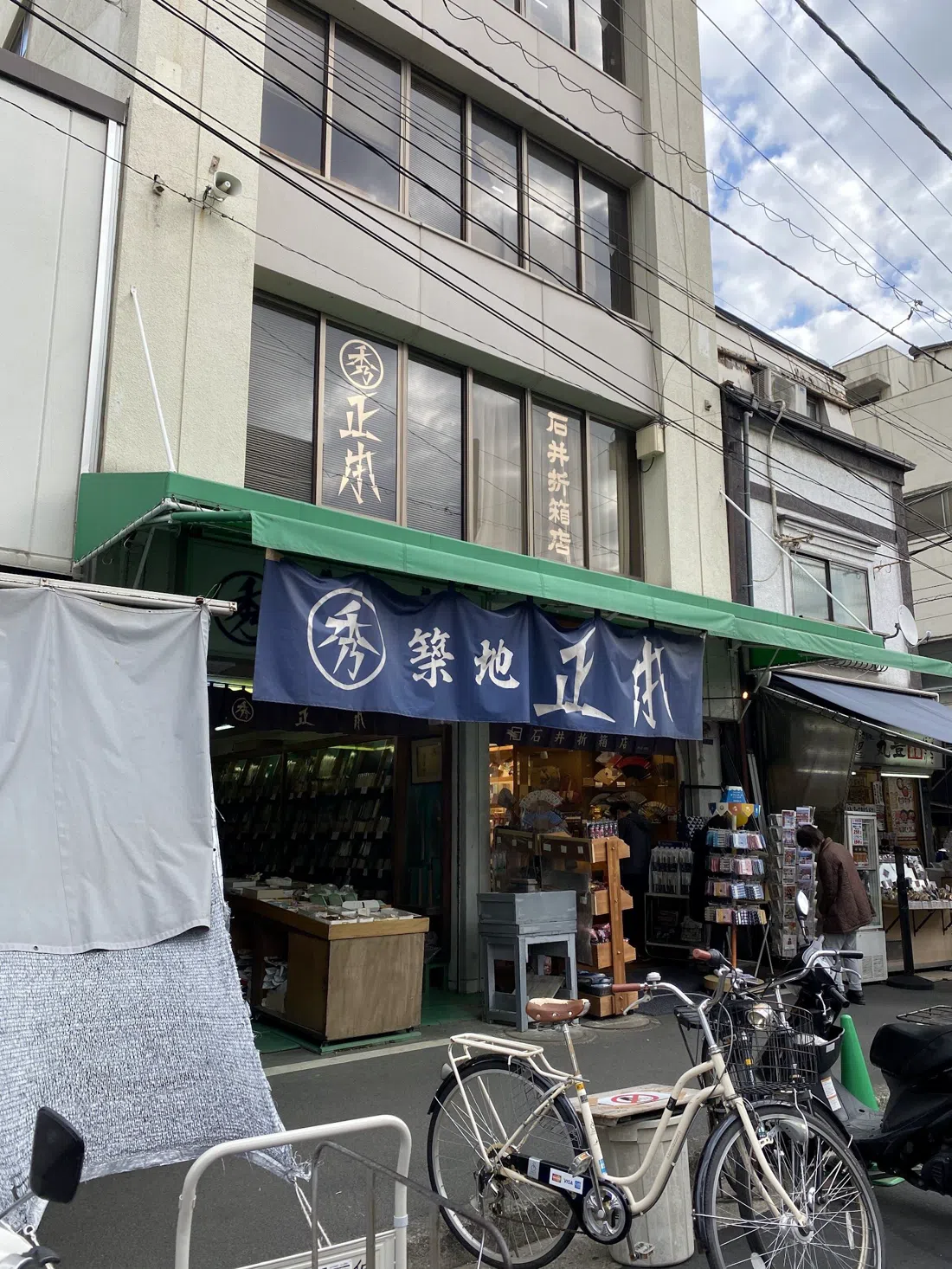
Tsukiji Masamoto, Tsukiji is the shop most Tokyo chefs mean when they say they're going to get a knife looked at. It's small — a browse or a sharpening demo suits two to four people, not a tour group — and more than 80% of its customers are working chefs, which tells you exactly what the counter is for. Knives start around ¥15,000. It keeps market hours, open pre-dawn through mid-afternoon and closed Sundays, so this is a stop for the tail end of a night out or the start of an early one, not a 9pm browse.
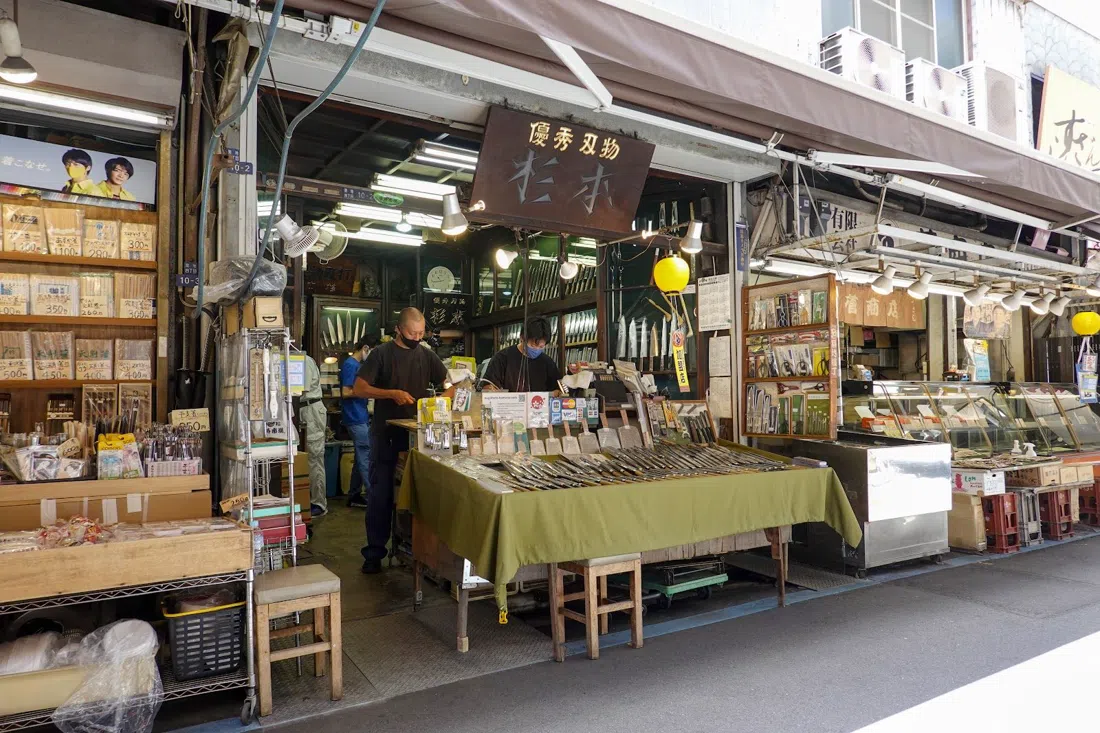
A few doors down, Sugimoto Hamono, Tsukiji traces its craft back to a samurai-sword-making lineage that turned its hand to sushi knives generations ago, and the smiths still sharpen daily by hand. It's a small shop that's genuinely welcoming to small groups rather than just tolerating them, and worth the stop if Masamoto is busy or already shuttered for the day.
Tsukiji Aritsugu, Tsukiji is the third option, the Tsukiji branch of a storied, Kyoto-rooted blade house, fine for a pair or a small group to duck into. Between the three, you're not really choosing a winner so much as deciding which counter has room when you arrive; all three sharpen and sell at a similarly serious level, and none of them are set up for a big group crowding the doorway while a chef is trying to check an edge.
If you'd rather do more than watch, Tsukiji Sushi Workshop, Tsukiji runs a small-group class — beginner-friendly, taught in English, bookable through Klook or Viator — that puts a knife and a fish in your hands instead of a stranger's. A class plus lunch runs roughly ¥8,000 to ¥12,000. It's the one stop on this list where you leave with the skill rather than just the story, and it's the natural answer if watching the blade-smiths at work leaves you wanting to try it yourself before you fly home.
Eating Through the Night in the Outer Market
The market's food side is where after dark stops being a euphemism for before dawn — these are genuinely evening options, not dawn ones.
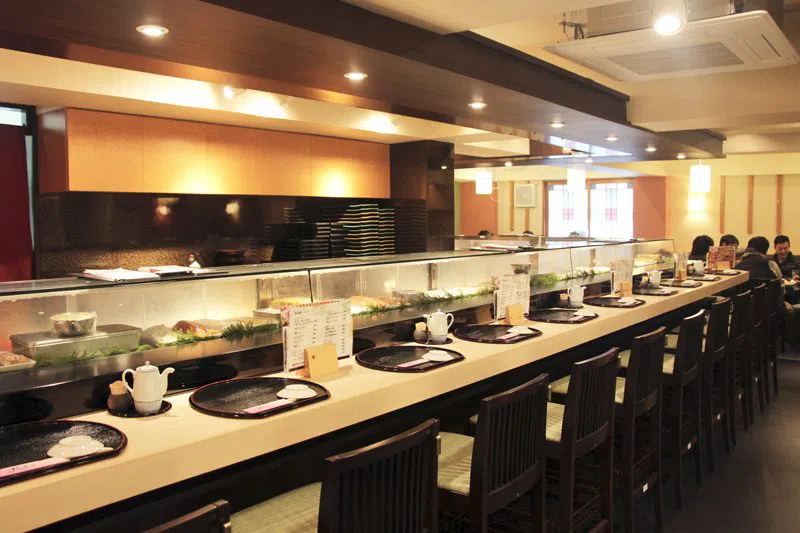
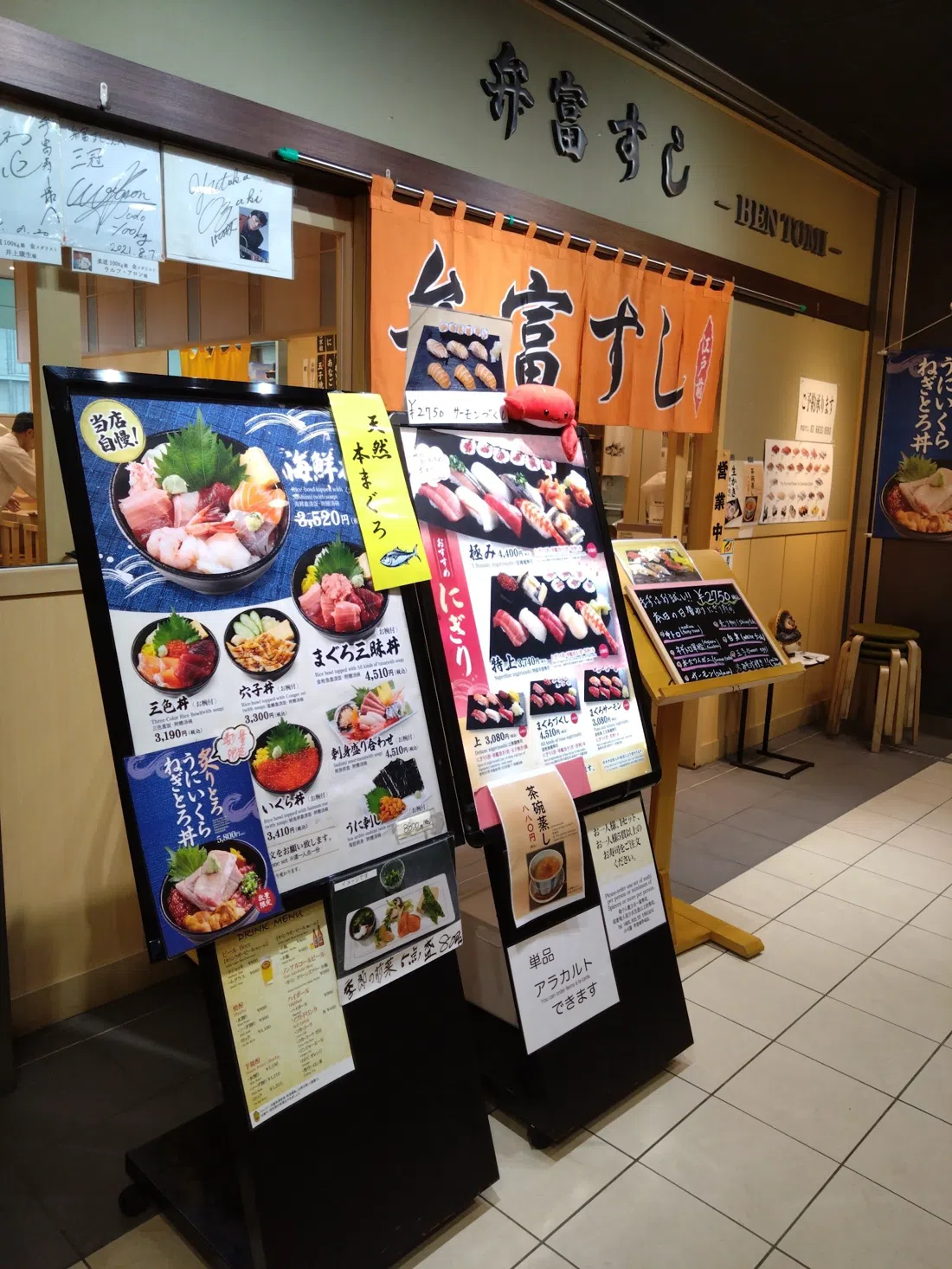
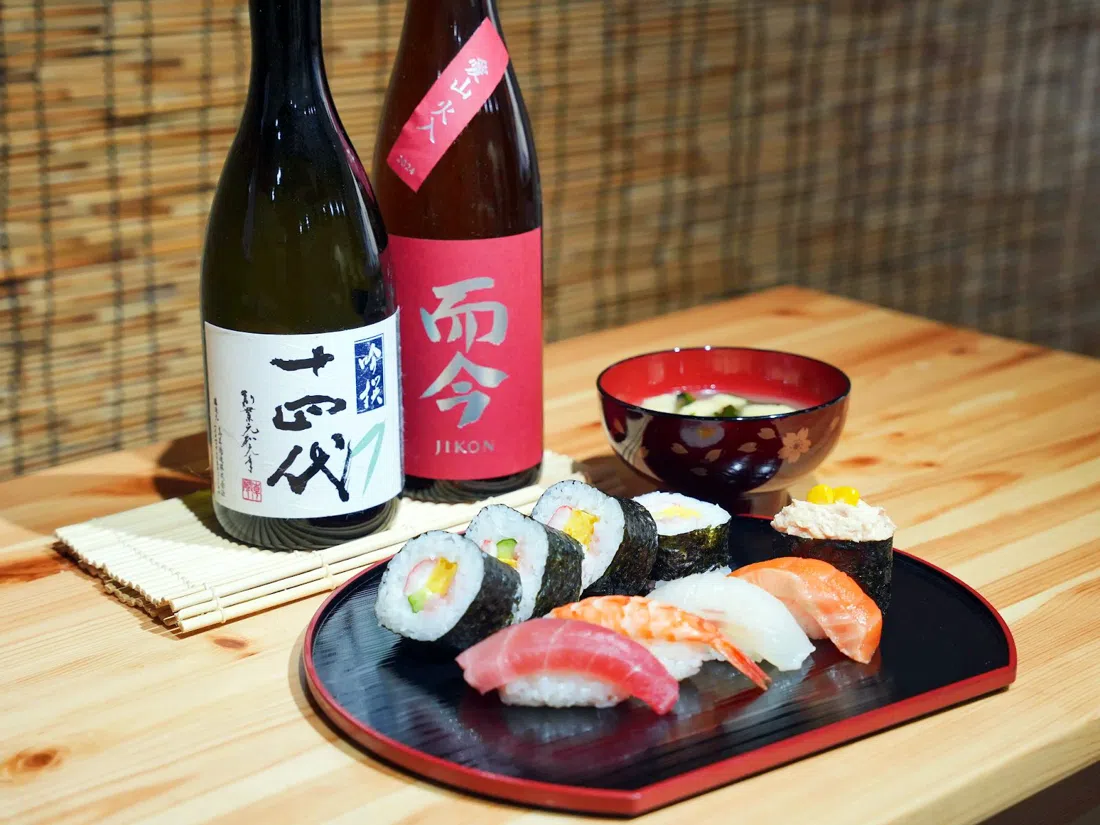
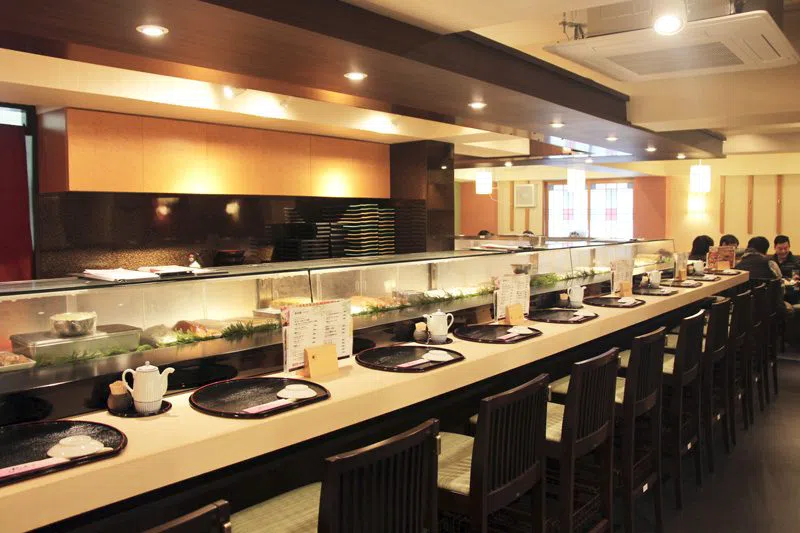
Tsukiji Kiyomura Sushizanmai (Honten), Tsukiji is the anchor of the whole night: a large, multi-floor sushi restaurant that's been open 24 hours since 2001, right where the market's lights never really go out. It takes walk-ins and groups without fuss, runs an English menu, and prices nigiri sets from around ¥2,000 to ¥6,000, a real spread depending on how far up the tuna grades you go. This is the place to sit down at 11pm, or at 4am on the way to Toyosu, and know the kitchen will be running either way.
For something with an actual evening service rather than round-the-clock convenience, Takeno, Tsukiji is one of the few spots in the outer market genuinely open into the night, weekdays to 9pm, with online reservations and upstairs seating that suits a small group better than a couples' counter would. Sashimi platters start at ¥1,250. It's family-run, which shows in the pacing: expect a proper sit-down meal, not a grab-and-go plate.
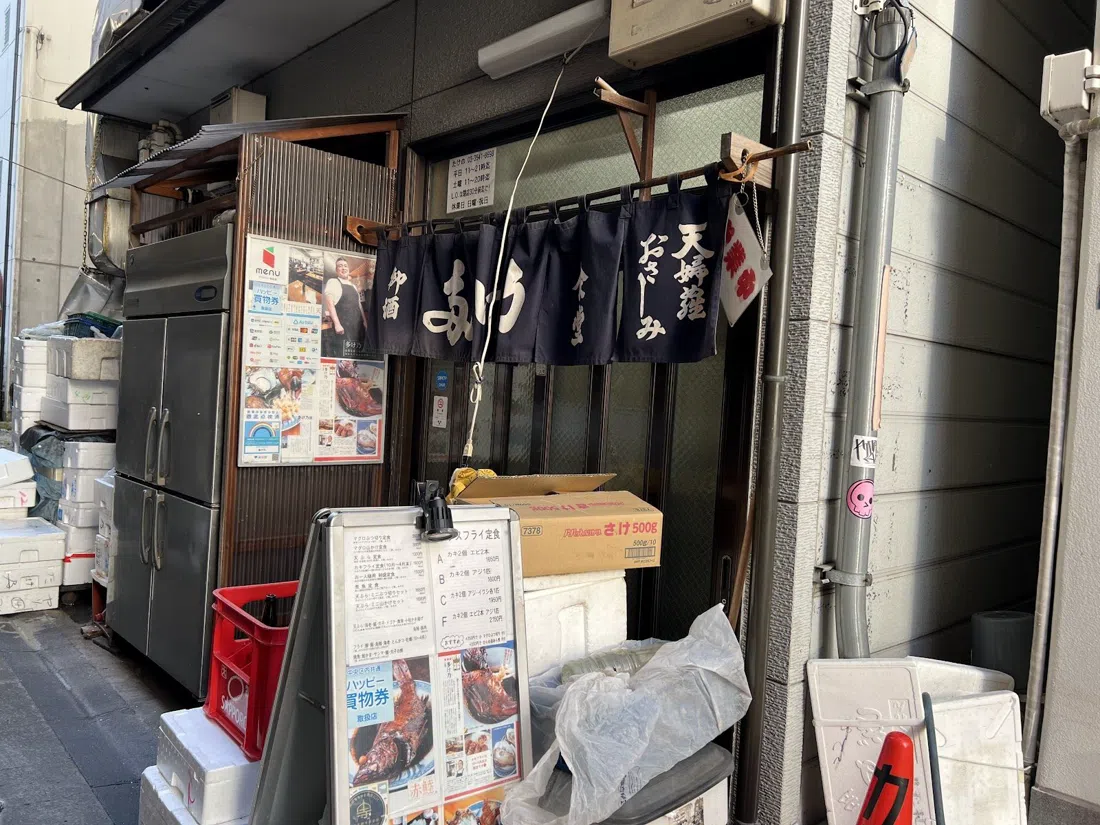
Kaisendon Marukita (2nd Branch), Tsukiji keeps izakaya hours, roughly 3pm to 11pm, with casual counter seating that works fine for a small group splitting a few bowls between them. A kaisendon starts at ¥1,000; the omakase-don, at ¥2,500, is the better order if you want the chef choosing the day's best cuts rather than picking blind off a laminated menu.
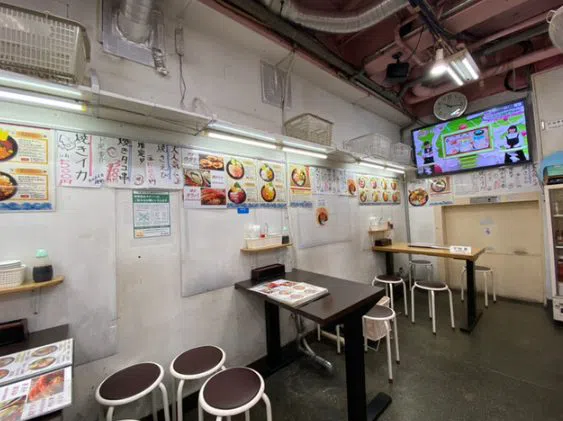
And for a group that wants to wander and order separately rather than commit to one table, Uogashi Yokocho, Tsukiji is the indoor food arcade at the heart of the outer market, dozens of small independent counters, open roughly 7am to 10pm, built for exactly this kind of grazing. Split up, order different things, meet back at the entrance twenty minutes later. It's the easiest base in the market for a group with different appetites and different budgets.
Getting There, Cash, Timing, and Budget
Transport. Tsukiji Station (Hibiya Line) or Tsukijishijo Station (Oedo Line) put you in the outer market directly. Toyosu Market has its own station on the Yurikamome line, and the walk from Tsukiji to Toyosu takes roughly 30 to 40 minutes on foot, or a short taxi if you're doing the all-nighter and don't want to burn the walk on tired legs. Trains stop running around midnight and restart near 5am, so anyone staying up through the auction should plan on a taxi or the onsen's lounge chairs to bridge that gap, not a night bus timed to nothing.
Cash. Bring some. The knife shops and smaller izakaya counters still lean cash-heavy in 2026, and while the bigger restaurants and the onsen take cards, a market built on quick transactions between vendors moves faster with yen already in hand.
Timing. Check the Toyosu Market calendar before you commit to a 4:30am alarm — it's closed Sundays and some Wednesdays, and turning up to a shuttered gallery is a poor way to end a night without sleep. If you're doing the full arc — dinner in the outer market, a knife shop before it closes mid-afternoon or first thing, the onsen, then the observation deck — start the evening early enough that the blade-smiths are still open before they shut for the day.
Budget. A realistic night runs from free (the observation deck and the rooftop plaza cost nothing) to a few thousand yen for a kaisendon, up to ¥15,000 or more if you walk out of a knife shop with something you'll use for the next twenty years. The Tokyo hotel search is worth doing before you plan the all-nighter — a bed within walking distance of Tsukiji or a stop on the Yurikamome line saves you the taxi fare both ways. For everything else around this one night, the Tokyo guide has the wider picture.