The Tokyo issue
Crossing Owakudani by Ropeway on a November Day from Tokyo
What the November ride over Owakudani is like, and what runs instead when volcanic gas shuts the line. The stops below the cable car are worth the afternoon either way.

By Lukas BrandtTokyo on foot, timed to the temple gates

There is a free hot-spring foot bath on the second floor of Sōunzan (早雲山), the lower station of the ropeway. It is open from 9:00 to 16:00 and costs nothing. The bigger November question is whether the ropeway is running at all, because wind and volcanic gas close it and put you on a replacement bus.
Starting at Sōunzan
From Hakone-Yumoto, the Hakone Tozan Railway takes about 40 minutes to Gōra. The cable car up to Sōunzan takes another 10 minutes. cu-mo箱根 is the terrace, counter and foot bath on the second floor of that station.

The terrace is open every day from 9:00 to 16:45. You look straight down on the rooftops of Gōra, with the Hakone outer-rim mountains behind them. The giant 大 character is burnt into the mountainside opposite. On a clear day you can see Sagami Bay and the Miura peninsula, and sometimes a sea of cloud sitting below you. Food and drink is served from 10:00 to 16:00, and the ニューベル pastry comes in three flavours at ¥860.
Go up early. If you leave the crossing over Owakudani until mid-afternoon, the foot bath will be shut by the time you come back down. In cold weather that foot bath is the part of Sōunzan worth 30 minutes.
Plan your Tokyo trip
Live prices from our booking partners.
Free cancellation on many rooms. We may earn a commission when you book.
When the gas closes the line
If the main line is shut for gas or running replacement buses, the one real substitute is the Hakone Komagatake Ropeway (箱根 駒ヶ岳ロープウェー). It starts at Hakone-en, on the far side of Lake Ashi. Cars leave at :00, :20 and :40, the first up at 9:00 and the last down at 16:50. The ride takes about seven minutes and a round trip is ¥2,200 for adults, ¥1,100 for primary-school children. The summit is bare and windswept, with the lake below and Mt Fuji across it.
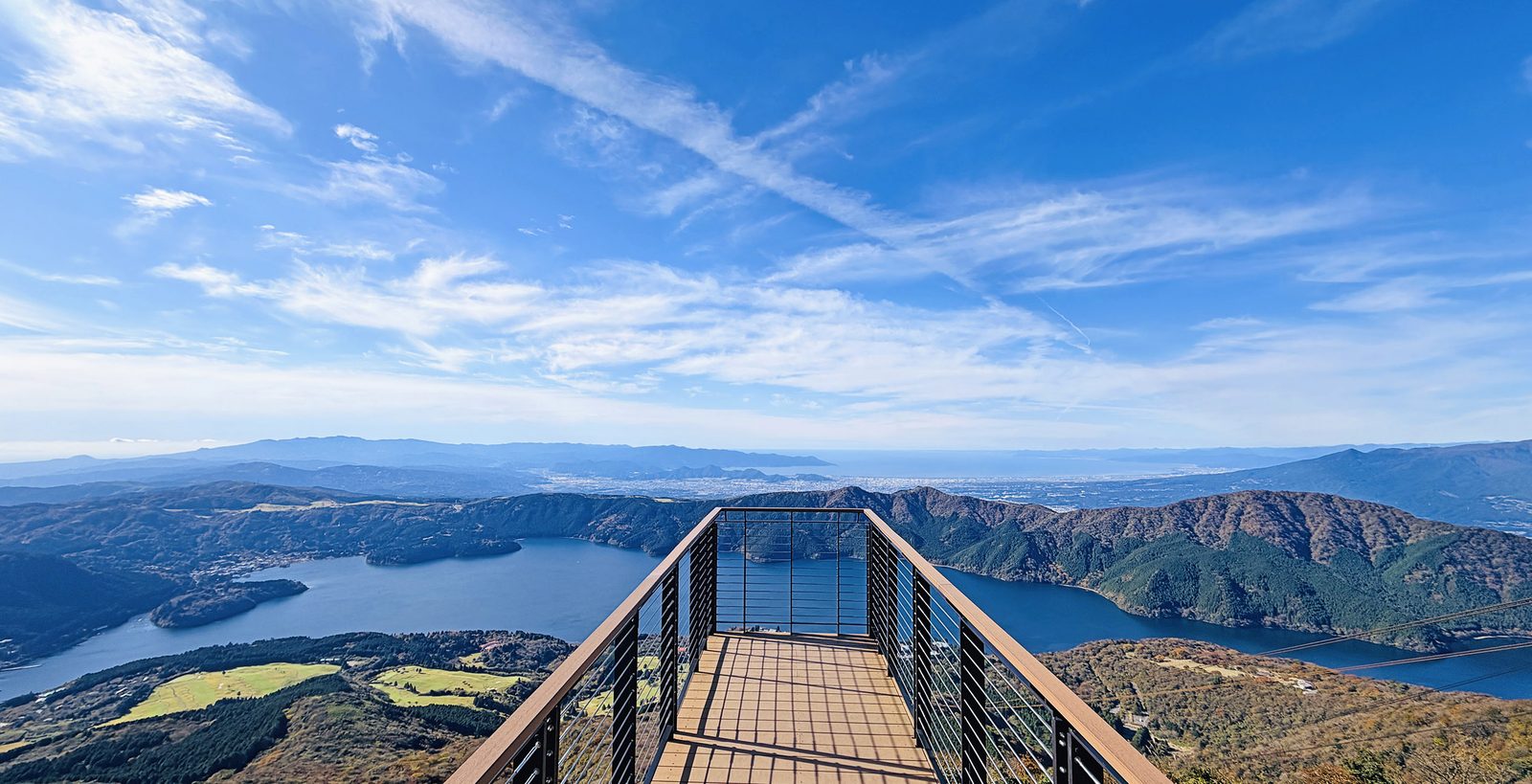
Getting there is the catch. It is about 1 hour 5 minutes by Izuhakone Bus from Hakone-Yumoto, on the opposite shore from the main ropeway loop. If you have a second Hakone day, take it. On one rushed day trip from the city, don't bother. When wind or thunder stops these cars too, the aquarium at Hakone-en is what's left.
Maples below the cable car
The Hakone Museum of Art (箱根美術館) is two cable-car stops below the ropeway terminal, at 公園上, a minute or two from the platform. It reopened on 30 October. The garden is the reason to stop, not the Japanese ceramics indoors. Moss grows thick under the maples, and the inner garden, normally closed, is open to visitors until 22 December.
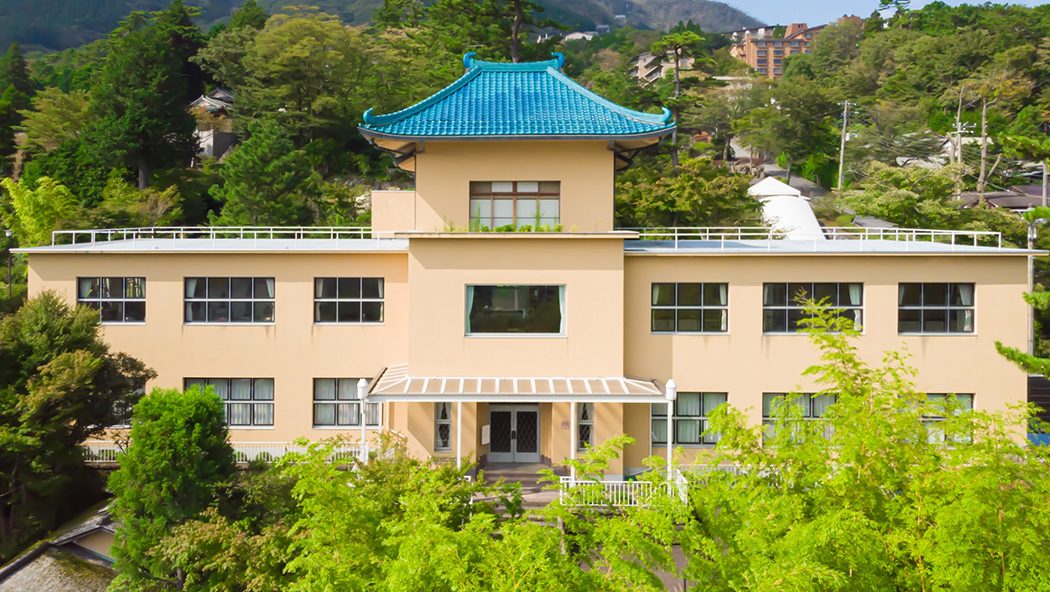
Adults pay ¥1,000 until then and ¥1,500 from 23 December. It opens at 9:30 and closes at 16:30 to the end of November, then at 16:00 through the winter. The tea house serves matcha and seasonal sweets, looking out onto the moss. From December it shuts on Thursdays.
Sculpture park lights after 16:00
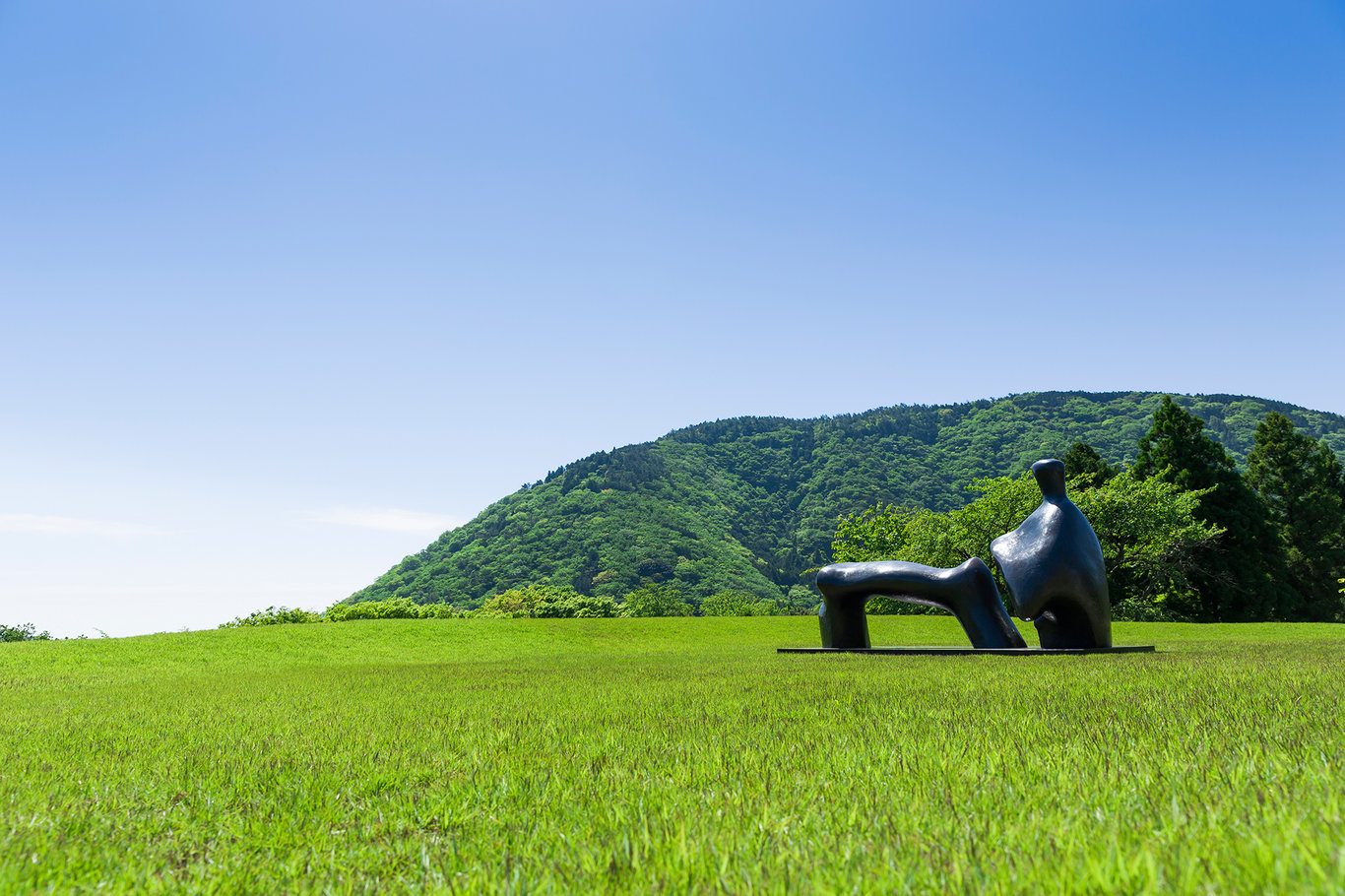
The Hakone Open-Air Museum (彫刻の森美術館) is one stop before Gōra on the Tozan railway, so it fits into the same day as the ropeway. It is open 9:00 to 17:00 every day of the year, last entry 16:30. Adults pay ¥2,000 and primary and junior-high children ¥800, and web tickets cost less. You can climb inside Gabriel Loire's 18-metre stained-glass tower, and there is another free hot-spring foot bath out among the sculptures.
From 28 November until 11 January a light work called atmos plays across the square by that foot bath and the museum café. You can only see it from about 16:00 until closing, so go in through the gate by 16:30 and stay to the end. The whole site is outdoors. In heavy rain, or one of the cold snaps Hakone gets in late November, the ticket is not worth much.
Indoors at Sengokuhara
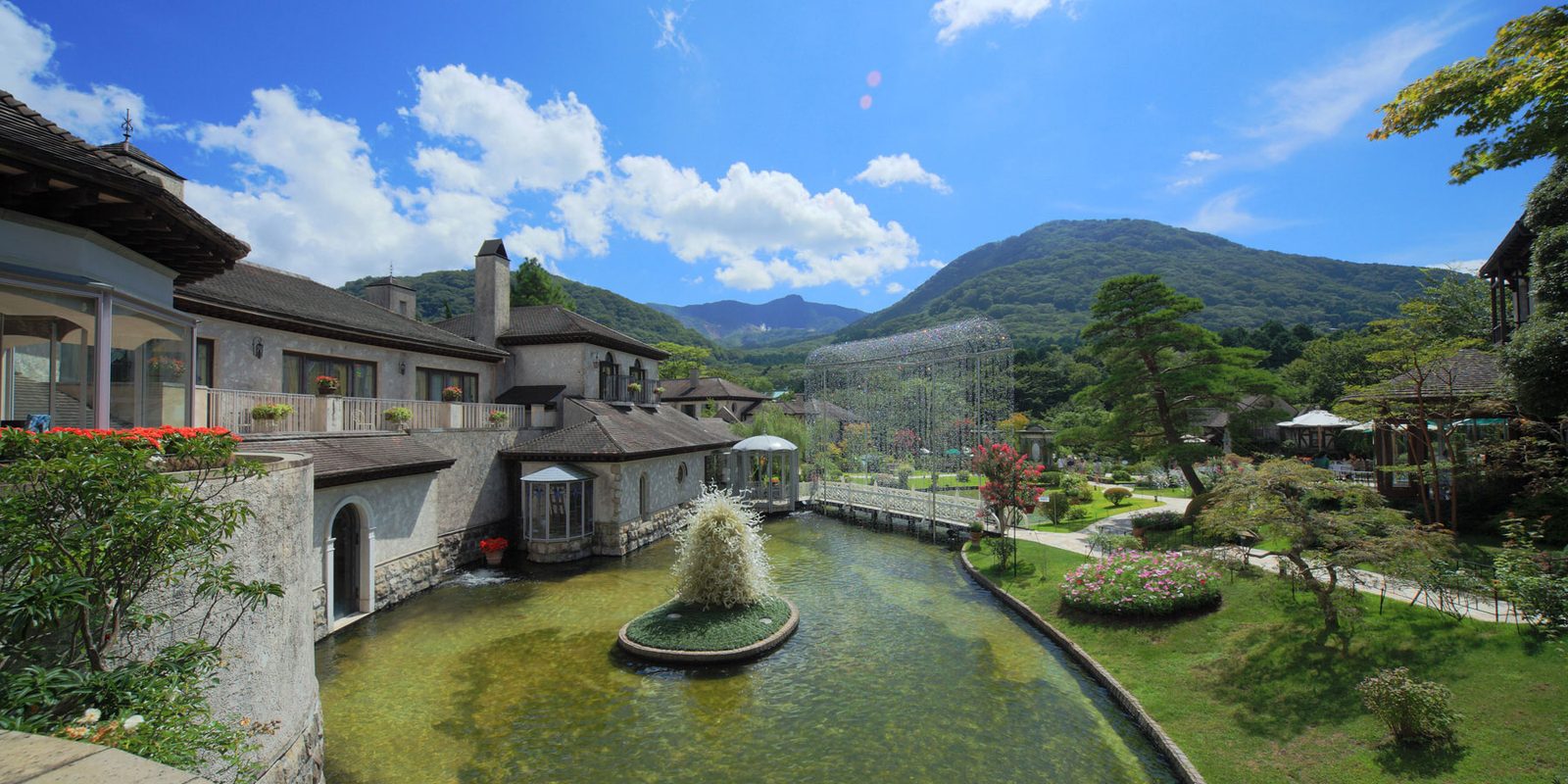
The Hakone Venetian Glass Museum (箱根ガラスの森美術館) is over on the Sengokuhara side. From 1 November until 11 January a 10-metre fir tree made of crystal glass stands in its garden. It flares white in the sun and is lit after dark, which works here because the museum stays open until 17:30, later than anything else nearby, with last entry at 17:00. Adults pay ¥1,800 and children of primary and junior-high age ¥600. The café has a terrace over the garden and live music every day. The bus from Hakone-Yumoto takes about 22 minutes to the 俵石・箱根ガラスの森前 stop. There is a temporary closure in winter, so check before you go.
The Pola Museum of Art (ポーラ美術館) is the other wet-weather call. It is a glass-walled building sunk into beech woods, so only one low storey shows above the trees. A free shuttle bus runs from Gōra station, the same interchange you use for the cable car. It opens 9:00 to 17:00 daily, with last admission at 16:30, and adults pay ¥2,200. A Monet exhibition runs until 7 April 2027, showing the museum's own Monets alongside contemporary work, and it carries on outside the galleries onto the woodland trail. The museum is closed on 1 December, with some rooms shut on 2 and 3 December.

Tour or trains
A full-day bus tour out of Tokyo covers Hakone seven days a week and does the planning for you. The operator confirms each booking by hand, though, and that can take up to 48 hours, so it is no good as a last-minute decision. Go independently and you pay at each gate as you arrive, and you can change the order when the weather turns. Either way you get your mountain day without hiring a car, and it will take the whole day.
Closed days and tickets
You can pay at the door everywhere here, but the closed days decide your order. The ceramics museum shuts on Thursdays once December starts, and Pola is closed on 1 December. Check the ropeway's running status before you commit to the trip up from Gōra. For the rest of the trip, see the Tokyo guide and the Tokyo hotel search.
Before you go
Will the Hakone Ropeway be running when I go in November?
Not always. Wind and volcanic gas can stop the cars, and the line runs replacement buses when that happens. Check the running status before you make the trip up from Gōra, and keep the Hakone Komagatake Ropeway on the far side of Lake Ashi in reserve.
What time of day should I ride it?
Early. The free foot bath at the lower station closes at 16:00 and the terrace there at 16:45, so an afternoon crossing means coming back down to a shut bench. Starting in the morning also leaves time for a museum stop on the way back.
How do I get to the bottom of the ropeway?
From Hakone-Yumoto, take the Hakone Tozan Railway about 40 minutes to Gōra, then the cable car about 10 minutes up to 早雲山. That station is the ropeway's lower terminal.
Is it better to book a tour or do it on my own?
A full-day bus tour from Tokyo runs every day of the week, but the operator confirms bookings manually and that can take up to 48 hours, so you cannot decide on the morning itself. Travelling independently, you buy tickets as you go and can reshuffle the day if the weather turns.
What is worth doing nearby if it rains or turns cold?
The Pola Museum of Art, reached by free shuttle from Gōra, is indoors and open 9:00 to 17:00 with last admission at 16:30, though it closes on 1 December. The Hakone Venetian Glass Museum stays open to 17:30. Leave the Open-Air Museum for a dry day, as it is almost entirely outdoors.