The Tokyo issue
Walking Koenji, Tokyo's vintage and live-house district
Vintage rails on Look, basement gigs under Koenji-minami and a 1933 bathhouse open to 01:30. Hours, prices and door rules for each.
By Lukas BrandtTokyo on foot, timed to the temple gates
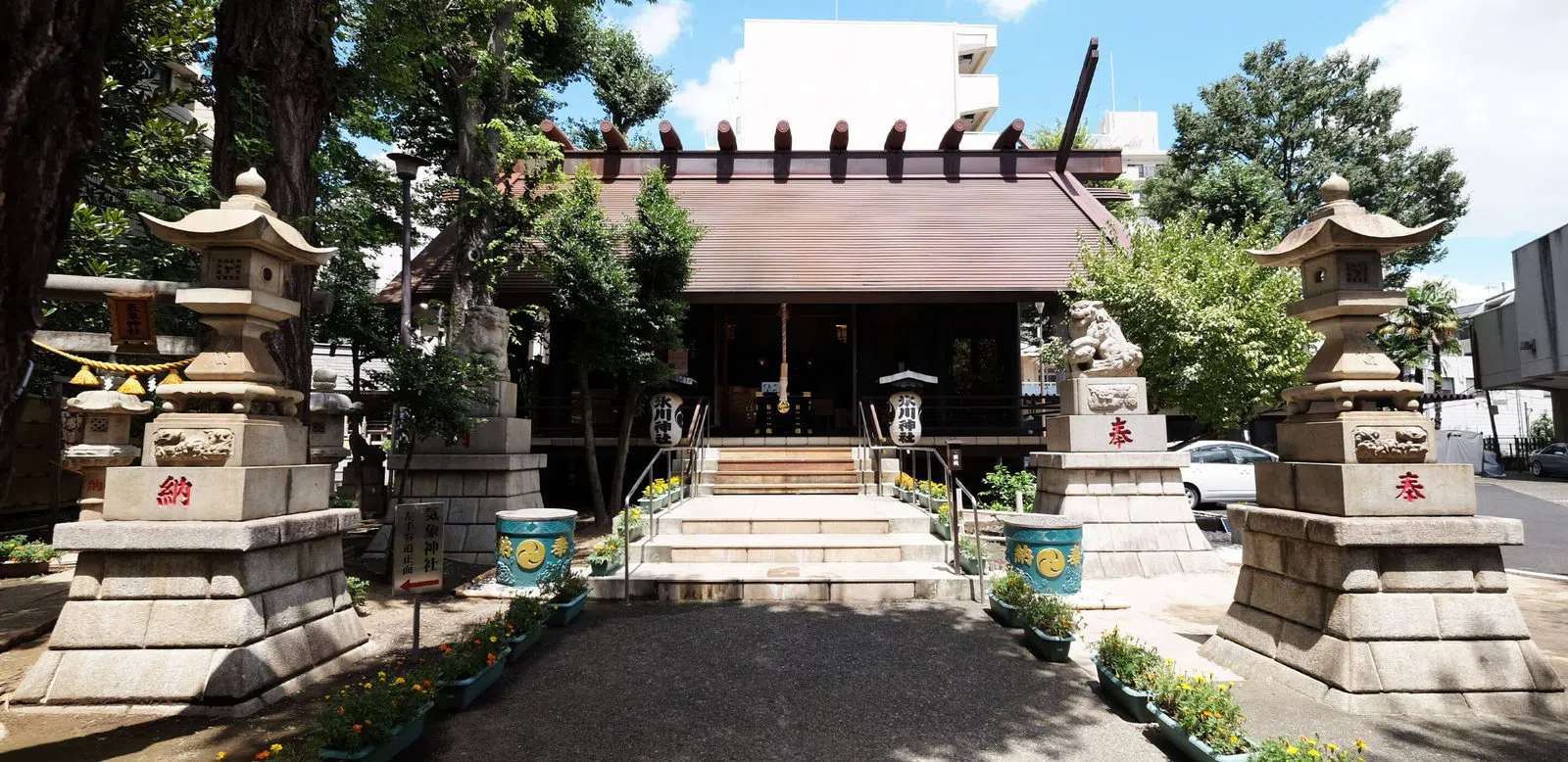
Koenji Look Shopping Street runs south from the station past 160 shopfronts, with vintage rails and shoe racks pushed out onto the pavement. Kosugiyu, a wooden bathhouse with a karahafu gable and a tall brick chimney, charges ¥600 and stays open to 01:30. The rails get busiest from early afternoon into the evening.
Hikawa Shrine and the temple that names the district
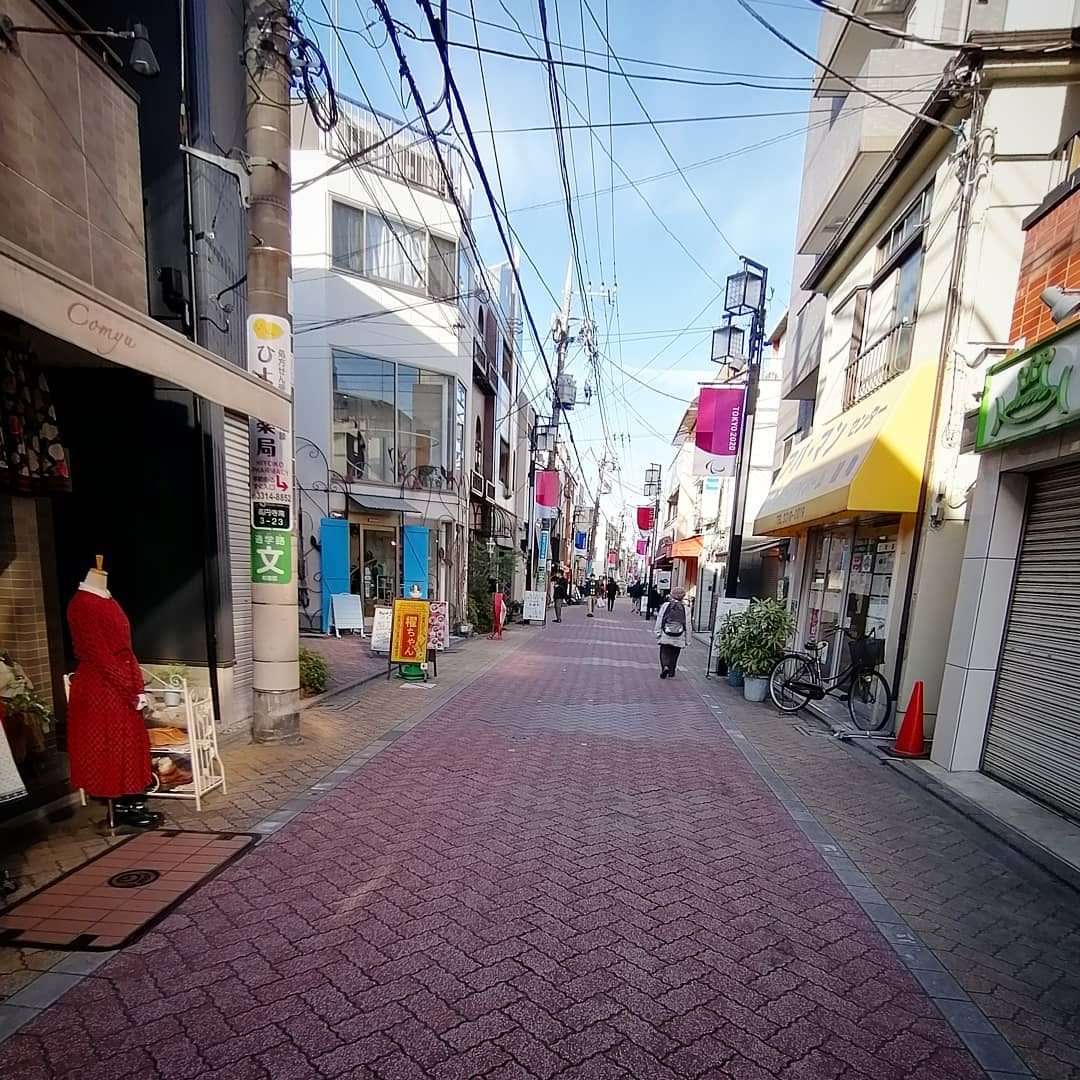
Koenji Hikawa Shrine is two minutes off the station, a wooded Shinto compound that also holds Kisho Jinja, Japan's only shrine to the weather god, moved here from the Imperial Army's meteorological service in 1948. Racks of wooden ema votive plaques cut in the shape of geta sandals fill the precinct, and white teru-teru-bozu rain dolls hang under the eaves.
The compound is free to enter, and omamori and geta ema cost ¥500 to ¥1,000. The weather festival is held every 1 June. Kisho Jinja itself is a tiny vermilion sub-shrine, so approach it in twos and threes. It is also a pilgrimage stop for 'Weathering With You' fans.
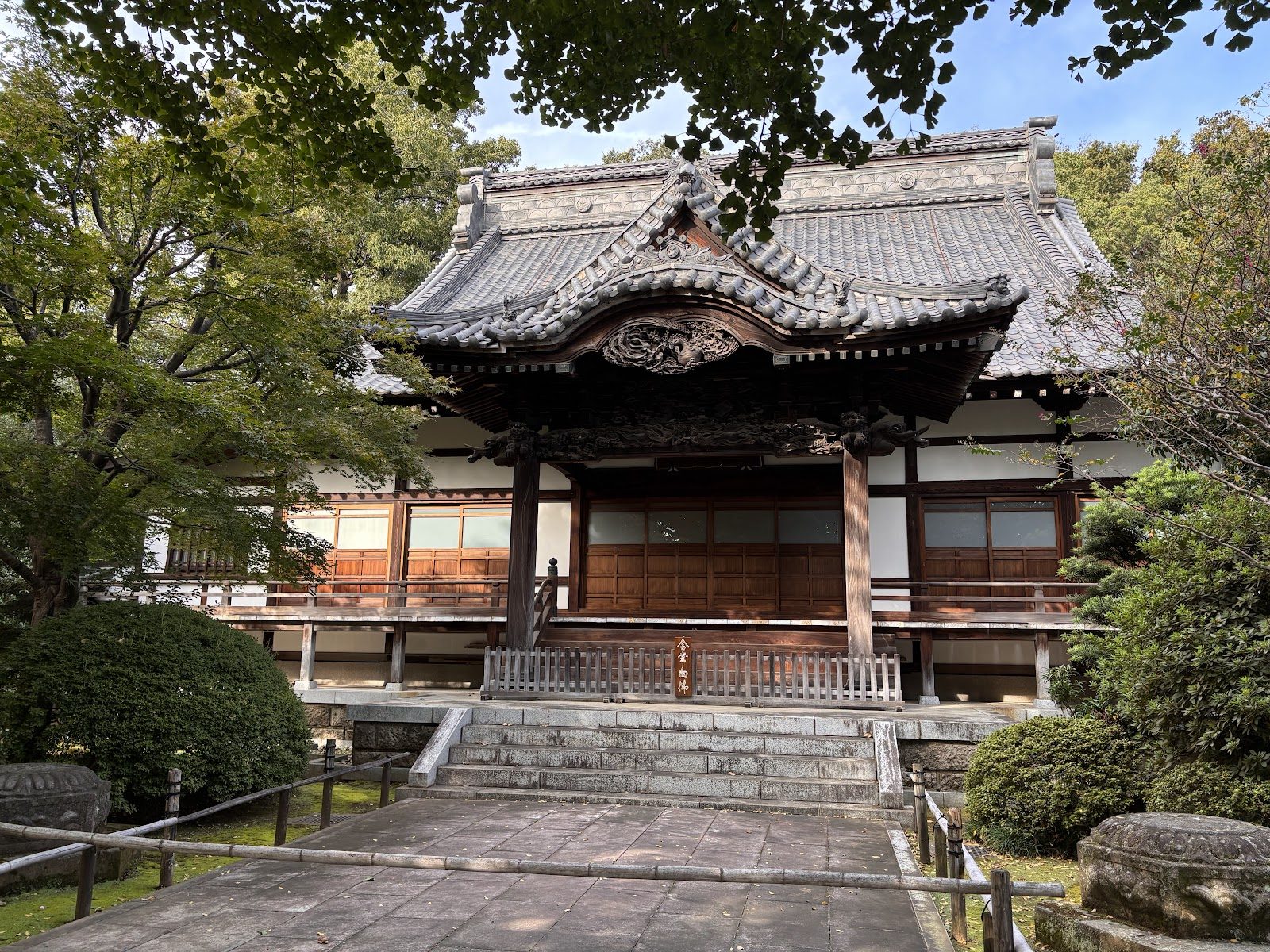
Shukuhozan Koenji (Koenji-minami) is the Soto Zen temple the whole district is named after, founded in 1555 and renamed on the orders of Shogun Tokugawa Iemitsu after his falconry visits to the village. A rare twin-dragon stone torii stands at the entrance, one dragon climbing and one descending, each carved spiralling round its pillar.
The maple-lined gravel approach turns red in late autumn. The grounds are free and open to walk-ins. This is a working temple with a graveyard, so keep your voice down. Myohoji is a further 10 to 15 minutes south, near Shin-Koenji, and its 1878 iron gate by the English architect Josiah Conder is a national Important Cultural Property.
Plan your Tokyo trip
Live prices from our booking partners.
Free cancellation on many rooms. We may earn a commission when you book.
Za-Koenji Public Theatre and the August Awa Odori
Pritzker Prize winner Toyo Ito built Za-Koenji Public Theatre as a matte-black concrete tent beside the Koenji-kita back streets, the roof carved into curving cones, round porthole windows scattered across it and lit from inside. It is the district's main arts venue.
Houses seat 100 to 230. Most tickets cost ¥2,000 to ¥5,000, and the lobby and basement café are open without one. The building has a dedicated Awaodori Hall, because Koenji's Awa Odori is the event the neighbourhood is built around. In 2026 it falls on 29 and 30 August, brings 10,000 dancers through the streets and is free to watch.
Look Shopping Street, Pal arcade and the Kitakore Building
Look is the densest secondhand-clothing run in Tokyo and the reason most shoppers come to Koenji at all. Hand-painted and neon signage stacks above head height along the narrow street, and pieces go for ¥1,000 to ¥10,000.
The street has no arcade roof. Pal, the 200m covered arcade it continues from, is the wet-weather option, and Pal now stages vintage fashion events of its own.
Kitakore Building (Koenji-kita 3-4-11) leans over the pavement, a pre-war two-storey block colonised by designers who hand-built every interior themselves. Garments hang floor to ceiling on scaffold poles, and a chai stand is wedged into the ground floor.
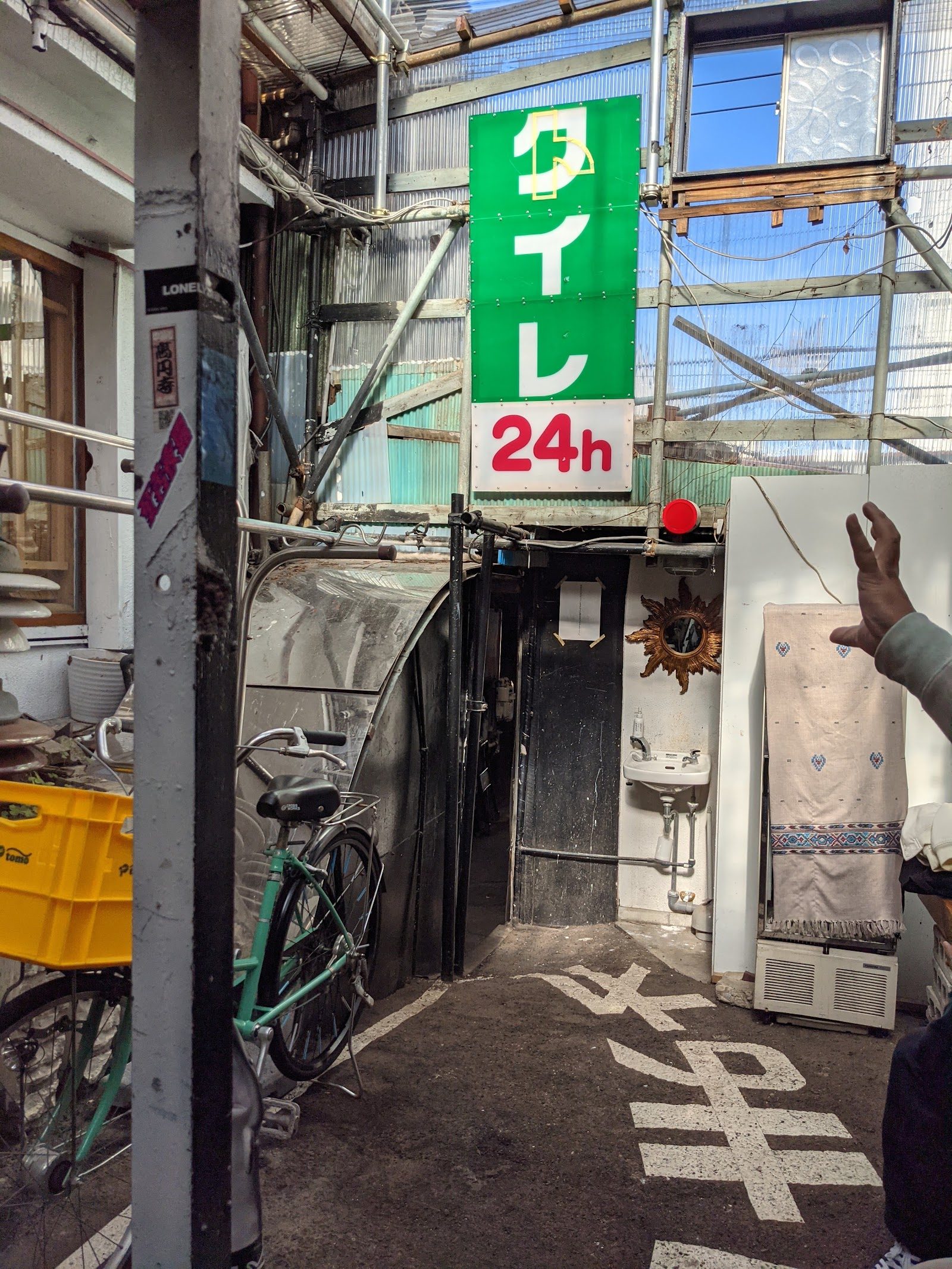
Hayatochiri's upcycled military and school-desk pieces drew Lady Gaga. Remade and archive pieces cost ¥5,000 to ¥30,000, and the stairs and rooms take a handful of people at a time. The building has looked one typhoon from collapse for years; see it while it stands.
Junjo Shotengai and coffee at Poem MANO A MANO
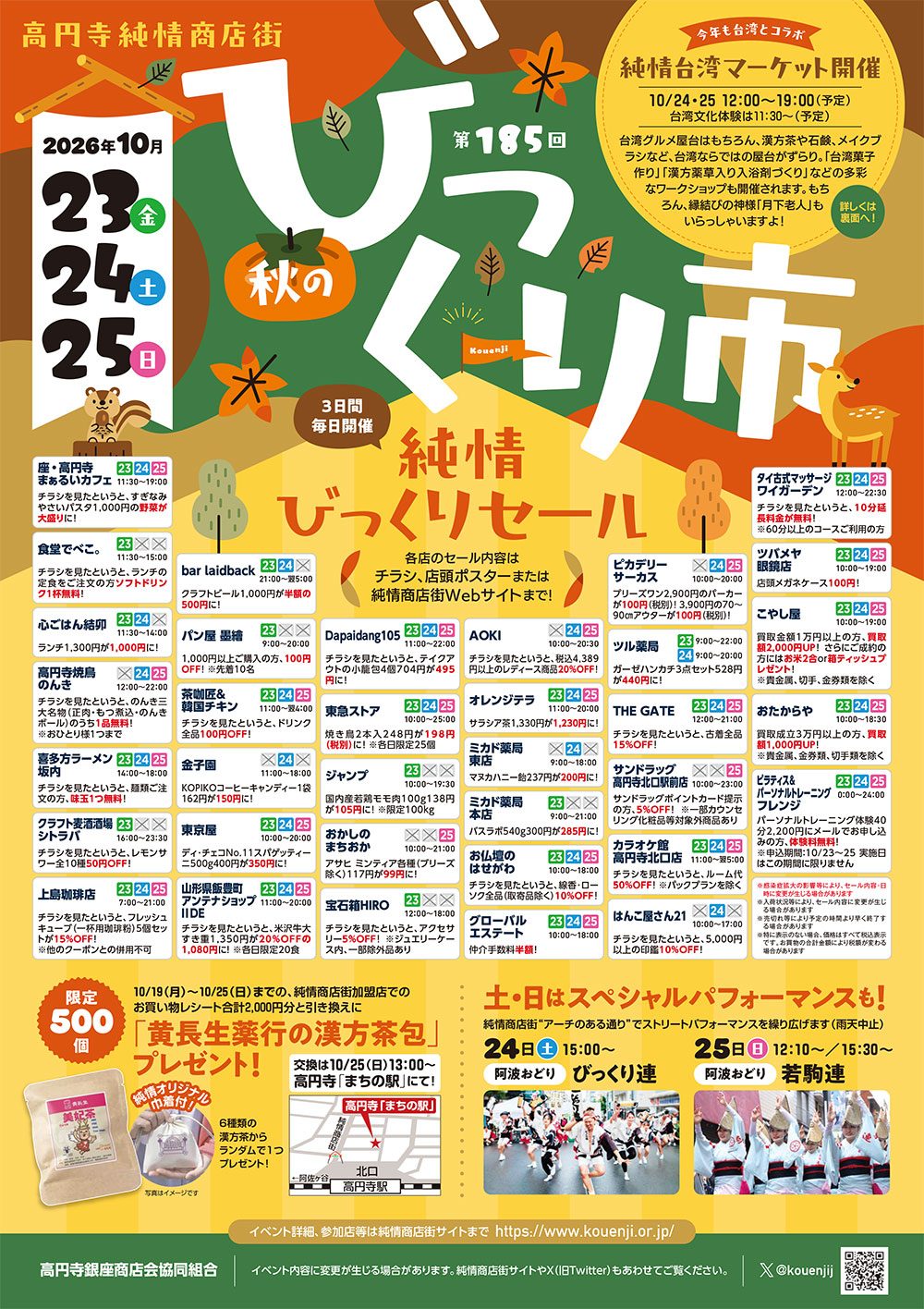
Koenji Junjo Shotengai leaves the north exit under a lettered gateway banner reading 高円寺純情商店街. Low Showa-era shopfronts hold bakeries, greengrocers and ¥500 lunch counters, with bicycles threading through the shoppers. Street snacks cost ¥100 to ¥500.
The street was Koenji Ginza until it was renamed after Shoichi Nejime's Naoki Prize novel. This is the everyday, un-gentrified Koenji, and it forms a main artery of the August parade.
Poem MANO A MANO COFFEE (Koenji-minami 4-44-5) has stood on its corner since 1973: dark wood panelling, deep upholstered chairs and siphon coffee made at the counter. A sommelier-trained owner took the place over and relaunched it, pairing beans with baked goods.
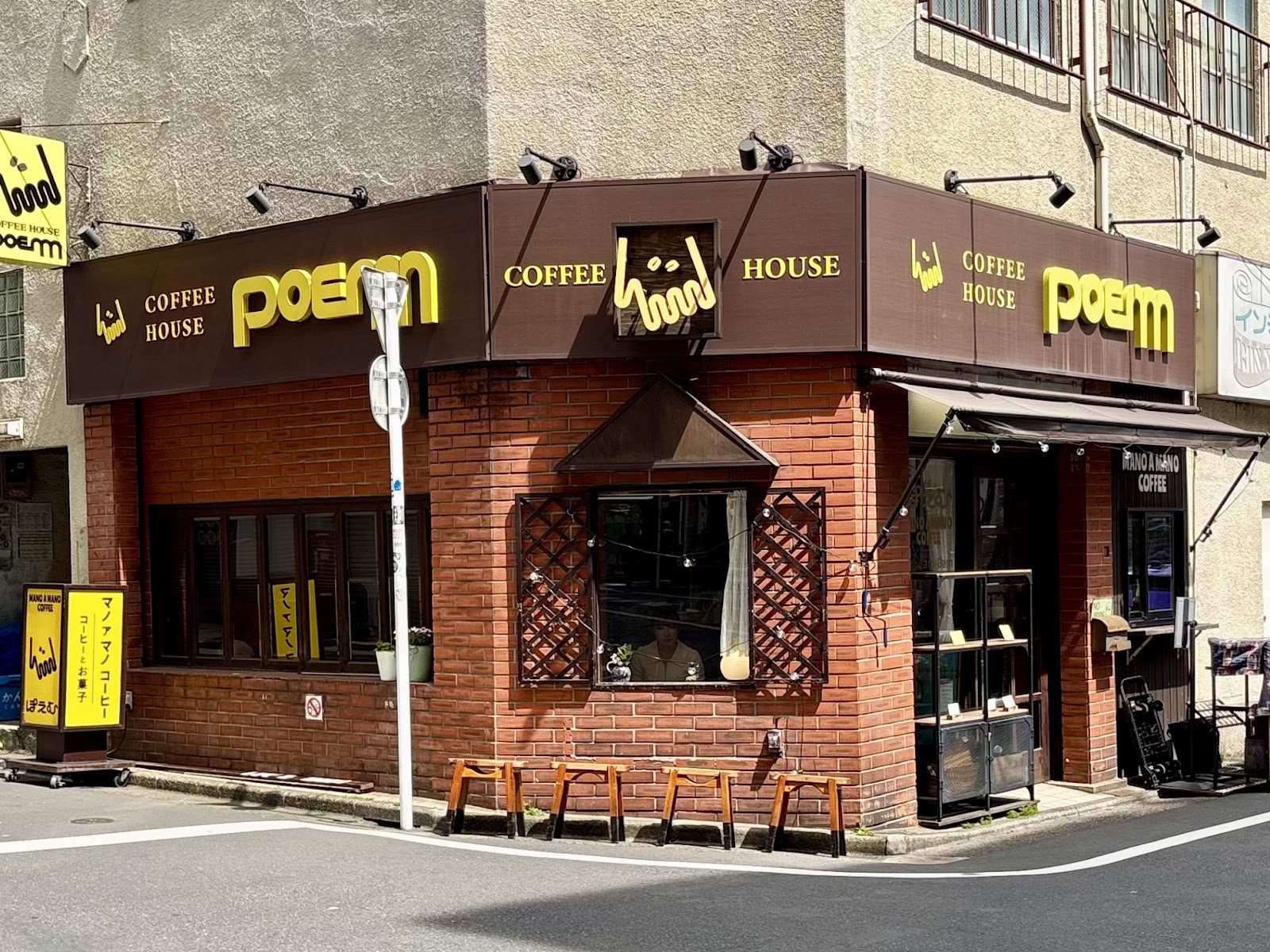
Coffee costs ¥600 to ¥800. The homemade custard pudding, which arrives wobbling, is ¥600, and a seasonal fruit sandwich sits under glass. It opens 10:00 to 20:00 every day, which makes it the dependable daytime stop in a district whose rooms mostly open at 17:00. The room is small, takes no reservations and often has a short queue.
Records at Los Apson? and Sub Store Tokyo
Los Apson? fills one ground-floor room in the Sanko Building, bins packed to the lip and hand-lettered cardboard section dividers standing in them, including one reading 'Koenji Balearic'. Keiji Yamabe has run it since 1994, stocking Japanese experimental records, world music and outright oddities.
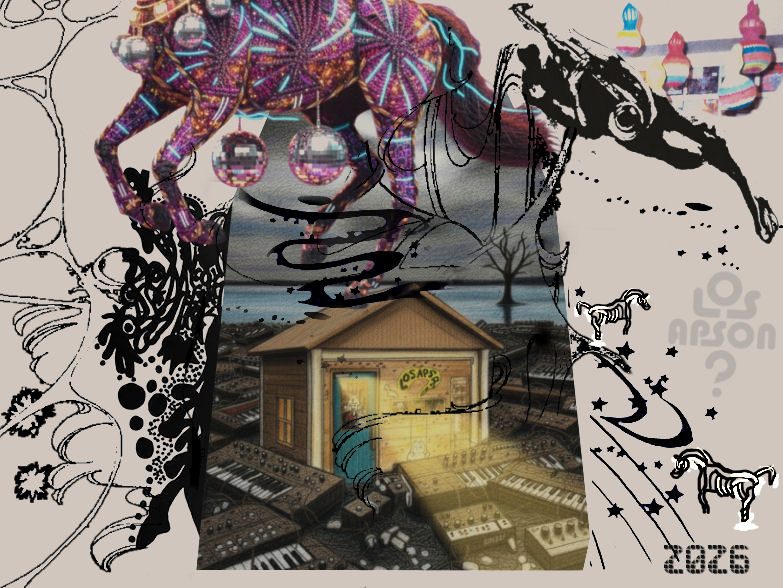
Self-published zines and screen-printed T-shirts are pinned to the walls. LPs and CDs are mostly ¥1,000 to ¥4,000. It opens 13:00 to 19:00 and closes Wednesdays.
Sub Store Tokyo, founded by Andika Faisal, is a shop and a bar with a kitchen and a corner stage, all in one first-floor room above the Koenji-kita streets. Record racks and bookshelves run down one side, the bar and the stage along the other, and Indonesian plates come out on small tables.
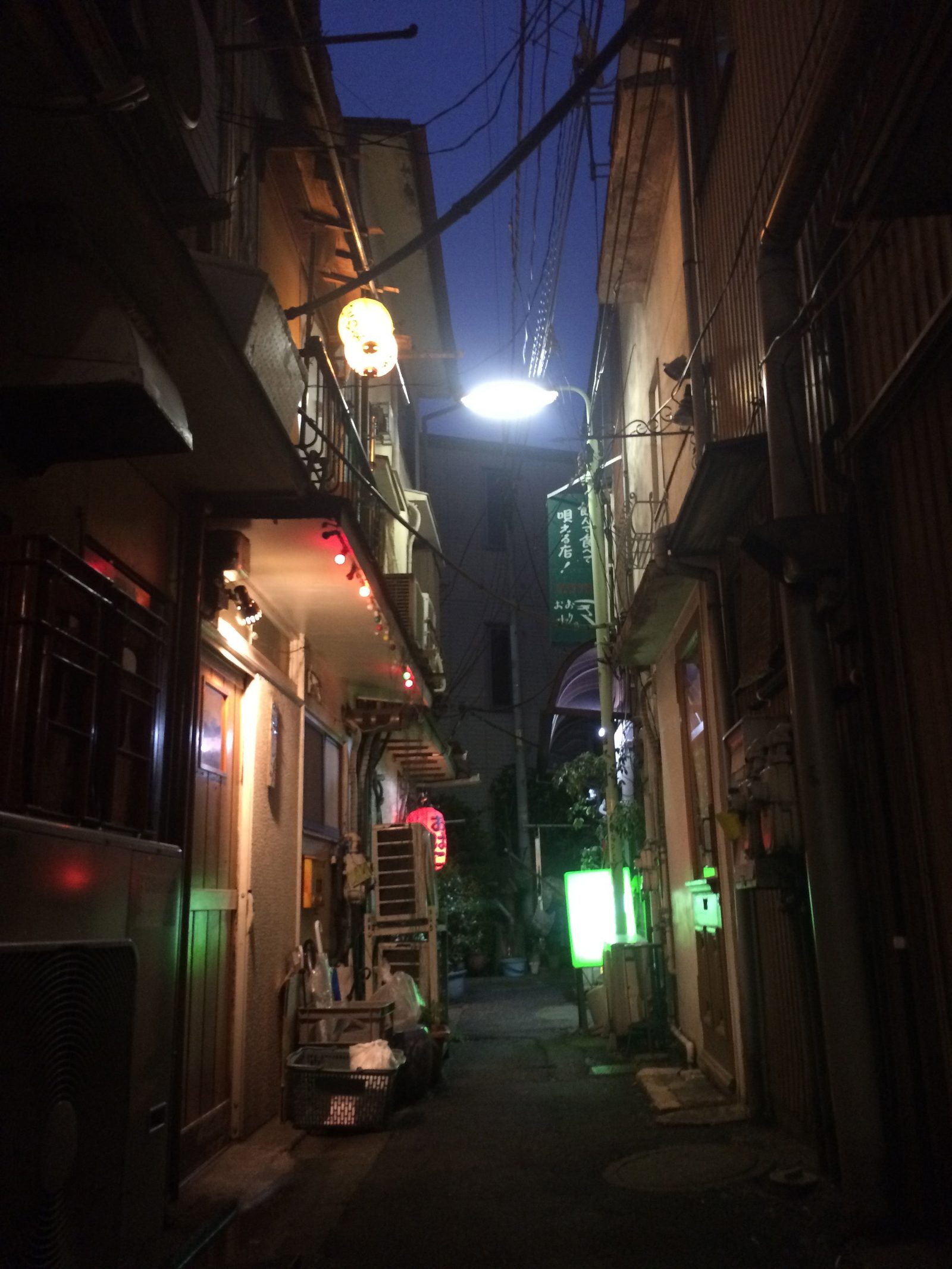
Drinks cost ¥600 to ¥900, and the door for a live night is ¥2,000 to ¥3,000. It opens 17:00 to 23:00 and closes Mondays and Tuesdays. Weekend DJ and live nights fill fast, and six is the practical limit for a party. Start here if you have never done a Koenji basement.
Basement gigs at Koenji HIGH and U.F.O. CLUB
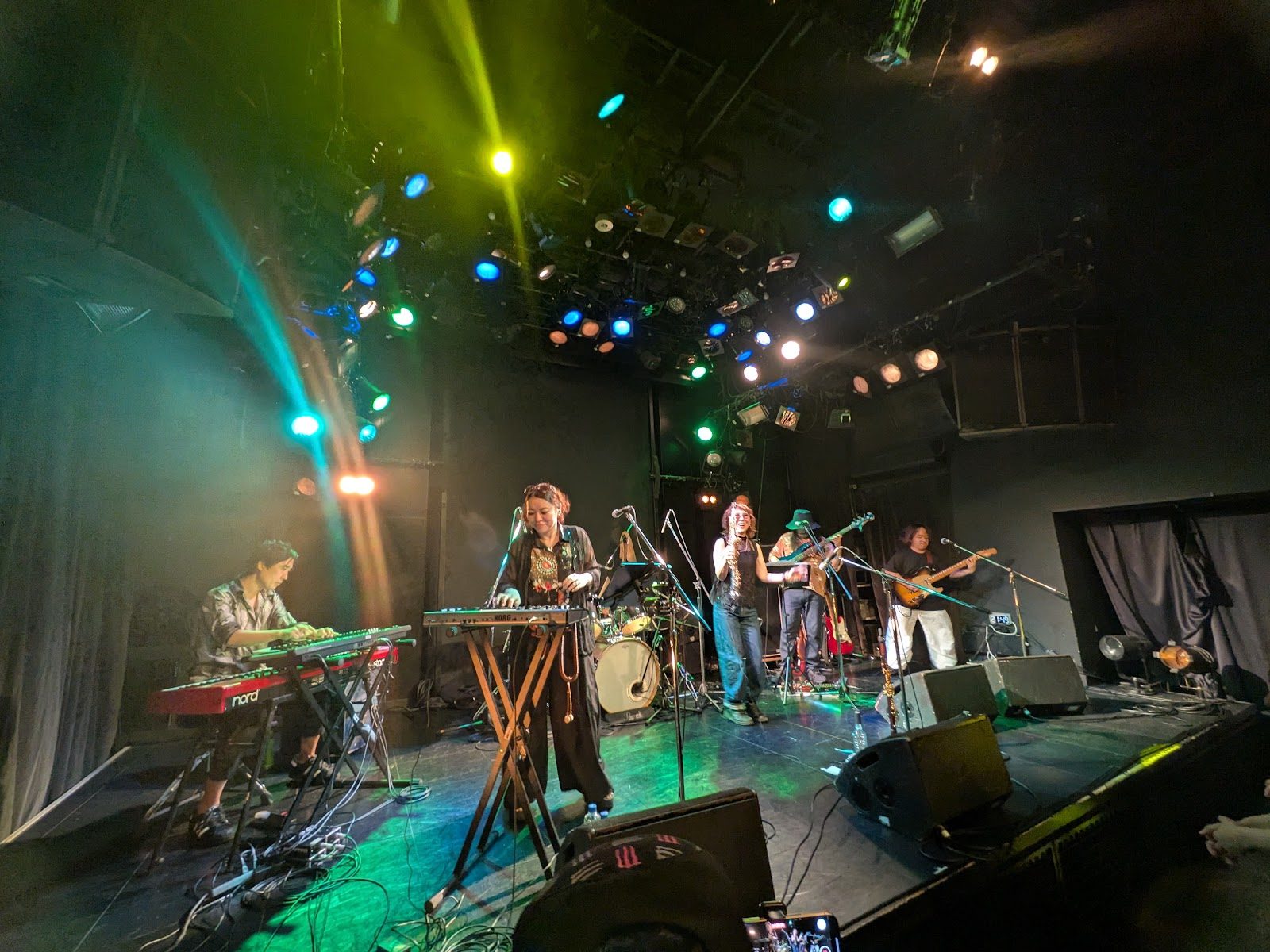
Koenji HIGH (Koenji-minami 4-chome) is the biggest and easiest to read of Koenji's live houses, a basement with 300 standing places, black walls and a low ceiling. The bar is at the back of the floor, and the room has no seats.
Japanese indie and rock bills run through 2026. Advance tickets cost ¥3,000 to ¥4,500 plus a ¥600 drink, and they sell out for name acts; buy early. JIROKICHI, a few streets away, has booked jazz and blues since 1975.
U.F.O. CLUB (Koenji-minami 1-11-6) is where Koenji's psychedelic, noise and garage bills land, a cramped basement with walls and ceiling hand-painted in swirls, Indian-print fabrics draped over a PA far too big for the room, and red and purple light.
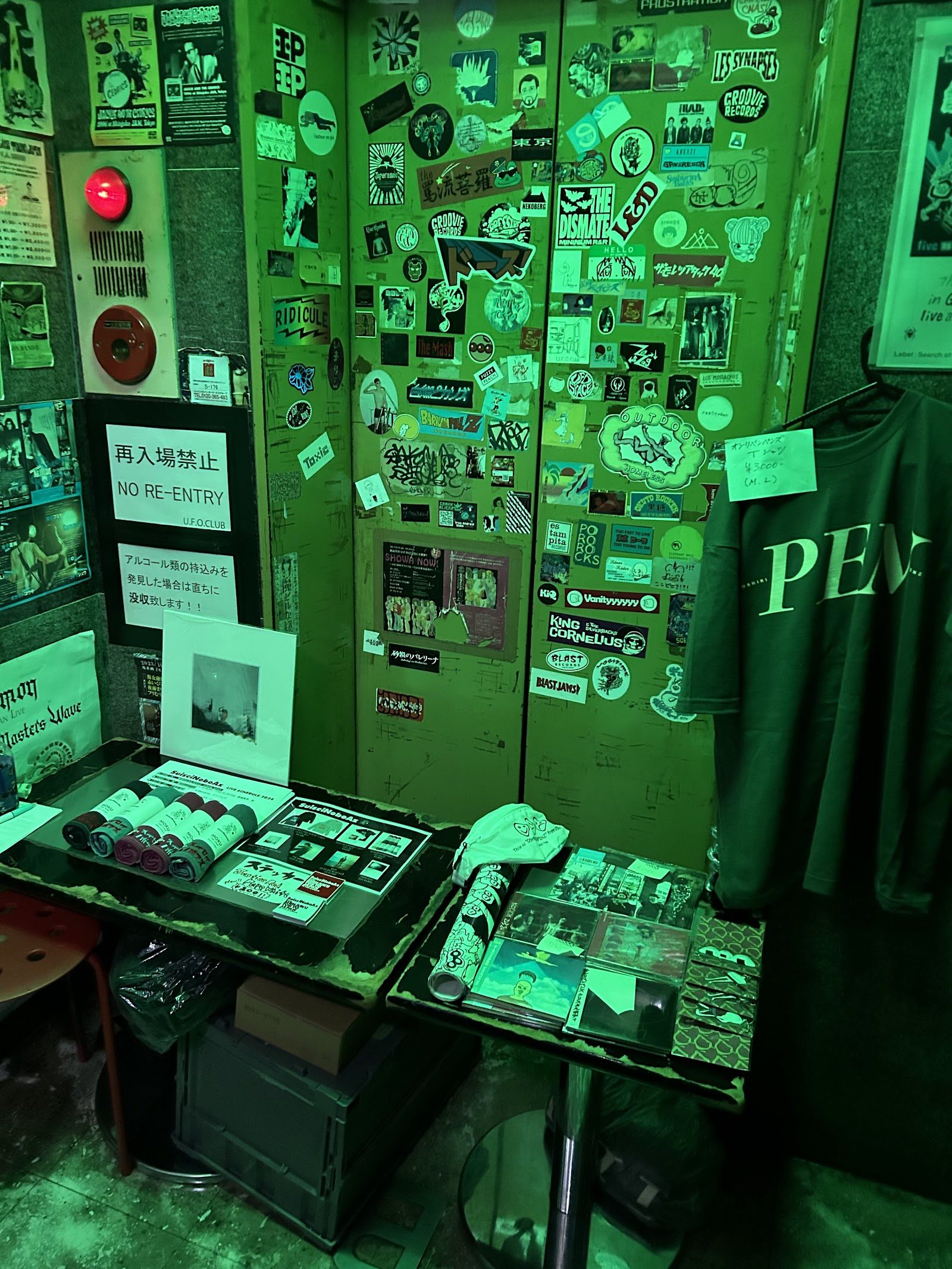
Advance tickets cost ¥2,800 to ¥3,500 and the door is ¥3,300 to ¥3,500, each plus one drink. The club takes cash only. Bring earplugs, and don't count on the printed start time.
Eating at Tensuke, Erick South and Dachibin
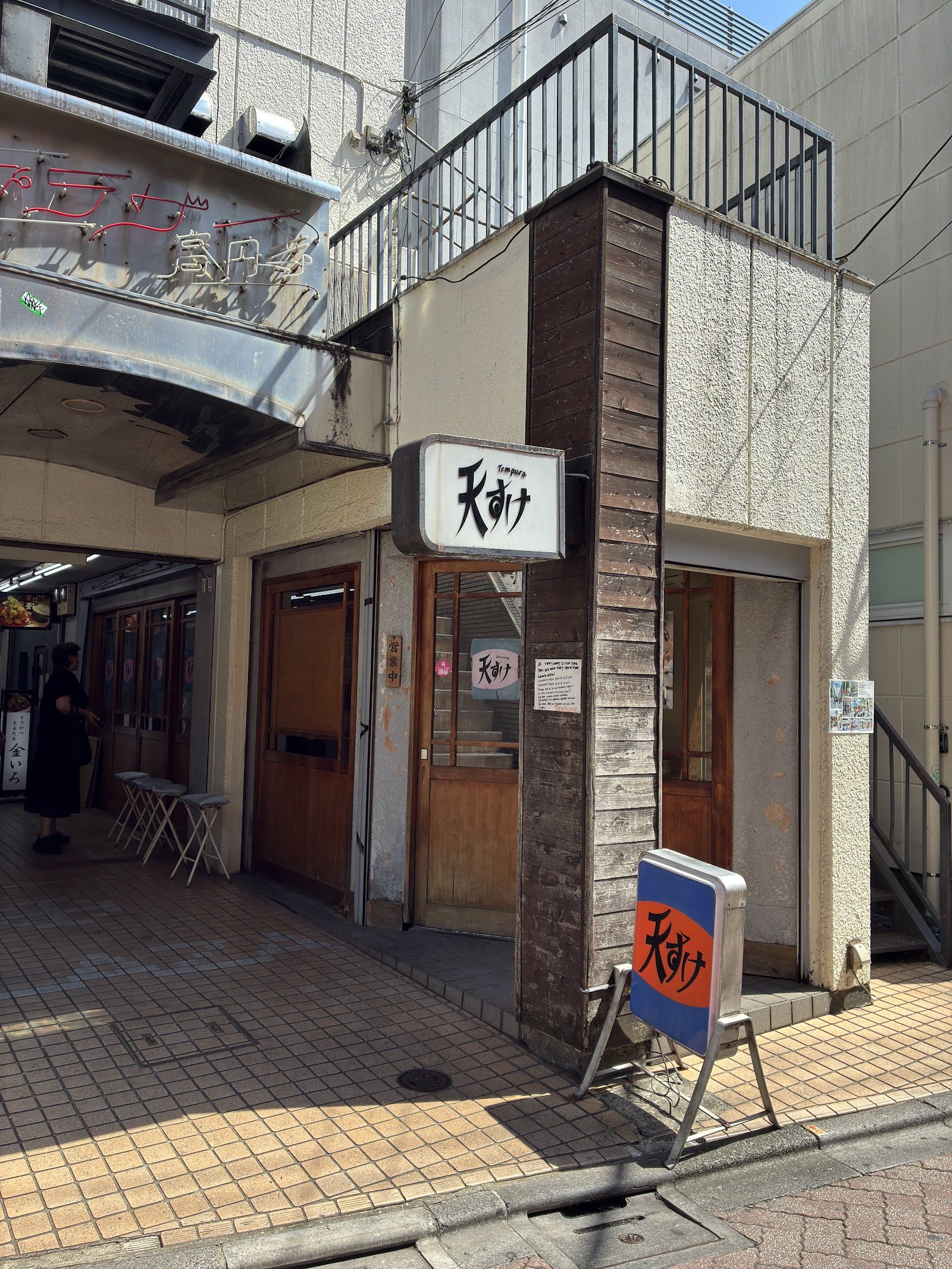
Tensuke fries at a twelve-seat counter on the ground floor of Plaza Koenji, where the chef lobs cracked eggshells backwards over his shoulder. A whole deep-fried egg comes split open so the yolk floods the rice bowl beneath.
The egg lunch is ¥1,200 and dinner runs ¥2,000 to ¥3,000. It holds a Michelin Bib Gourmand, and the lunch queue down the pavement is a fixture. It takes no reservations and splits groups up, so come in pairs. It opens 12:00 to 14:00 and 18:00 to 22:00, Tuesday to Sunday.
Erick South Koenji Curry & Biryani Centre is a bright 30-seat room two minutes from the south exit, with sealed dum biryani pots in the open kitchen. Steel thali plates arrive loaded with Hyderabadi biryani, raita and three curries. It is where Koenji's serious curry cooking is done, and it was a Tabelog Top 100 pick in 2026.
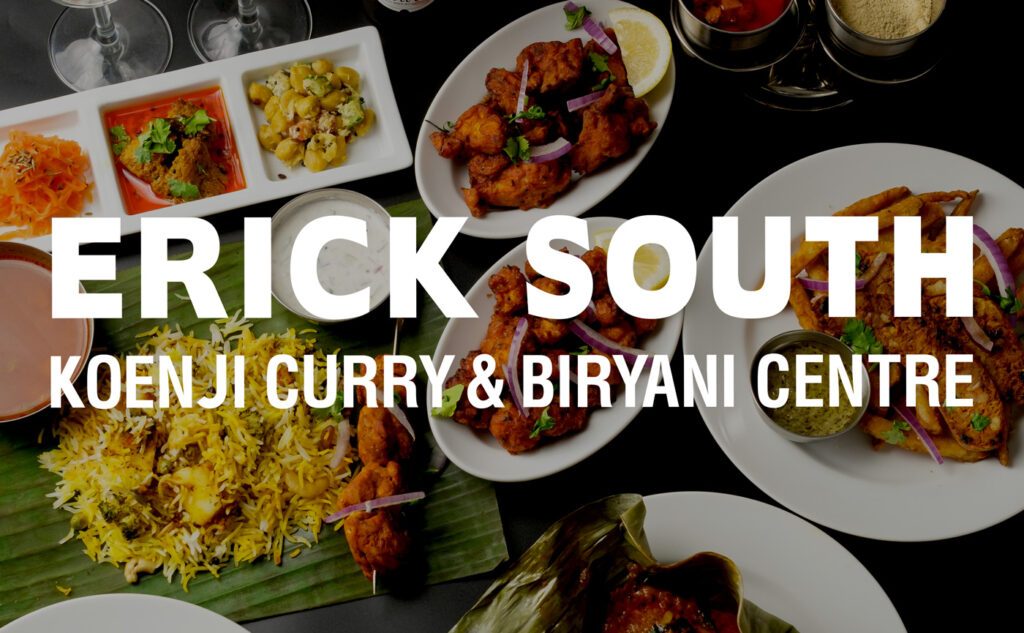
Lunch runs 11:30 to 15:00, dinner 17:00 to 22:00. Lunch costs ¥1,000 to ¥1,999 and dinner ¥2,000 to ¥2,999. Biryani sells out before last orders, so go early. The room can be taken privately for up to 30 people.
Dachibin (Koenji-kita 3-2-13) has been running since 1978 and is still packed at 02:00. Shelves of awamori bottles and curved dachibin hip flasks line the room, a sanshin hangs on the wall, and goya champuru and taco rice land on paper-covered tables.
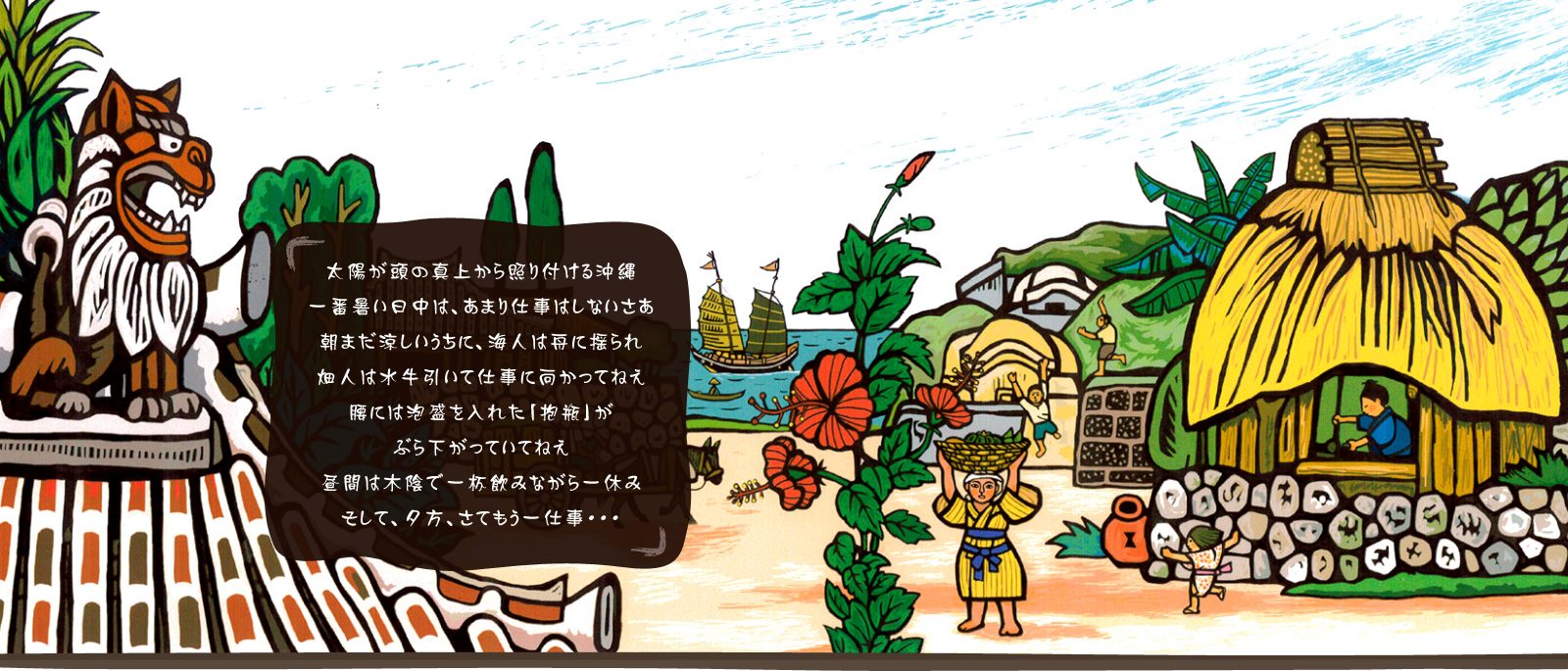
It opens 17:00 to 05:00, which absorbs the post-gig crowd. Live Okinawan and free-jazz sets play on some nights. Expect ¥3,000 to ¥4,000 a head with awamori. It takes parties and weekends fill, so book ahead.
Drinking at Koenji Beer Kobo
Koenji Beer Kobo brews on the premises, in the back streets north of the station, with stainless tanks behind glass at the back and nine house taps always pouring along a wooden bar.
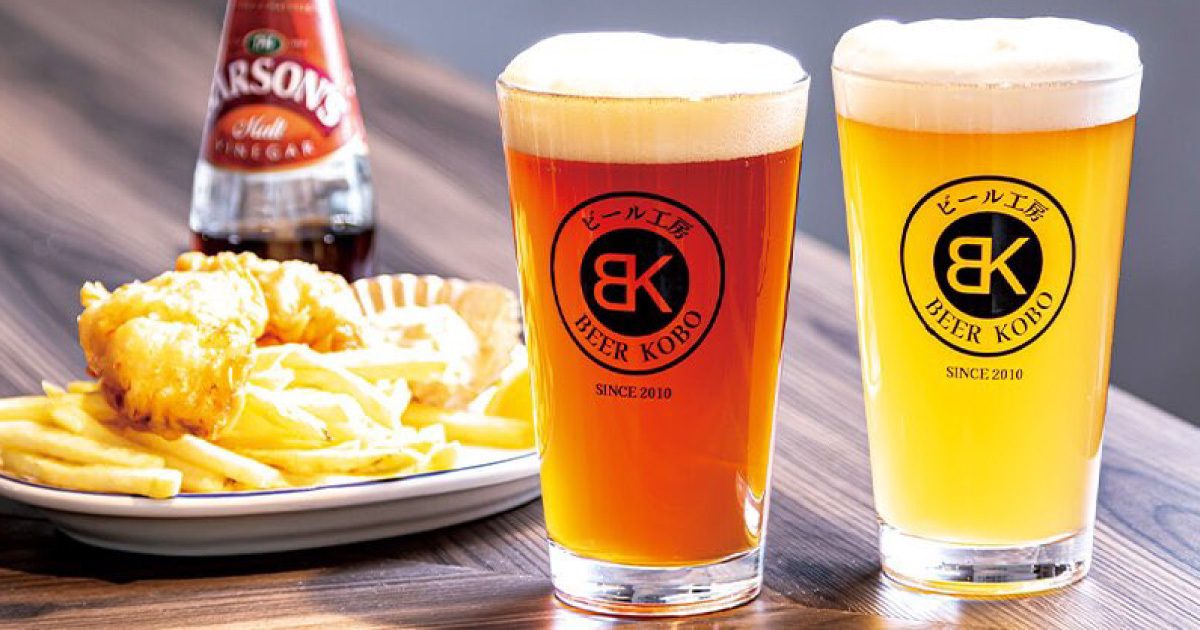
Seating runs to 33 across the counter and a raised tatami-style area, and private hire covers 20 to 50 people. A head costs ¥3,000 to ¥4,999. Happy hour runs 16:00 to 18:00 on weekdays. It closes Mondays.
A late bath at Kosugiyu
The bathhouse dates from 1933 and is a nationally registered tangible cultural property, run by the same family for three generations. Shoe lockers stand inside the door, and a painted Mt Fuji tile mural covers the wall above the hot and cold tubs.
A face towel costs ¥100 and a bath towel ¥200. Walk in; it takes no reservations. The baths are naked and split by gender, tattoos are fine here, and voices stay low. It closes Thursdays. Go after a gig.
Closed days and what to book
Mondays take out Tensuke, Koenji Beer Kobo and Sub Store Tokyo, which is shut on Tuesdays as well; Wednesdays close Los Apson? and Thursdays close Kosugiyu. Buy live-house tickets in advance, reserve Dachibin for a weekend, and carry cash for U.F.O. CLUB.
See the Tokyo guide and the Tokyo hotel search.
Gallery
Koenji in pictures
Koenji — your questions
When is Koenji's Awa Odori in 2026?
It falls on 29 and 30 August 2026. Around 10,000 dancers come through the streets, including Koenji Junjo Shotengai, and watching is free. Za-Koenji Public Theatre has an Awaodori Hall.
Which days are Koenji's main places closed?
Kosugiyu closes Thursdays, Los Apson? Wednesdays, Tensuke and Koenji Beer Kobo Mondays, Sub Store Tokyo Mondays and Tuesdays.
Where do you go vintage shopping in Koenji?
Koenji Look Shopping Street has 160 shopfronts, with pieces at ¥1,000 to ¥10,000. It continues from the 200m covered Pal arcade, which is where to go in the rain. The Kitakore Building at Koenji-kita 3-4-11 sells remade and archive pieces at ¥5,000 to ¥30,000.
Can you use Kosugiyu with tattoos?
Yes. It is a naked, tattoo-tolerant local bath, split by gender, at ¥600 for an adult plus ¥100 for a face towel and ¥200 for a bath towel. They take no reservations, so just walk in. It runs to 01:30 and closes Thursdays.
Where can a large group eat or drink in Koenji?
Erick South Koenji Curry & Biryani Centre has 30 seats and takes private bookings for up to 30 people. Koenji Beer Kobo has 33 seats and does private hire for 20 to 50. Tensuke has a twelve-seat counter and takes no reservations, so a group ends up split.