The Tokyo issue
Ikebukuro, Tokyo, from the rooftop aquarium to Otome Road
A walk through Ikebukuro's rooftop aquarium, 60th-floor sky park, Wright schoolhouse and ramen counters, with the hours, prices and door rules that decide the order.
By Lukas BrandtTokyo on foot, timed to the temple gates
Cape penguins swim in a shallow acrylic basin on a 40th-floor roof in Ikebukuro, and from below they look like they are flying between the office towers. A 10-minute walk from the station, a wooden hall of 1664 stands under a gingko that has been there 700 years.
The rooftop aquarium and the 60th-floor sky park
Sunshine Aquarium (Sunshine City) is a full aquarium built on a roof, and the Sky Penguin tank is the reason to go up. The basin sits overhead and holds little water, so the Cape penguins swim directly above your head against the towers. It is the best-known image in Ikebukuro.
Go at opening or after 16:00. School holidays fill the middle of the day, and the aquarium sells timed online slots for the peak dates.
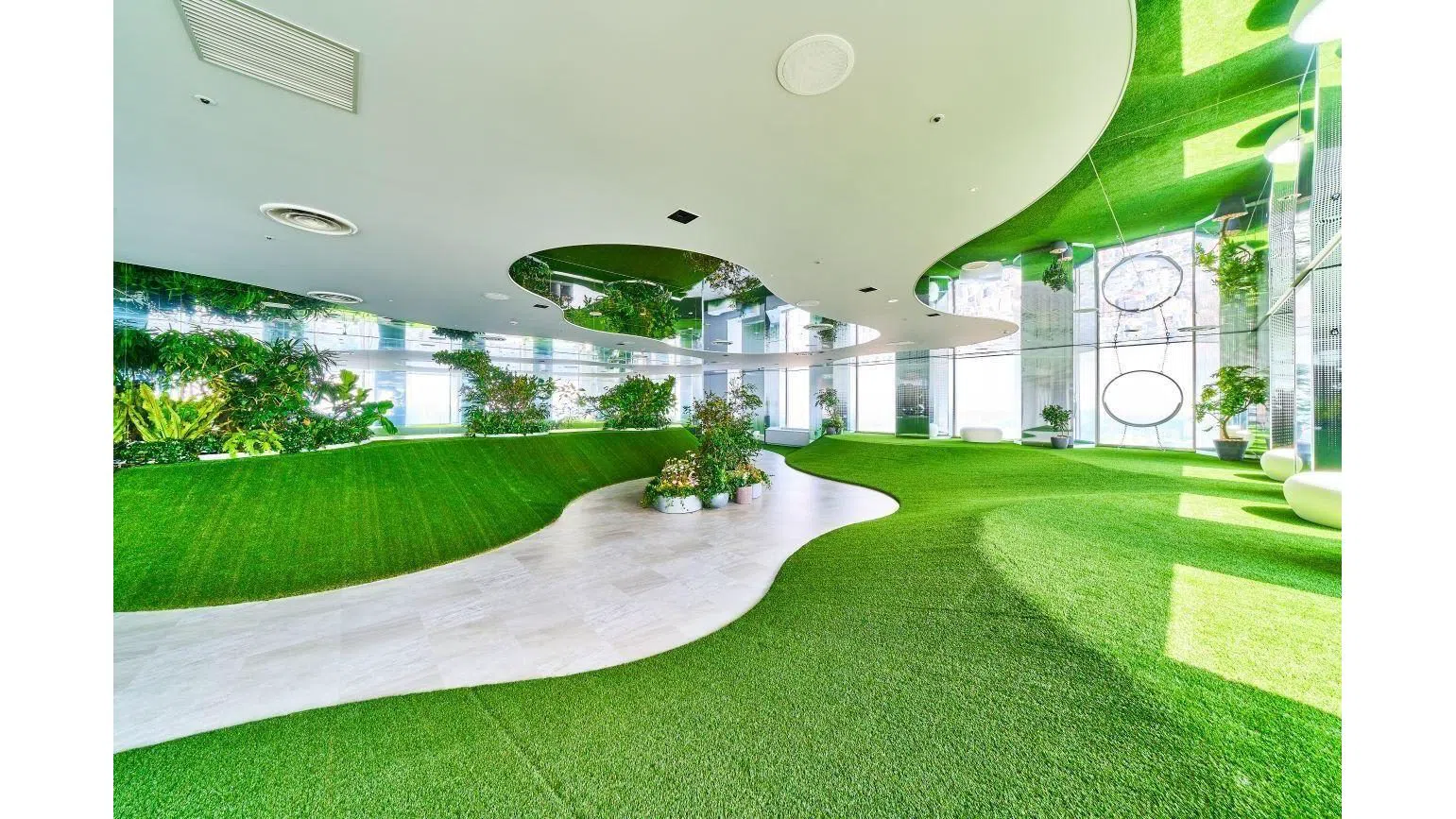
Sunshine 60 Observatory Tenbou Park (Sunshine City, 60th floor) is 251m up, with floor-to-ceiling glass on all four sides. The floor is bright artificial lawn. Swings face the windows and bean-bag mounds sit back from them. Tokyo Skytree is on the horizon, and Mount Fuji appears on clear days.
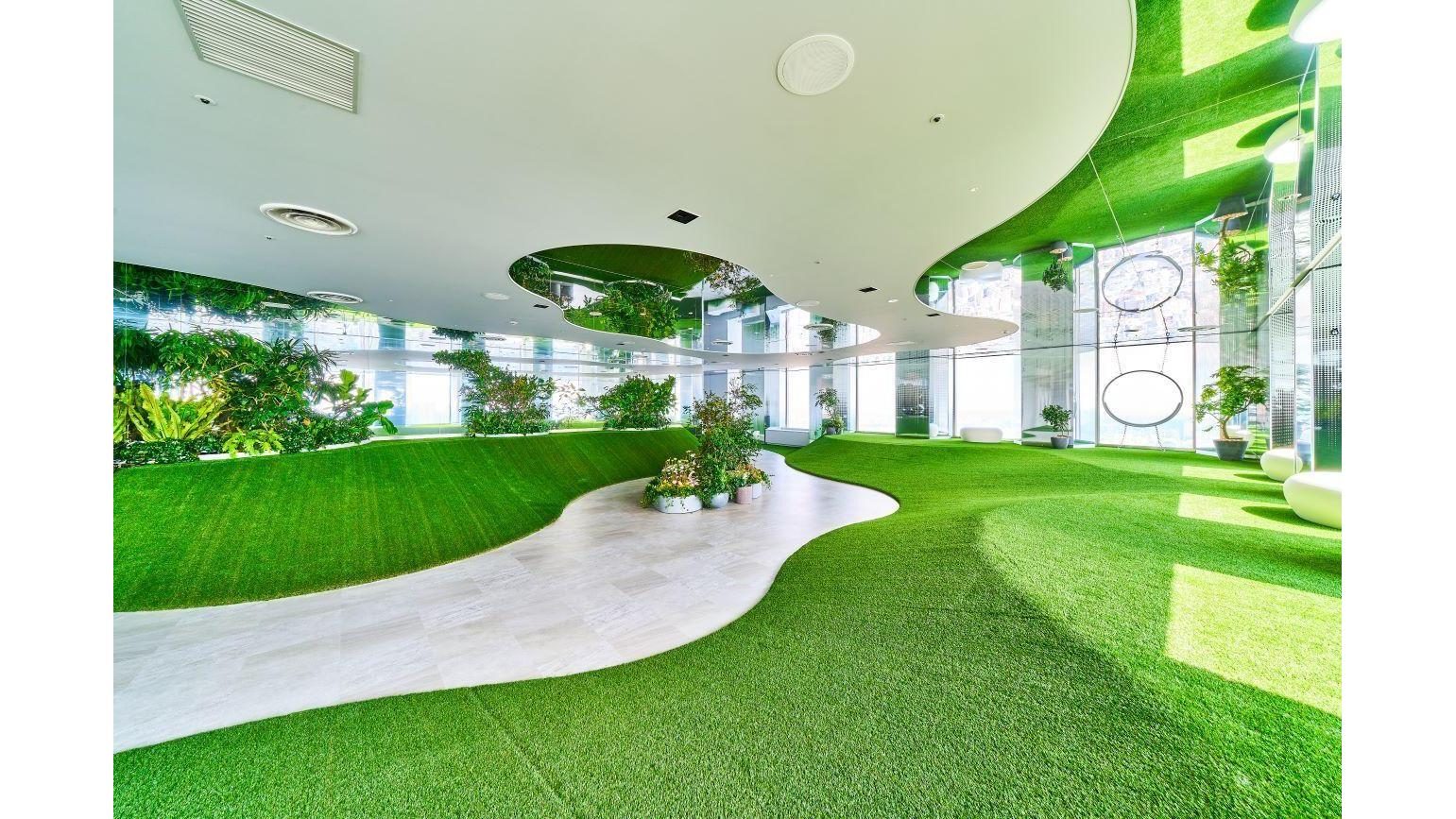
Entry runs ¥700 to ¥1,200, the cheapest big view in Tokyo. On weekdays between 11:00 and 14:00 you may bring your own picnic and eat it on the grass. It traded as SKY CIRCUS until the rebrand, and the VR arcade has gone. Walk up on a weekday. For a weekend, buy a timed ticket online.
Plan your Tokyo trip
Live prices from our booking partners.
Free cancellation on many rooms. We may earn a commission when you book.
The planetarium, the Ancient Orient Museum and Namjatown
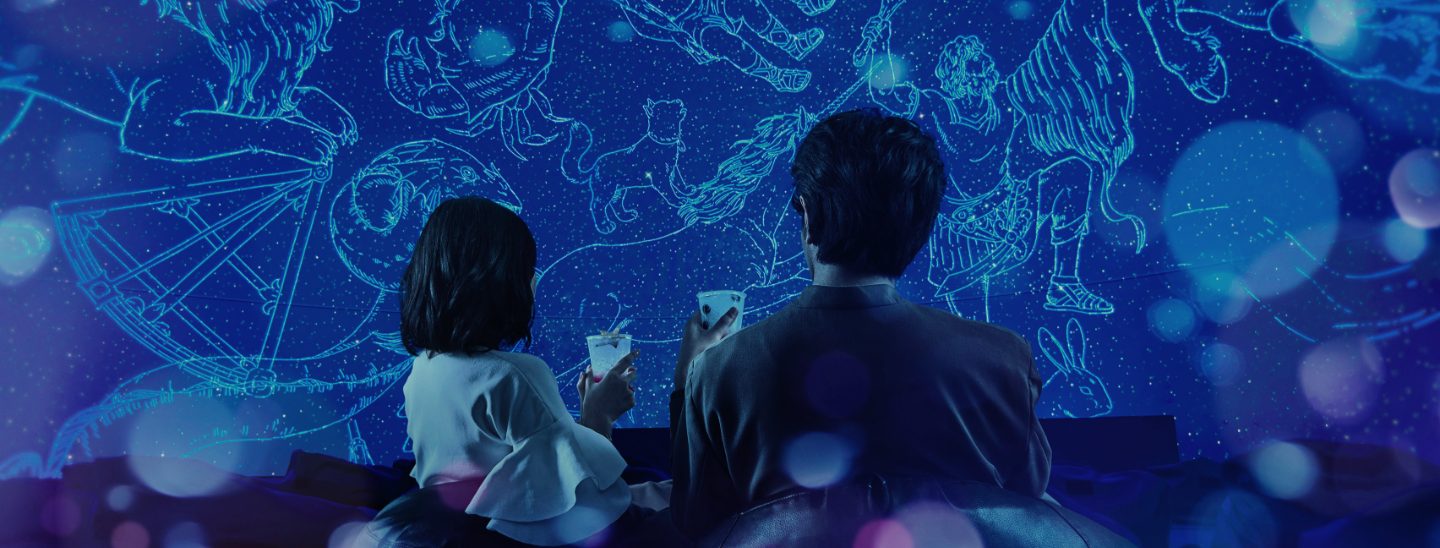
Konica Minolta Planetarium Manten (Sunshine City rooftop) is entered off the roof and puts you under a wall-to-wall projected starfield. The front row is cloud-shaped sofas and grass-mat meadow seating, with tiered reclining seats behind. Seating is reserved and sold per show.
Shows are narrated in Japanese. If you don't follow the language, pick a music programme or one of the visual programmes. The dome itself is the point.
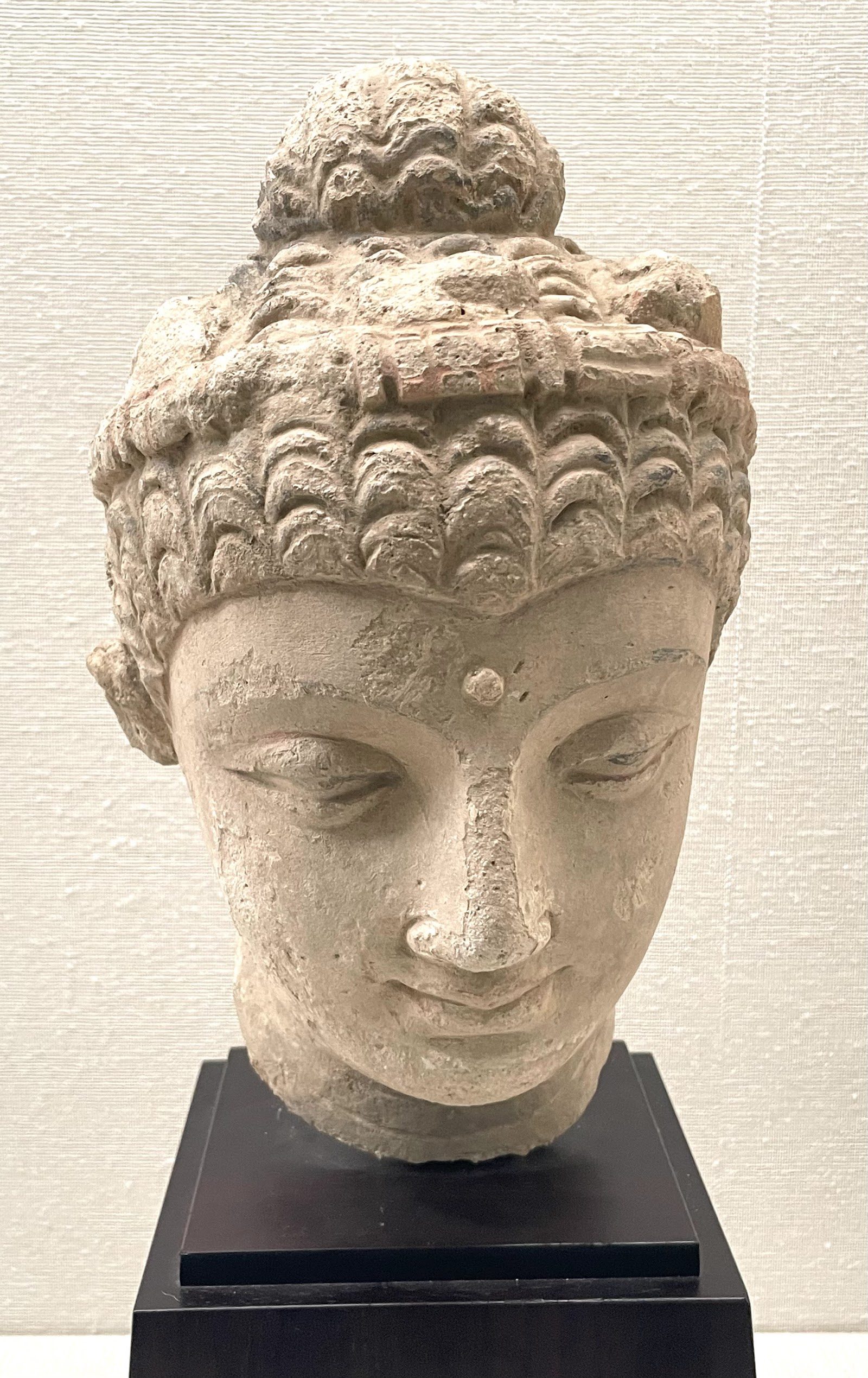
Ancient Orient Museum (Bunka Kaikan building, 7th floor) was Japan's first museum devoted to the ancient Near East, and it sits inside a shopping complex. The gallery is compact and low-lit. Glass vitrines hold Mesopotamian cuneiform tablets and cylinder seals, Palmyran limestone funerary reliefs and Gandharan Buddha heads. One modest floor is the whole museum. It closes between exhibition changes, so check the dates before you travel.
Namjatown (Sunshine City) is Bandai Namco's small indoor park, dressed as Showa-era alleyway sets under a low ceiling, with red paper lanterns and faded signage over fake shopfronts. The Gyoza Stadium counters line the lanes and serve dumplings from eight different regions of Japan in one sitting. Dessert Yokocho runs alongside them.
Opening is 10:00 to 21:00, with last entry at 20:00. Dynamic ticket pricing started in November 2026. Keep this one for a wet afternoon.
animate and Otome Road
animate Ikebukuro Flagship Store (west of the station) has been Guinness-certified as the world's largest anime shop since 2024. Nine floors of a slim glass tower are wrapped top to bottom in giant character banners. Inside, escalators stack up the atrium past floor-by-floor merchandise walls and life-size standees.

Entry is free, 10:00 to 21:00. Weekends and new-release days queue the door, so go on a weekday morning. Otome Road, the female-fandom strip, runs immediately west of the store, and the shop anchors it.
The west exit, Nishiguchi Park and Rikkyo
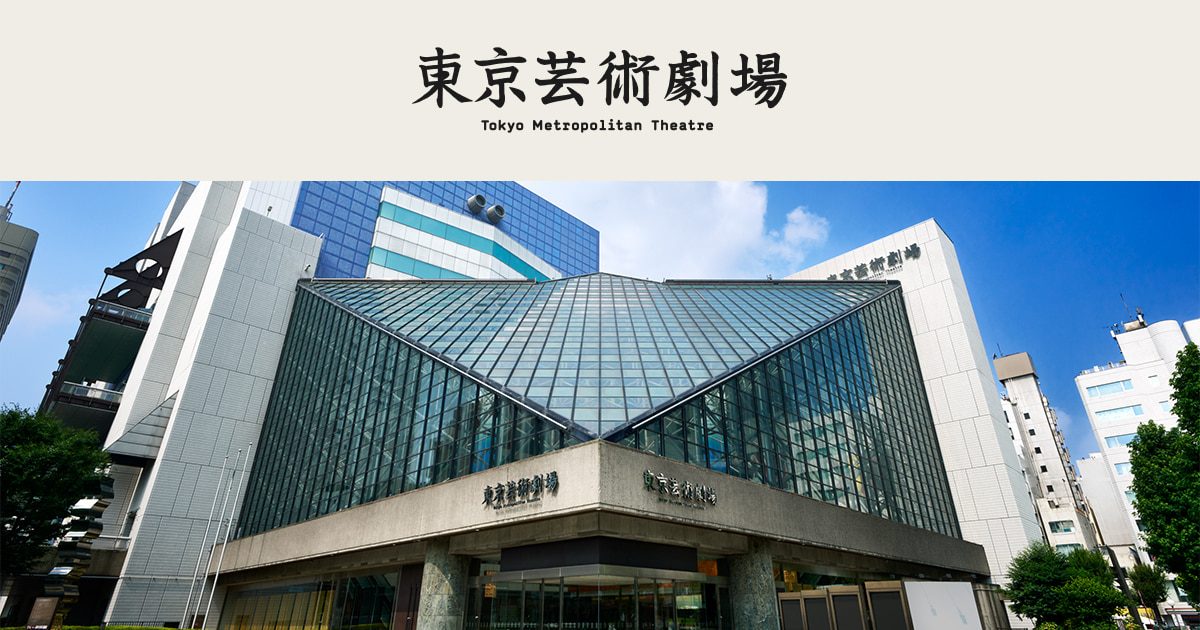
Tokyo Metropolitan Theatre (Tokyo Geijutsu Gekijo) is the architectural set piece at the west exit. The atrium is immense and glass-walled, and one of Japan's longest single escalators climbs diagonally through the void. The lobby and atrium are free to enter, and you can ride the escalator without a ticket.
After dark the whole facade is lit amber above a brick plaza. Most concerts in the ticketed halls have English pages. The autumn Performing Arts Festival brings a dozen international productions into the area.
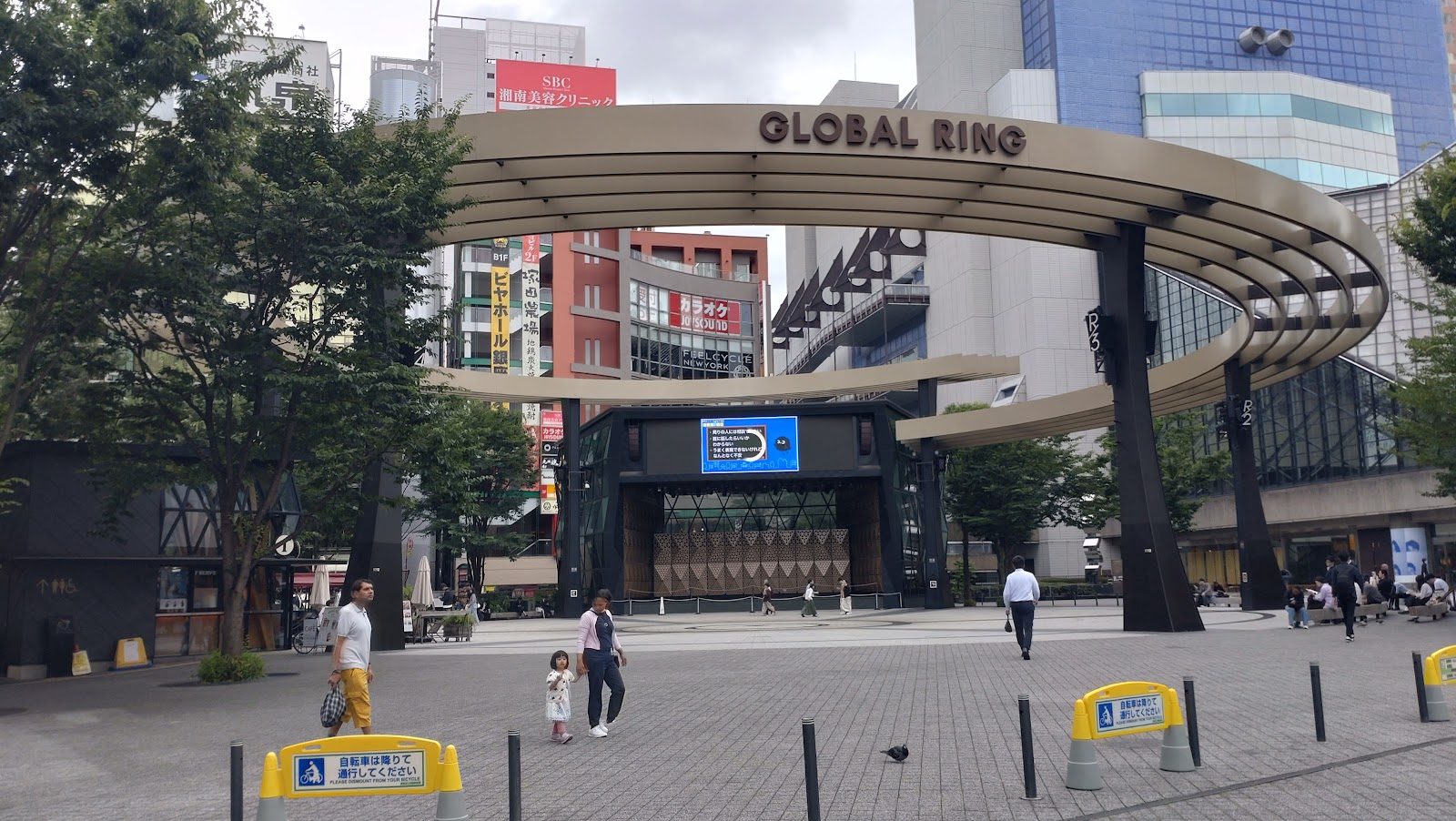
Ikebukuro Nishiguchi Park & Global Ring Theatre is the West Gate Park of novel and anime fame, rebuilt in 2019 into a proper theatre park. A white ring canopy on slender columns, a reinterpreted torii gate, arches over an open-air stage and a pale stone plaza. A spiral water feature marks the old Maruike spring.
The park is fully public and costs nothing. Free concerts and festivals run most weekends, and the music festival lands in November. On an Ikebukuro evening this is the best free thing to do.
Rikkyo University Ikebukuro Campus (St Paul's) is five minutes west of the station, and the quietest corner of Ikebukuro. Morris Hall of 1919 is smothered in ivy around a lawn quadrangle, with an arched brick entrance gate, Himalayan cedars and the brick Gothic All Saints' Chapel with its stained glass.
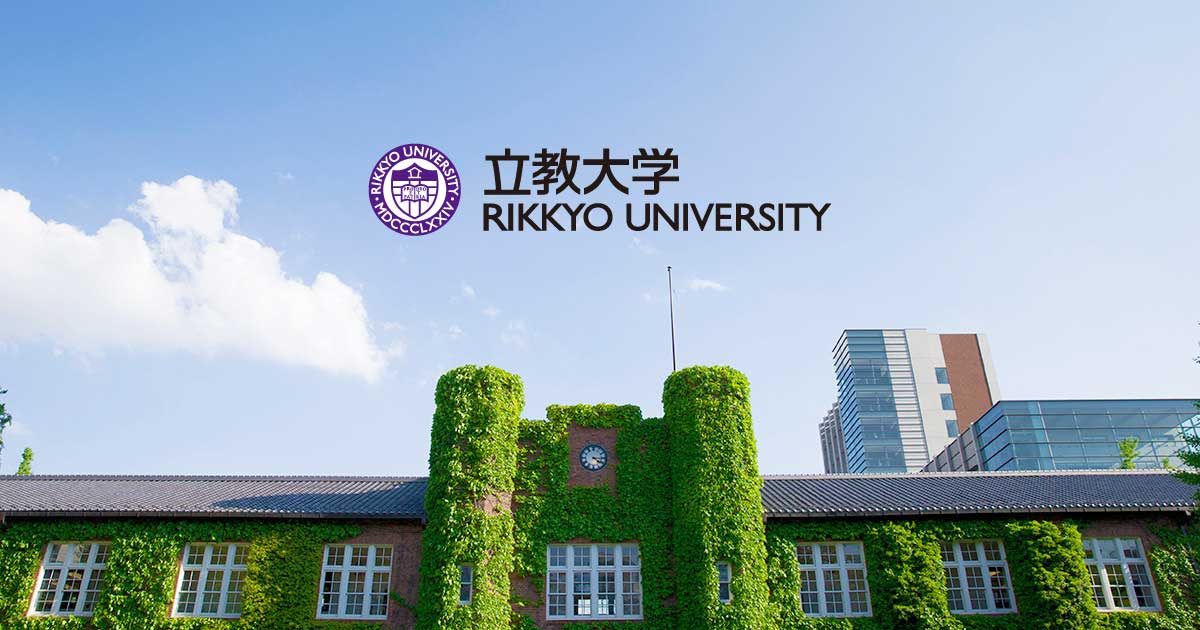
Outdoor areas are open to the public free of charge, and the chapel welcomes visitors for quiet prayer. Stay out of the lecture buildings. Come in November, when the ivy turns deep red.
Zoshigaya Kishimojin-do and Jiyu Gakuen Myonichikan
Zoshigaya Kishimojin-do is a 10-minute walk from Ikebukuro, or one stop on the Toden Arakawa tram. The main hall is wood, under a cypress-bark roof with vermilion-trimmed beams, and it is a nationally designated Important Cultural Property. The tiny wooden Kamikawaguchiya sweet shop stands on the approach.
The grounds are open and free, with no door policy. Keep voices down during services.
Jiyu Gakuen Myonichikan is a low-slung Frank Lloyd Wright schoolhouse of 1921, 10 minutes' walk from the station, in Oya stone and timber. Symmetrical wings run around a courtyard, the mullioned windows are hexagonal and geometric, and the double-height dining hall sits under angular pendant lights.
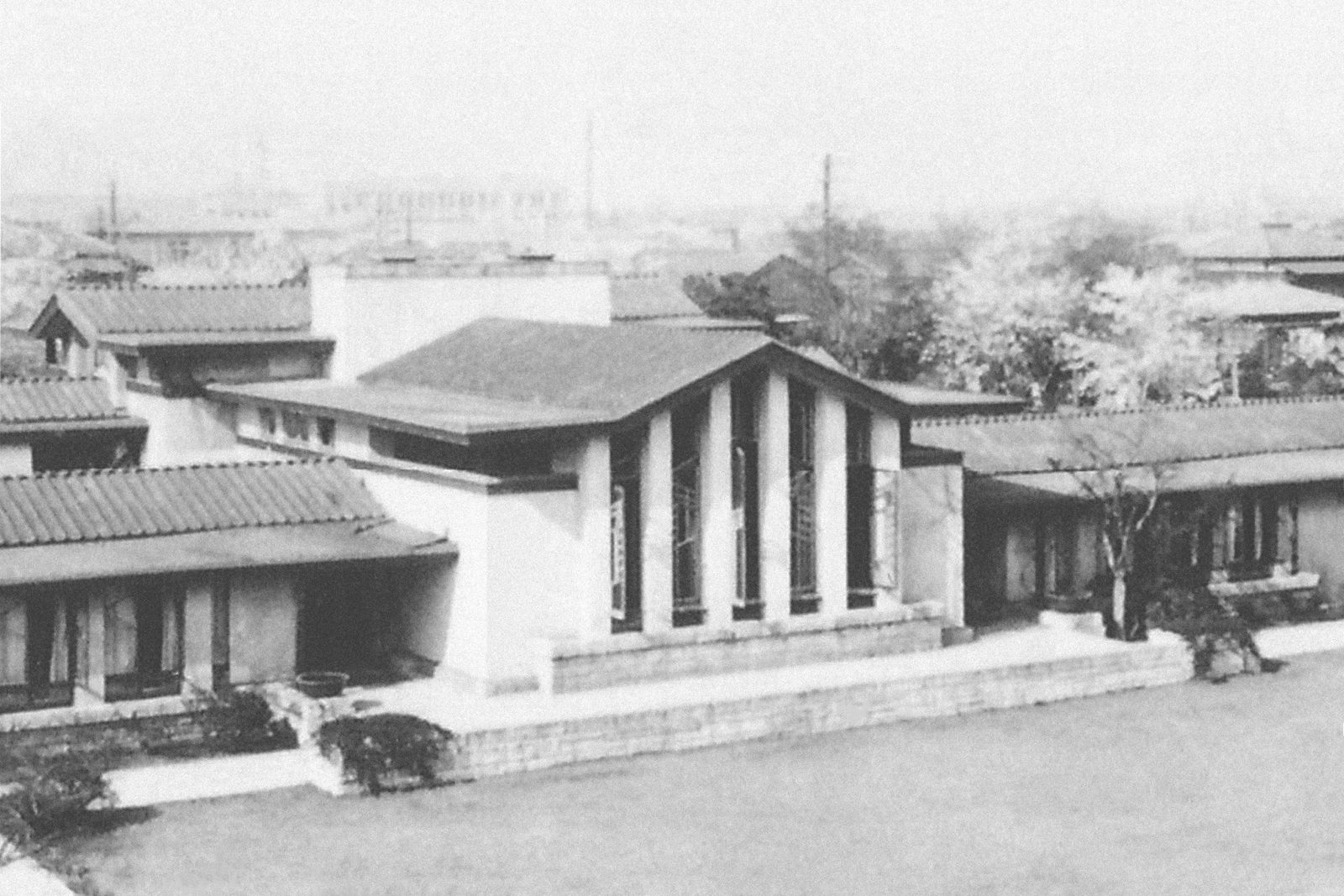
Entry is ¥500, or ¥1,000 with coffee in the hall. It opens on tour days only and closes Mondays. Guided explanations run at 14:00, with an added 11:00 session on holiday tour days. Check the visiting calendar first. Weddings and private hire close the building without notice.
Ramen at Mutekiya and Taishoken
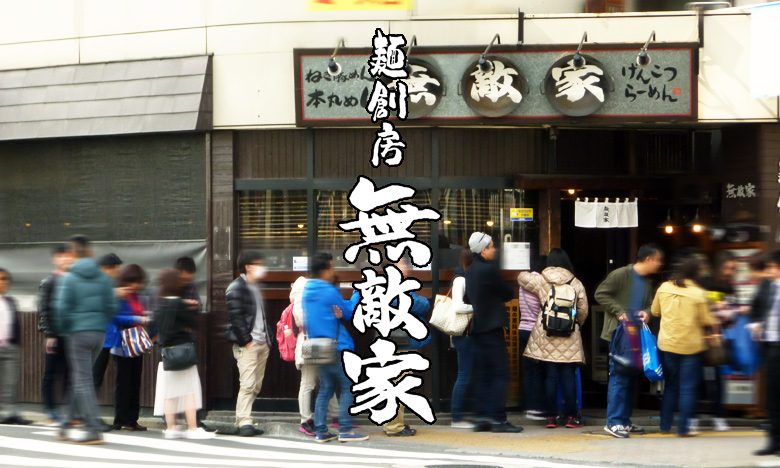
Mutekiya (Ikebukuro) pours the most-queued bowl in the area, a tonkotsu-shoyu that stays rich without turning cloying. The shopfront is narrow under a red-and-black sign, with the queue penned along the wall outside. At the cramped L-counter, cooks press garlic to order over thick slabs of chashu.
Order while you queue. It trades 10:30 to 04:00, and at 15:00 or 02:00 you will barely wait. There are 20-odd seats, counter only, and no reservations, so the staff split a group up and seat you as singles.
Higashi-Ikebukuro Taishoken Honten (Higashi-Ikebukuro) has traded since 1961 and is the birthplace of tsukemen. Order the ganso tsukemen tokusei morisoba and nothing else: a mountainous heap of cold noodles beside a bowl of dark sweet-sour dipping broth. A portrait of founder Kazuo Yamagishi hangs by the till.
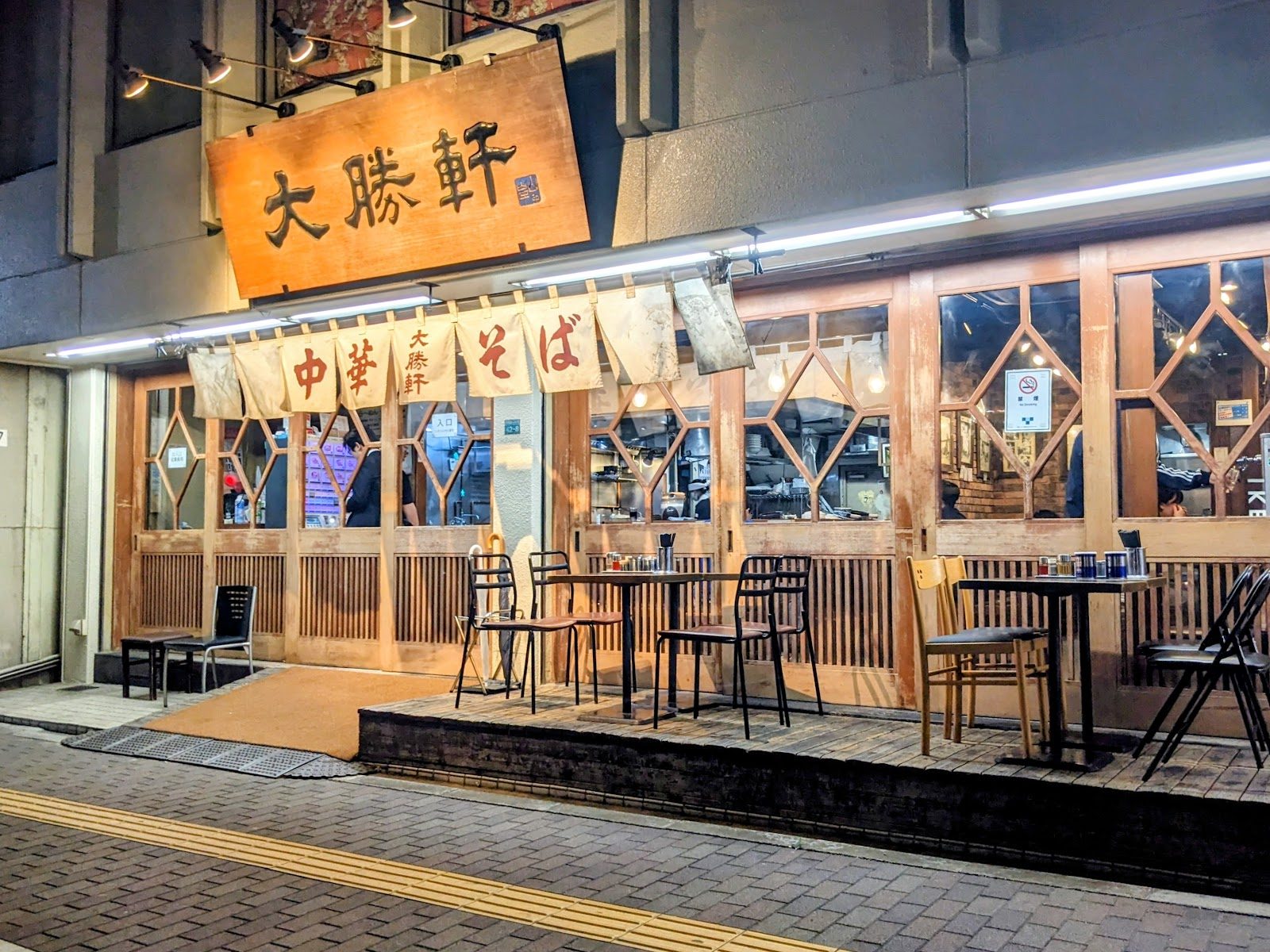
Bring cash, because the shop takes no cards and no QR payment. It is small, takes no bookings, and closes Wednesdays. Two to four people fit comfortably.
Sushi, the Tobu basements and a late beer
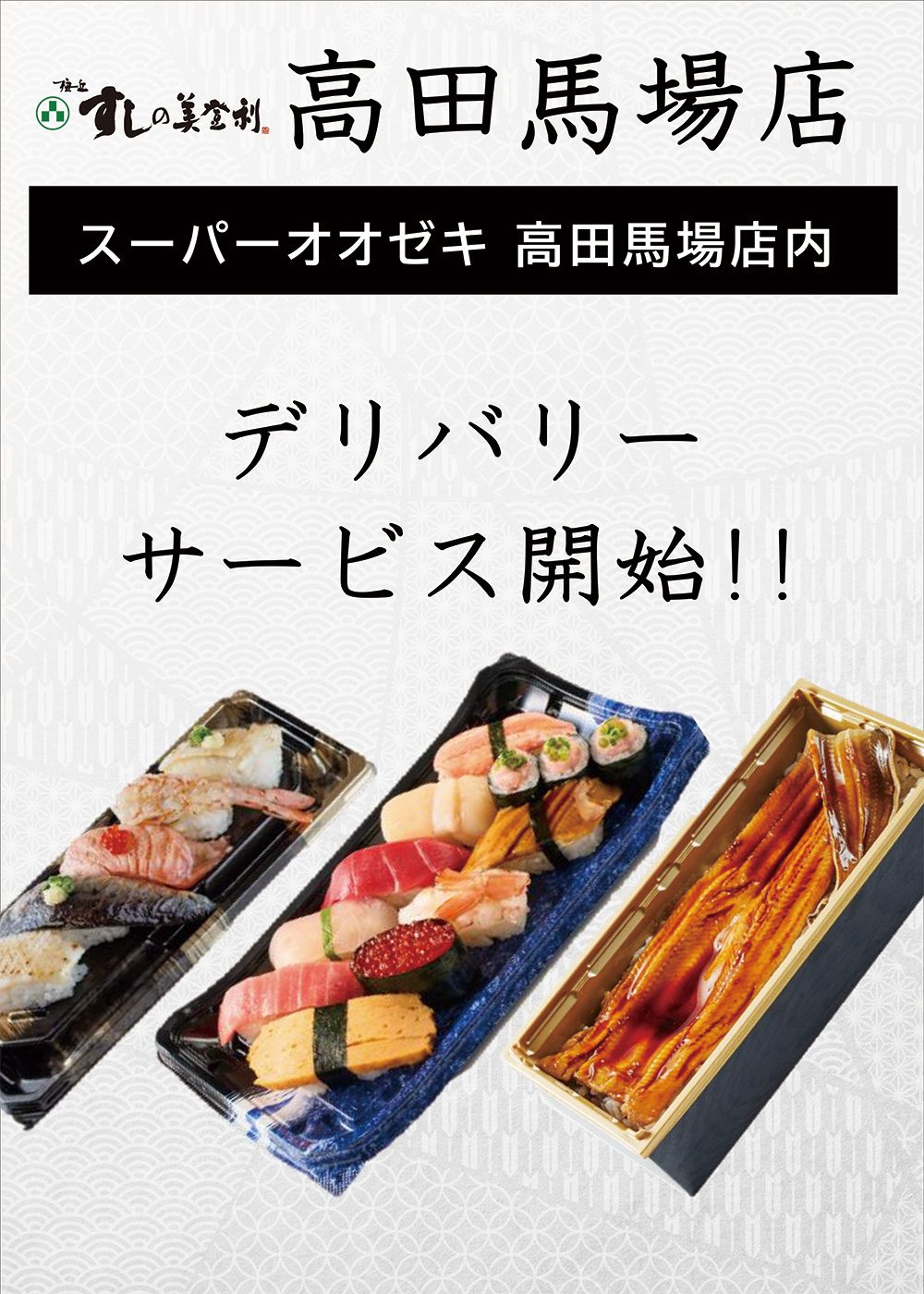
Mawashi Sushi Katsu Midori Seibu Ikebukuro runs a long conveyor around an open sushi counter on the 8th-floor Seibu dining floor. The slices of fish are oversized and drape over the edges of the rice. Every seat has an iPad order screen. Plates run ¥150 to ¥500, which is proper fish at kaiten prices.
Entry works on a ticket-queue system, not reservations. Expect a wait at 12:30 and at 19:00.
Tobu Department Store Ikebukuro (west of the station) holds two full basement floors of more than 200 glass-fronted food counters: lacquered wagashi, tonkatsu fryers, chocolatiers. It is Tokyo's largest depachika by floor area, and the basement trades as takeaway counters.
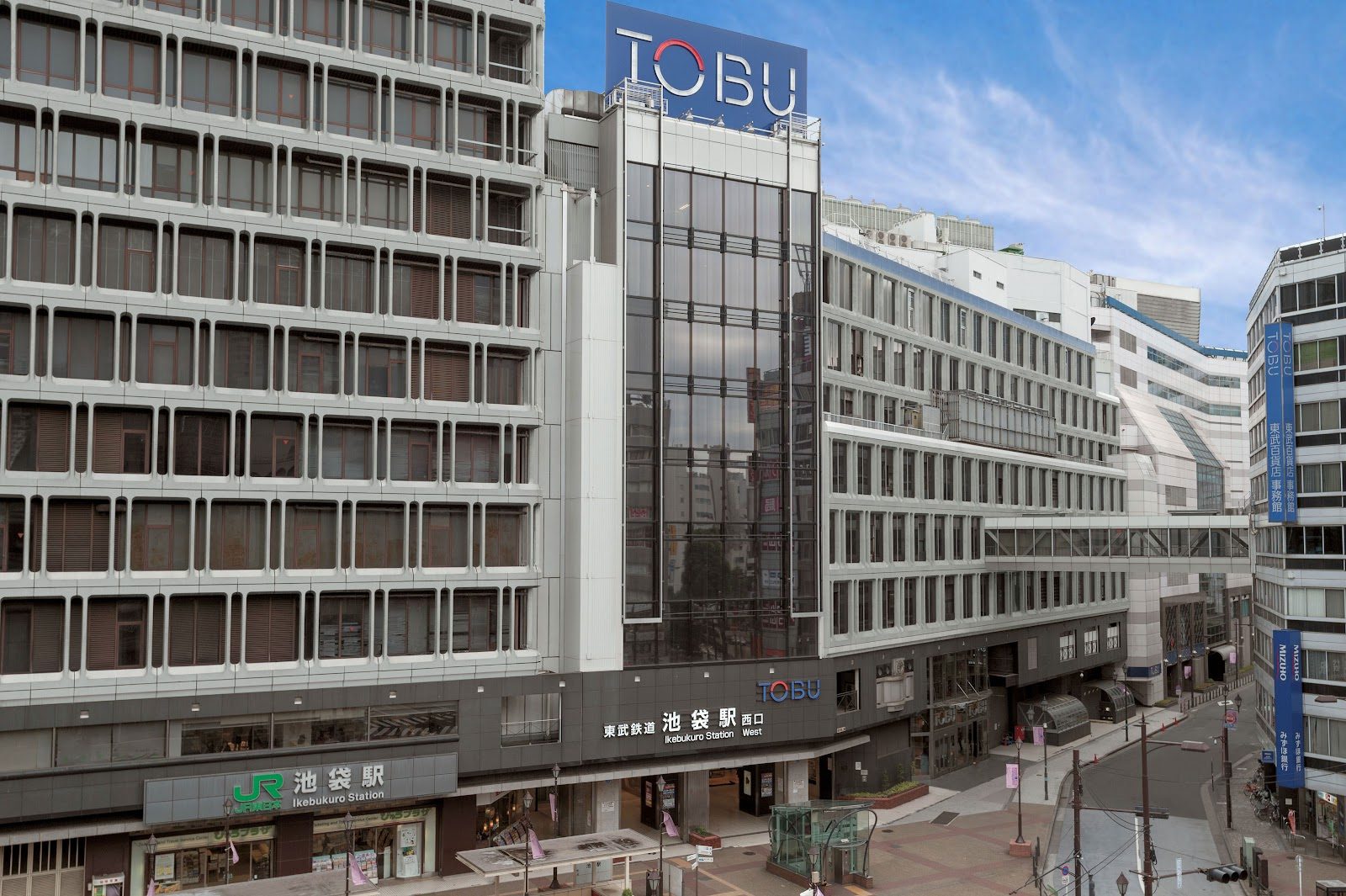
High above, floors 11 to 15 hold SPICE, 46 restaurants with city windows and Tokyo's largest department-store dining complex. SPICE takes reservations. For a party that wants options in one building, this is the most efficient eating stop in Ikebukuro.
BEER SAURUS Ikebukuro is a third-floor walk-up hung with dinosaur skulls, bones and fossil prints. Six tap handles sit in a row along a dark wooden counter, four of them rotating American guest beers chalked up on a blackboard. Happy hour takes 20% off all taps from 17:00 to 19:30.
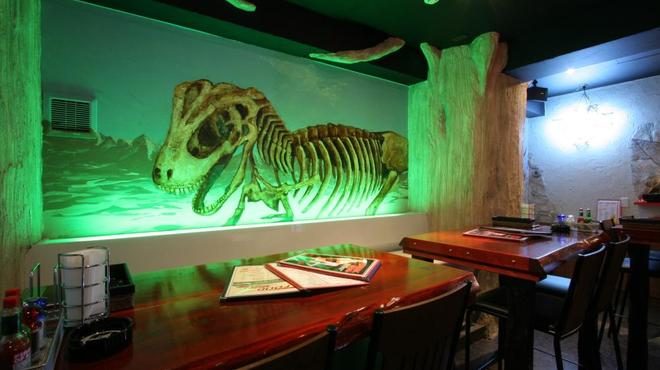
It takes reservations and comfortably seats a group, which the other beer bars here will not. It also stays open long past the restaurant floors.
Days, closures and bookings
Jiyu Gakuen Myonichikan runs on tour days only and closes Mondays, Higashi-Ikebukuro Taishoken Honten closes Wednesdays, and the Ancient Orient Museum shuts between exhibition changes. Reserve a planetarium show seat, buy observatory tickets online for a weekend, and book a table at BEER SAURUS Ikebukuro.
See the Tokyo guide and the Tokyo hotel search.
Gallery
Ikebukuro in pictures
Ikebukuro — your questions
How much does the Sunshine 60 Observatory Tenbou Park cost, and do I need a ticket in advance?
Entry is ¥700 to ¥1,200 for an indoor sky park 251m up on the 60th floor. You can walk up, but at weekends book an online timed ticket. On weekdays between 11:00 and 14:00 you can bring your own picnic onto the artificial lawn.
When is the best time to see the penguins at Sunshine Aquarium?
Go at opening or after 16:00. The rooftop Sky Penguin tank is the busiest thing in the building and school holidays fill the middle of the day, when advance online slots are sold.
Can I get inside the Frank Lloyd Wright building in Ikebukuro?
Yes. Jiyu Gakuen Myonichikan opens on tour days only and closes Mondays. Entry is ¥500, or ¥1,000 with coffee in the dining hall. Guided explanations run at 14:00, plus 11:00 on holiday tour days. Check the visiting calendar, because weddings and private hire close it without notice.
How do I eat at Mutekiya without a long queue?
Arrive at 15:00 or 02:00. It trades 10:30 to 04:00, takes no reservations and has 20-odd counter seats, so a group ends up split across single seats. Order while you are still in the queue.
What is there to do in Ikebukuro for free?
Ikebukuro Nishiguchi Park and its Global Ring Theatre are fully public, with free concerts and festivals most weekends. The lobby and atrium of the Tokyo Metropolitan Theatre are free, as are the outdoor areas of Rikkyo University's Ikebukuro campus and the grounds at Zoshigaya Kishimojin-do. animate Ikebukuro Flagship Store is free to browse, 10:00 to 21:00.